






Antique Shop Display Case
An antique shop display case brings commercial heritage directly into a room, offering glazed panels and fitted timber designed to hold and present collections.
Antique Shop Display Case
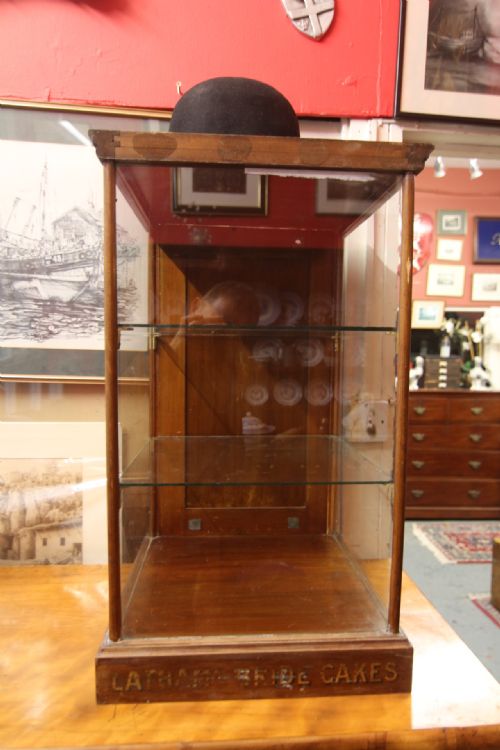
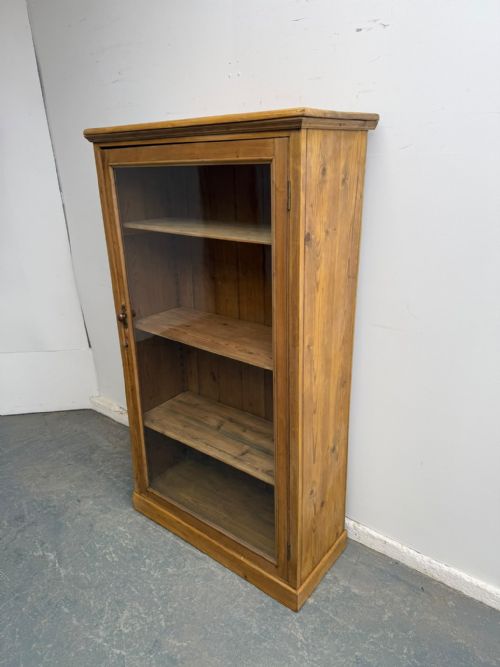
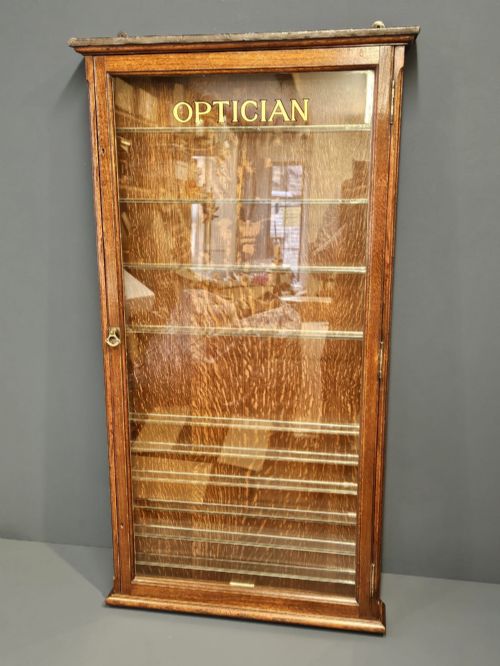
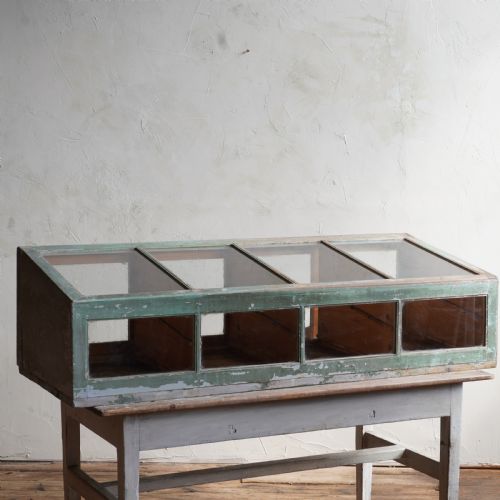
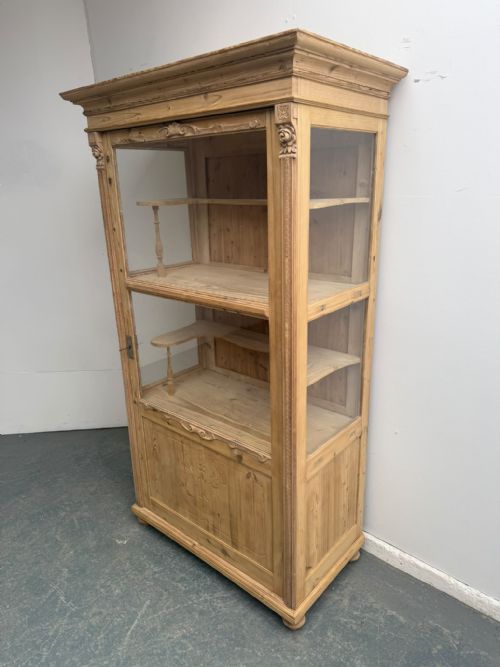
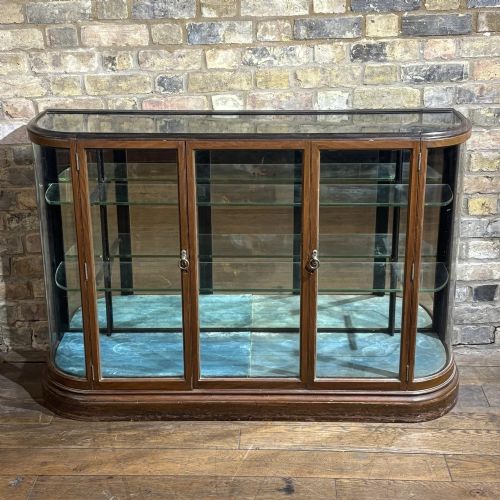
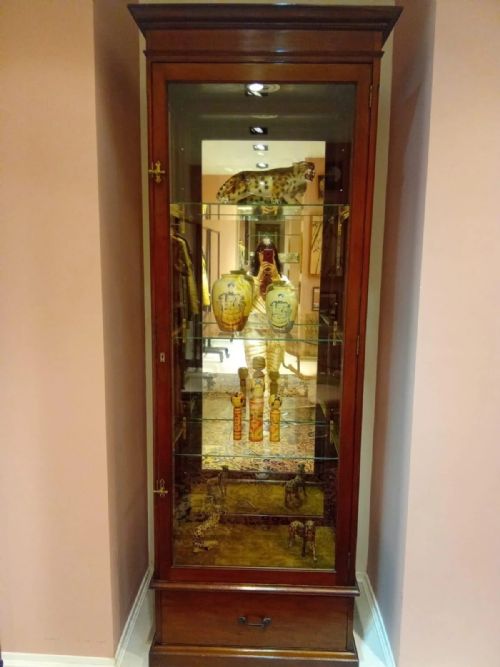
When you search for an antique shop display case, you encounter commercial fittings originating primarily from the Victorian, Edwardian, and early twentieth-century eras. These pieces range from substantial freestanding counters and tall cabinets to compact countertop tabletop cases designed for retail trade.
Makers such as F. Sage and Co. produced architectural cabinetry alongside specialised countertop units for chemists, jewellers, and grocers. You will frequently encounter mahogany and oak constructions featuring large glass panels and adjustable internal shelving tailored for merchandise display.
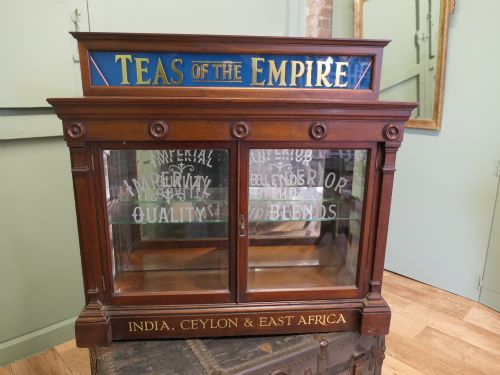
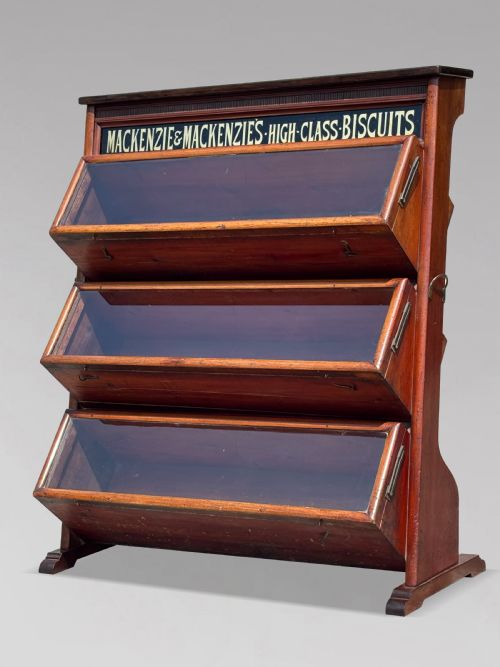
The selection encompasses specialised advertising haberdashery cabinets and glazed museum cases alongside standard retail counters. These commercial origins ensure robust construction designed to withstand daily public interaction while maintaining maximum visibility for contents.
Materials and construction methods
Timber selection prioritises dense hardwoods like solid mahogany and oak, often paired with brass or bronze hardware and ebonised details. Frames utilise strong joinery to support large expanses of heavy plate glass without compromising structural integrity.
Internal elements frequently incorporate mirrored backs to amplify light, fabric linings, and adjustable glass shelves supported by brass clips. Exterior surfaces range from polished cabinet finishes to original hand-painted advertising lettering and distressed commercial patination.
Antique Shop Display Case Retail Price Guide 2026
Typical asking prices for shop display case among the pieces listed under this phrase on Sellingantiques today, from the lower quarter to the upper quarter. They describe what is for sale here now, not the wider market.
Listings feature commercial oak and mahogany joinery dating from the Victorian era through the 1930s.
Quality and proportion in commercial cabinetry
Quality rests in the precision of the joinery and the integrity of the original glazing bars that secure the heavy glass panels. Superior examples feature well-engineered sliding or hinged doors that operate smoothly despite the weight of the timber and glass.
The degree of original commercial detailing separates standard utility cases from high-end retail shopfitting pieces. Maker signatures, proprietary brass hardware, and specialised configurations like bow ends or pentagonal shapes elevate the distinction of individual cabinets.
F. Sage and Co.·John Stow Ltd of Bradford
The Antique Shop Display Case Glossary
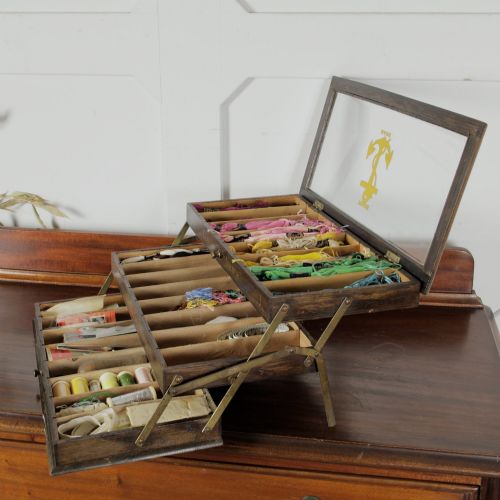
- Haberdashery cabinet
- A multi-drawer or glazed cabinet originally utilised in drapery shops for selling small sewing accessories and cottons. These units often feature shallow drawers with glass fronts.
- Bow end
- A curved glass or timber termination at the end of a cabinet or counter. This technique softens rigid angles and increases viewing angles for displayed items.
- Countertop display
- A smaller scale cabinet designed to sit directly upon a shop counter for close customer inspection. These portable units frequently feature rear doors for staff access.
- Bijouterie case
- A glazed tabletop case traditionally used by jewellers to display small precious objects. They often feature fabric-lined interiors and secure locking mechanisms.
- Shopfitting
- The trade and practice of manufacturing interior fixtures and furniture for retail premises. Commercial pieces built by established firms show durable construction methods designed for heavy usage.
Antique Shop Display Case: Frequently Asked Questions
How do I use a shop display case at home?
These cabinets provide ideal housing for collections of ceramics, small silver, books, or curiosities. The glazed panels protect delicate items from dust while offering clear visibility from multiple angles.
Freestanding counters work effectively as room dividers or kitchen islands, while smaller countertop cases sit comfortably on sideboards or desks to showcase curated groupings.
What is the difference between a cabinet and a counter?
Cabinets typically stand taller as vertical display units with full-length or upper glazed sections, often designed to stand against a wall.
Counters function as lower, horizontal work surfaces where customers stand looking down through a glazed top or upper display tier while staff operate behind the barrier.
How do I care for the timber and glass?
Maintain the wood surfaces using traditional beeswax applied sparingly to nourish dry timber without building up heavy chemical residues. Avoid placing antique cabinets in direct sunlight to protect internal fabric linings from fading.
Clean the large glass panes with standard glass cleaner applied to a cloth rather than sprayed directly, preventing moisture from seeping into aged wooden frames or putty.
Can I adjust the shelves inside?
Many Edwardian and Victorian commercial cases feature adjustable shelf support systems using metal rack strips or wooden notches. This flexibility allows you to reconfigure the internal vertical space to accommodate taller objects.
Original glass shelves are heavy and should be handled with care when altering heights to prevent chipping the polished edges against the cabinet interior.