





Vintage Retail Display Cabinet
These vintage retail display cabinet pieces bring commercial history home, offering glazed protection and clear visibility for cherished collections.
Vintage Retail Display Cabinet
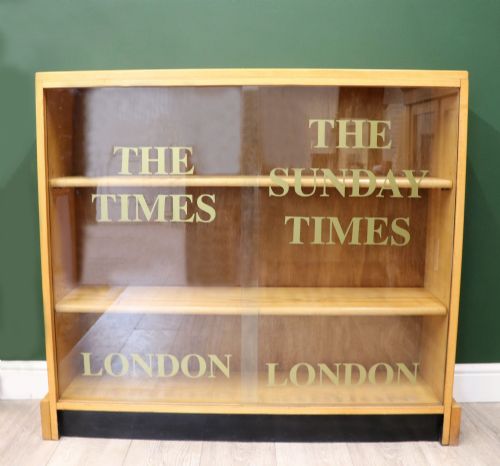
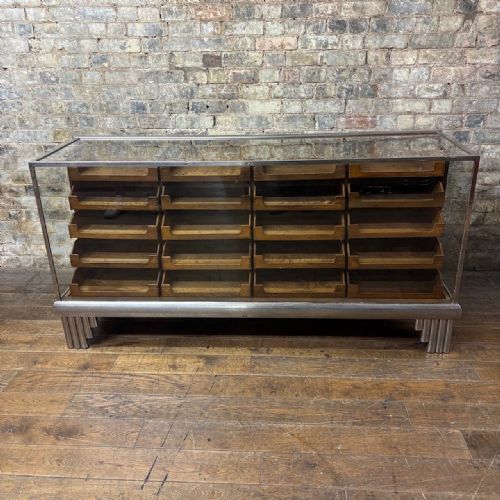
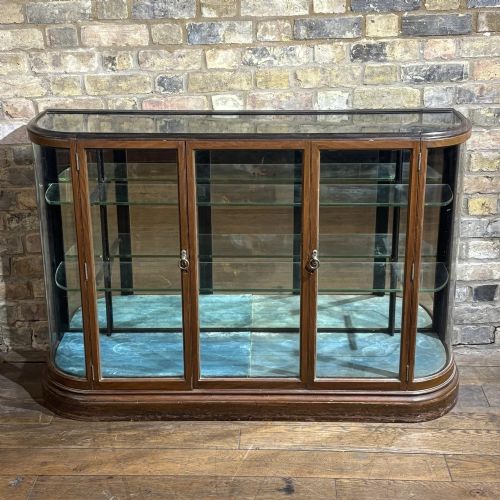
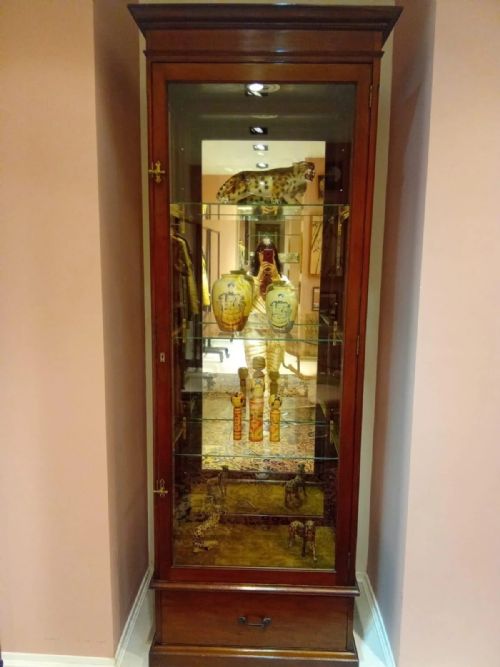
A vintage retail display cabinet serves to showcase small goods or collections behind glass. These items originate from commercial spaces, translating shop counters and museum floors into domestic settings.
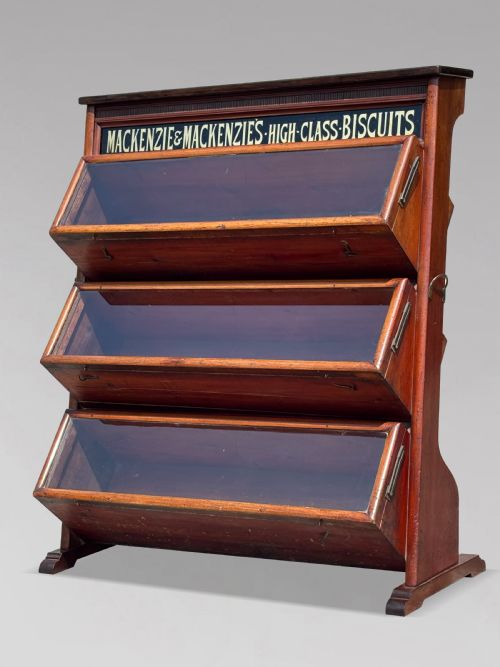
The selections span the late 19th Century French period, the Edwardian era, and the 1930s. Buyers frequently encounter countertop shop display formats alongside taller standing cabinets.
Commercial heritage defines these objects, often bearing the names of prominent confectioners. They bridge the gap between working utility and decorative interior furnishing.
Materials and construction
Construction relies on timber frames combined with generous glass panes to maximise visibility. Hardwood, oak, mahogany, and burr walnut provide the structural support for these glazed enclosures.
Metal and brass components frequently appear as hinges, handles, or framing details. These materials were chosen for durability in a busy commercial environment.
Vintage Retail Display Cabinet Retail Price Guide 2026
Typical asking prices for vintage retail display cabinet among the pieces listed under this phrase on Sellingantiques today, from the lower quarter to the upper quarter. They describe what is for sale here now, not the wider market.
The listings feature oak, mahogany, burr walnut, and metal across Edwardian, Art Deco, and nineteenth-century periods.
Judging quality
Quality rests in the harmony of timber selection and the clarity of the original glazing. Finer examples display carefully chosen grain patterns in woods like burr walnut or mahogany.
The integrity of commercial lettering and original hardware separates standard utility items from distinguished shop display pieces. Subtle joinery details indicate the skill of the period workshop.
Fry·Cadbury
The Vintage Retail Display Cabinet Glossary
- Countertop
- A smaller display cabinet designed to sit upon a shop counter for customer browsing. These units typically feature rear doors for staff access.
- Hardwood
- Timber derived from broad-leaved trees, offering greater density and durability than softwood. Oak and mahogany are common examples found in these frames.
- Burr walnut
- A figured wood veneer taken from the growth growths of a walnut tree. It provides a highly decorative surface pattern on period furniture.
- Edwardian
- The period spanning the reign of King Edward VII, noted for lighter furniture designs following Victorian heaviness. Cabinets from this era often balance display space with refined framing.
Vintage Retail Display Cabinet: Frequently Asked Questions
How were these cabinets used?
Shopkeepers utilised these glazed cases to protect confectionery and small wares while keeping them visible to customers on the counter.
They allowed goods to be showcased attractively without handling, preserving fragile items in busy retail environments.
How do I style a shop display cabinet?
Place a countertop model on a sideboard or table where interior lighting can pass through the glass panes.
Arrange small collections, ceramics, or books inside to let the commercial heritage complement your room.
How do I tell periods apart?
Late nineteenth-century examples often feature heavier oak frames with French proportions, whereas Edwardian pieces present lighter styling.
Art Deco and 1930s cabinets introduce more streamlined woodwork and simplified framing details.
Are the brass fittings original?
Many cabinets retain their original brass hinges, catches, and manufacturer plaques from their working life.
Inspect the wear patterns on the metalwork to understand how the cabinet was handled in the shop.