



Antique Oak Display Case
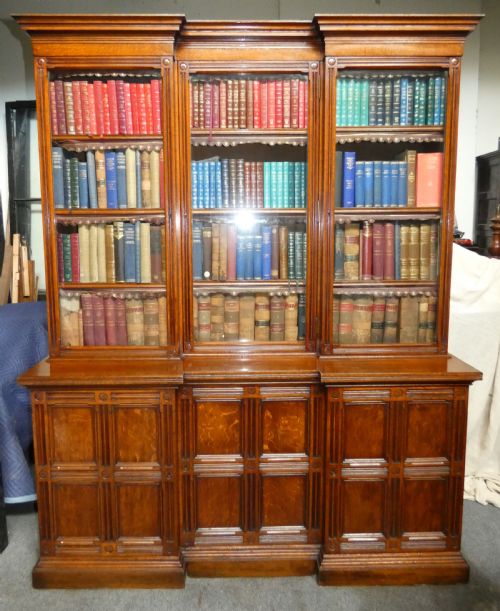
An antique oak display case brings together timber and glass to showcase treasured objects, ranging from compact countertop counters to towering library bookcases.
Antique Oak Display Case
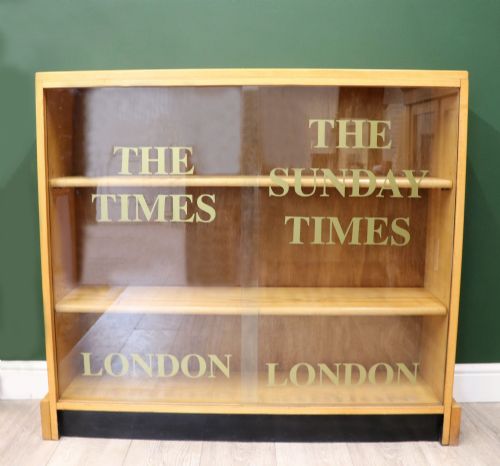
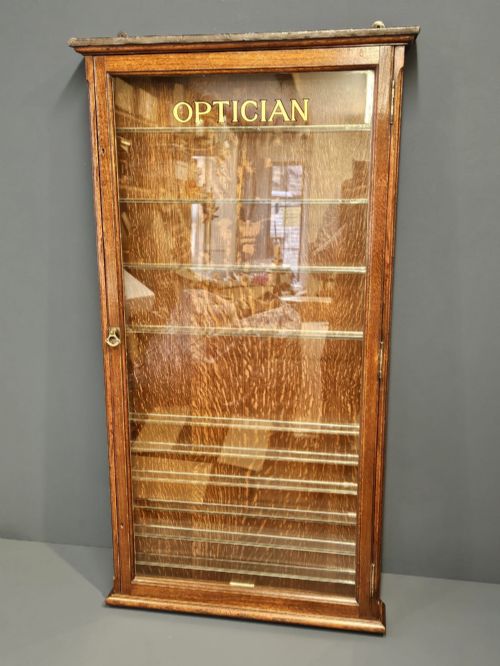
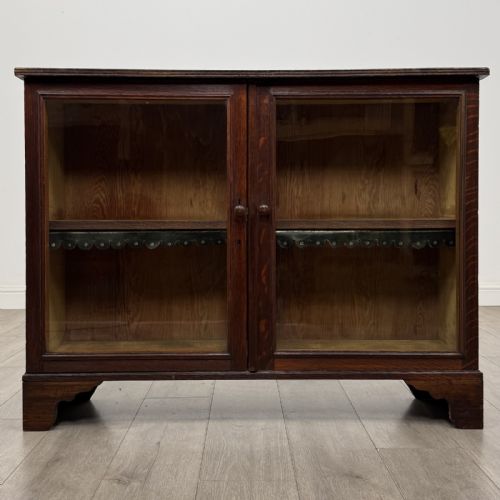
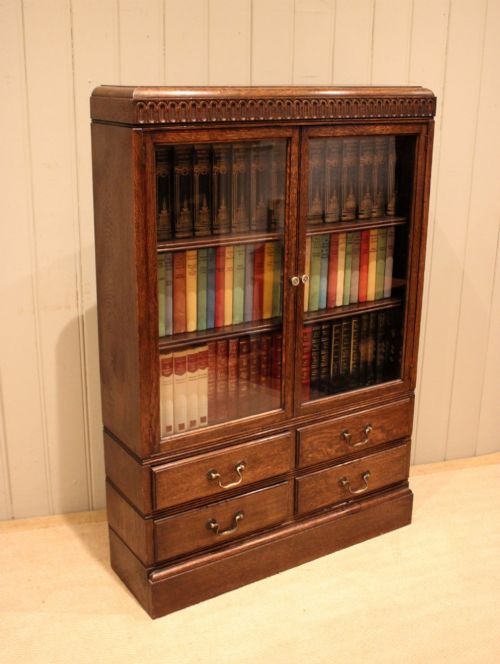
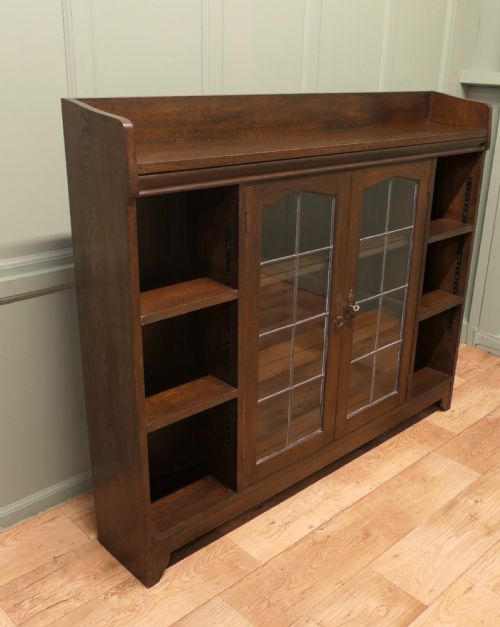
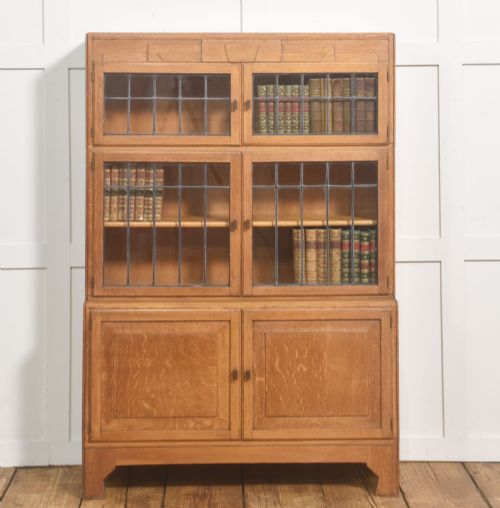
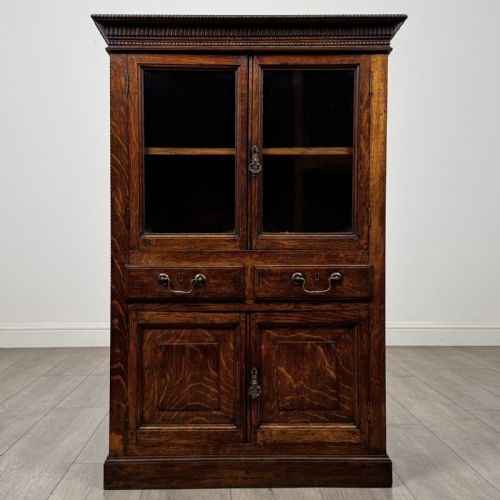
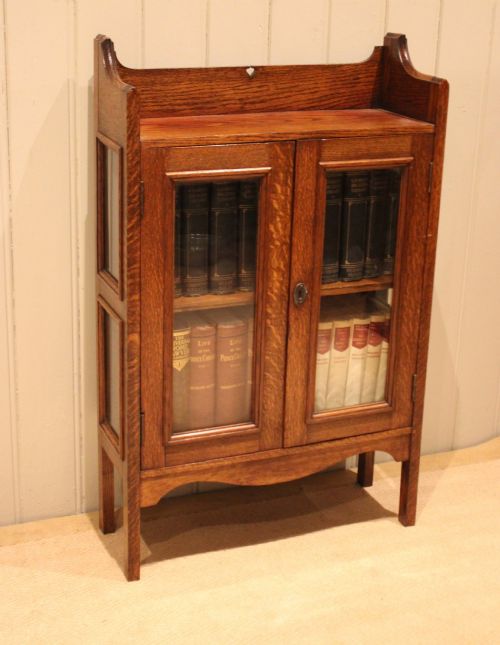
When searching for an antique oak display case, buyers encounter a diverse selection of glazed cabinets, bookcases, and shop counters spanning the Victorian, Edwardian, and Art Deco eras.
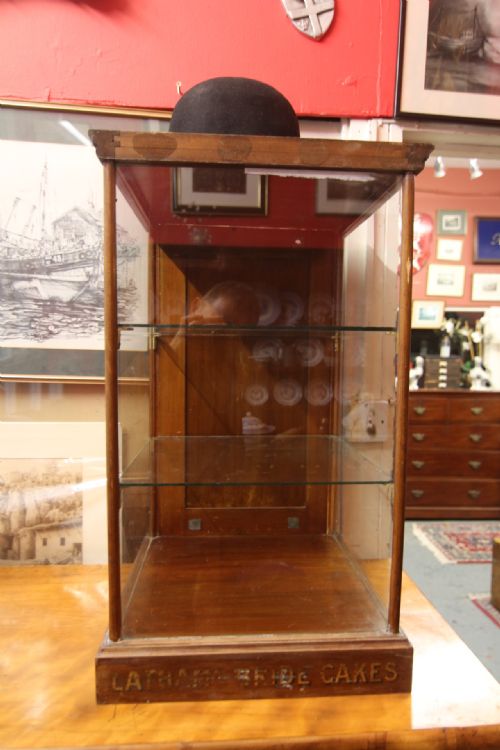
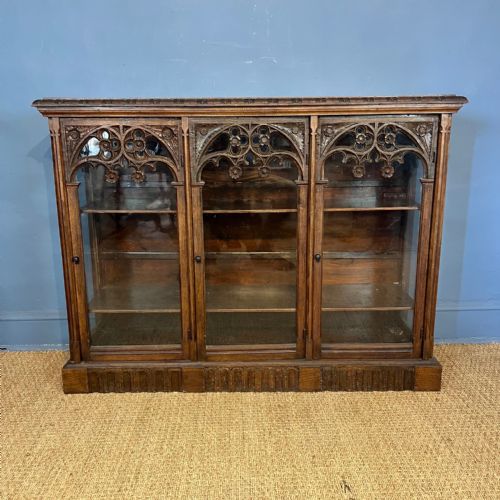
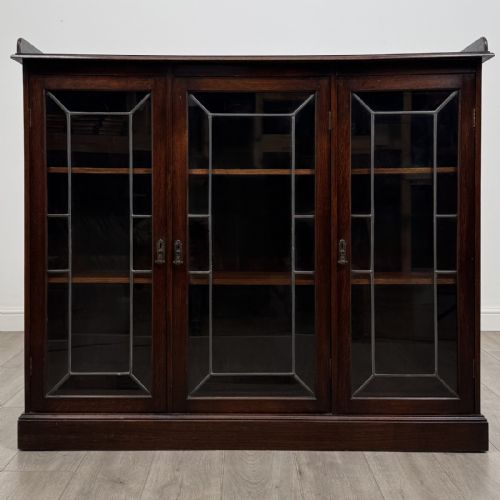
Floor-standing library cabinets and corner cupboards sit alongside smaller countertop versions, utilising glass panels and wooden framing to protect books, china, and collectables.
Many examples emerge from the early twentieth century and late nineteenth century, reflecting periods when specialised retail display and domestic home libraries grew in popularity.
How They Were Made
Cabinet makers constructed these pieces primarily using solid or veneered oak, often mounting transparent glass panels within the doors and sides to illuminate the interior shelving.
Workshops incorporated brass hinges, lead cames for decorative glazing, and iron hardware, while carving and mouldings defined stylistic movements such as Arts and Crafts, Gothic Revival, and Jacobean Revival.
Antique Oak Display Case Retail Price Guide 2026
Typical asking prices for oak display case among the pieces listed under this phrase on Sellingantiques today, from the lower quarter to the upper quarter. They describe what is for sale here now, not the wider market.
Keep an eye out for the occasional taxidermy kingfisher and feathered spectacle tucked safely away inside its own wooden showcase.
What Varies In Quality
The standard of construction depends upon the selection of timber, the precision of the joinery, and the integrity of the original glazed doors or leaded panels.
Pieces originating from notable retail outfitters or specialised workshops display superior cabinet work, finer carved ornamentation, and more robust internal shelving systems than standard domestic utility items.
F Sage And Co
The Antique Oak Display Case Glossary
- Breakfront
- A cabinet design where the central section projects forward from the flanking wings. This architectural arrangement creates depth and visual interest in large library bookcases.
- Leaded Glass
- Small panes of glass held together by strips of lead, known as cames. This technique frequently appears on Edwardian and Art Deco bookcase doors.
- Barograph
- A meteorological instrument housed within a wooden case featuring a rotating drum and glass cover. These scientific instruments often utilise bevelled glass and chart drawers.
- Corner Cabinet
- A specialised storage piece designed to fit snugly into the angle of a room. These come in floor-standing and wall-hanging formats.
- Countertop Display Cabinet
- A compact showcase designed for retail shop settings to exhibit small wares. They feature glass viewing areas on the top and sides.
Antique Oak Display Case: Frequently Asked Questions
What periods do these cases date from?
The selection spans from Georgian examples through to Victorian and Edwardian pieces, stretching into the 1920s and 1930s with Art Deco and Cotswold School designs.
Most items you will encounter cluster around the late nineteenth and early twentieth centuries, reflecting the height of domestic library furnishing and retail shopfitting.
How were these cabinets originally used?
Many served in domestic settings as home library bookcases, china cabinets, or corner cupboards to display prized possessions and books.
Others originated in commercial environments, functioning as shop counters, museum display cases, or mercantile vitrines for retail goods.
Are the shelves adjustable?
Numerous large bookcases and display cabinets feature fitted adjustable shelves to accommodate books or objects of varying heights.
Older or simpler cupboards may rely on fixed wooden shelving integrated directly into the cabinet interior.
What glass types are used?
Glazed doors and panels typically incorporate plain transparent glass, while specialised versions feature bevelled edges or decorative leaded cames.
Countertop and museum style showcases often utilise robust glass top and side panels designed to maximise light exposure for the items within.