

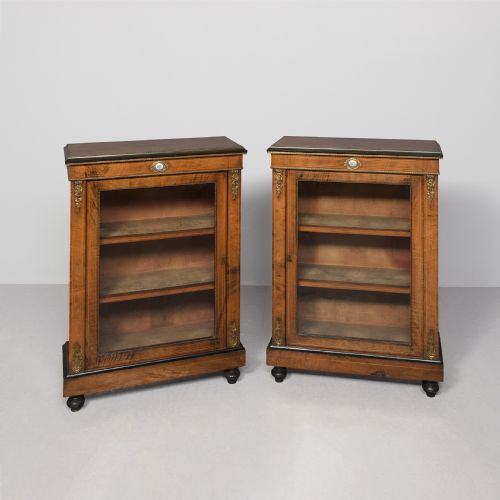
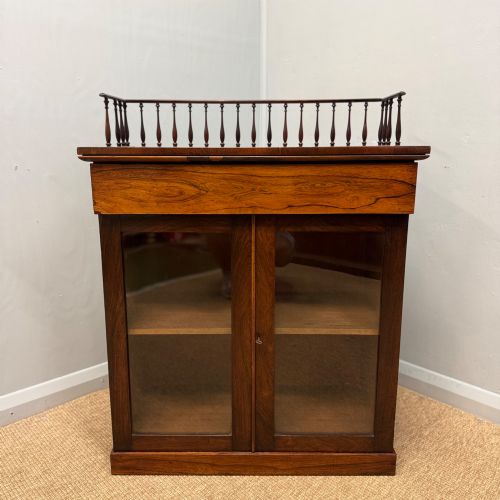

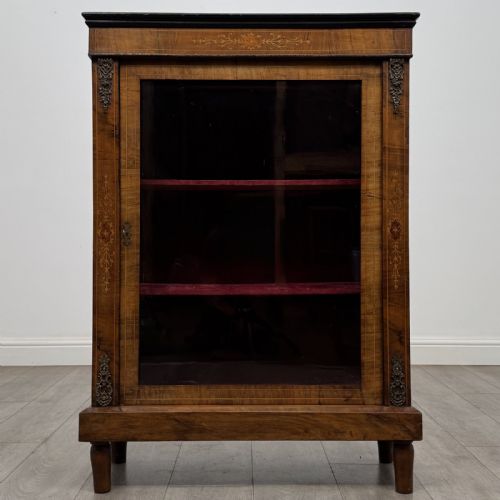
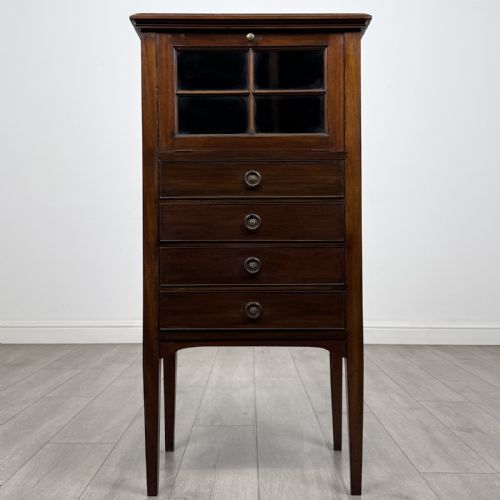
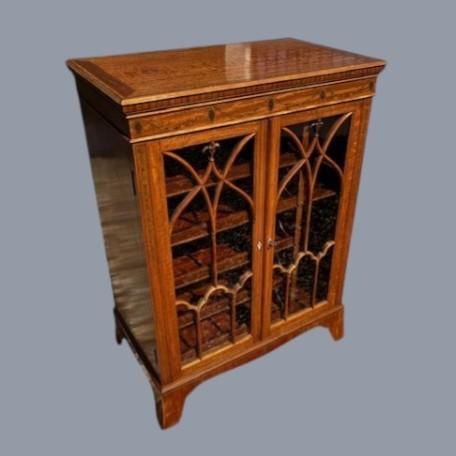
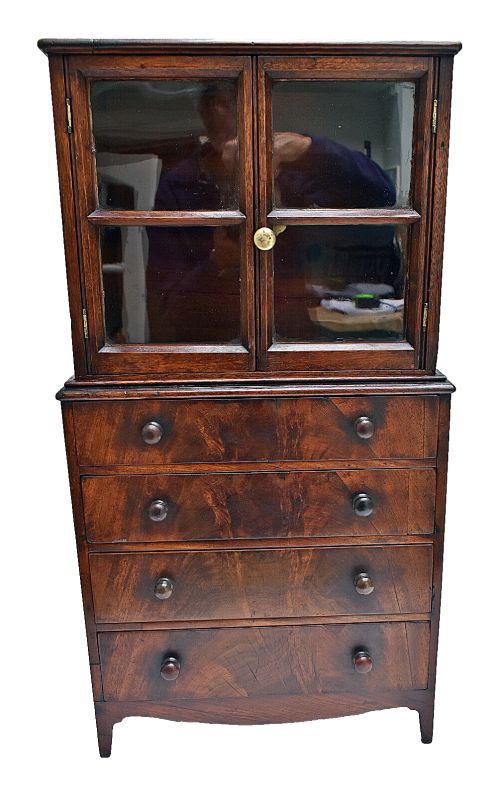
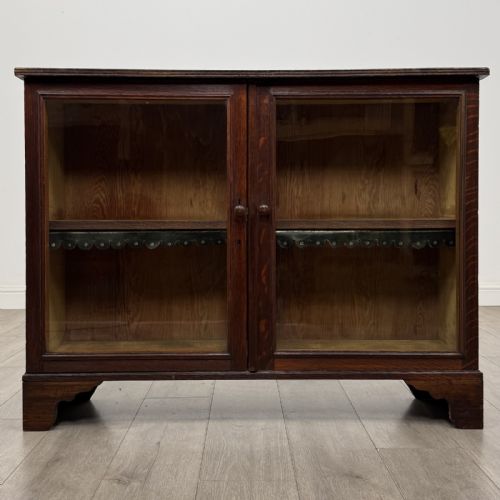
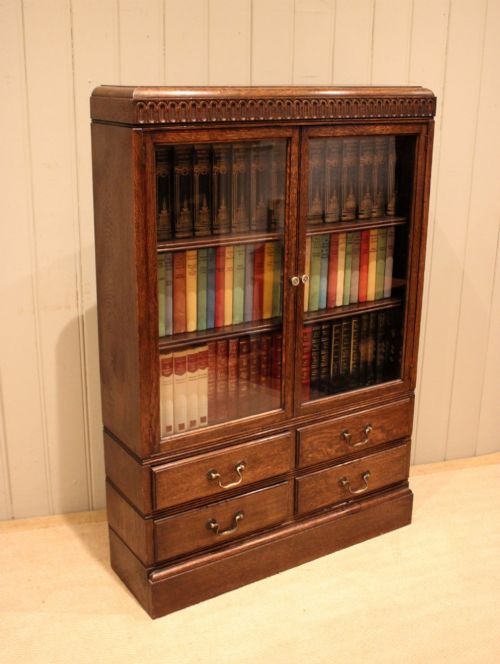
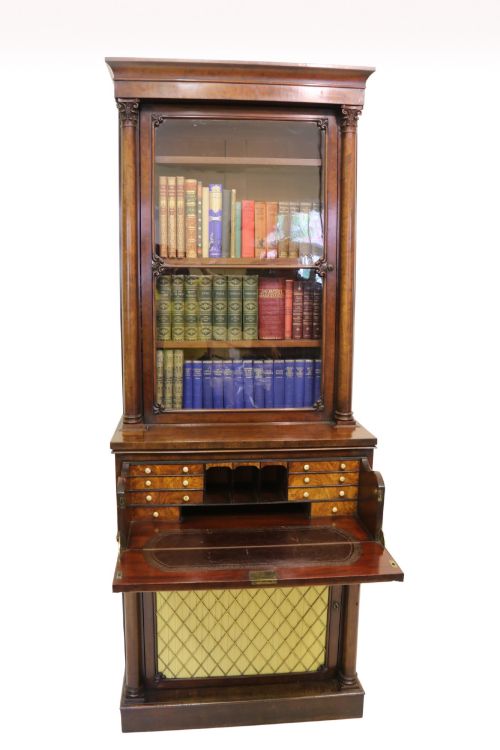
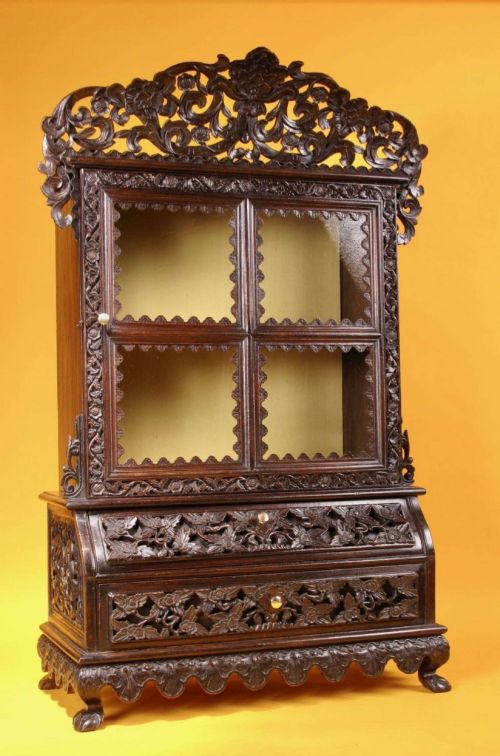
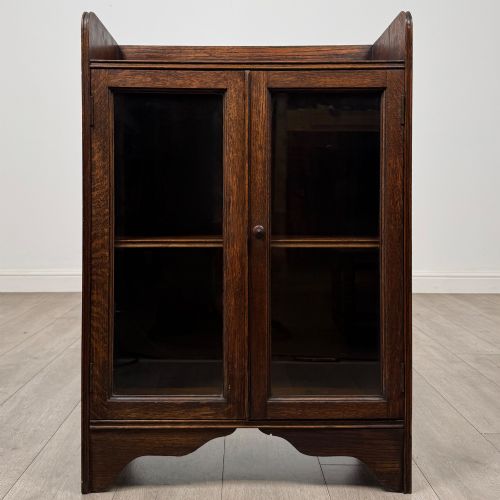
Small Glazed Cabinet
A small glazed cabinet offers a neat way to protect and display collections, bringing timber warmth and clear glass into compact spaces.
Small Glazed Cabinet
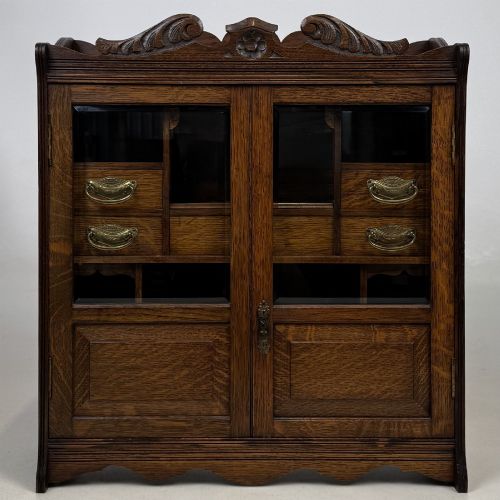
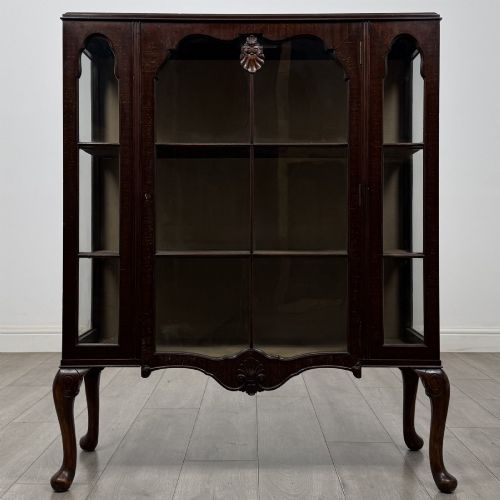
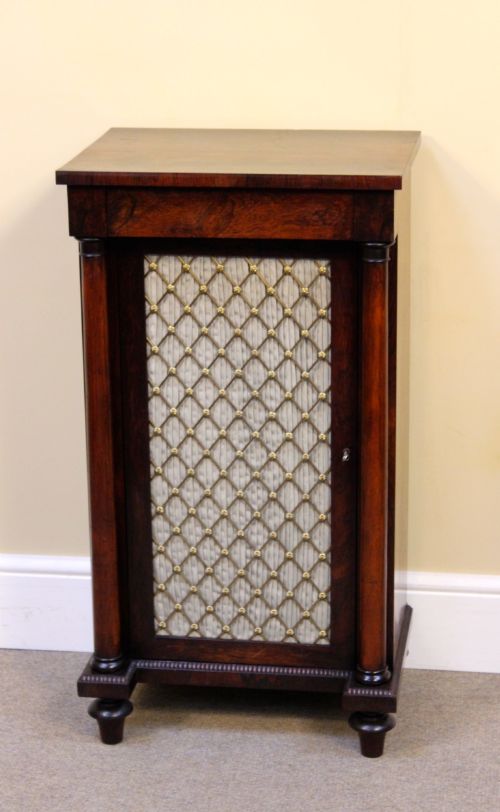
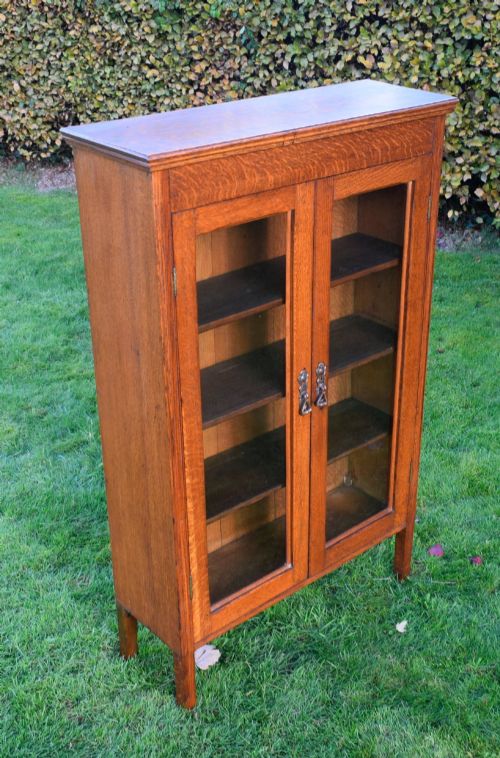
A small glazed cabinet gathers together compact display furniture built to hold books, ceramics and curiosities across the eighteenth, nineteenth and twentieth centuries. These pieces appear most frequently as Edwardian mahogany and oak vitrines, Victorian walnut pier cabinets and Georgian-style bookcases designed for modest rooms.
The form spans tall narrow corner cupboards, hanging wall cabinets, table-top display cases and low music cabinets fitted with glass doors. Buyers encounter floor-standing dwarf bookcases and miniature bureau cabinets alongside wall-mounted pieces intended to sit above other furniture.
Originating in domestic parlours and drawing rooms, these small glazed cabinets served to keep dust away from valued possessions while allowing them to remain visible. Their varied proportions make them adaptable for modern interiors that require storage without heavy floor-to-ceiling bulk.
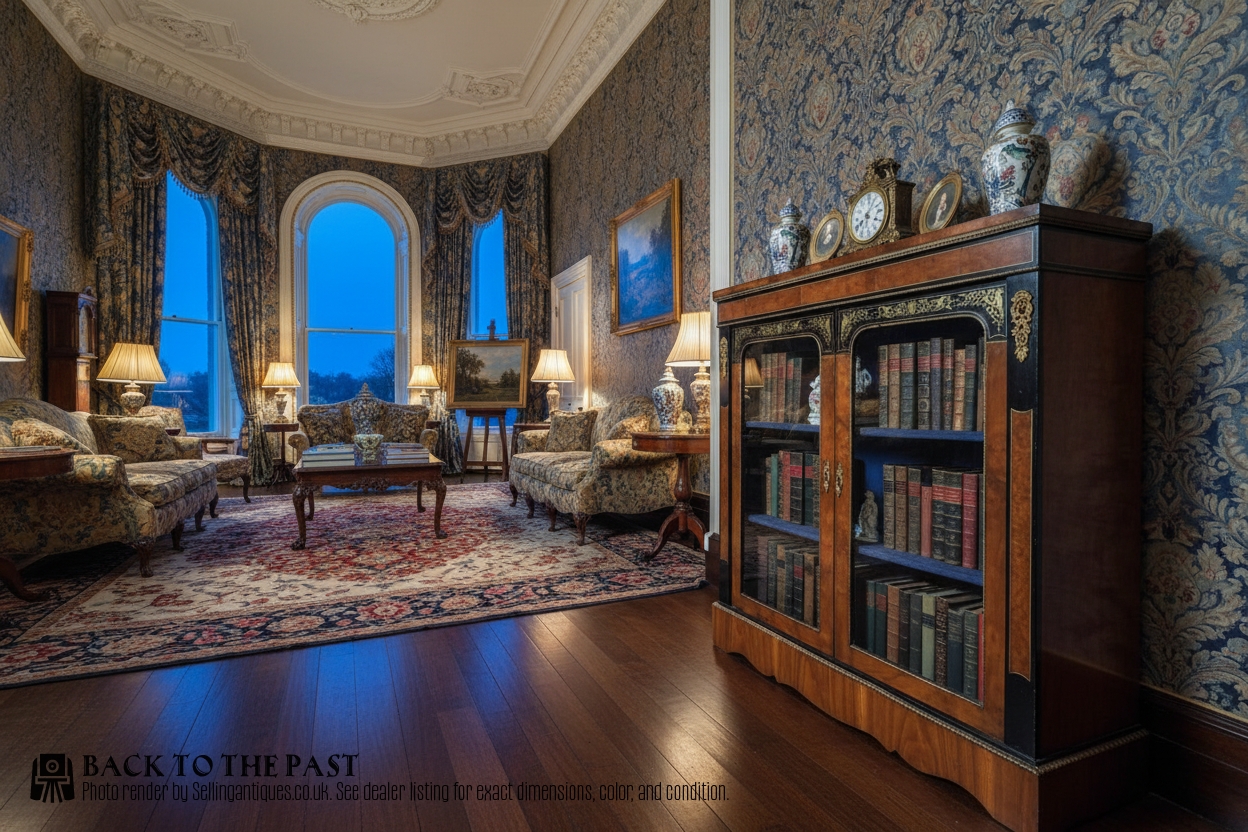
How they were made
Makers constructed these cabinets using structural timbers such as mahogany, oak and walnut, often applying rosewood, satinwood or marquetry veneers for decorative contrast. Timber selection dictated how well the cabinet held its joints and how deeply the grain responded to polishing.
Glazing techniques relied on timber or brass framing to hold individual glass panes, sometimes supported by lead or secured with fine beading. Cabinetmakers joined the carcase using traditional dovetails and mortise and tenon joints, finishing the exterior surfaces with French polish or wax.
Small Glazed Cabinet Retail Price Guide 2026
Typical asking prices for small glazed cabinet among the pieces listed under this phrase on Sellingantiques today, from the lower quarter to the upper quarter. They describe what is for sale here now, not the wider market.
The selection includes corner units, hanging wall cupboards, music cabinets and miniature bureau bookcases.
What varies in quality
Quality rests upon the selection of figured timbers like burr walnut or flame mahogany and the crispness of inlaid brass lines, marquetry or carved woodwork. Superior examples display thoughtful proportions and careful matching of wood grains across doors and panels.
Interior execution distinguishes better cabinets, seen in adjustable shelving systems, original brass hardware and well-fitted glazed doors that close true. The refinement of secondary timbers inside the carcase and the subtlety of mouldings separate standard production items from finer workshop pieces.
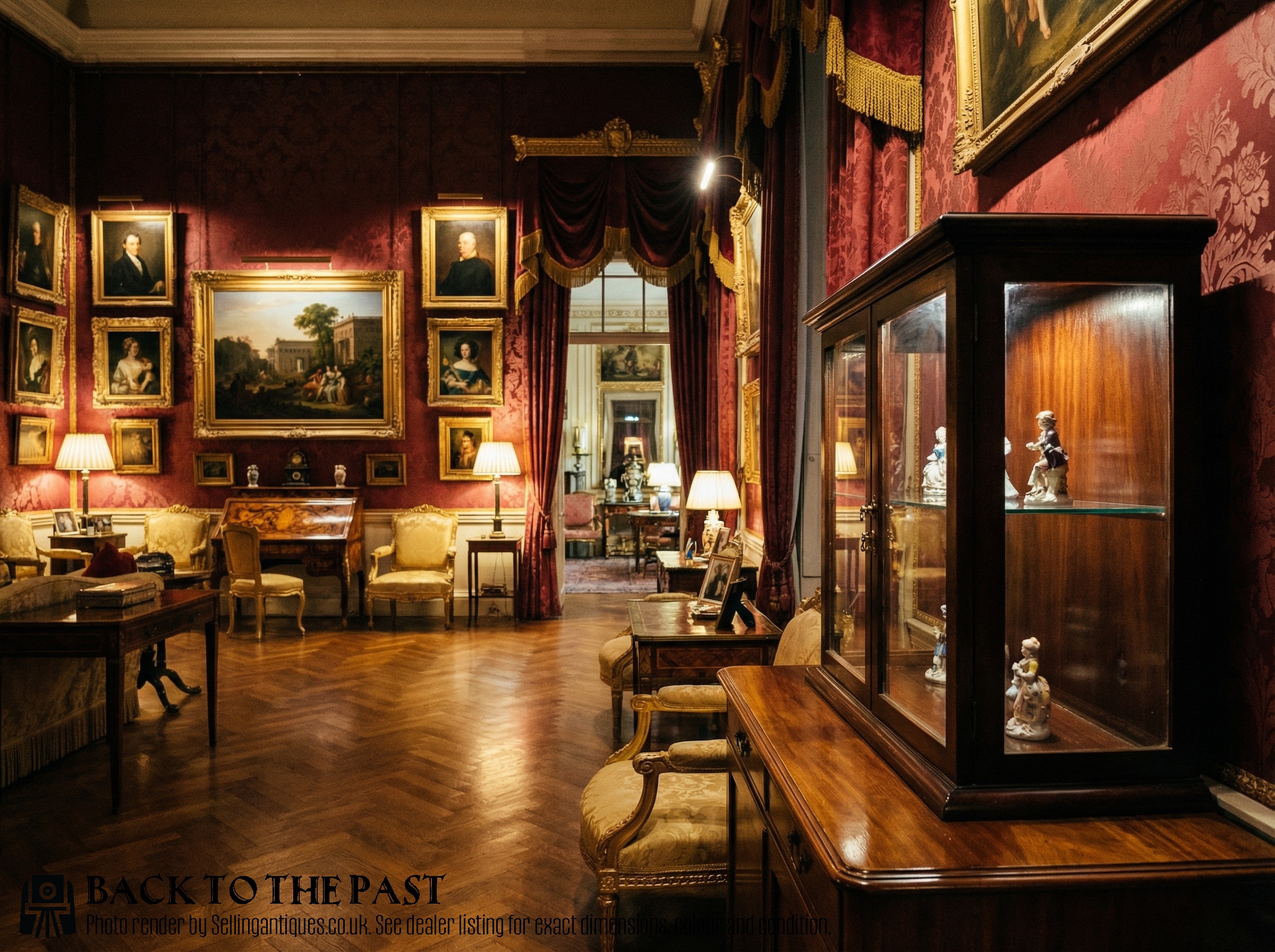
Gillows of Lancaster·EDWARDS and ROBERTS
The Small Glazed Cabinet Glossary
- Vitrine
- A glass-sided display cabinet designed primarily for the exhibition of porcelain, glassware and ornaments. These pieces usually feature glazed doors on the front and sometimes sides to maximise light penetration.
- Bijouterie table
- A glass-topped display case or table intended for holding small valuable items, jewellery or medals. They often feature hinged lids lined with fabric such as velvet.
- Marquetry
- Decorative veneer work formed by fitting together thin pieces of wood, shell or metal to create pictorial or geometric patterns. It appears frequently on cabinet doors and friezes.
- Secretaire
- A piece of furniture containing a writing drawer or pull-down fall-front desk section combined with bookshelf or cupboard storage above. They combine workspace with enclosed display.
Small Glazed Cabinet: Frequently Asked Questions
Where should I place a small glazed cabinet?
These compact cabinets suit alcoves, hallways and living rooms where floor space is limited. Their glass doors keep dust off contents while reflecting light into smaller corners.
Wall-mounted versions work well above sideboards or desks, freeing up the floor entirely while providing eye-level display space for collections.
How do I distinguish Victorian from Edwardian cabinets?
Victorian cabinets often utilise darker, heavily figured timbers such as burr walnut and dense mahogany with rich polish. Their decoration leans towards heavier mouldings and elaborate marquetry.
Edwardian pieces tend to feature lighter mahogany or oak, frequently inlaid with satinwood lines or brass mounts reflecting a lighter Arts and Crafts or Georgian revival aesthetic.
Can I adjust the shelves inside these cabinets?
Many nineteenth and twentieth-century cabinets feature fixed wooden shelving due to their simple internal construction. However, better quality workshop pieces often incorporated adjustable rack-and-pinion or wooden tooth systems.
Checking the interior sides reveals whether vertical slots or peg holes exist to allow shelf height relocation for different sized books or objects.
What is the difference between a vitrine and a bookcase?
A vitrine is primarily built for displaying decorative objects, featuring glass panels on the sides as well as the doors to let light reach exhibits from multiple angles. Bookcases are designed for storing volumes.
Bookcases usually feature solid wooden sides with glazed doors restricted to the front elevation, prioritising shelf depth and book storage over all-around visibility.