



Edwardian Glass Cabinet
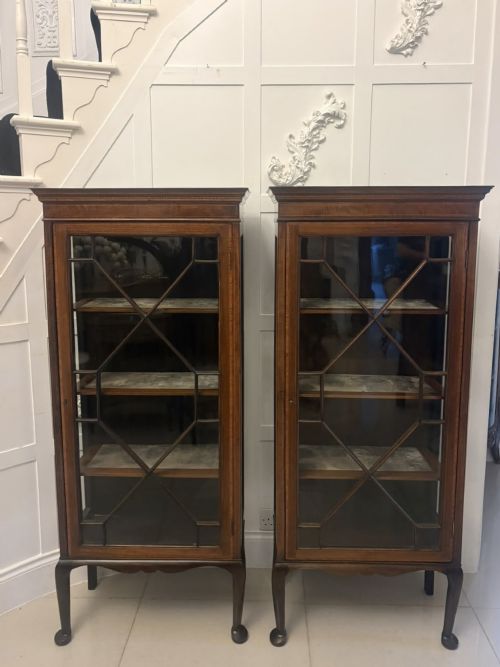
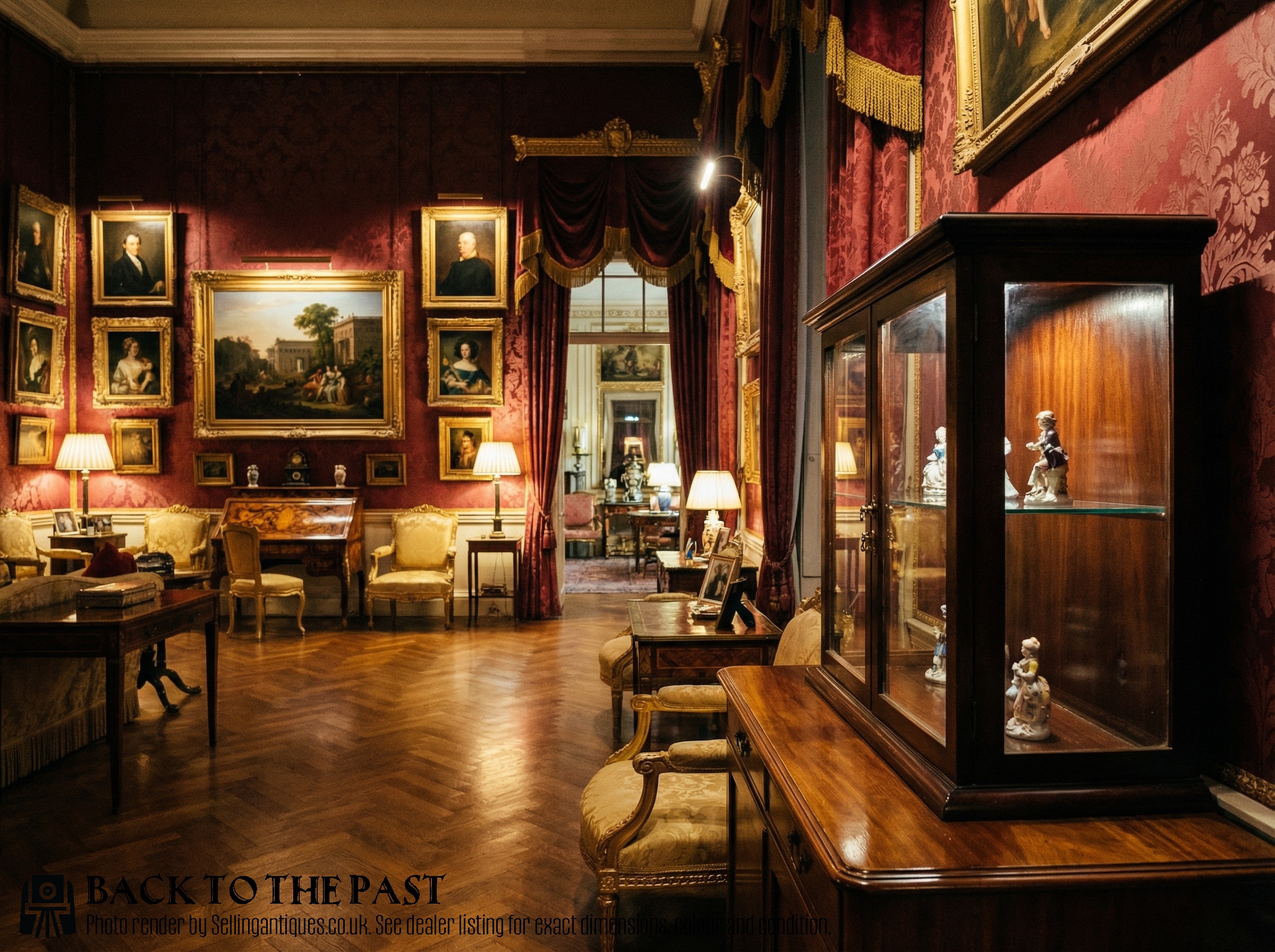
When searching for an edwardian glass cabinet, collectors encounter glazed display furniture designed to showcase ceramics, books and precious items.
Edwardian Glass Cabinet
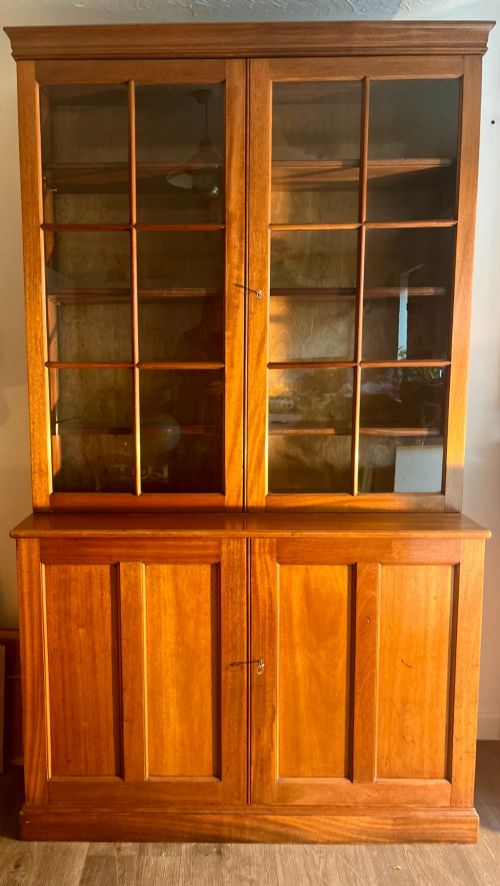
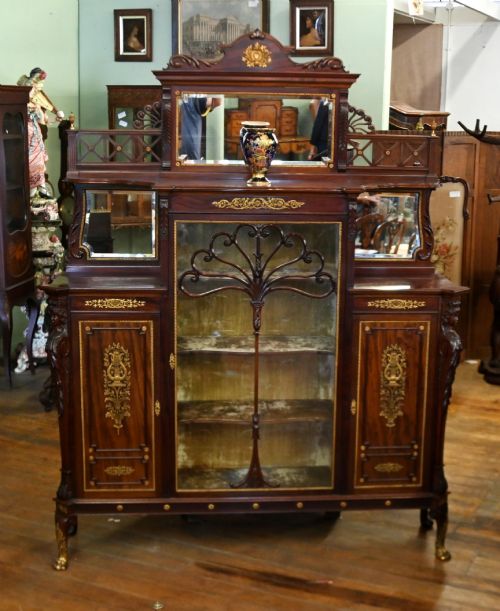
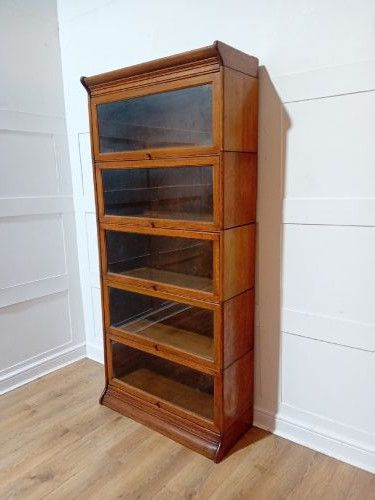
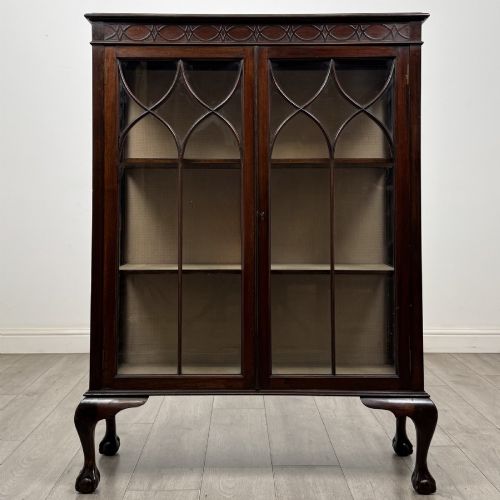
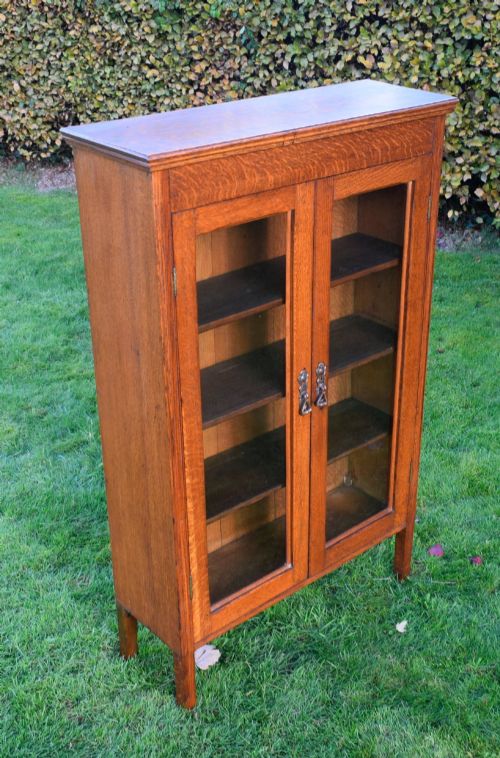
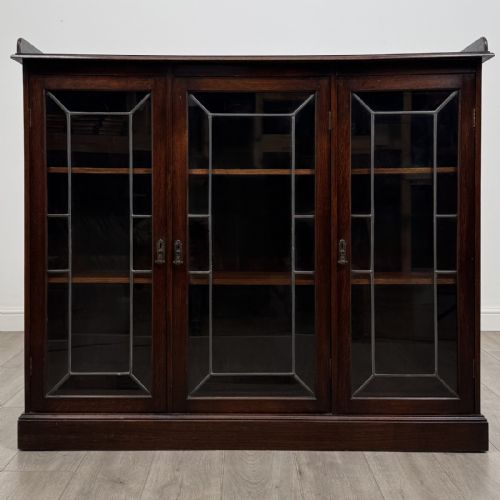
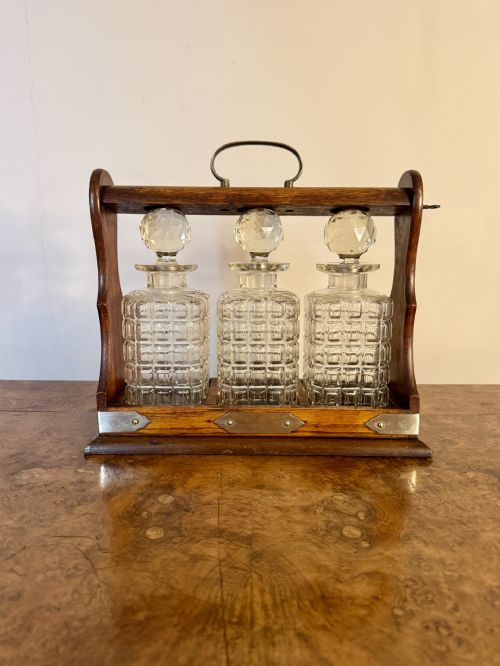
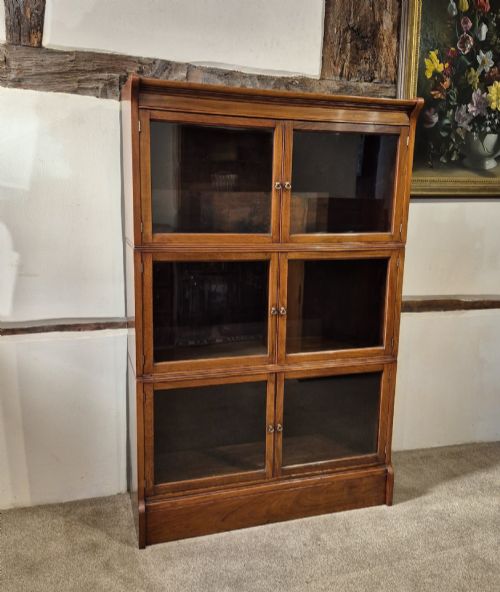
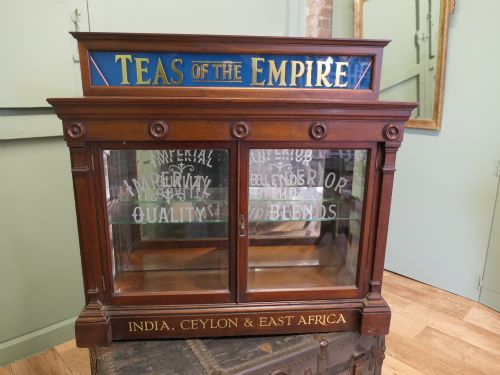
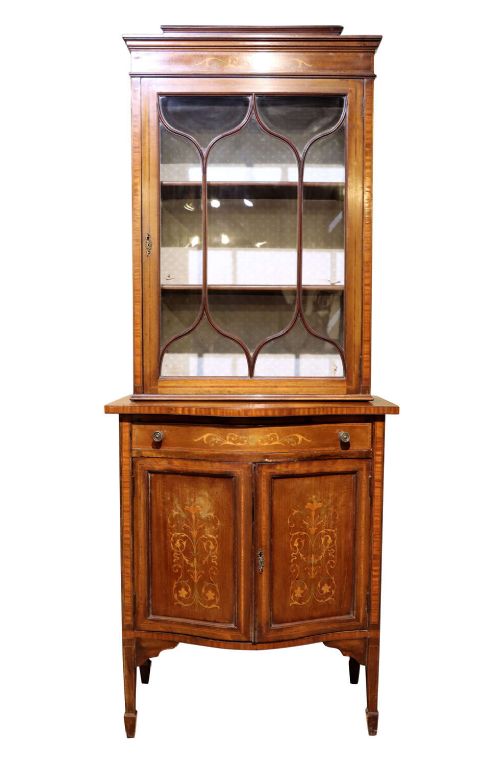
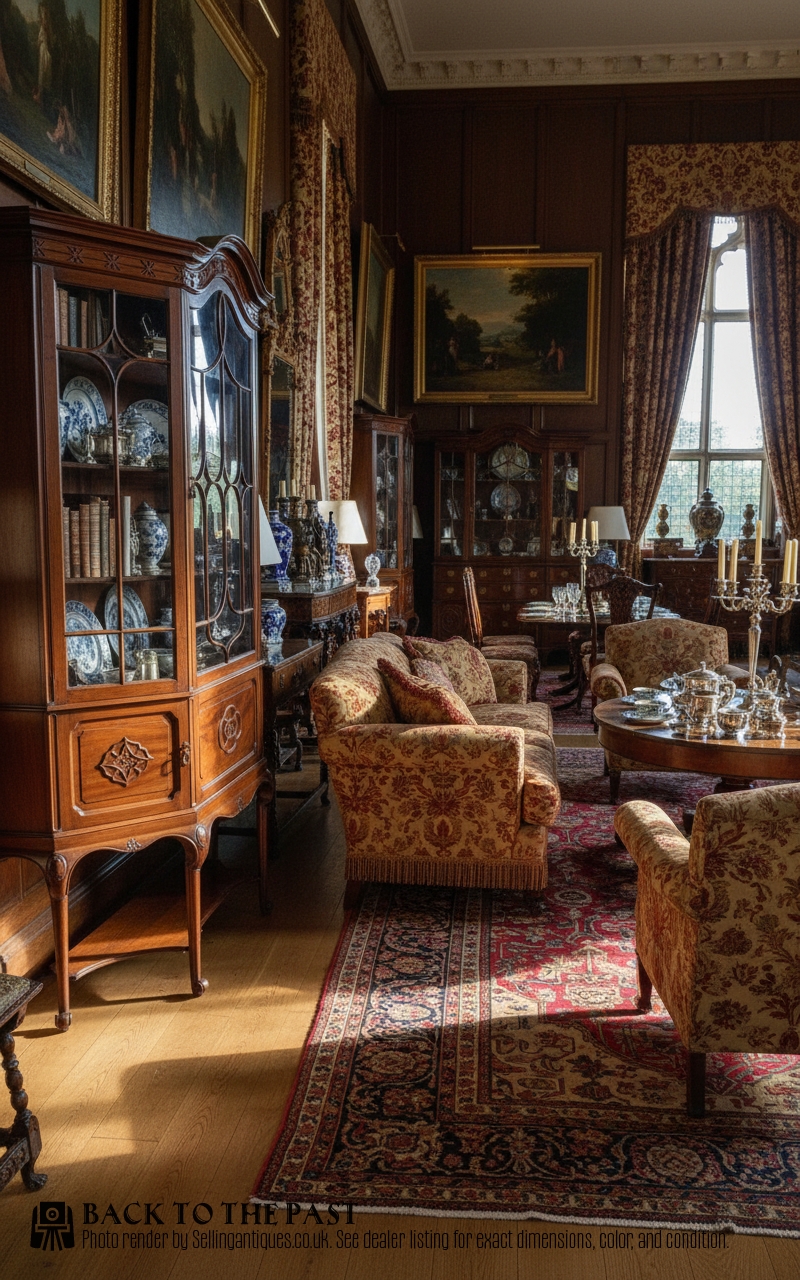
An edwardian glass cabinet typically takes the form of a freestanding display piece, a tabletop bijouterie case or a glazed bookcase designed for domestic interiors. These pieces frequently incorporate timber frames fitted with clear, leaded or curved glass panels to permit maximum visibility of the contents within.
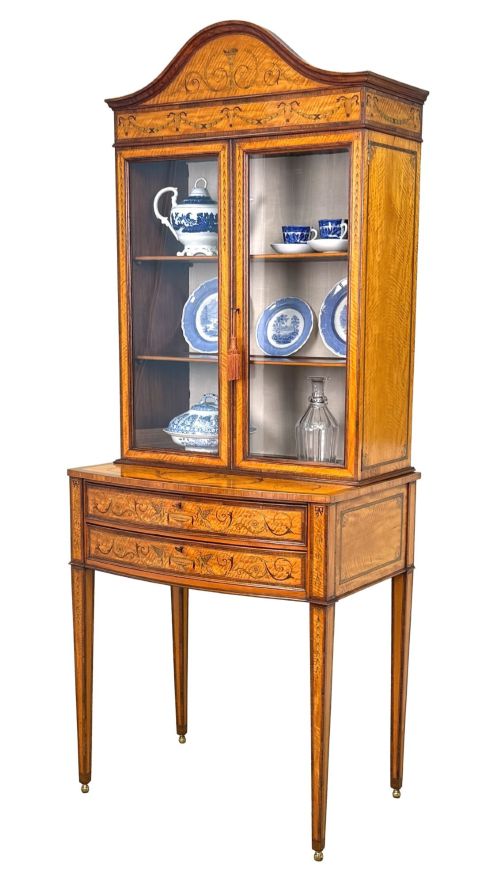
The versions most commonly met on this page originate from the early twentieth century and frequently showcase Sheraton Revival, Arts and Crafts or Chippendale Revival design influences. They serve primarily to protect and exhibit curated objects, functioning as focal points in reception rooms and libraries.
Materials and construction
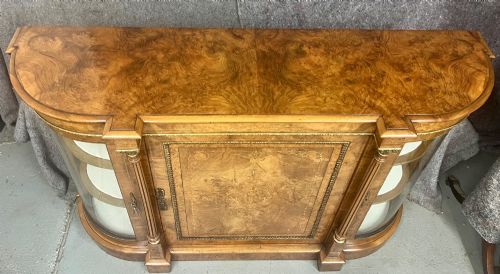
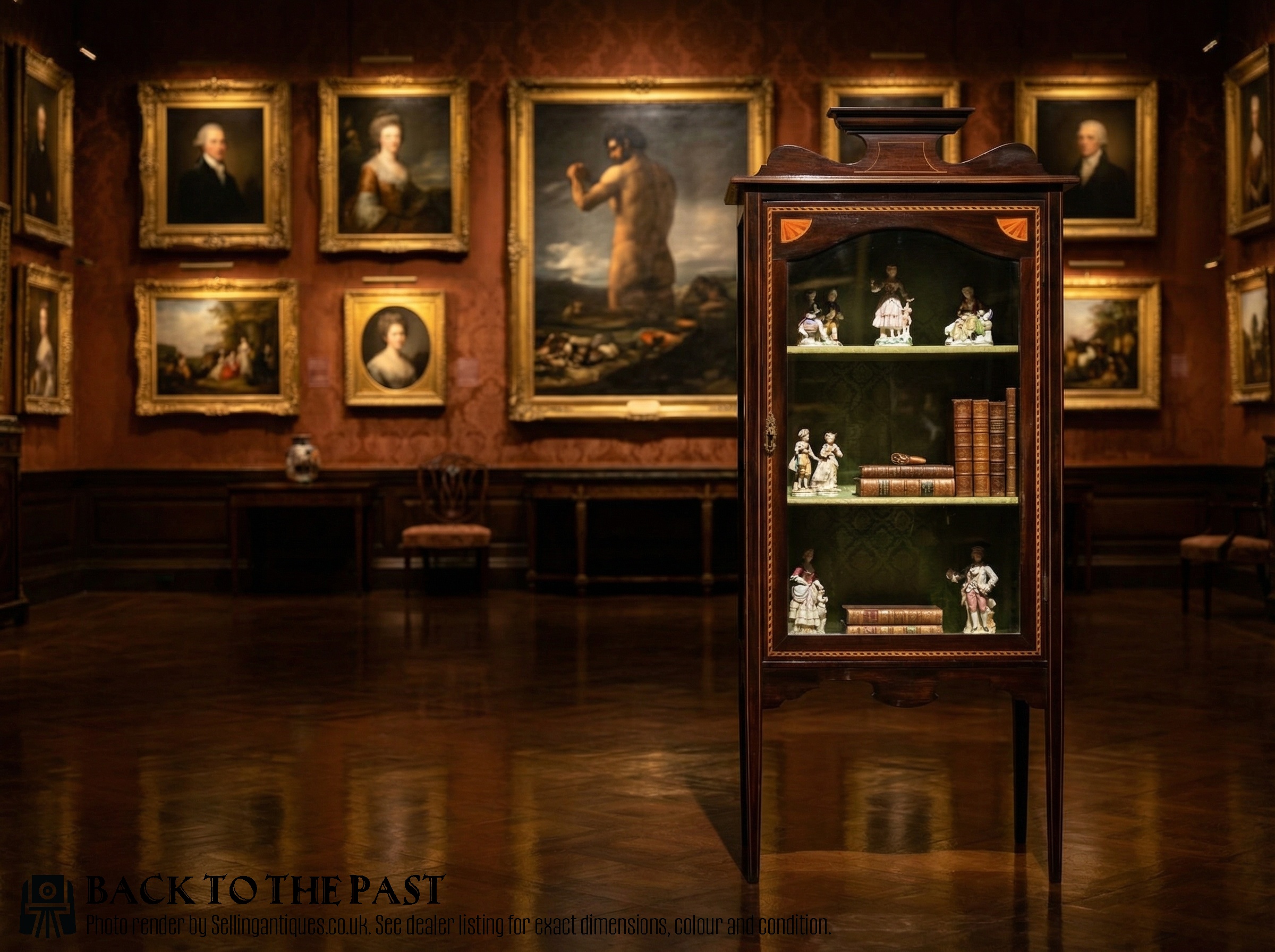
Makers constructed the primary frames using timbers such as mahogany, oak, satinwood and walnut, often applying delicate contrasting stringing and marquetry inlays. Glazing methods ranged from standard flat panes held by timber or lead cames to bent, curved and bevelled glass that required advanced specialist bending techniques.
Internal elements frequently featured fabric-lined shelving and brass hardware, while specialist retail and shop display cabinets utilised robust oak or mahogany frameworks built for commercial use.
Edwardian Glass Cabinet Retail Price Guide 2026
Typical asking prices for edwardian glass cabinet among the pieces listed under this phrase on Sellingantiques today, from the lower quarter to the upper quarter. They describe what is for sale here now, not the wider market.
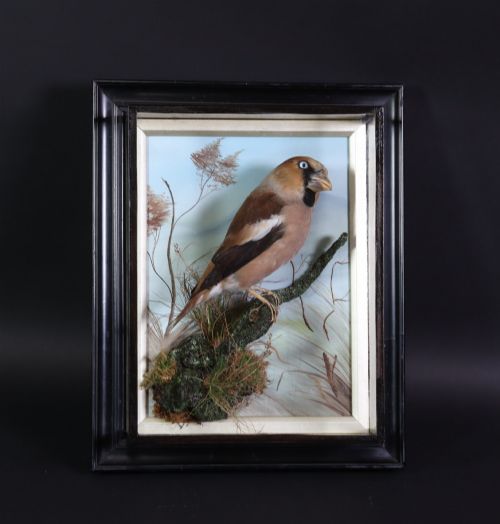
Some specimens were built to house taxidermy rabbits, proving that Edwardian tastes ran to both delicate china and stuffed fauna.
Factors determining quality
Quality rests upon the selection of timber veneers, the precision of cabinet joining, and the sophistication of decorative elements such as hand-painted details or intricate marquetry. Pieces displaying complex structural forms, such as breakfront facades or curved glass panels, demand higher levels of joinery skill.
The integrity of the original glass, the presence of matching brass fixtures, and the retention of maker signatures or retail labels further separate standard production items from master-workshop commissions.
F Sage And Co·Hampton And Sons·Edwards And Roberts·Heal And Son·James Gardner·D Hill Carter And Co
The Edwardian Glass Cabinet Glossary
- Astral glazing
- A framework of slender timber bars holding panes of glass within a door or window. This method creates a lighter visual appearance than heavy mullions.
- Bijouterie table
- A glass-topped display table specifically designed for viewing small precious items, medals or jewellery from above. They often feature hinged lids lined with velvet or silk.
- Breakfront
- A piece of furniture where the central section projects forward from the flanking outer sections. This architectural arrangement adds depth and visual interest to large display cabinets.
- Lead cames
- Flexible strips of lead used to join individual pieces of glass together in leaded windows and cabinet doors. They form geometric or artistic patterns across the glazed surface.
- Sheraton Revival
- A late nineteenth and early twentieth century design movement that reinterpreted the neoclassical furniture forms of Thomas Sheraton. It relies on satinwood veneers, painted husks and symmetrical proportions.
Edwardian Glass Cabinet: Frequently Asked Questions
What is the difference between a display cabinet and a vitrine?
A display cabinet generally refers to timber-framed shelving units with glazed doors intended for china and books. A vitrine specifically denotes a piece with extensive glass panels on multiple sides designed to let light flood in from all angles.
Both forms belong to the broader category of glazed storage, but vitrines lean heavier towards transparent exhibition rather than enclosed shelving.
How do I care for antique glass cabinets?
Maintain stable humidity levels in the room to prevent the dry timber from shrinking and putting stress on the fragile glass panels. Dust the wooden surfaces gently with a soft cloth and clean the glass using gentle, non-ammonia solutions applied to the cloth rather than sprayed directly.
Check internal fabric linings periodically, as older textiles can accumulate dust and harbour moisture that affects delicate contents.
Where were these cabinets originally placed in the home?
Edwardian households positioned these cabinets in drawing rooms, morning rooms and libraries to exhibit imported porcelain, collection pieces and fine leather-bound books. Tabletop versions sat near windows or seating areas where guests could inspect small curiosities up close.
Larger breakfront examples anchored the main walls of formal reception rooms, reflecting the era's taste for orderly display.
How can I distinguish Edwardian cabinets from Victorian ones?
Edwardian cabinets generally display lighter proportions, brighter satinwood or mahogany veneers, and a preference for restrained neoclassical or Sheraton Revival motifs. Victorian pieces tend to be heavier in scale, utilising darker polished timbers and denser, more ornate carved ornamentation.
Cabinet legs on Edwardian pieces often appear slender and tapered, whereas Victorian examples favour heavier turned supports or plinth bases.