


Vintage Book Cabinet
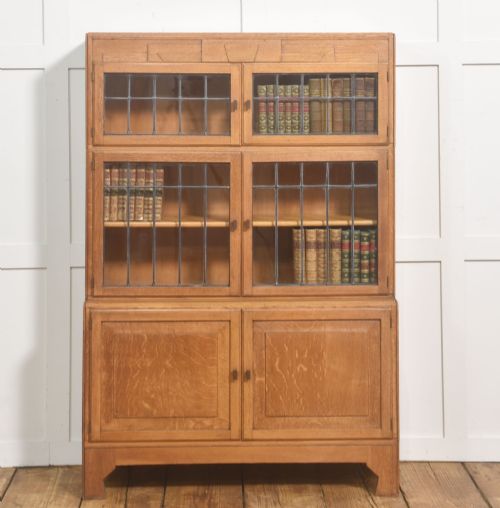
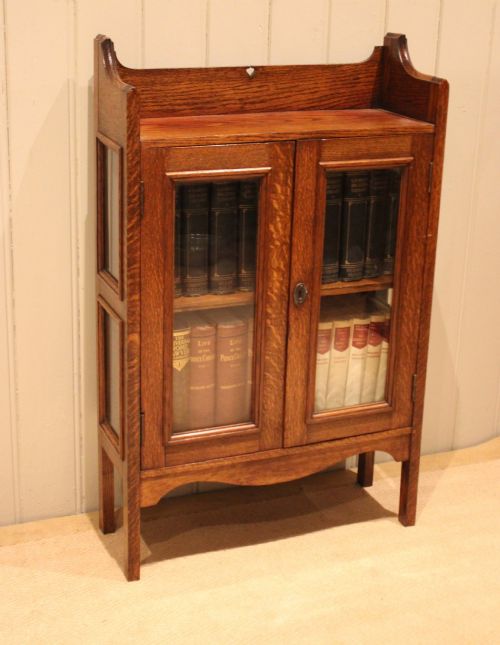
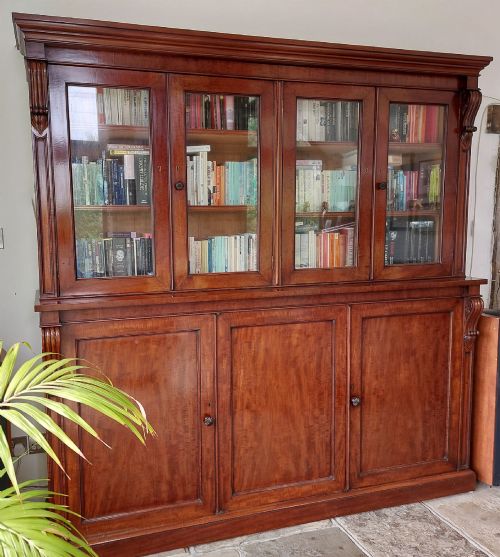
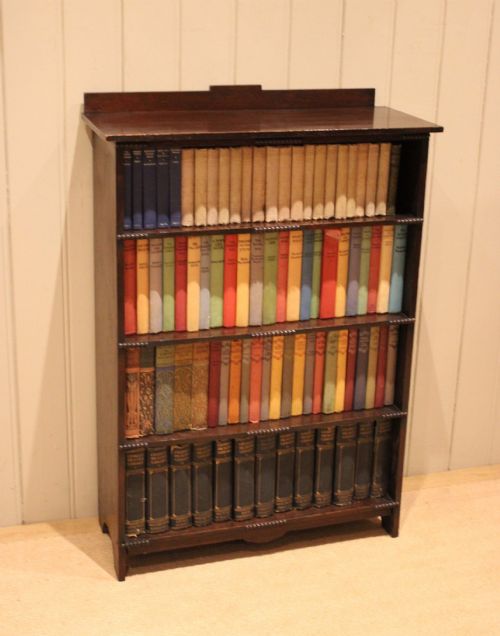
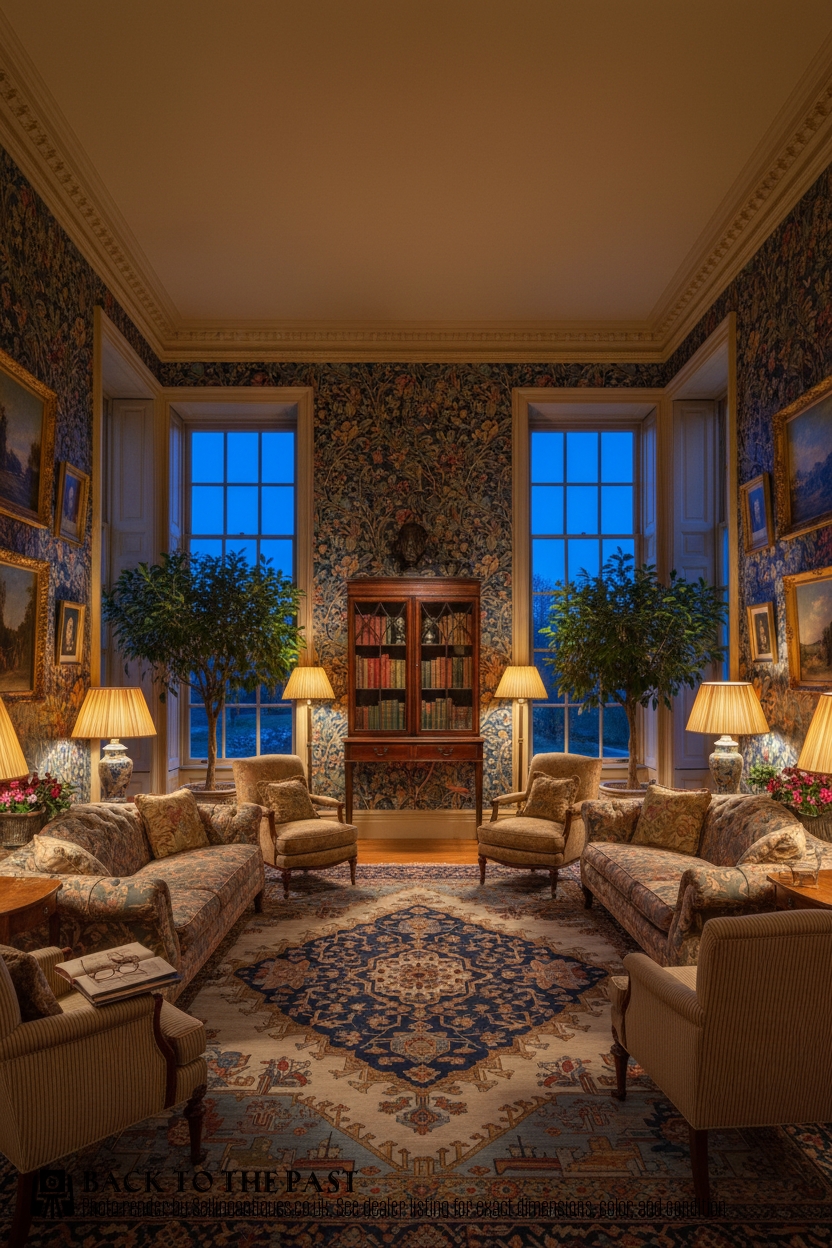
A vintage book cabinet holds volumes securely while bringing period timber and glass into a room.
Vintage Book Cabinet
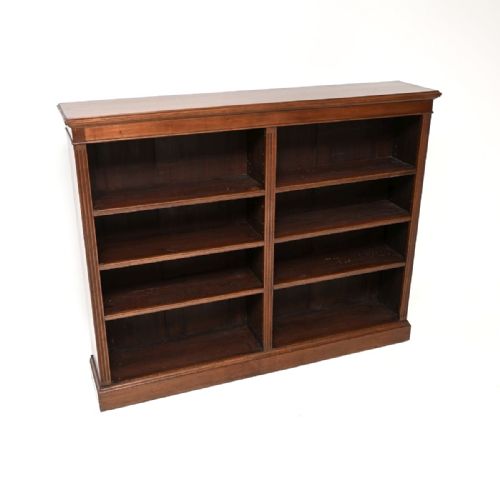
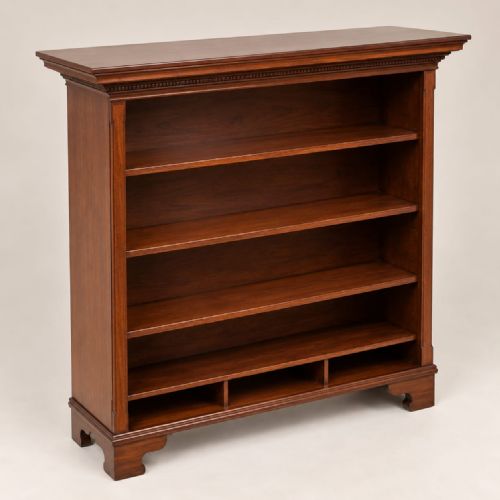
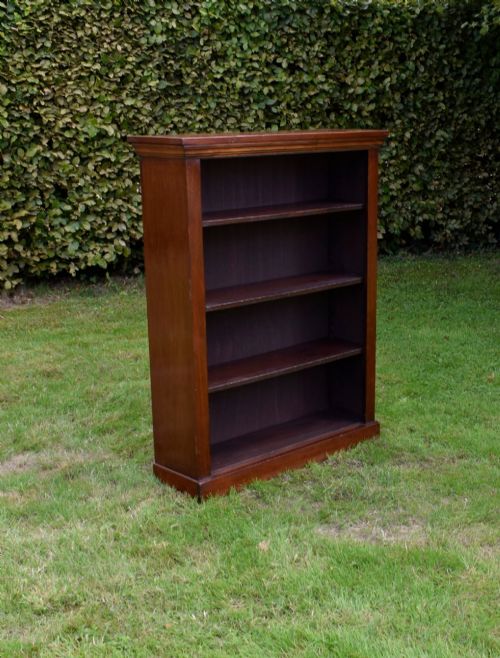
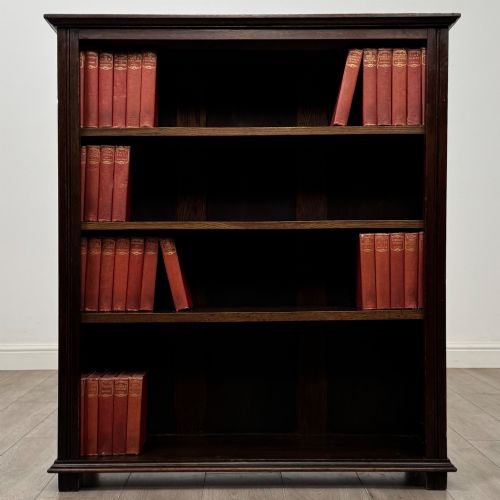
When you search for a vintage book cabinet, you encounter sturdy timber storage units designed to house libraries and display prized items. The selection ranges from compact oak pieces to large mahogany library cabinets built across the nineteenth and twentieth centuries. Open shelf designs and glazed door formats both appear frequently across the periods represented.
Victorian, Edwardian, and Art Deco examples dominate the selection, alongside items from the Regency and William IV eras. Formats include open bookcases, revolving shelves, and glazed double cabinets that protect volumes behind glass panes. These pieces served practical domestic and library functions before entering the modern marketplace.
Materials and construction methods
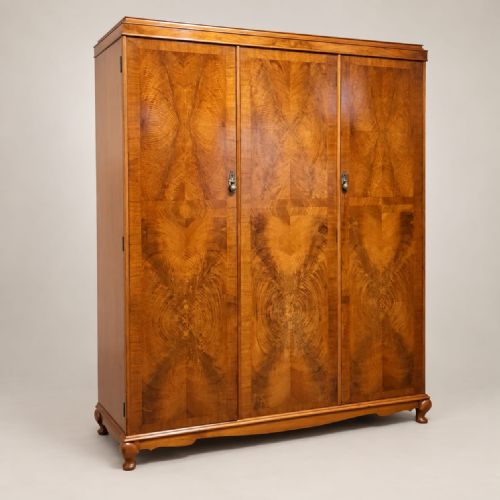
Cabinet makers utilised dense hardwoods such as mahogany, oak, walnut, and rosewood to construct these bookcases. Burr walnut and pine also feature in the construction of cabinets, tallboys, and wardrobes from various periods. Timber selection dictated the structural integrity and visual weight of each piece.
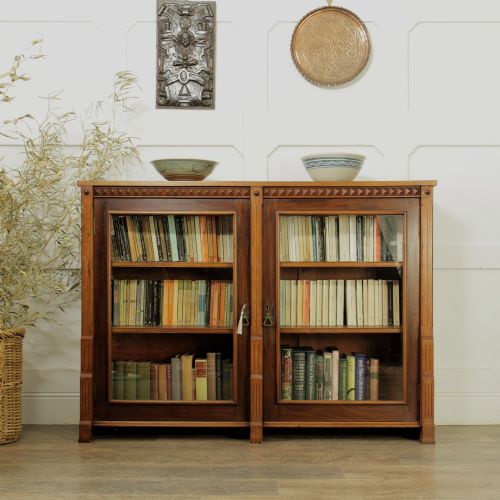
Glazing with glass panels protects books while allowing visibility, often complemented by brass hinges, handles, and locks. Certain pieces incorporate fabric linings, leather top surfaces, and adjustable wooden shelving. Joinery techniques varied from simple nailed panels to finer dovetail construction in drawers and carcases.
Vintage Book Cabinet Retail Price Guide 2026
Typical asking prices for vintage book cabinet among the pieces listed under this phrase on Sellingantiques today, from the lower quarter to the upper quarter. They describe what is for sale here now, not the wider market.
Revolving bookcases let you spin your entire library with one gentle push.
Distinctions in craftsmanship and condition
The standard of a vintage book cabinet depends heavily on timber selection and the precision of its joinery. Solid mahogany or figured burr walnut constructions reflect higher manufacturing ambitions than utility pieces built from secondary woods. The presence of original brass hardware and undamaged glass further separates better examples.
Proportion and decorative restraint dictate visual appeal across different revival styles. Pieces featuring clean carved detailing, well-fitted doors, and sound structural timber command greater attention than heavily altered or degraded items. Original finishes and patination accumulated over decades signal careful preservation.
The Vintage Book Cabinet Glossary
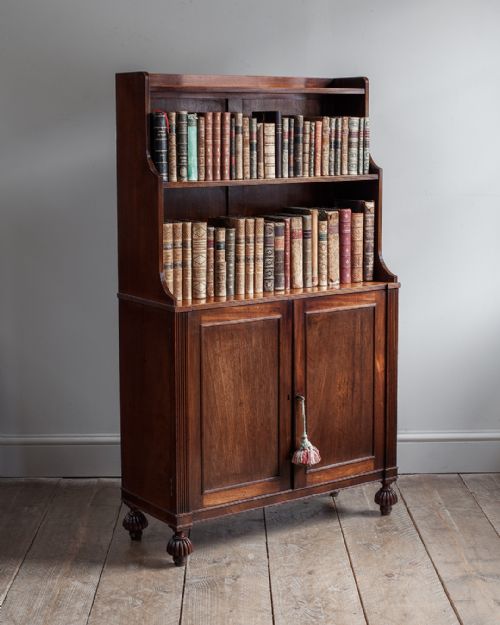
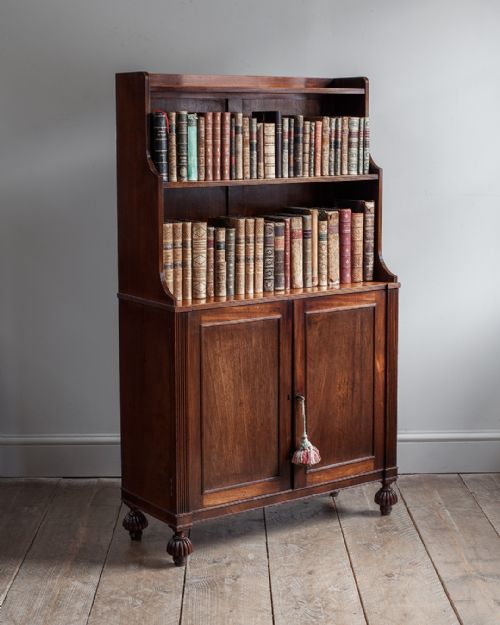
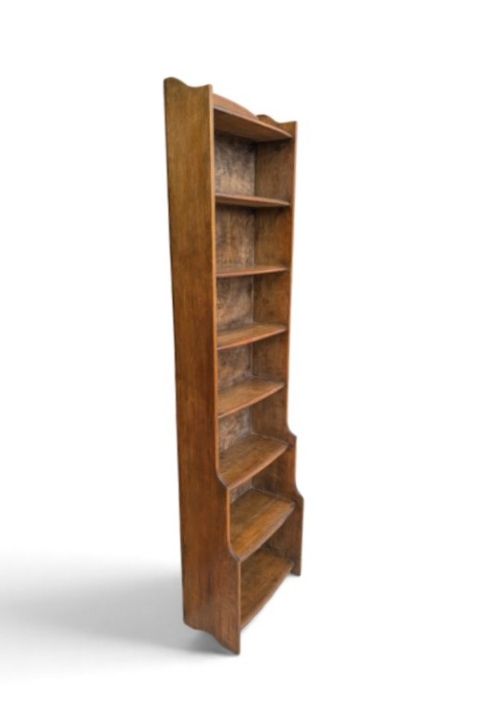
- Waterfall bookcase
- A set of open shelves diminishing in depth from bottom to top, often constructed in mahogany or oak during the Edwardian and Regency periods.
- Secretaire bookcase
- A tall cabinet incorporating a pull-down writing drawer with internal pigeonholes and small drawers, positioned above lower shelving or doors.
- Barristers stacking bookcase
- A modular shelving unit composed of separate sections with upward-lifting glass doors, designed to be stacked vertically.
- Revolving bookcase
- A small, freestanding set of shelves mounted on a rotating pivot base to allow access to books from any angle.
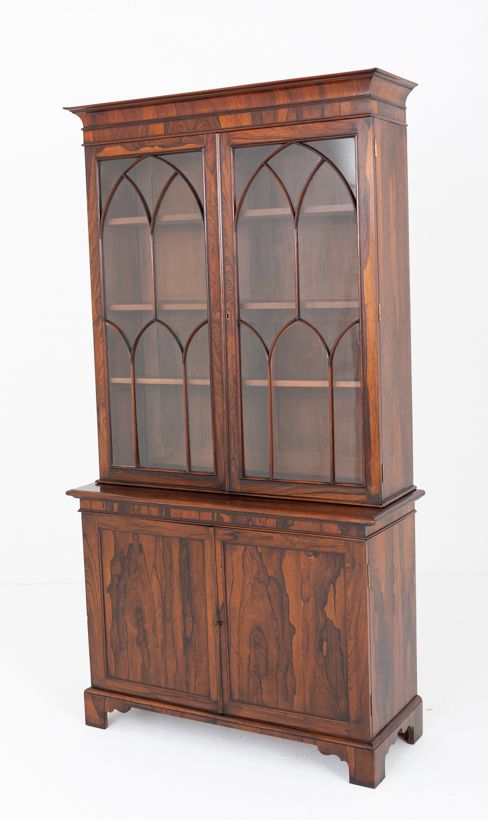
- Glazed bookcase
- A timber cabinet featuring glass-fronted doors that keep dust away from books while displaying the bindings.
Vintage Book Cabinet: Frequently Asked Questions
What is a vintage book cabinet?
A vintage book cabinet is a wooden furniture piece built to store and protect books, often featuring glass doors or open shelving.
These pieces originate from periods spanning the nineteenth and twentieth centuries, utilising timbers like mahogany, oak, and walnut.
How do I date a book cabinet?
Dating relies on identifying the prevailing style, construction timber, and hardware associated with specific periods like Victorian, Edwardian, or Art Deco.
Details such as dovetail joints, glass types, and decorative motifs help narrow down the decade of manufacture.
Are shelves usually adjustable?
Many larger bookcases and cabinets feature adjustable shelving supported by wooden ratchets, metal pegs, or vertical slots.
Simpler or older open bookcases often contain fixed shelves secured directly into the side panels.
How should I care for timber?
Maintain timber book cabinets by keeping them away from direct sunlight and sudden temperature changes that cause wood to crack.
Apply suitable wax polish sparingly to nourish the grain without building up heavy residues over time.