

French Style Vitrine
A french style vitrine brings glass display together with ornate cabinetry for showcasing prized possessions.

French Style Vitrine
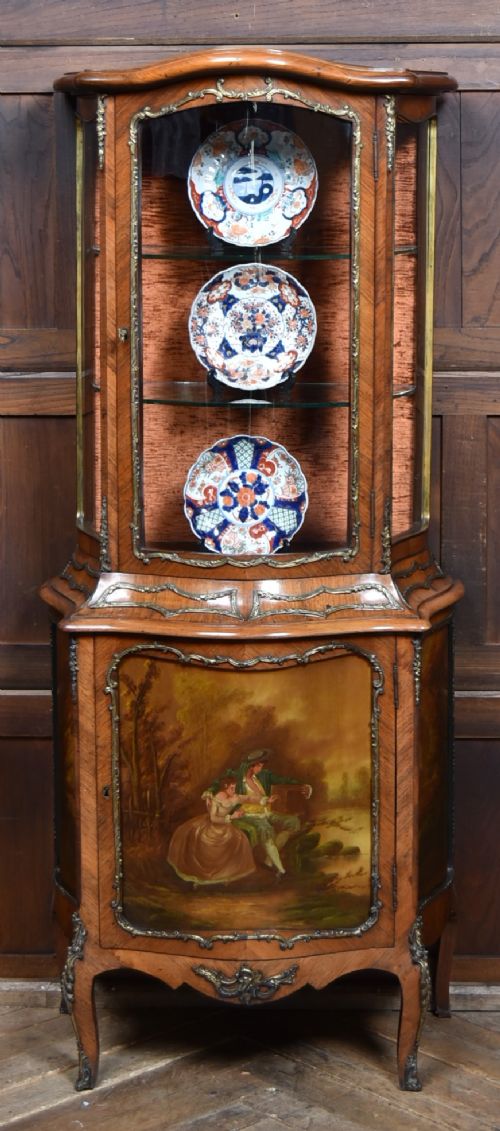
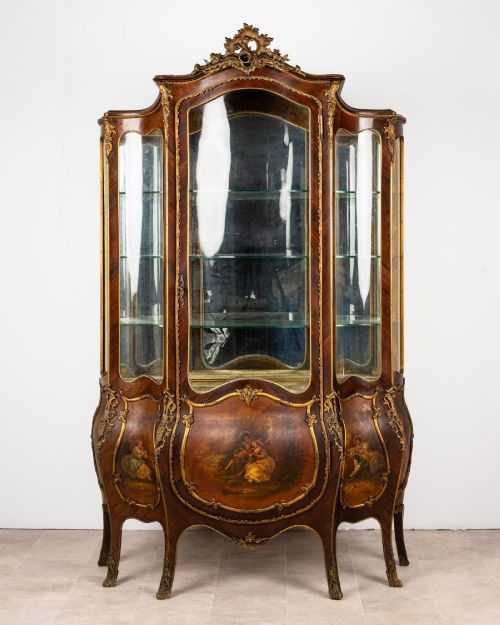
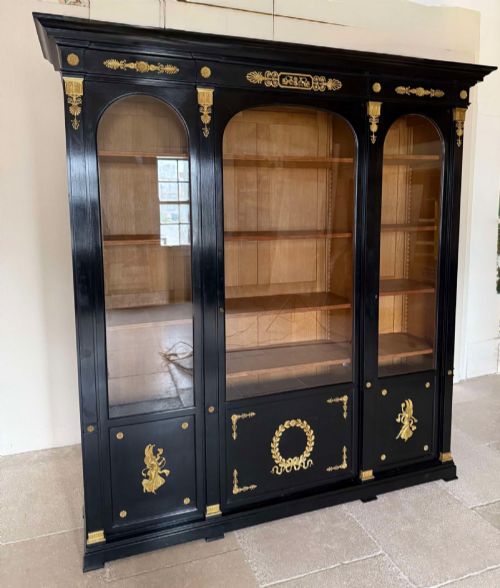
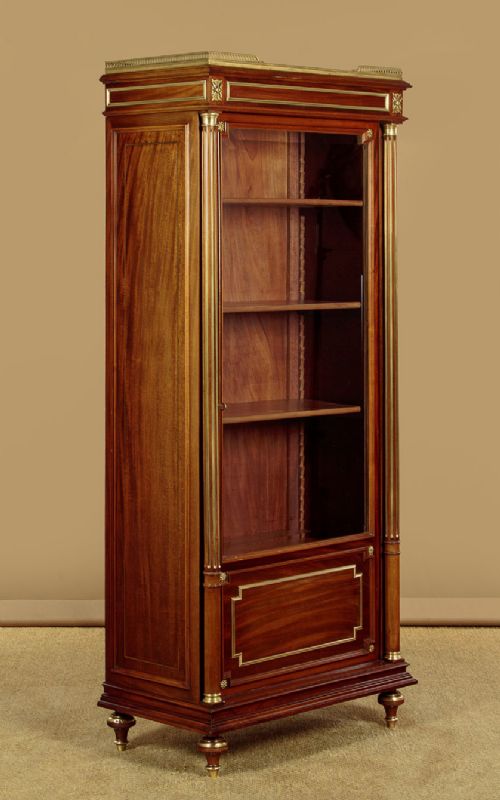
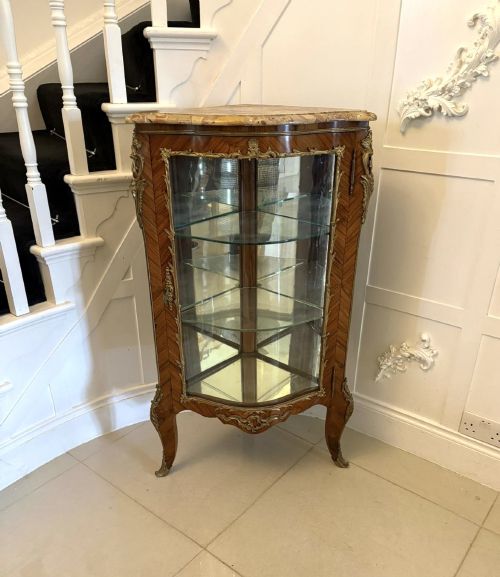
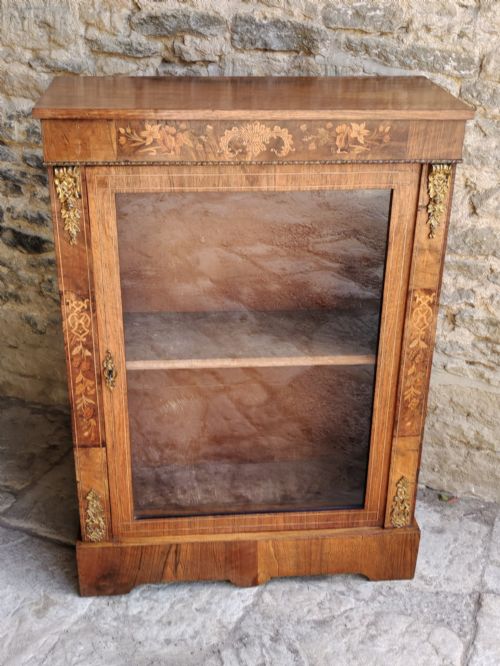
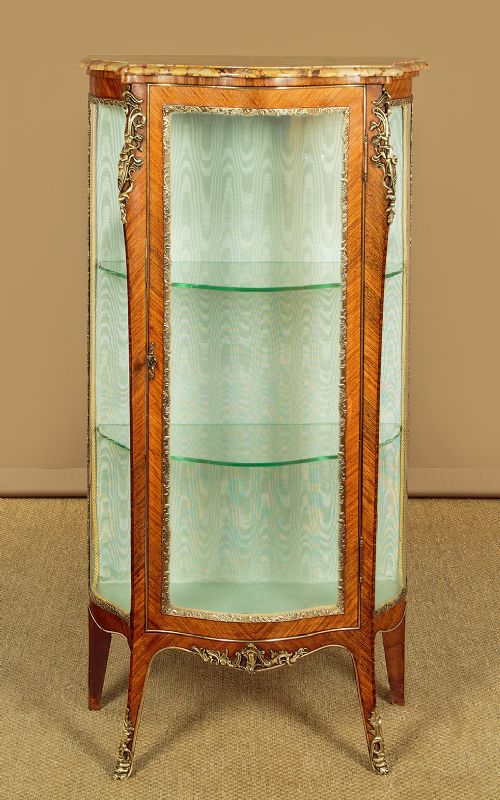
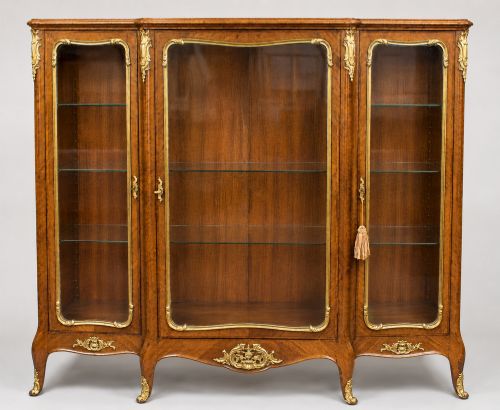
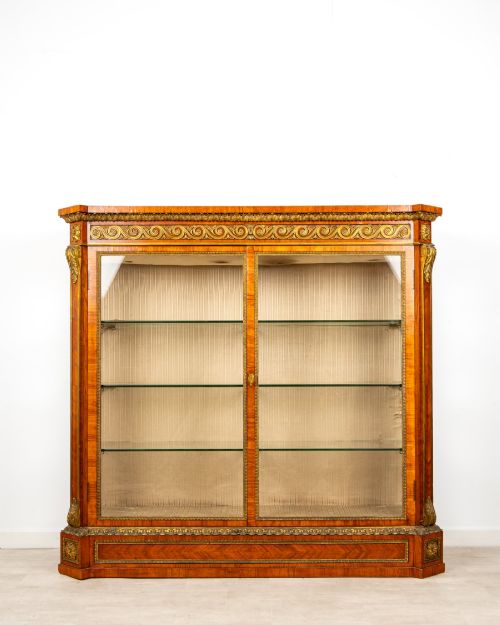
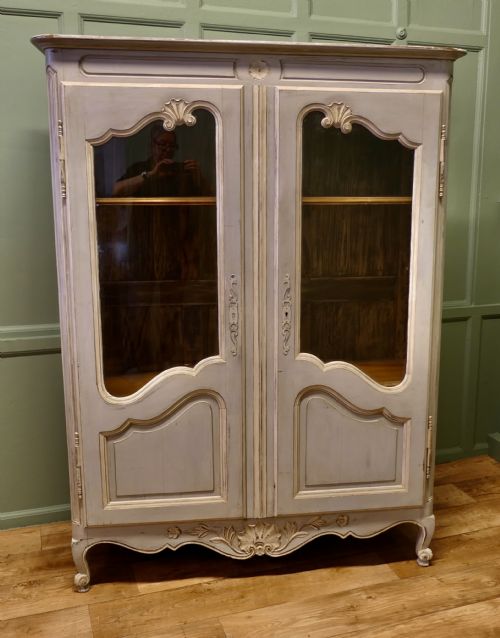
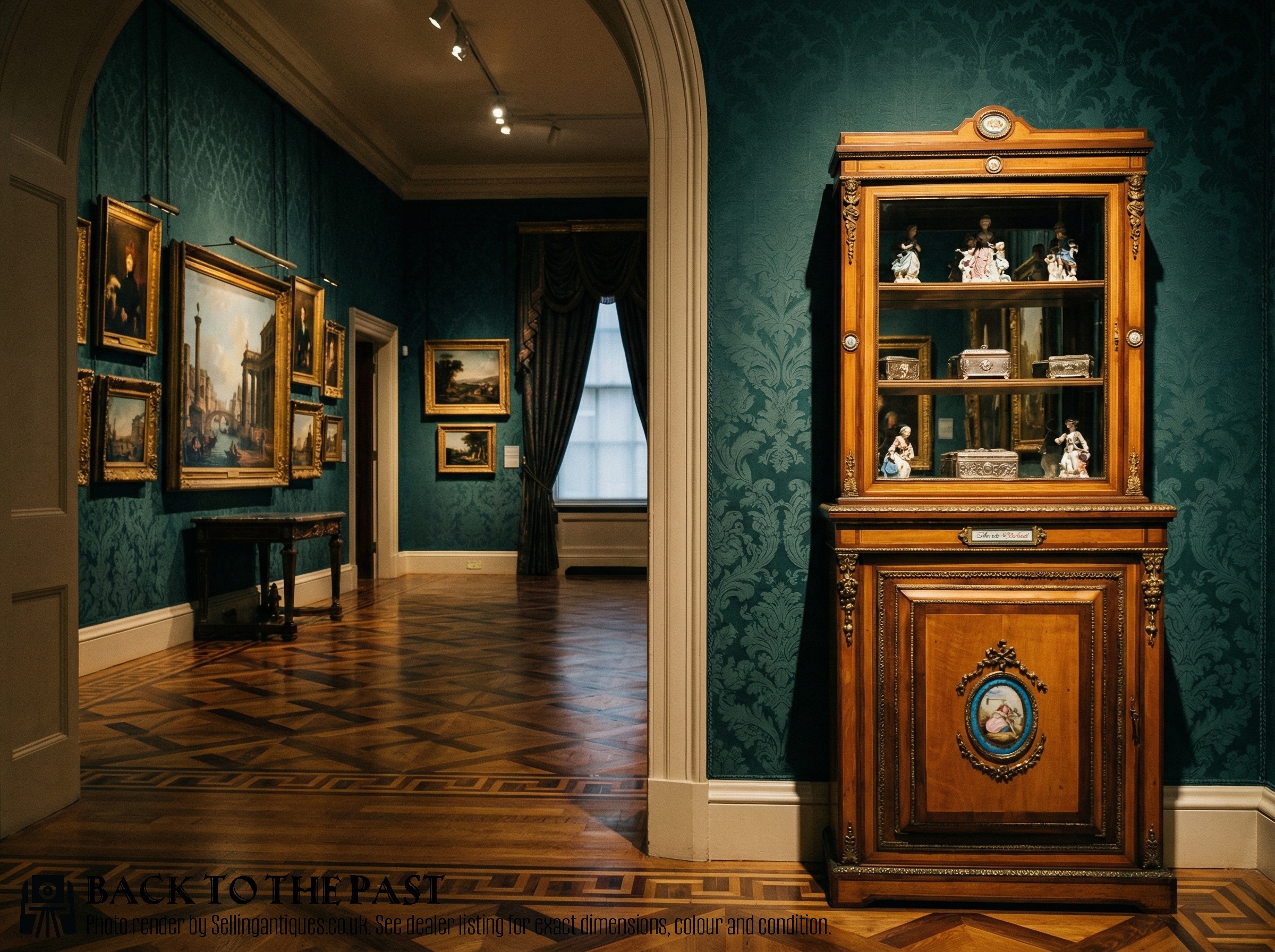
A french style vitrine is a glazed display cabinet designed to show ceramics, glassware, and small ornaments behind glass panels and doors. You will frequently encounter nineteenth-century pieces finished in revival styles like Louis XV and Louis XVI alongside Edwardian examples.
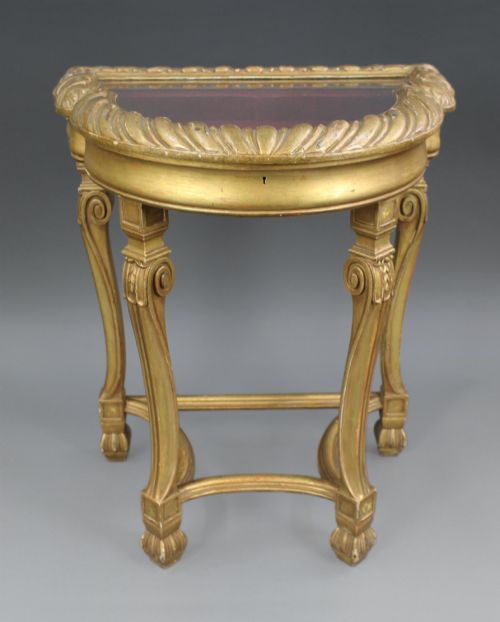
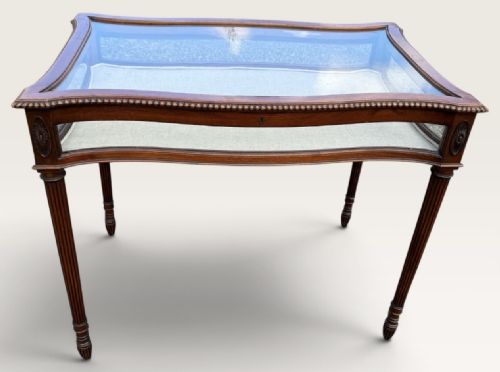
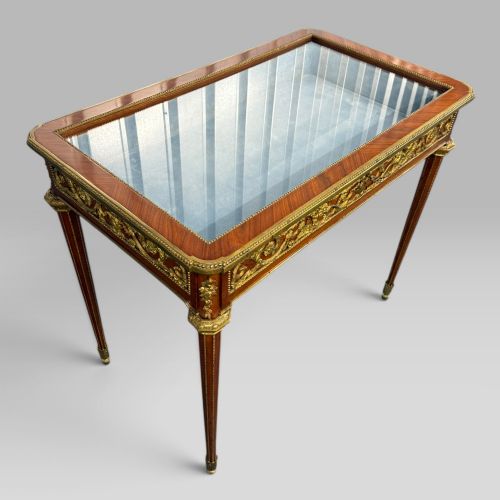
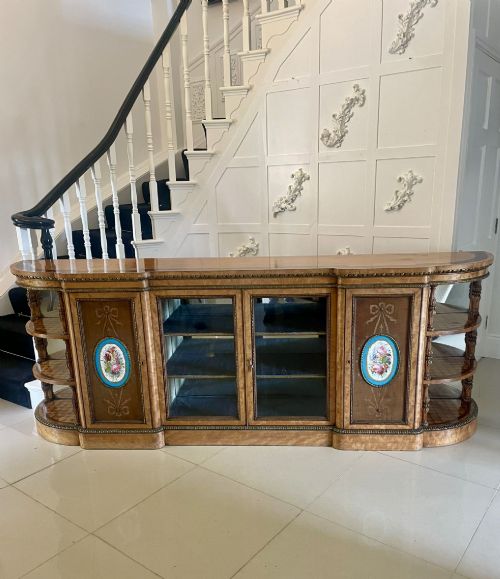
The form spans tall freestanding display cabinets, corner units, wall-hanging vitreens, and low glass-topped bijouterie tables. Cabinets often incorporate glazed sides to let light flood the interior shelves where collections sit.
Materials and Construction
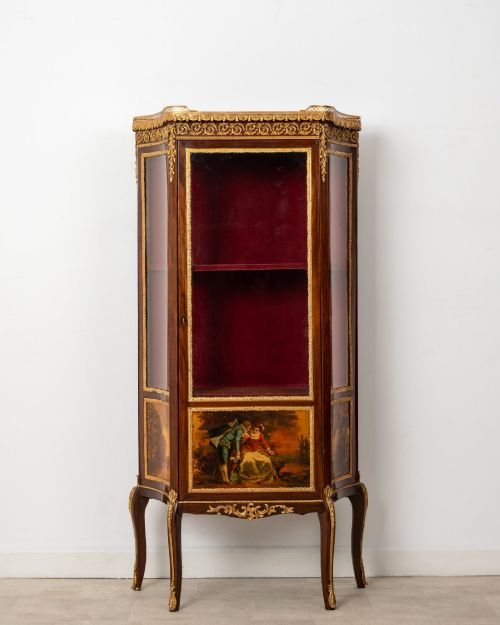
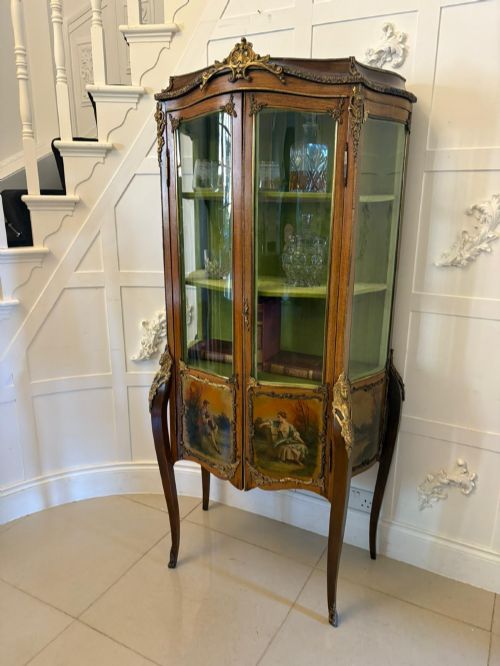
Carpenters built carcass frames from hardwoods like mahogany, walnut, and satinwood, frequently applying veneers of kingwood or marquetry patterns. Cabinets from the period often feature elaborate parquetry alongside hand-painted Vernis Martin panels depicting pastoral scenes.
Gilt-bronze or ormolu mounts accentuate the structural lines, while cast brass hardware secures the glazed doors. Marble slabs frequently top the lower cabinets, providing a durable surface above the timber base.
French Style Vitrine Retail Price Guide 2026
Typical asking prices for french style vitrine among the pieces listed under this phrase on Sellingantiques today, from the lower quarter to the upper quarter. They describe what is for sale here now, not the wider market.
Listings feature mahogany, kingwood, and walnut carcasses enhanced by marble tops and ormolu mounts.
Distinctions in Quality
Quality rests upon the crispness of the cast ormolu mounts and the precision of the marquetry inlays across the timber surfaces. Pieces associated with notable makers demonstrate superior handling of gilt-bronze chasing and finely matched wood veneers.
The weight and clarity of the glass panels, the thickness of the marble tops, and the stability of serpentine or bomb-shaped carcasses differentiate standard production items from exceptional workshop commissions.
François Linke·H. J. Hatfield & Sons·Paul Sormani·Lampre
The French Style Vitrine Glossary
- Ormolu
- Gilt-bronze decorative mounts applied to furniture. This technique involves gilding a bronze base with finely ground gold.
- Vernis Martin
- A type of simulated Japanese lacquer developed in France. Artisans applied successive coats of varnish to create translucent painted panels.
- Marquetry
- Decorative patterns formed by fitting small pieces of veneer into wooden panels. Cabinetmakers use contrasting timbers to picture floral or geometric designs.
- Bijouterie table
- A low display table with a glazed top and sides. These pieces were designed for viewing small valuables and jewellery.
- Serpentine
- A furniture shape featuring a undulating front line. The curved woodwork swells and recedes in a gentle S-shape.
French Style Vitrine: Frequently Asked Questions
What is a vitrine used for?
A vitrine served primarily to protect and display fragile collections of porcelain, glassware, and decorative art objects. The glass panels allowed owners to exhibit their valuables safely while keeping dust away from delicate surfaces.
Over time, these cabinets became central decorative furniture pieces in formal drawing rooms and parlours. They combined practical storage with the aesthetic display of refined possessions.
How do you style a vitrine?
Styling involves arranging collections of similar items on the interior shelves, balancing heights and materials to avoid visual clutter. Grouping ceramics or glassware by colour and era creates a cohesive display behind the glass.
Interior velvet or fabric linings provide a soft background that enhances metallic and ceramic objects. Adequate lighting, either through glass sides or internal fittings, helps illuminate the displayed items.
How do you identify a Louis XV style piece?
Louis XV style furniture is characterised by asymmetrical curves, cabriole legs, and naturalistic scrollwork. Makers utilised rococo motifs, including acanthus leaves and floral marquetry, to soften straight structural lines.
Ormolu mounts on these pieces typically echo flowing organic shapes. The timber frames often feature serpentine outlines and bombe contours that mimic eighteenth-century French originals.