

Art Nouveau Cabinet
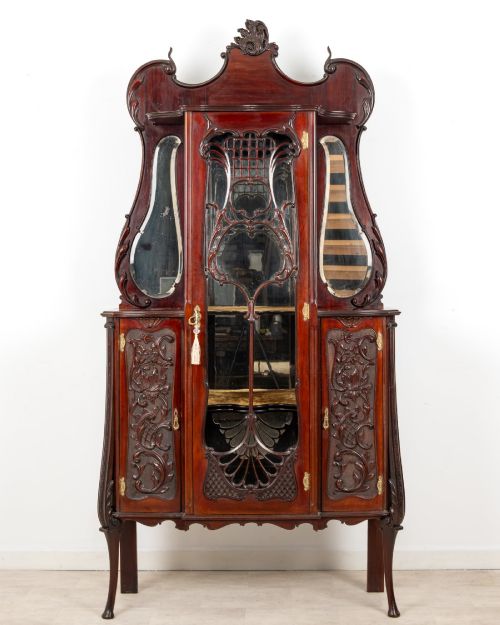
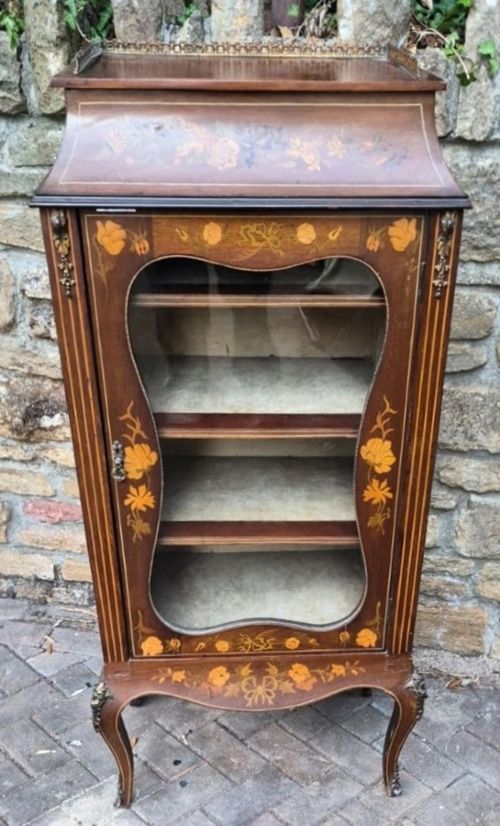
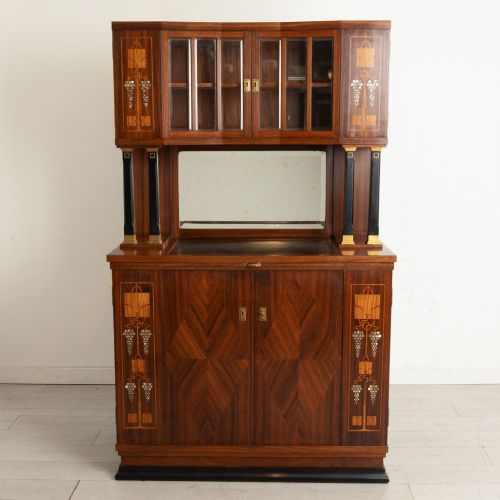
An art nouveau cabinet brings flowing organic lines and fine naturalistic marquetry into a room, offering both practical storage and distinctive decorative presence.
Art Nouveau Cabinet
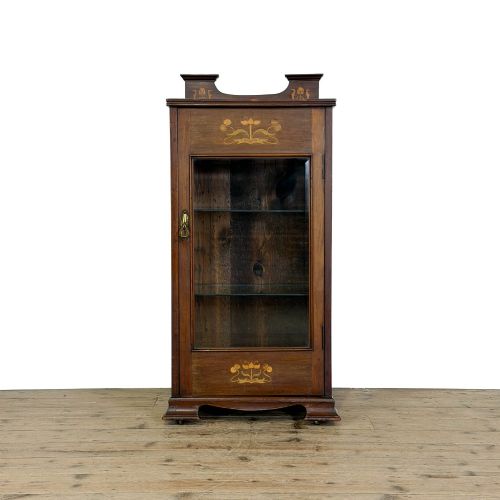
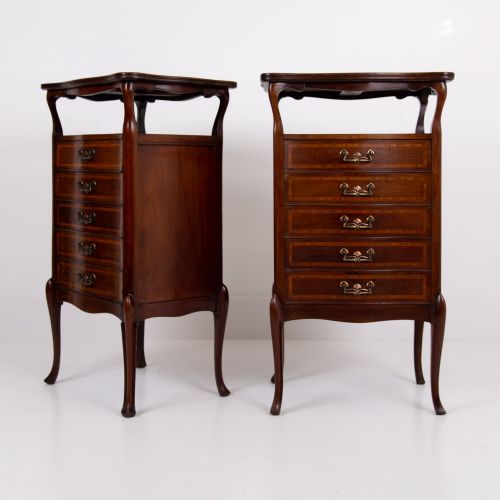
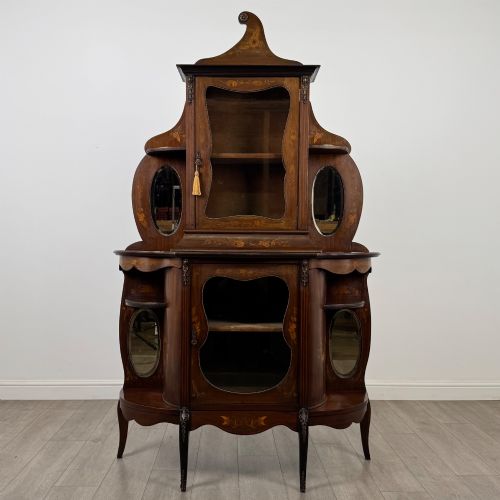
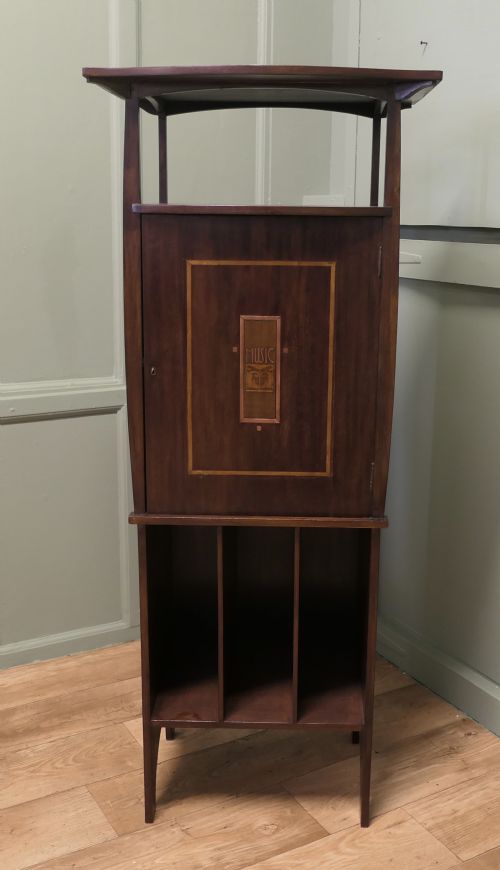
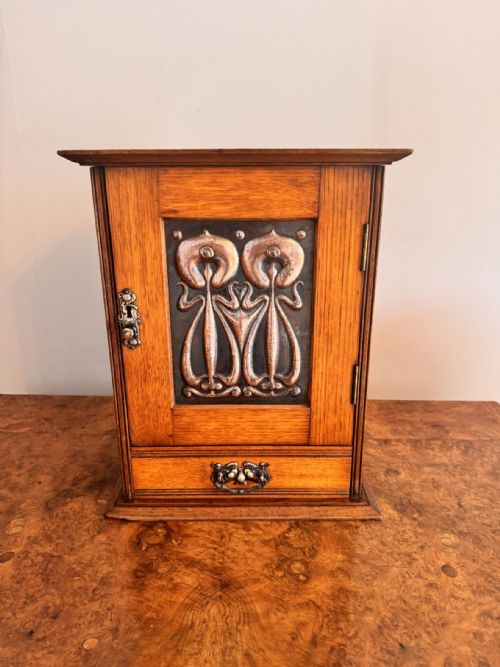
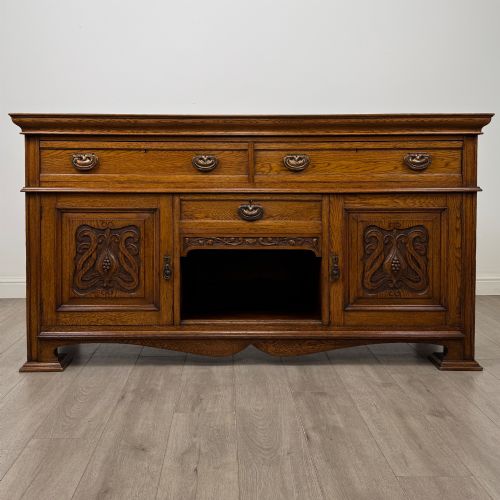
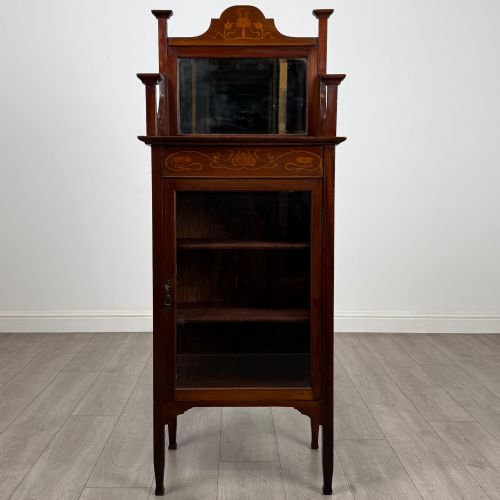
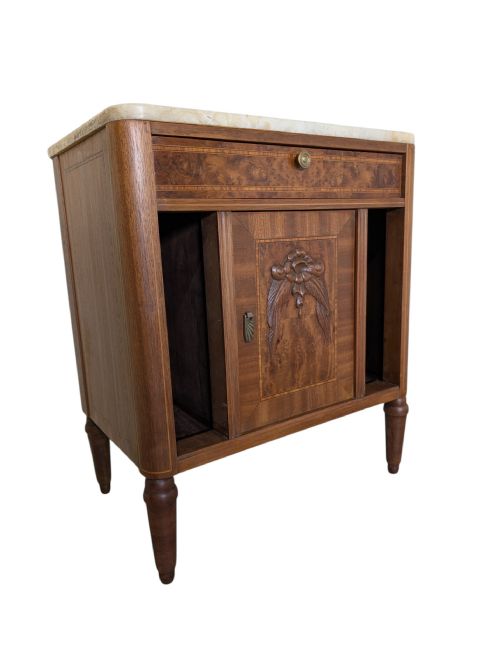
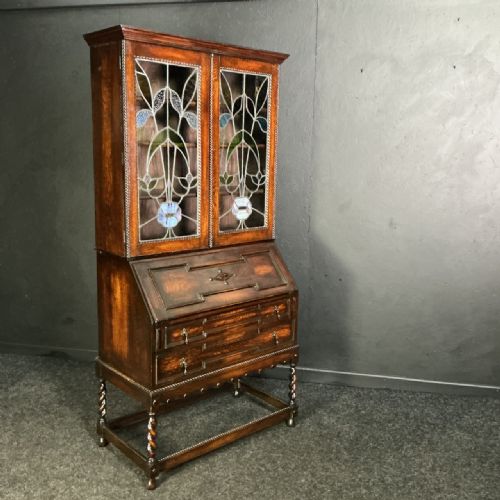
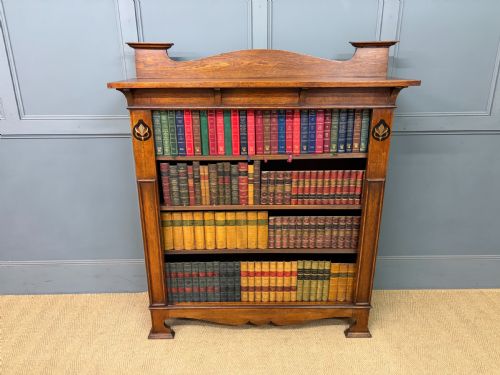
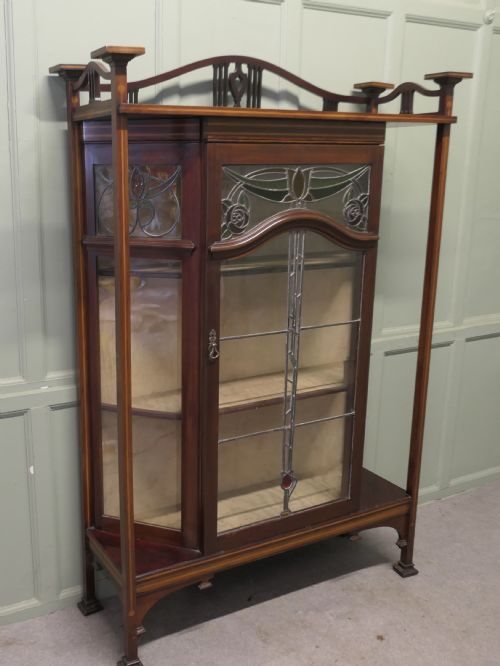
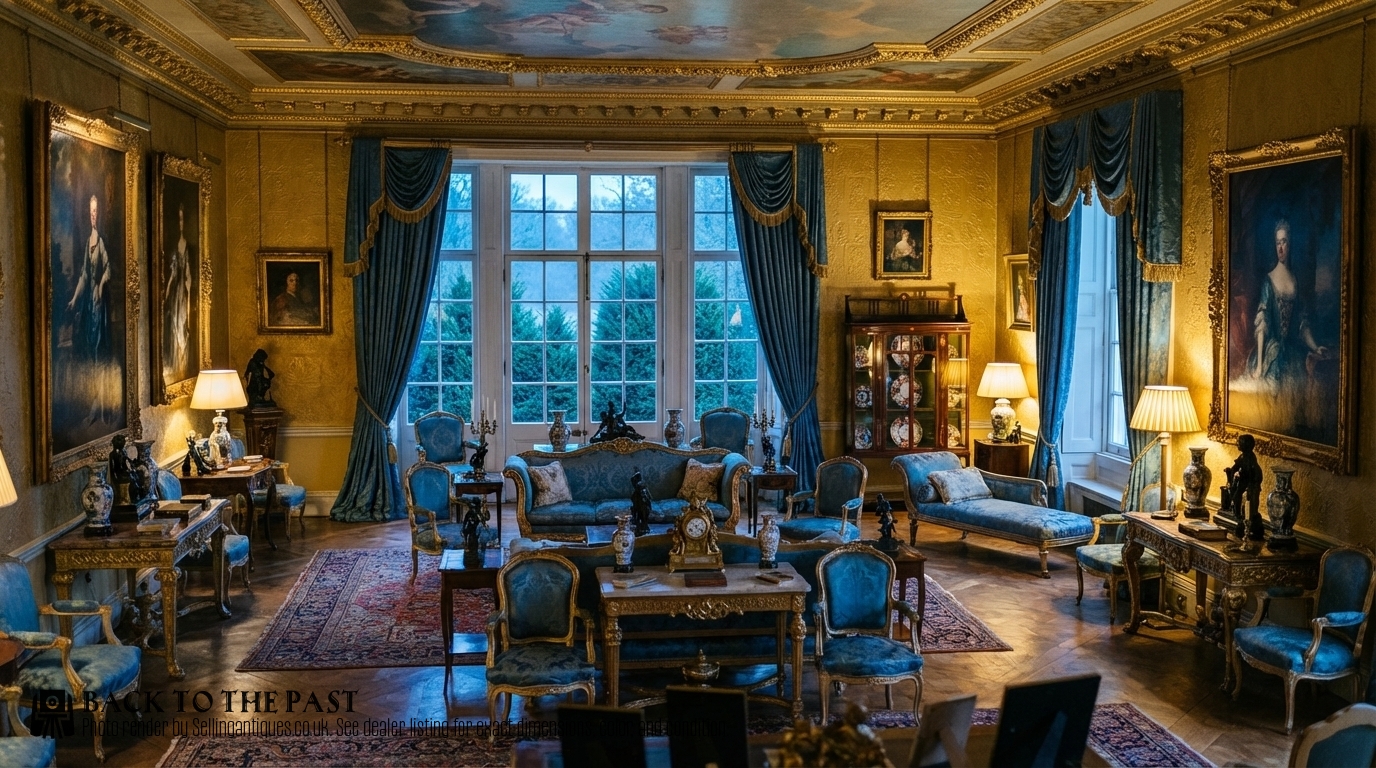
When you search for an art nouveau cabinet, you encounter a diverse range of domestic furniture forms spanning display cabinets, sideboards, bedside cabinets, and music cabinets originating from the late nineteenth century and the early twentieth century.
The versions met most frequently on this page are mahogany display cabinets and oak sideboards bearing characteristic inlaid motifs, alongside smaller pieces such as bedside cupboards and music sheet cabinets.
Makers and retailers from Britain, France, and Austria shaped these forms, reflecting periods from Victorian and Edwardian times through to nineteen-twenty.
How they were made
Carpenters utilised timbers such as mahogany, oak, walnut, and satinwood, often shaping them into bow fronts, curved corners, and integrated panels.
Decoration relied heavily on intricate wood inlay, marquetry, and pokerwork, complemented by brass hardware, leaded glass, and occasionally copper elements.
Art Nouveau Cabinet Retail Price Guide 2026
Typical asking prices for art nouveau cabinet among the pieces listed under this phrase on Sellingantiques today, from the lower quarter to the upper quarter. They describe what is for sale here now, not the wider market.
Listings feature items spanning from eighteen-eighty through to nineteen-twenty, encompassing Victorian, Edwardian, and Arts and Crafts movements.
What varies in quality
The calibre of a piece rests in the precision of its joinery, the depth and execution of its carved or inlaid botanical motifs, and the integrity of its original glass and metal mounts.
Design attribution to known workshops or retailers elevates a piece, as does the retention of original surfaces, fitted interiors, and matching pairs.
GM Elwood for JS Henry·Shapland and Petter·August Ungethüm·Maple and Co·Liberty London·Gustave Serrurier Bovy·Thomas Gurney
The Art Nouveau Cabinet Glossary
- Marquetry
- Decorative woodwork where pieces of veneer are fitted into a background to form intricate pictorial designs. This technique frequently portrays floral and whiplash plant motifs characteristic of the period.
- Pokerwork
- The art of decorating wood by burning designs with a heated metal point. It creates shaded, sepia-toned linear patterns on panels and small cupboards.
- Secretaire
- A cabinet or desk featuring a pull-down writing flap that conceals small drawers and pigeonholes. It combines storage with a dedicated writing surface.
- Secessionist
- A style associated with the Viennese movement that favoured geometric austerity alongside organic curves. It represents a distinct continental approach to design.
Art Nouveau Cabinet: Frequently Asked Questions
Where were these cabinets placed originally?
These pieces served varied functions across the home, from displaying porcelain in a drawing room to holding sheet music in a parlour or storing bedside essentials.
Larger sideboards and display pieces anchored dining and living spaces, while compact music cabinets and bedside versions suited smaller private rooms.
How do I identify the period of a cabinet?
Dating relies on combining the timber choice, construction methods, and stylistic cues such as floral marquetry or geometric framing.
Purchasers look to overlapping movements like Arts and Crafts, Victorian, and Edwardian eras, which all contributed distinct interpretations to the domestic interior.
Are these pieces suitable for modern homes?
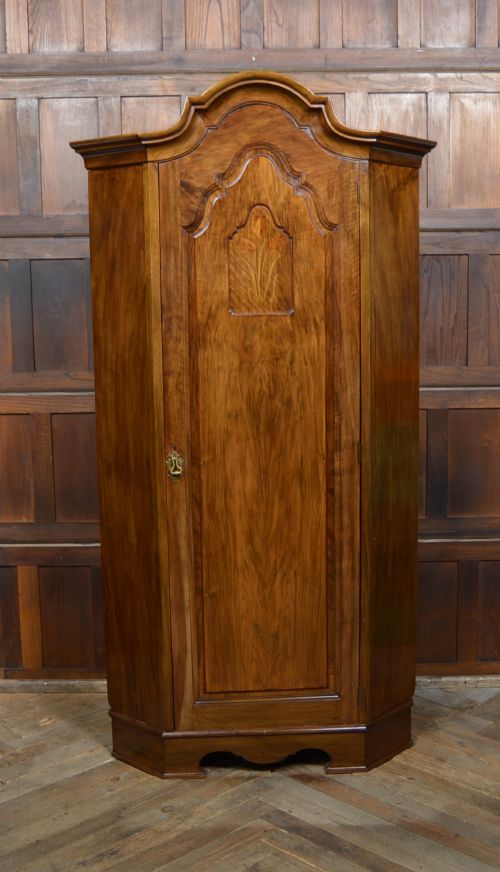
Their varied scales, ranging from wall-mounted cupboards to tall bookcases and wardrobes, allow them to fit contemporary room layouts easily.
They offer functional storage while introducing tactile warmth and distinct decorative character through natural wood grains and stylized floral details.
What defines the continental style?
Continental examples from makers in France and Austria often exhibit bolder whiplash curves, specialised metal mounts, and distinct architectural proportions.
These pieces frequently showcase a lighter use of marquetry alongside characteristic organic brass handles and hinges.