

Art Nouveau Furniture
Art nouveau furniture brings flowing botanical lines and organic forms directly into domestic spaces, offering buyers distinct character and period craftsmanship.
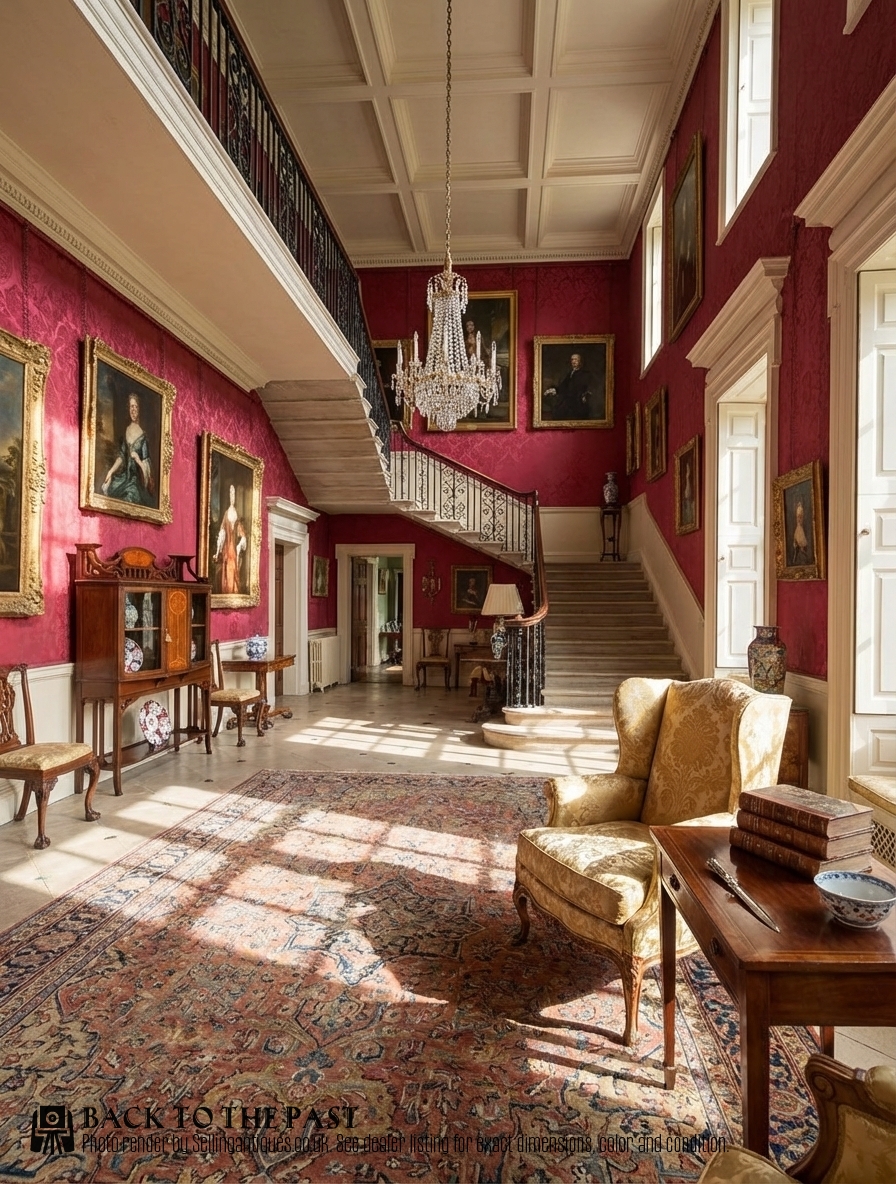
Art Nouveau Furniture
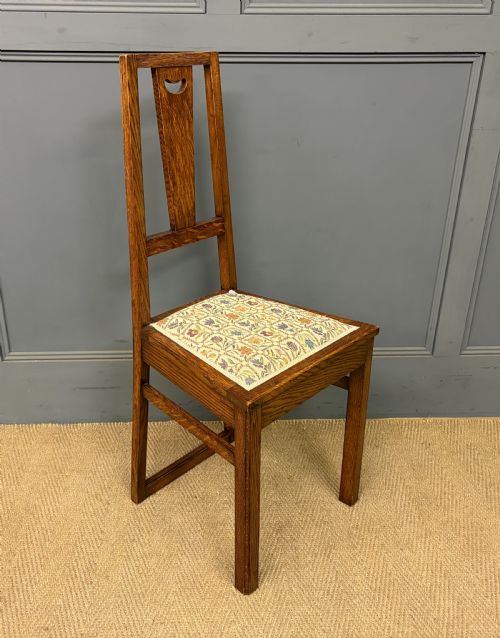
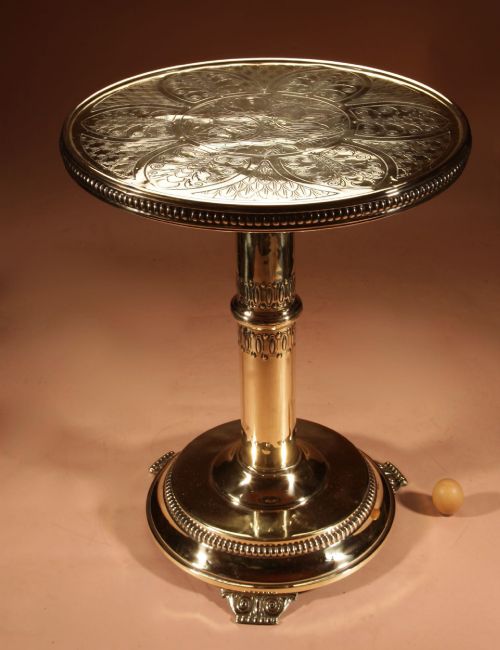
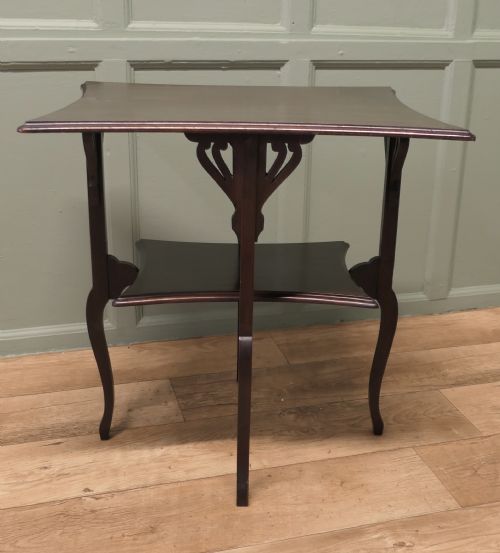
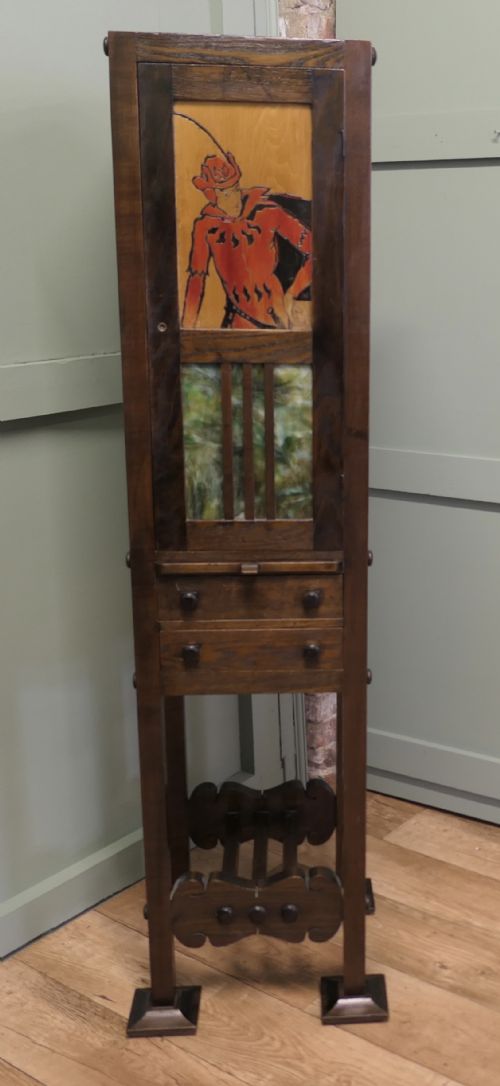
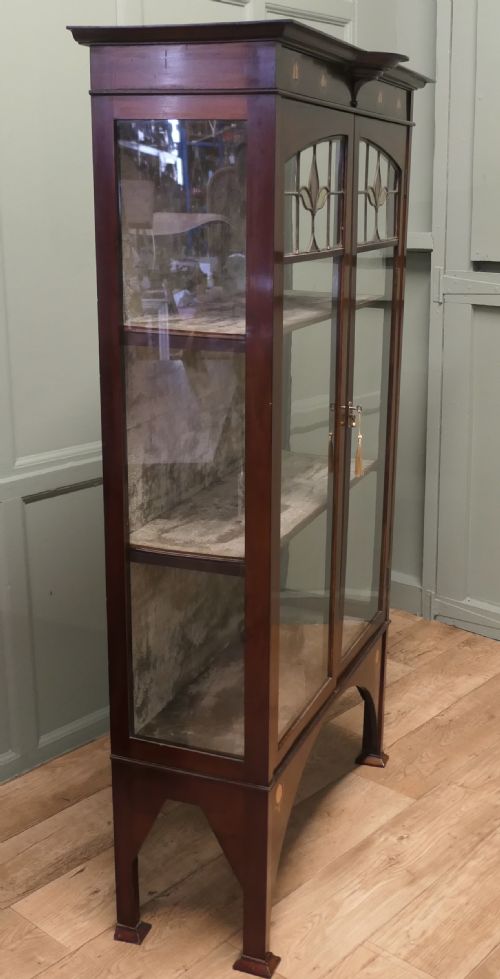
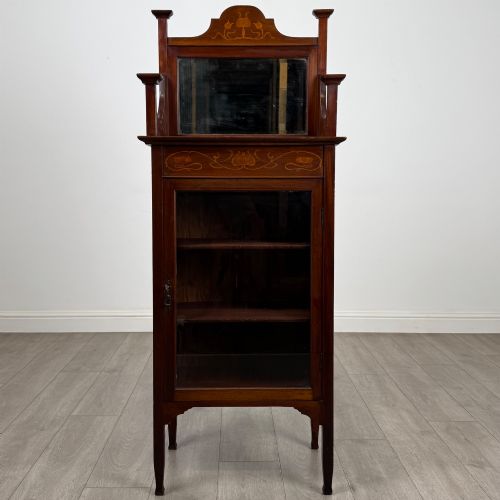
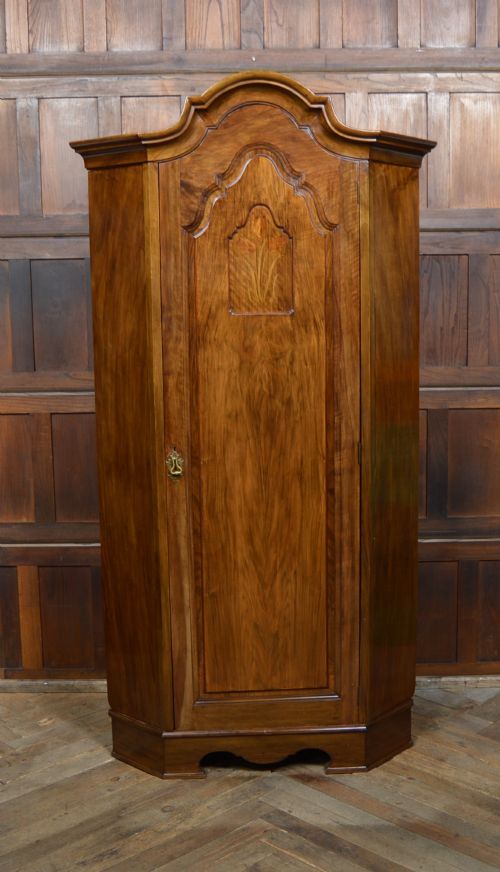
Art nouveau furniture encompasses practical domestic pieces shaped by the distinctive aesthetic movement of the late nineteenth and early twentieth centuries. Surviving examples on this page include display cabinets, side tables, and revolving bookcases originating from periods spanning eighteen-eighty to nineteen-ten.
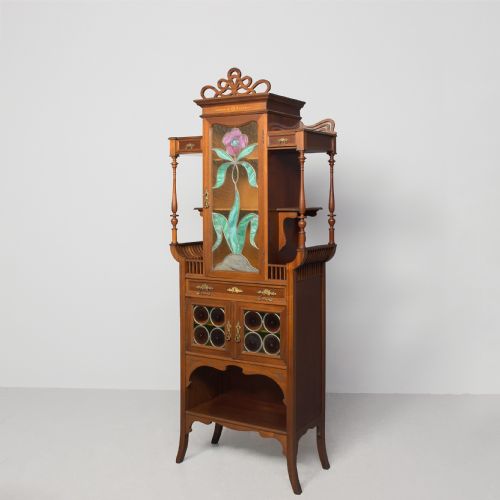
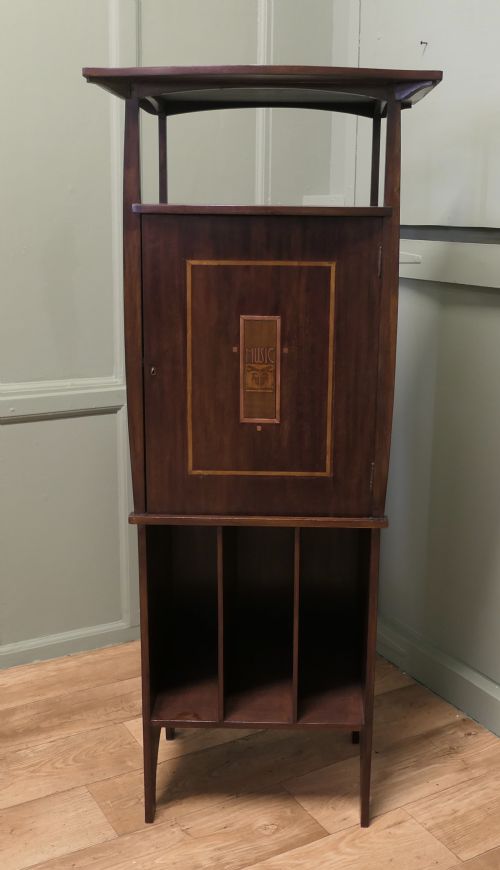
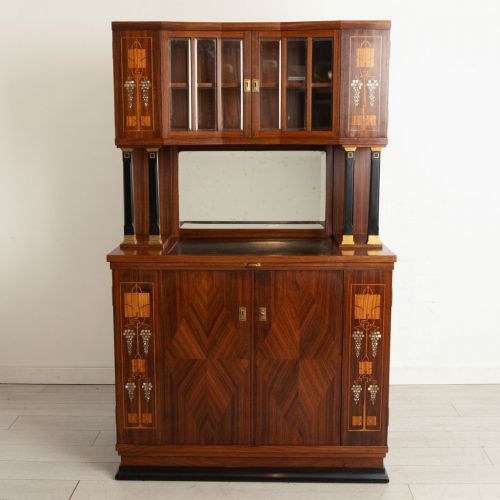
Cabinets and bookcases form the primary encounter for buyers browsing this phrase, often executed in mahogany with specific decorative focal points. These items demonstrate the transition from rigid historical revivals toward more sinuous, nature-inspired structural designs in everyday furnishings.

How art nouveau furniture was made
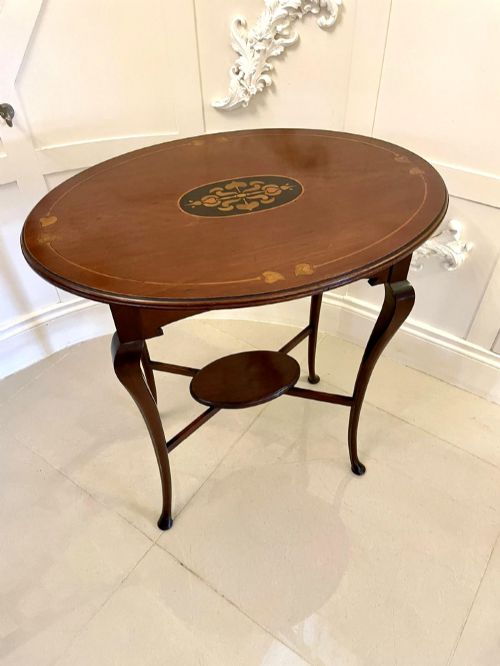
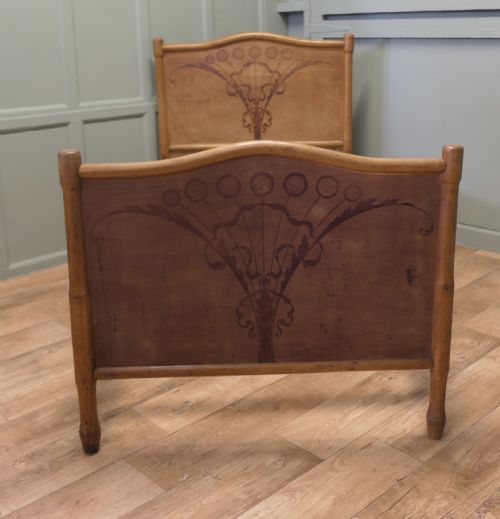
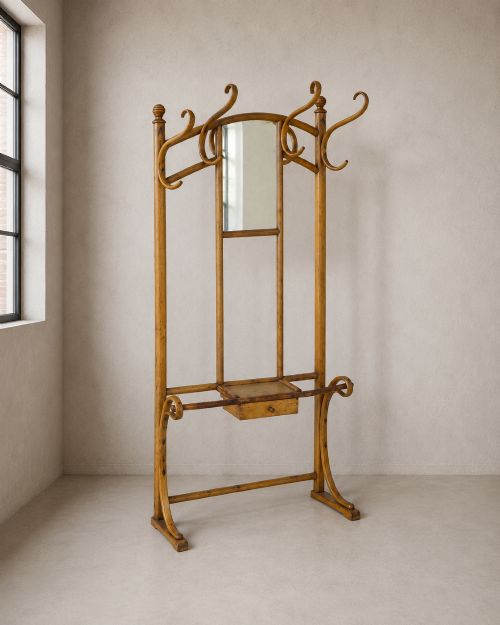
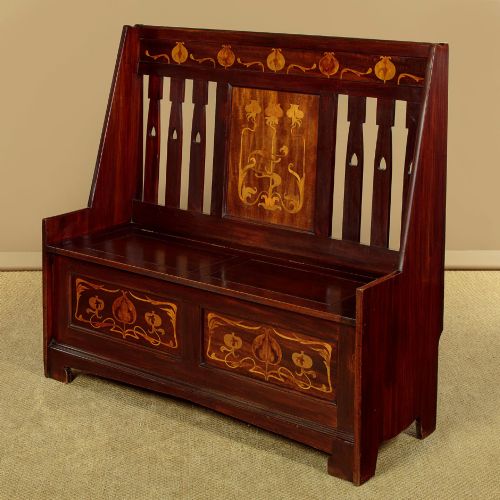
Maker workshops utilised mahogany and beech as primary structural timbers, frequently applying wood inlay to enrich flat surfaces with botanical motifs. Bentwood techniques also appear among smaller utilitarian tables, allowing for smooth, curved structural components.
Glass panels, lead cames, and stained glass integrated directly into doors and display fronts, working alongside brass hardware for handles and structural accents. These mixed media elements complemented the carved and inlaid timber frames characteristic of the period.
Art Nouveau Furniture Retail Price Guide 2026
Typical asking prices for art nouveau furniture among the pieces listed under this phrase on Sellingantiques today, from the lower quarter to the upper quarter. They describe what is for sale here now, not the wider market.
Listings feature items dated across multiple decades, spanning from eighteen-eighty to nineteen-ten.
What varies in quality
Quality rests upon the execution of the woodwork, particularly the precision of the wood inlay and the fluidity of the carved lines on cabinets and tables. Finer pieces demonstrate seamless integration between structural timber and decorative glass or brass elements.
The sophistication of the overall design elevates certain items above standard production, distinguishing straightforward utilitarian objects from those showcasing deliberate aesthetic ambition by makers like Fischel.
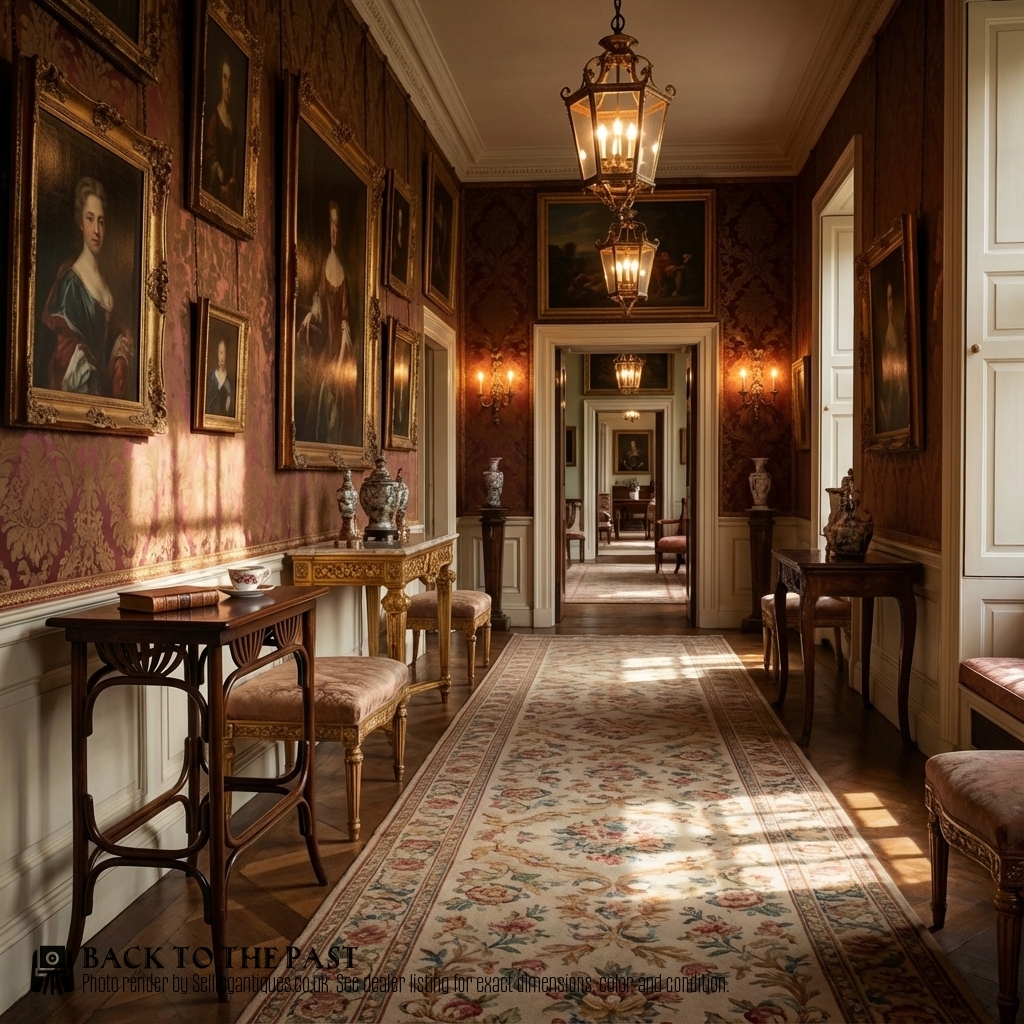
Fischel
The Art Nouveau Furniture Glossary
- Bow front
- A convex, outward-curving front facade commonly found on cabinets and chests. This curved profile softens the rectangular geometry of the piece.
- Wood inlay
- The technique of inserting contrasting strips of wood into a recessed surface to create decorative patterns. It provides surface ornamentation without adding physical depth.
- Bentwood
- Wood that has been heated and bent into curved shapes, often utilising beech. This process creates strong, lightweight frames for tables and chairs.
- Lead came
- Soft lead channels used to hold individual pieces of glass together in windows and cabinet doors. These dark lines form an integral part of the visual design.
Art Nouveau Furniture: Frequently Asked Questions
What is art nouveau furniture?
Art nouveau furniture consists of decorative and practical household items produced during the late nineteenth and early twentieth centuries. These pieces typically feature organic motifs, curved lines, and natural materials.
Cabinets, side tables, and revolving bookcases represent the primary forms found within this category, combining functional utility with distinctive aesthetic styling.
How are these cabinets dated?
Dating relies upon construction methods, timber choices, and stylistic markers recorded across pieces from periods such as eighteen-eighty, nineteen-hundred, and nineteen-ten. Mahogany and beech usage alongside specific inlay techniques help anchor items in their respective eras.
Comparative analysis with known manufacturer models provides further chronological context for specific side tables and display units.
Where were these pieces used?
These furnishings served domestic interiors as functional storage and display items in dining rooms, libraries, and parlours. Display cabinets showcased treasured possessions behind glass, while revolving bookcases provided accessible book storage.
Smaller side tables functioned as occasional surfaces for lamps, ornaments, or reading materials within living spaces.
How do I care for mahogany surfaces?
Mahogany surfaces require regular dusting with a soft, dry cloth to prevent particulate buildup on the polished wood and inlay work. Avoiding direct sunlight and extreme humidity fluctuations protects the timber from warping or fading over time.
Occasional application of appropriate wax polish maintains the lustre of the wood without leaving heavy chemical residues.