



Brown Wood Plant Stand
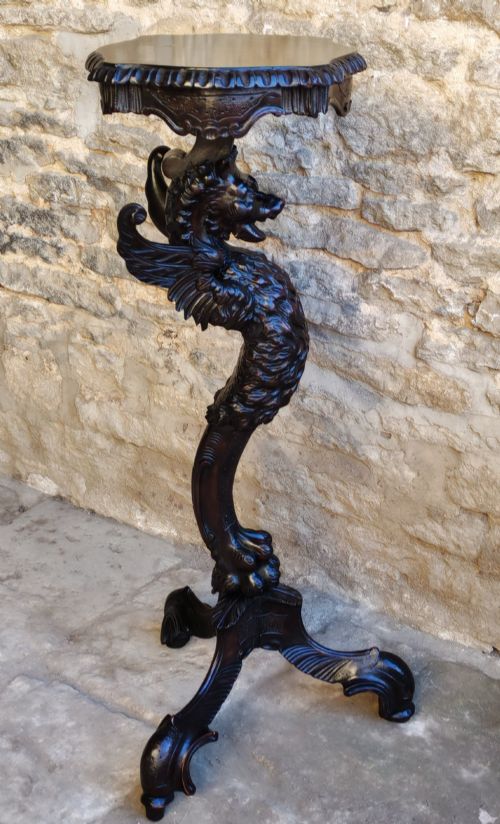
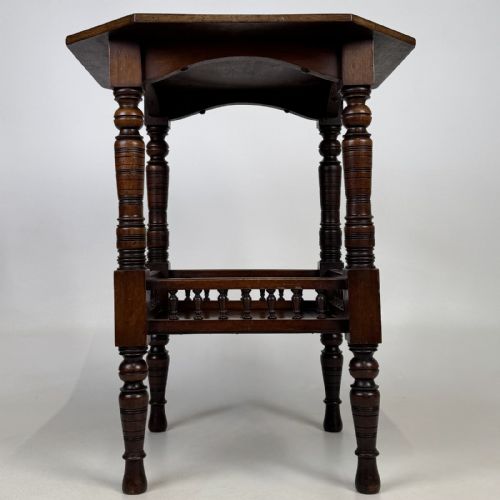
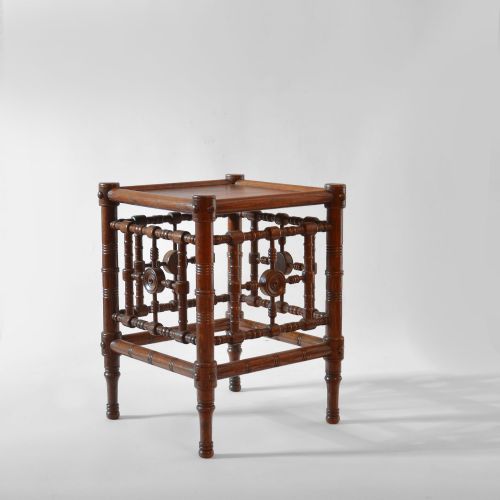
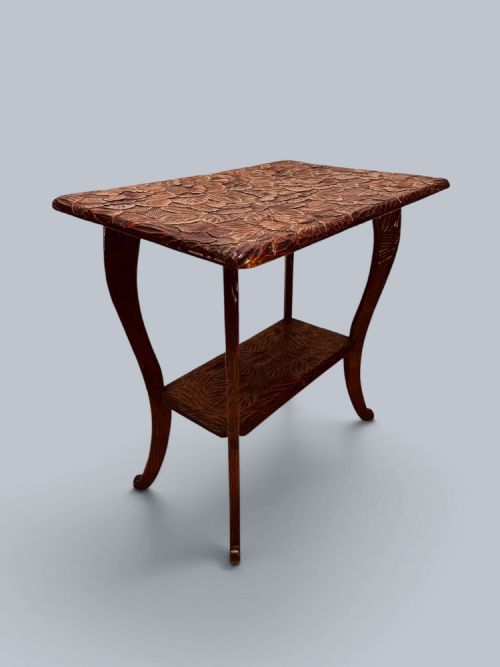
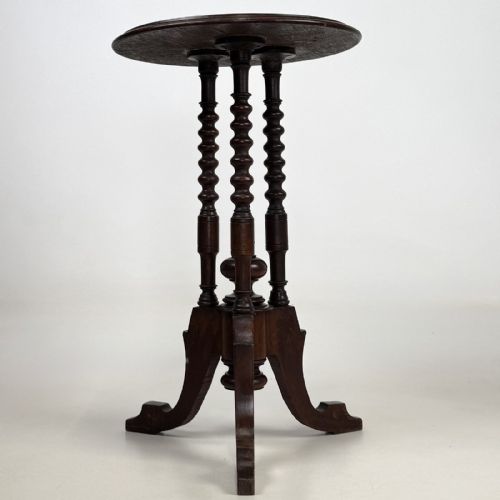
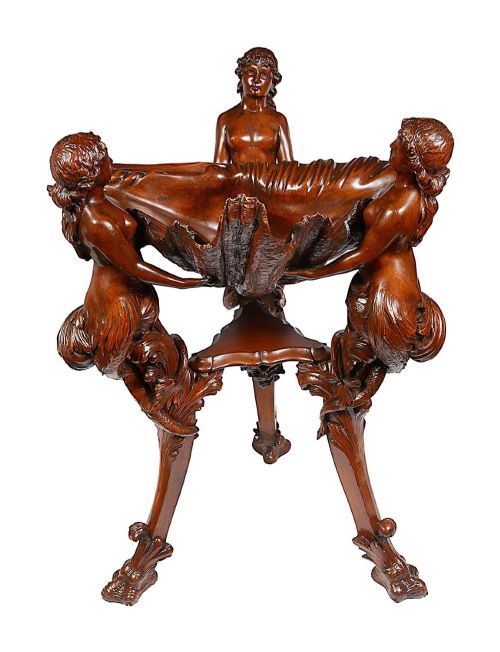
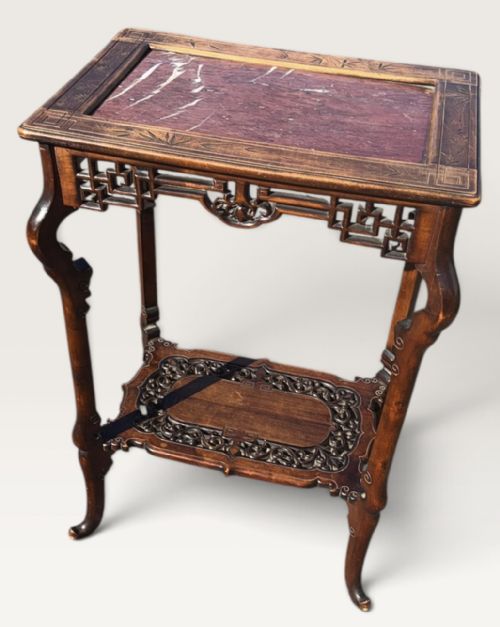
A brown wood plant stand brings height and structure to a room, holding greenery upon turned columns and carved surfaces.
Brown Wood Plant Stand
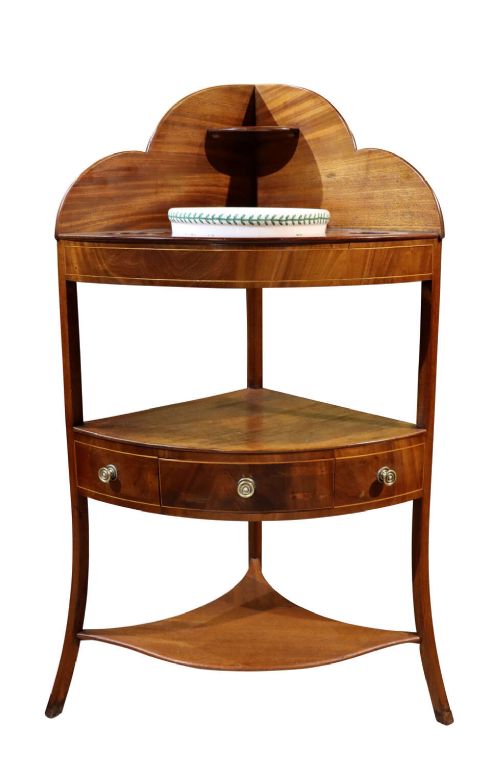
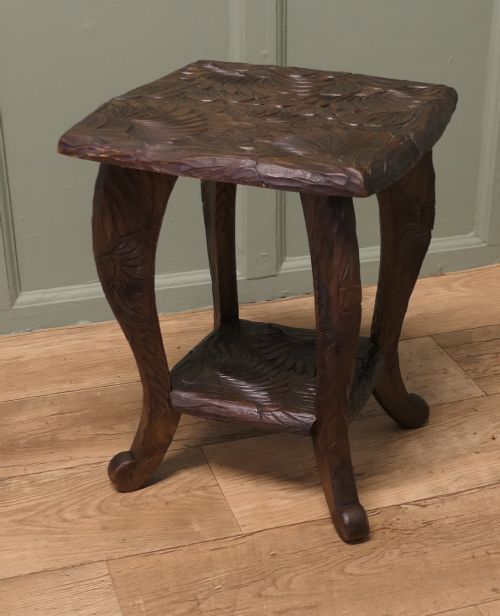
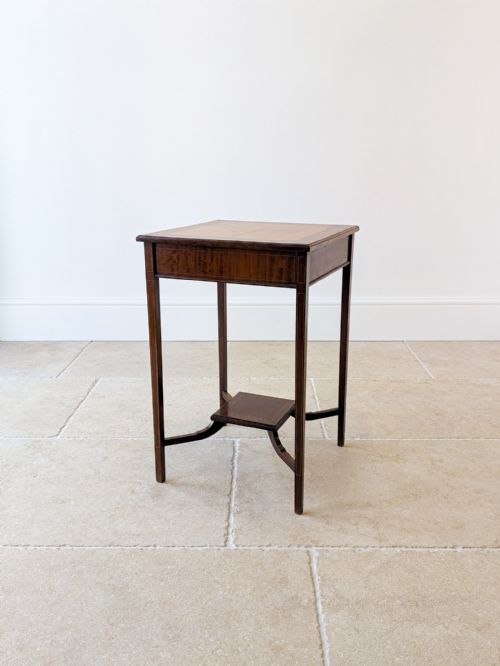
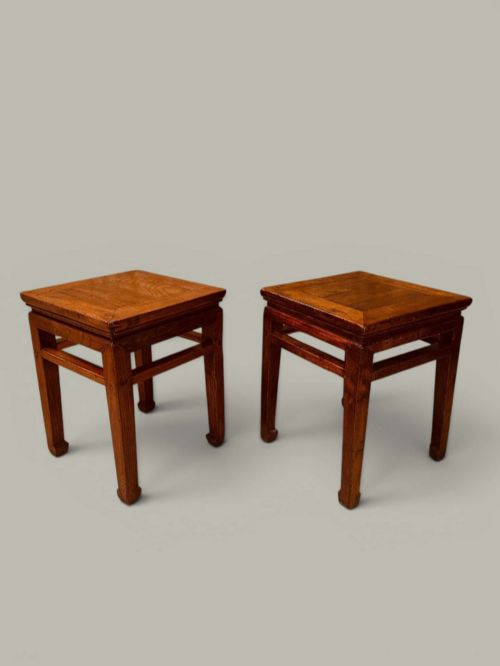
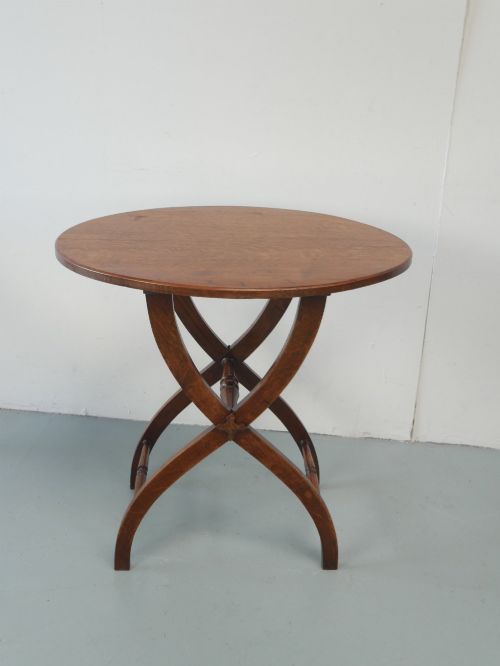
A brown wood plant stand takes many forms across this selection, appearing most frequently as Edwardian and nineteenth-century occasional tables, side tables, and pedestals. These pieces originate from diverse workshops and regions, ranging from British Edwardian makers to Chinese traditional artisans and Indian creators working in teak and hardwood.
Buyers encounter solid oak and mahogany constructions alongside walnut, satinwood, and burr wood variations. Many examples serve multiple domestic purposes, doubling as lamp tables, jardiniere holders, and display columns for decorative objects.
The nineteenth-century and early twentieth-century periods dominate the selection, offering everything from carved oak and barley twist legs to inlaid mahogany surfaces and octagonal forms.
Materials and Construction
Cabinetmakers utilised dense timbers such as mahogany, oak, walnut, and teak, shaping them into sturdy columns, tiered tables, and barrel stools. Hardwoods provide the structural integrity required to support heavy ceramic pots and jardiniere displays without warping.
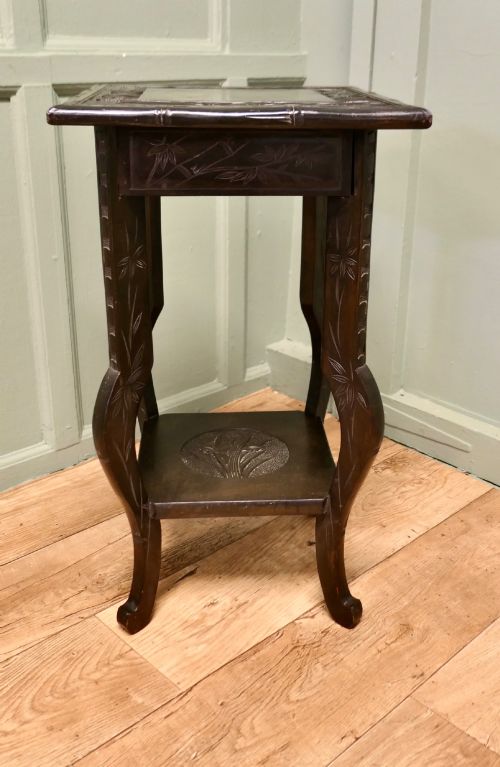
Surface decoration relies on traditional techniques including hand carving, intricate inlay work with satinwood, and brass embellishments embedded directly into the timber. Joints are pegged, tenoned, or turned on a lathe, reflecting the established joinery standards of the Victorian, Edwardian, and Arts and Crafts eras.
Brown Wood Plant Stand Retail Price Guide 2026
Typical asking prices for brown wood plant stand among the pieces listed under this phrase on Sellingantiques today, from the lower quarter to the upper quarter. They describe what is for sale here now, not the wider market.
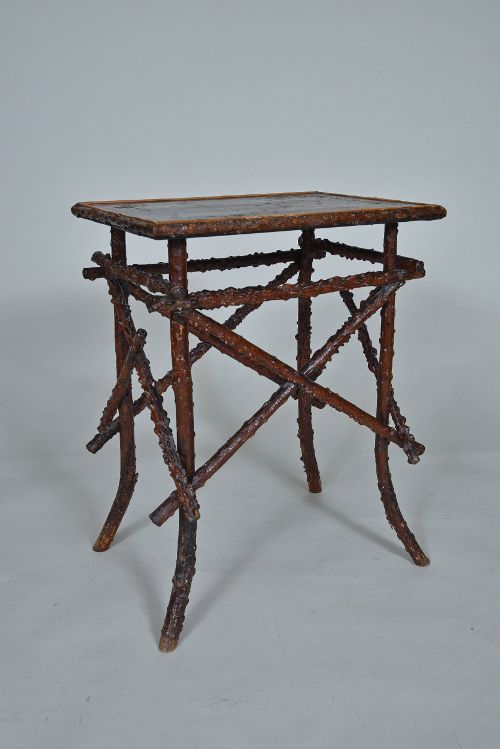
Folk art twig tables bring an entire woodland aesthetic indoors, constructed entirely from gnarled branches.
Assessing Craftsmanship
Quality reveals itself in the crispness of the hand carving and the precision of the wood inlay rather than superficial shine. Superior examples exhibit tightly fitted joints, stable pedestal bases, and well-seasoned timbers that have retained their natural grain and colour over the decades.
The distinction between standard utility pieces and finer works rests on timber selection and design ambition. Pieces featuring burr wood veneers, solid hardwood construction, and named workshop attribution stand apart from mass-produced utilitarian stands through balanced proportions and refined surface finishing.
Trevor Page and Co·Hubert Simpson of Kendal·Liberty of London
The Brown Wood Plant Stand Glossary
- Barley twist
- A turning technique that produces a spiral column resembling twisted rope, common in Edwardian oak furniture. This decorative joinery adds texture and visual weight to table legs and support stems.
- Jardiniere
- An ornamental pot or stand designed to hold live plants and flowers. These containers often match the timber of the table or pedestal they rest upon.
- Inlay
- A technique where contrasting woods or materials are inserted into recessed cavities on the surface to create decorative patterns. Edwardian mahogany pieces frequently employ satinwood for this purpose.
- Occasional table
- A small, movable table designed for specific, intermittent tasks such as holding a lamp or displaying an object. They appear frequently in various woods throughout the Edwardian and Victorian periods.
- Pedestal
- A tall, freestanding support structure used to elevate vases, sculptures, or plants. They are carved from walnut, oak, and other hardwoods.
Brown Wood Plant Stand: Frequently Asked Questions
What is a plant stand used for?
A plant stand elevates potted greenery to improve room layout and catch natural light. These pieces also serve as display surfaces for lamps and decorative ceramics.
Victorian and Edwardian households utilised these stands in reception rooms and hallways to display indoor flora safely away from damp floorboards.
How do I identify an Edwardian stand?
Edwardian stands typically feature lighter timbers such as mahogany, delicate satinwood inlay, and slender legs. They date from the opening decades of the twentieth century.
Construction methods during this period favour refined proportions and decorative arts influences over heavy Victorian mass.
Are these stands suitable for heavy pots?
Solid hardwood stands in oak, teak, or mahogany provide strong support for heavier display items. Pedestals and three-legged occasional tables offer stable weight distribution.
Buyers should examine the base construction and leg spread to ensure the piece balances the intended load securely.
How do I care for antique wood?
Antique timber requires protection from direct sunlight and sudden temperature shifts to prevent splitting or fading. Regular dusting with a dry cloth preserves the original polish.
Applying occasional specialist wax maintains the moisture balance within hardwoods like mahogany and walnut without building up excessive residue.