

Inlaid Wooden Table
When you search for an inlaid wooden table, you seek a surface defined by meticulous craftsmanship and contrasting timbers.
Inlaid Wooden Table
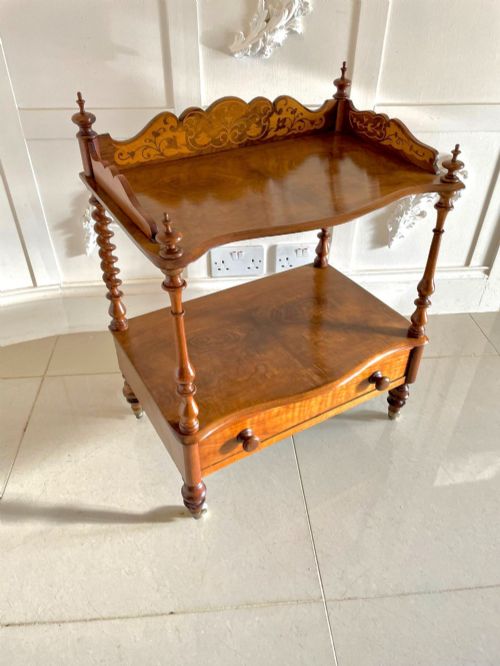
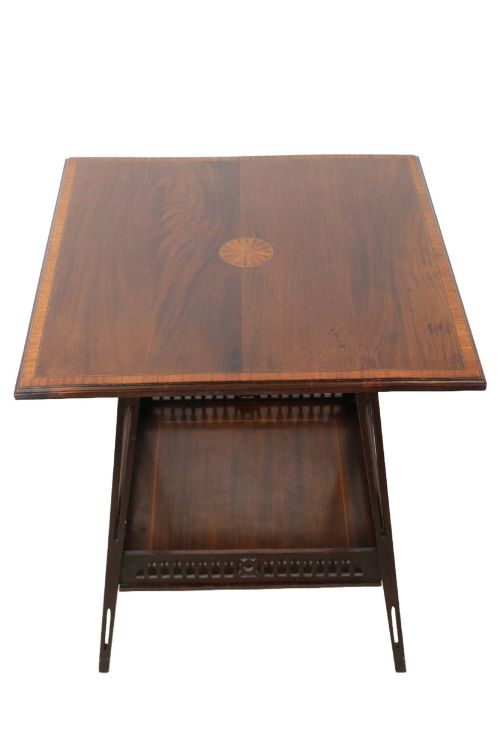
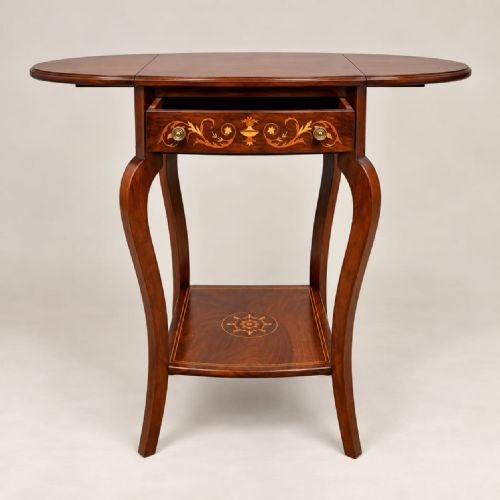
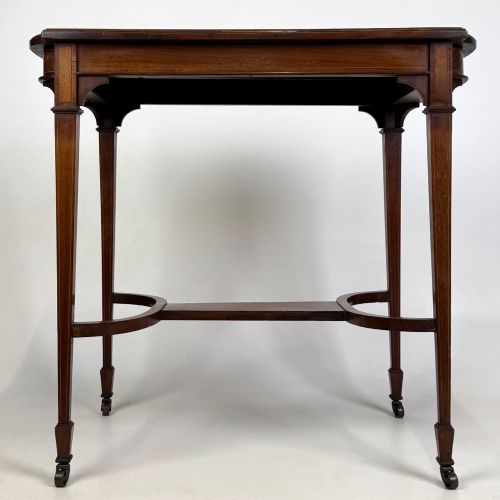
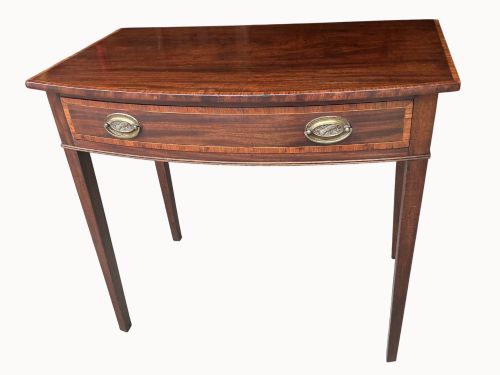
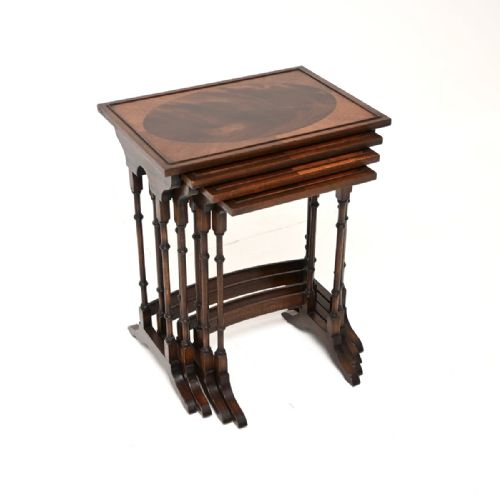
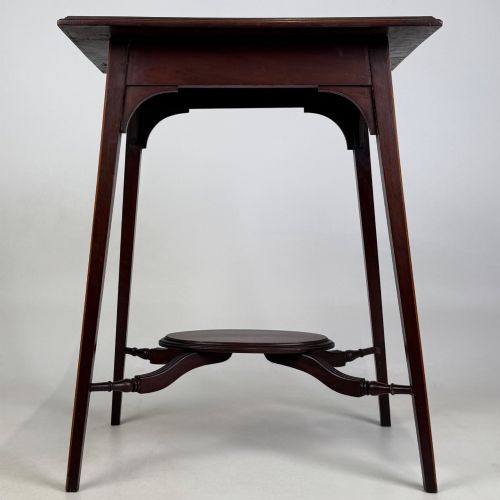
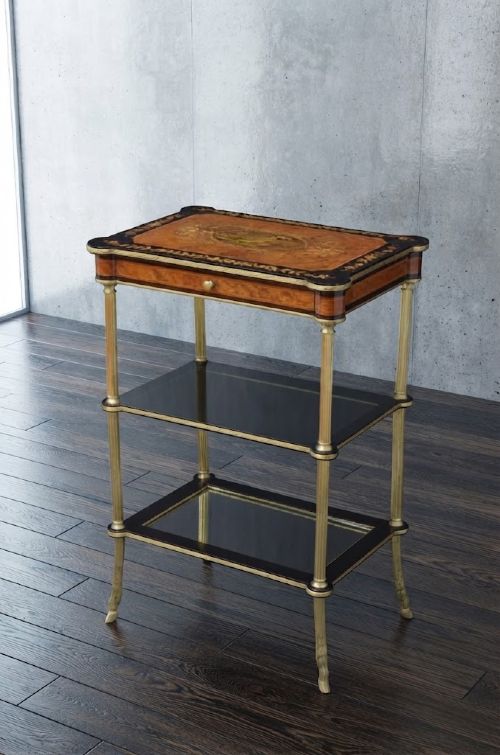
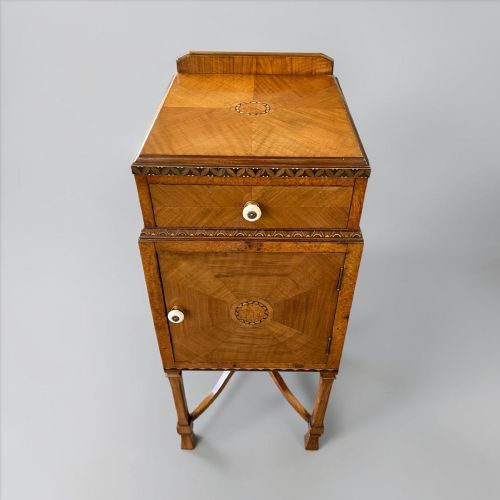
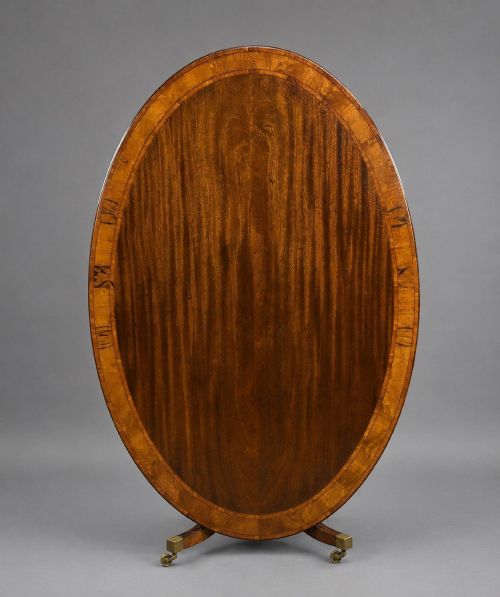
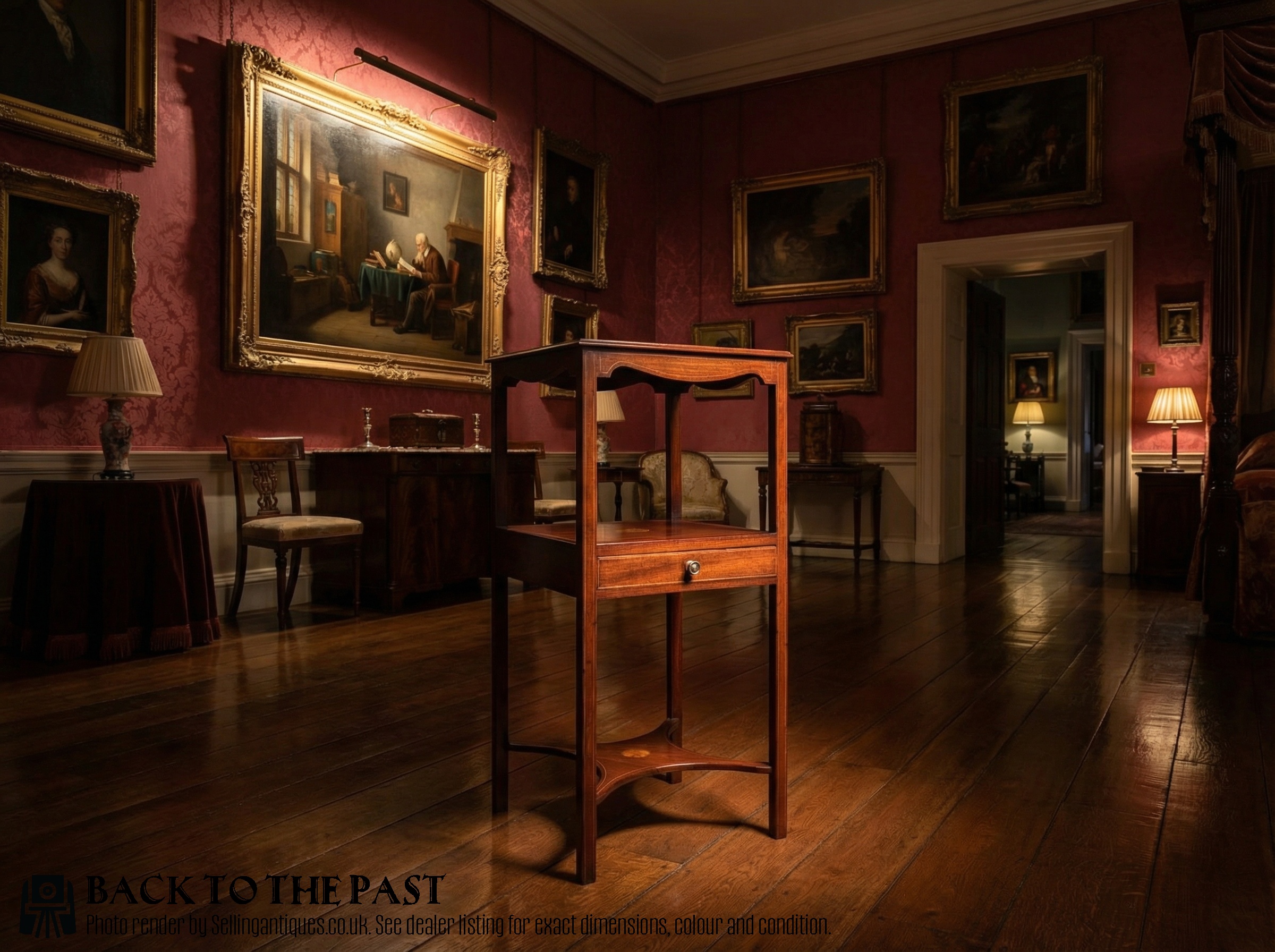
An inlaid wooden table encompasses pieces designed for occasional use, display, and games, drawing primarily from nineteenth-century and Edwardian traditions. The inventory on this page ranges widely, featuring occasional tables, lamp tables, chess tables, and butler's trays.
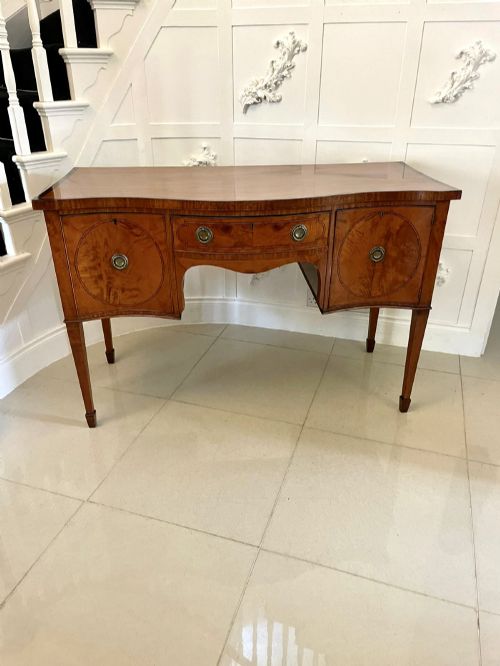
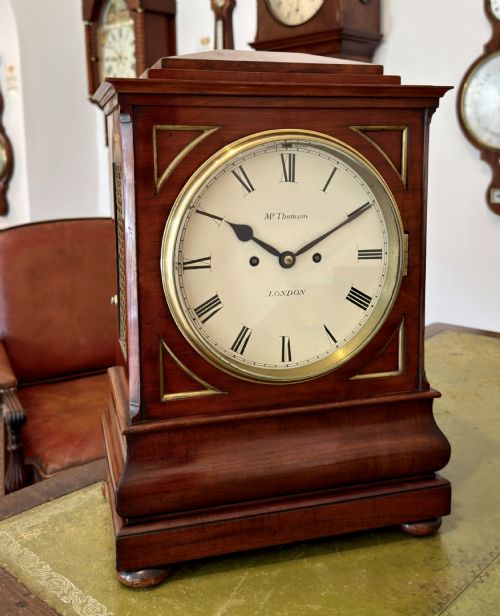
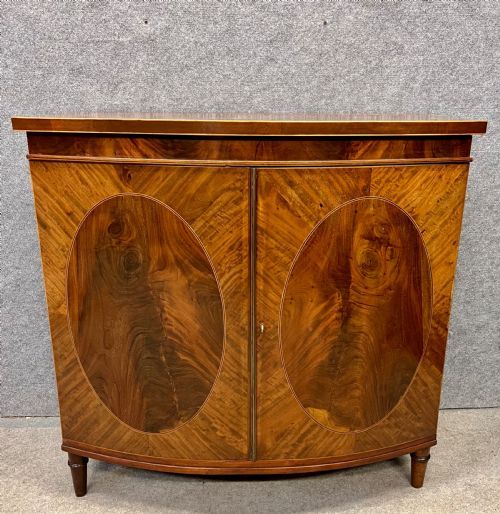
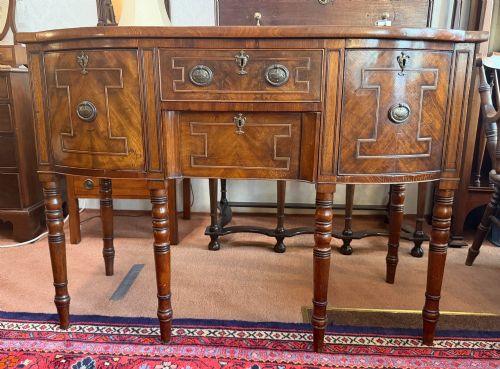
The aesthetic leans heavily toward Edwardian and Victorian forms constructed in mahogany, walnut, and satinwood. Alongside these domestic tables, one finds sideboards, cabinets, and clocks that share the same decorative wood techniques.

Materials and Technique
Cabinetmakers utilised primary structural timbers such as mahogany, walnut, and rosewood, creating sturdy foundations for delicate decorative work. These surfaces then received intricate details through contrasting woods like satinwood, boxwood, and various forms of wood inlay.
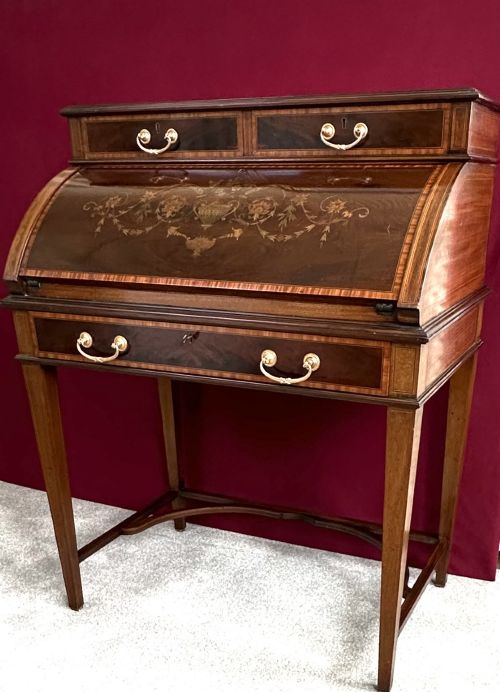
The technique relies on precision cutting, where thin veneers or solid pieces of contrasting timber are fitted into recessed channels within the main body. This method allows for geometric borders, foliate motifs, and figurative marquetry scenes.
Inlaid Wooden Table Retail Price Guide 2026
Typical asking prices for inlaid wooden table among the pieces listed under this phrase on Sellingantiques today, from the lower quarter to the upper quarter. They describe what is for sale here now, not the wider market.
Listings feature 19th Century, Edwardian, and Georgian periods, constructed in mahogany, walnut, satinwood, and rosewood.
Assessing the Craft
Quality rests upon the crispness of the joinery and the precision of the timber insertion. Superior examples display seamless transitions between the contrasting woods without excessive filler or uneven gaps.
The choice of secondary woods and the depth of the figuring in the primary timber also dictate distinction. Finer pieces demonstrate a harmony between the structural carcass and the decorative surface embellishments.
Trevor Page & Co·Liberty & Co·William Birch·Gillows
The Inlaid Wooden Table Glossary
- Inlay
- The technique of inserting pieces of contrasting material into a recessed wooden base to form a decorative design. This method provides surface ornamentation without altering the underlying structure.
- Marquetry
- Formed of assembled veneer pieces applied to a carcass to create pictorial or geometric patterns. It differs from simple inlay by covering larger areas with complex pictures.
- Satinwood
- A hard, durable timber with a golden sheen frequently employed for stringing and decorative panels. Its pale lustre creates strong contrast against darker woods like mahogany.
- Drop leaf
- A table featuring hinged flaps on either side that can be raised to expand the surface area or lowered for compact storage. This mechanism adds versatility to smaller rooms.
Inlaid Wooden Table: Frequently Asked Questions
What is an inlaid wooden table used for?
These tables serve primarily as occasional surfaces for lamps, display, or reading materials within a principal reception room. Specific variants, such as chess tables, were constructed for dedicated pastimes.
Their decorative nature also allows them to function as focal points in a hallway or drawing room, combining practical utility with visual warmth.
How do I identify an Edwardian piece?
Edwardian furniture often displays lighter proportions and makes extensive use of satinwood stringing on mahogany or walnut frames. The aesthetic favours delicate neoclassical revivals and Sheraton-inspired motifs.
Construction methods from this period also show machine assistance alongside traditional hand joinery, yielding refined, clean lines.
Where were these tables made?
The pieces originate predominantly from British workshops, though French ebonised and marquetry examples also appear frequently. Regional British centres and London cabinetmakers produced the vast majority of the Victorian and Edwardian domestic furniture.
Continental workshops contributed distinct stylistic flourishes, particularly in marquetry coffee tables and cabinets.
How should I care for an antique table?
Maintain a stable indoor climate away from direct heat sources and strong sunlight to prevent the timber from drying and the veneer from lifting. Gentle dusting with a dry, soft cloth preserves the polish.
Avoid commercial silicone sprays and excessive moisture, opting instead for traditional beeswax applied sparingly when the wood appears dry.