
Victorian Washstand
When you search for a victorian washstand, you are looking at practical nineteenth-century bedroom furniture designed for personal hygiene before plumbed bathrooms.
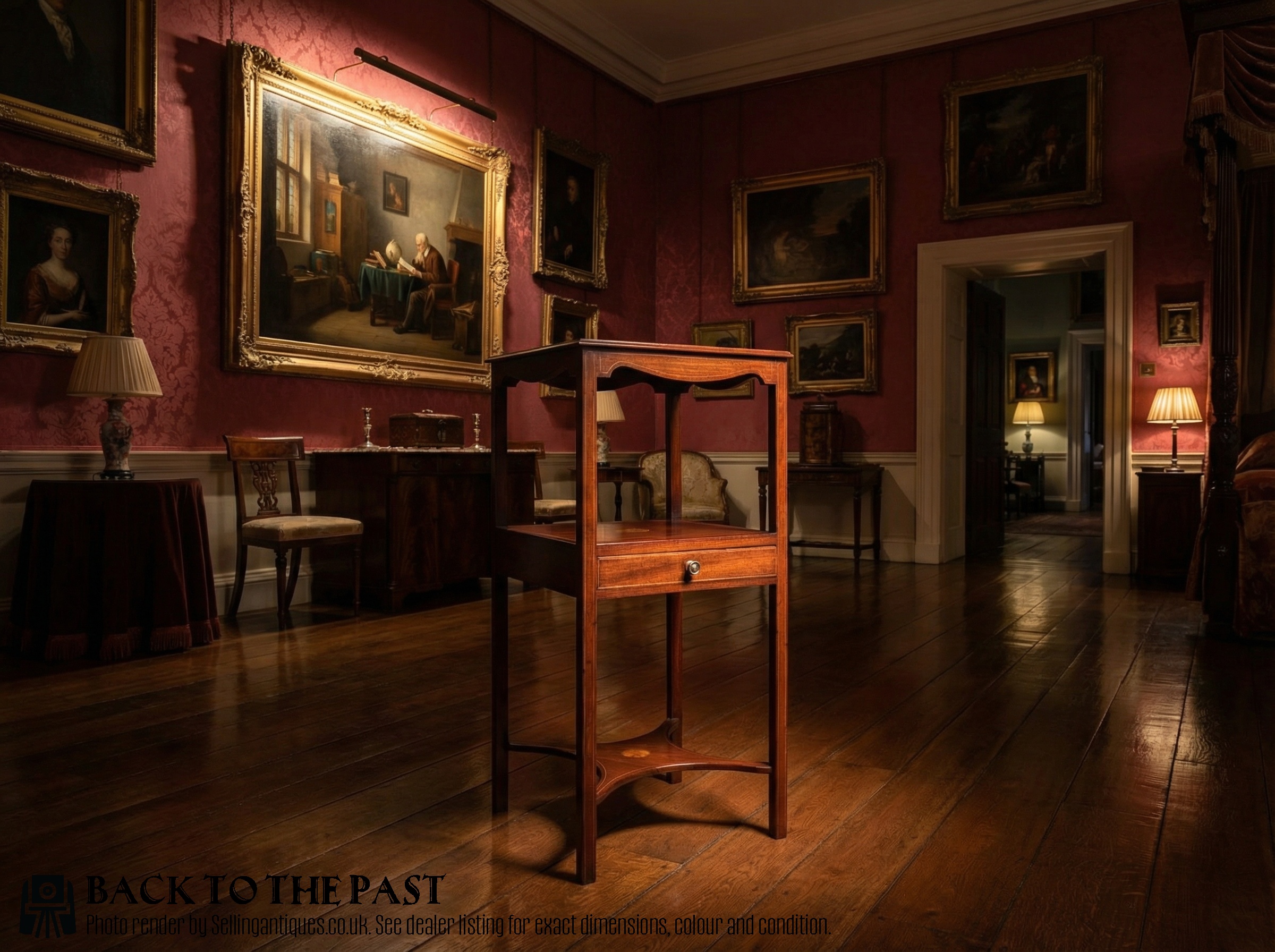
Victorian Washstand
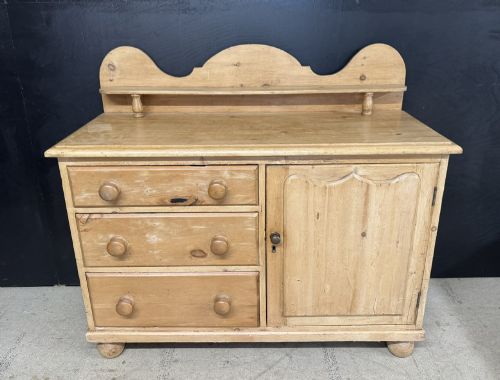
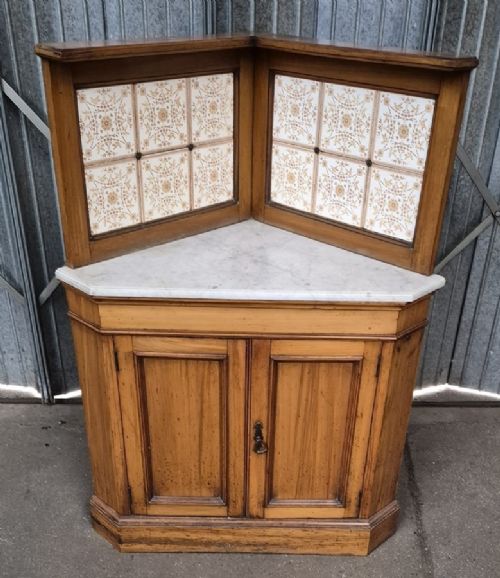
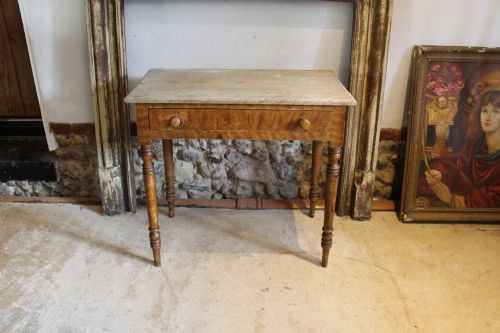
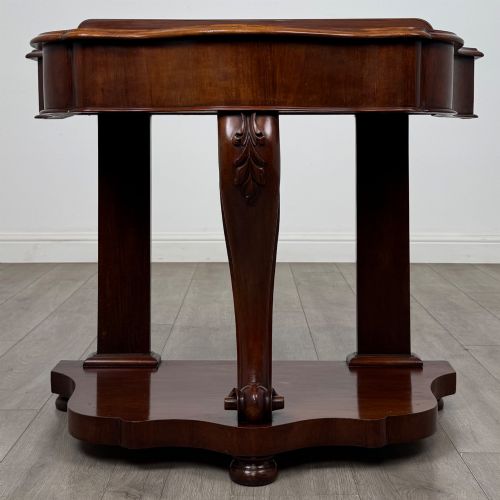
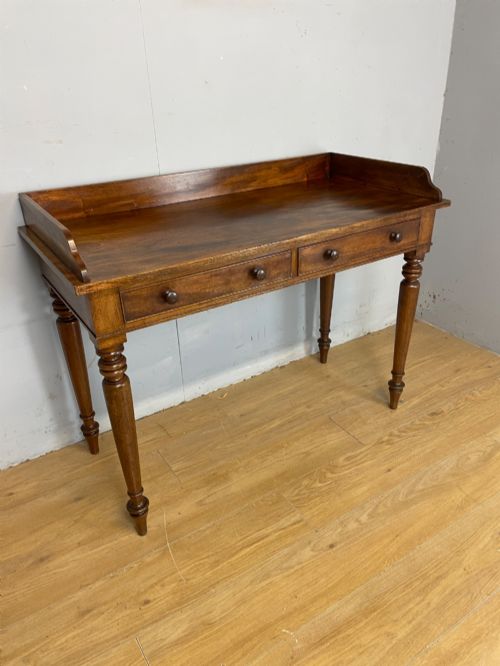
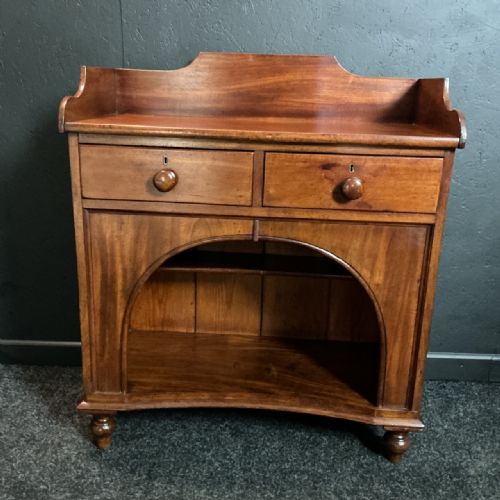
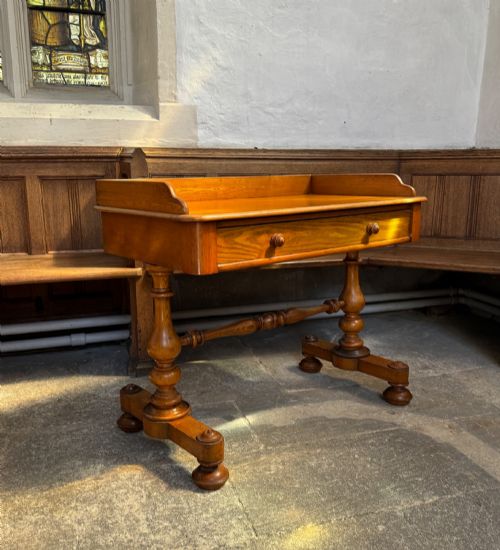
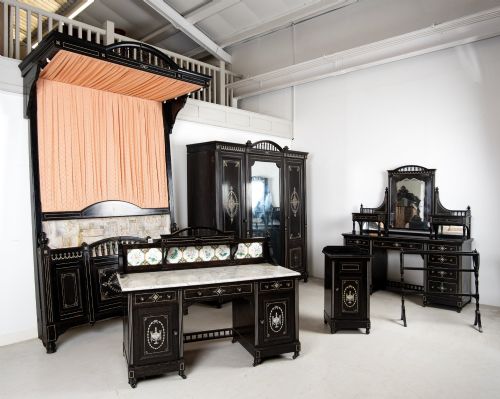
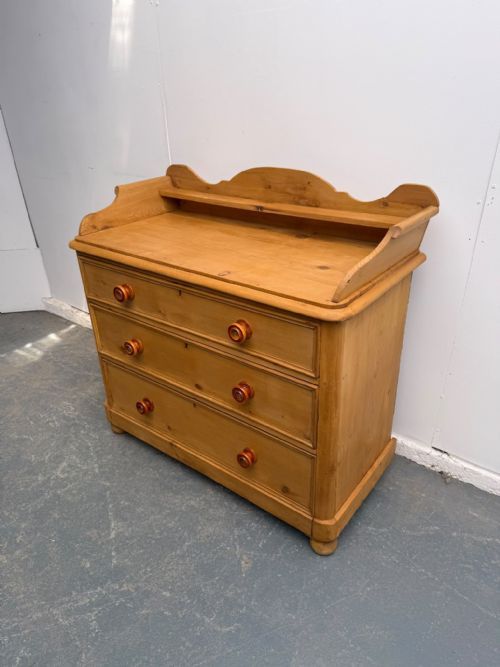
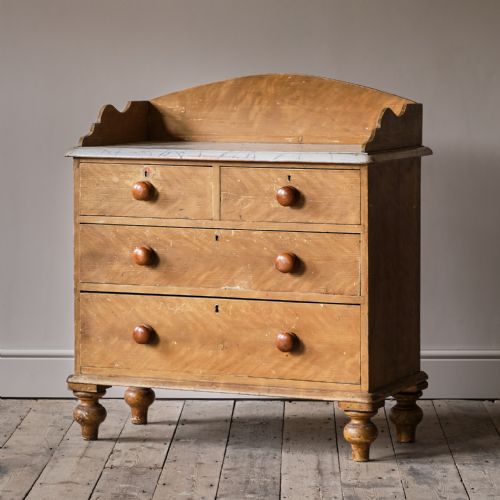
A victorian washstand is a dedicated bedroom piece built to hold a water basin, jug, and chamber accessories. The items on this page span sturdy rustic pine, polished mahogany, and walnut forms alongside marble-topped and tiled variations.
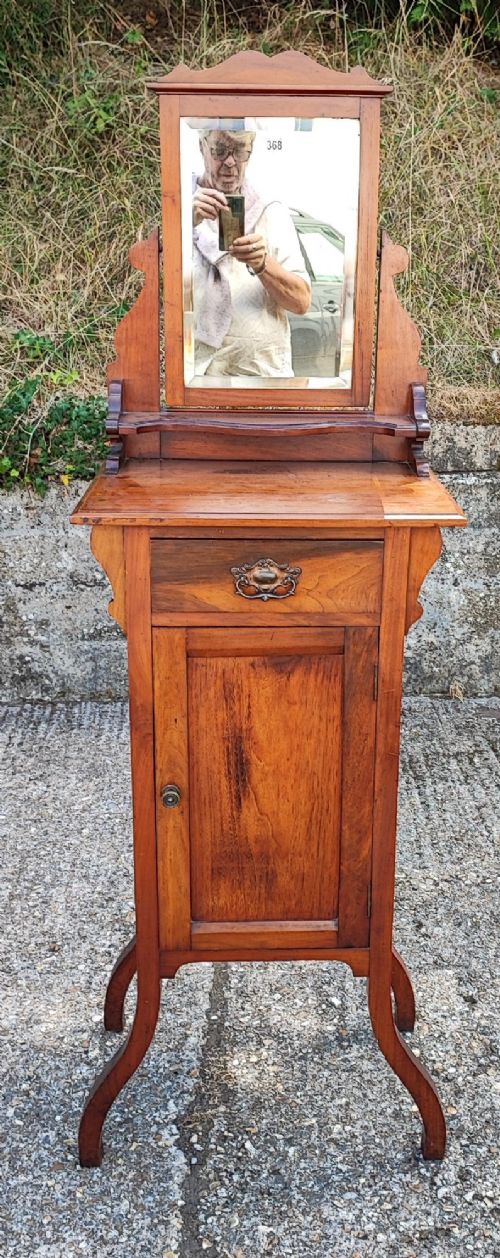
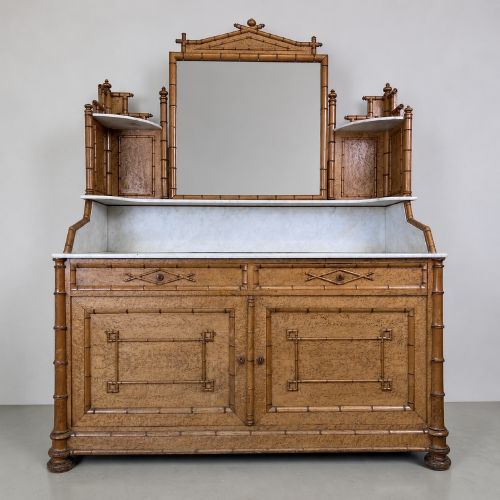
Makers produced these stands in various configurations, ranging from simple corner units and side tables to large marble-topped cabinets with tile backs. They often appear alongside related bedroom pieces such as dressing tables, pot cupboards, and ceramic wash sets.
Most examples date from the nineteenth century, encompassing periods from early Victorian styles through to late Victorian and Edwardian iterations. Buyers find both utilitarian pine country pieces and refined veneered hardwood versions.
How they were made
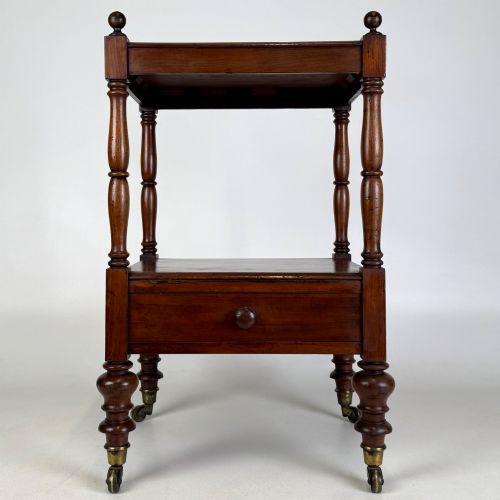
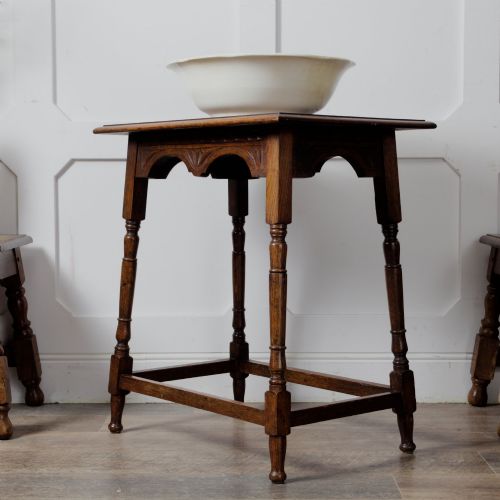
Cabinetmakers utilised timber construction methods combining solid woods like mahogany, walnut, oak, and pine with decorative veneers. Many pieces incorporate turned legs, panelled doors, and dovetailed drawers.
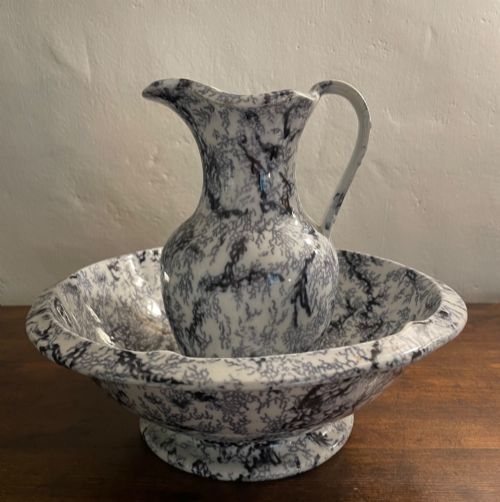
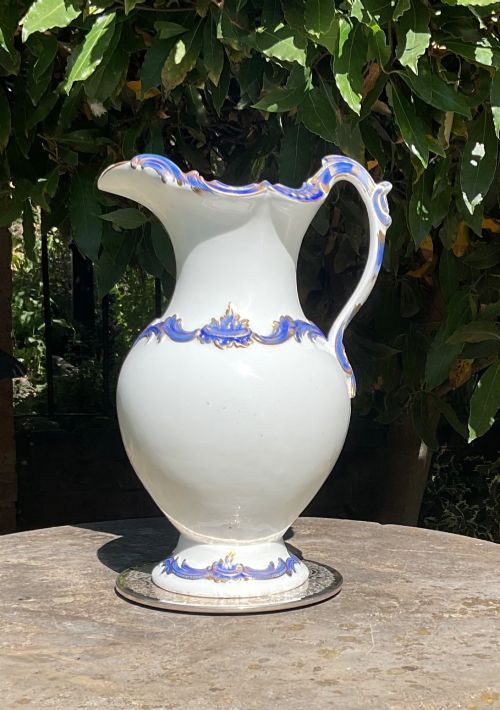
Stone and ceramic elements define the upper surfaces and splashbacks, utilising durable white marble and glazed tiles to protect surrounding wood from water splashes. Jugs and basins were shaped from earthenware, ironstone, and porcelain with hand-painted or flow blue transfers.
Victorian Washstand Retail Price Guide 2026
Typical asking prices for victorian washstand among the pieces listed under this phrase on Sellingantiques today, from the lower quarter to the upper quarter. They describe what is for sale here now, not the wider market.
What varies in quality
Quality separates simple utilitarian pieces from high-end urban commissions through the choice of timber and decorative embellishment. Figured veneers, marquetry inlay, and substantial marble slabs elevate the stature of a washstand above basic painted pine.
Construction integrity and original surviving components dictate the standing of an individual piece. Retaining matching ceramic sets, original tile backs, and undamaged marble tops marks the upper tier of surviving examples.
Walker And Sons·Harrods·Masons·Minton·Maple And Co
The Victorian Washstand Glossary
- Marble top
- A stone slab fitted to the upper surface of a washstand to provide a waterproof area for jugs and basins. This feature protects the underlying wooden structure from moisture damage.
- Pot cupboard
- A small enclosed cabinet integrated into the washstand or built separately to house a chamber pot. These cupboards typically feature a single door and sometimes a small interior shelf.
- Tile back
- An array of decorative glazed tiles fixed to the rear splashback of a washstand. They prevented water from staining bedroom walls during daily washing.
- Campaign
- Furniture designed to dismantle or fold easily for military transport during the nineteenth century. These pieces often feature recessed brass handles and robust framing.
- Flow blue
- A cobalt blue transfer-printing technique used on nineteenth-century ceramics where the colour blurred slightly into the glaze during firing. This created a soft, misty aesthetic on jugs and basins.
Victorian Washstand: Frequently Asked Questions
What is a victorian washstand used for?
These stands provided a stable surface for washing the face and hands in the bedroom before running indoor plumbing became common.
They held a large ceramic basin and water jug, alongside soap dishes and a designated space for a chamber pot.
How do I style a victorian washstand today?
Many people place them in hallways, bathrooms, or bedrooms as decorative side tables and storage units.
Original marble tops and tile backs make them practical waterproof surfaces for modern toiletries and plants.
How do I tell early and late pieces apart?
Early nineteenth-century examples often feature simpler mahogany or pine construction without tile splashbacks.
Later Victorian and Edwardian versions frequently introduce marble tops, decorative ceramic tiles, and elaborate walnut or ash veneers.
Did washstands come with matching ceramic sets?
Many stands were sold alongside dedicated ceramic wash sets consisting of a large water jug and a matching washing basin.
These sets often displayed transfer-printed floral patterns, cobalt blue glazes, or ironstone bodies.