
Antique Vanity Stand
An antique vanity stand combines practical grooming with period craftsmanship, offering everything from mahogany washstands to adjustable shaving mirrors.
Antique Vanity Stand
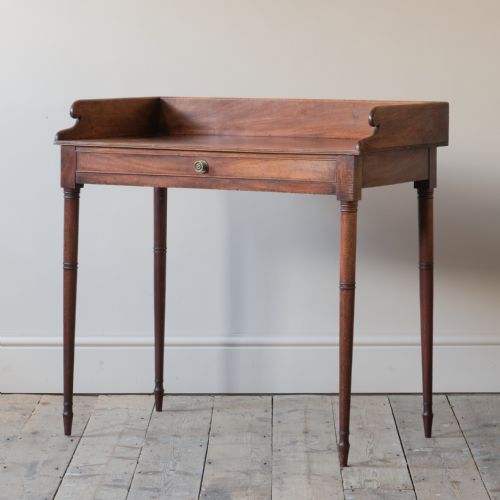
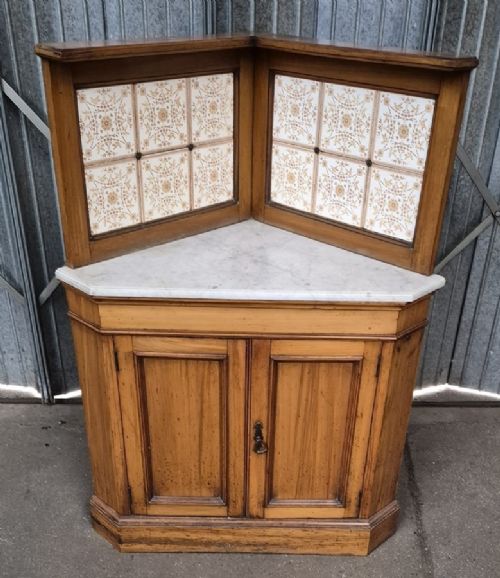
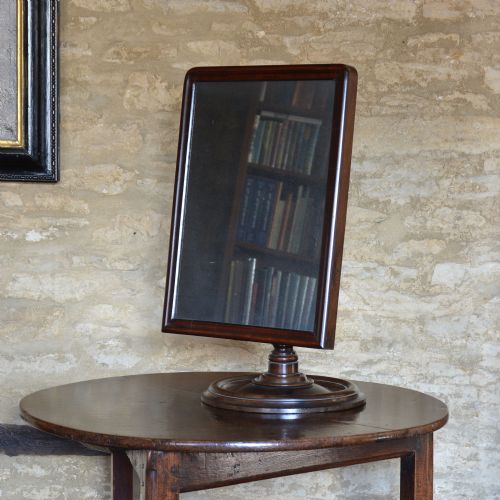
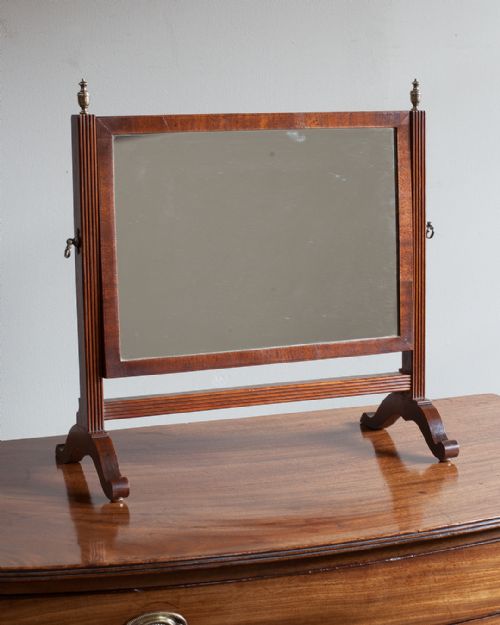
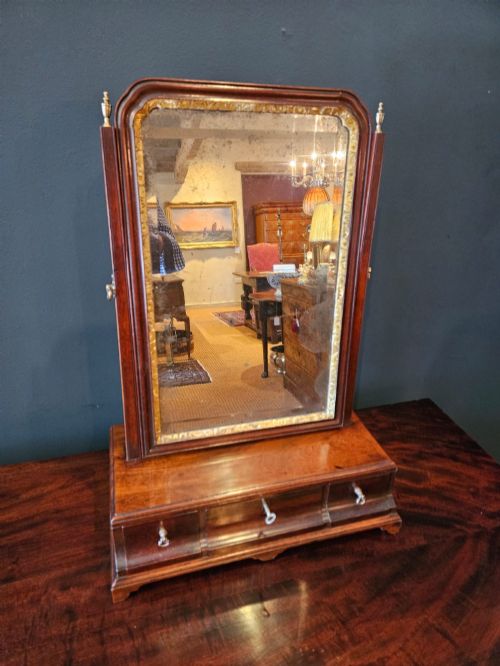
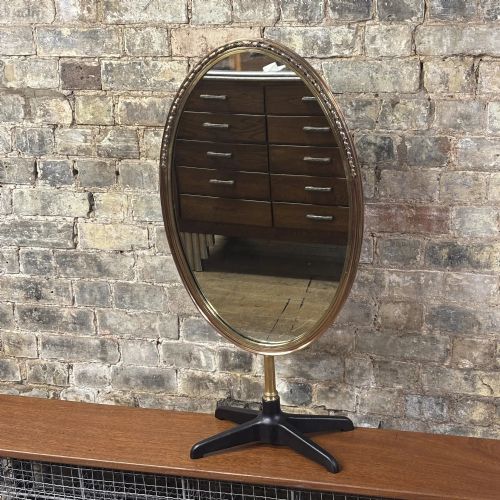
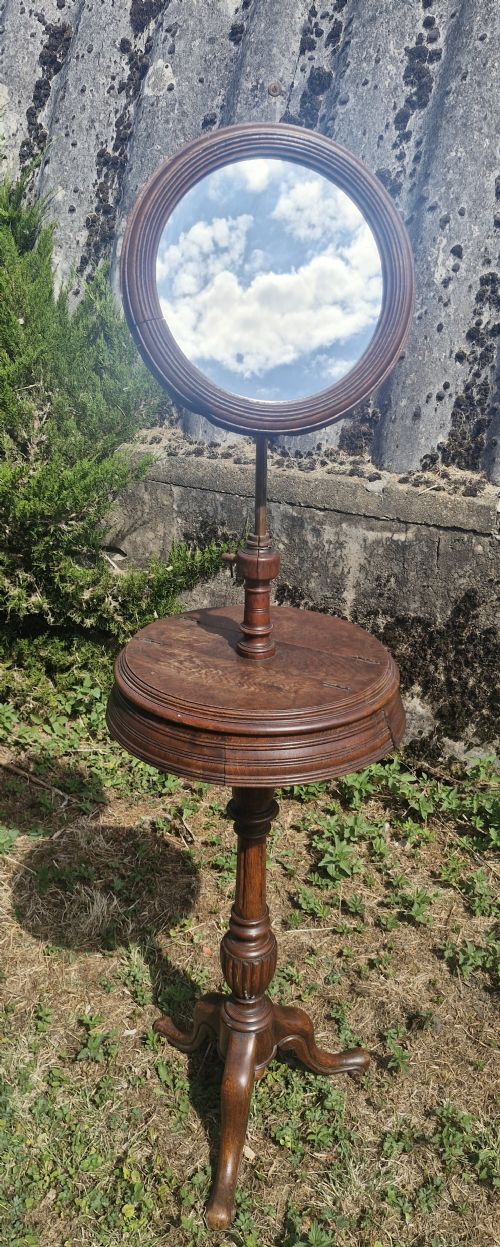
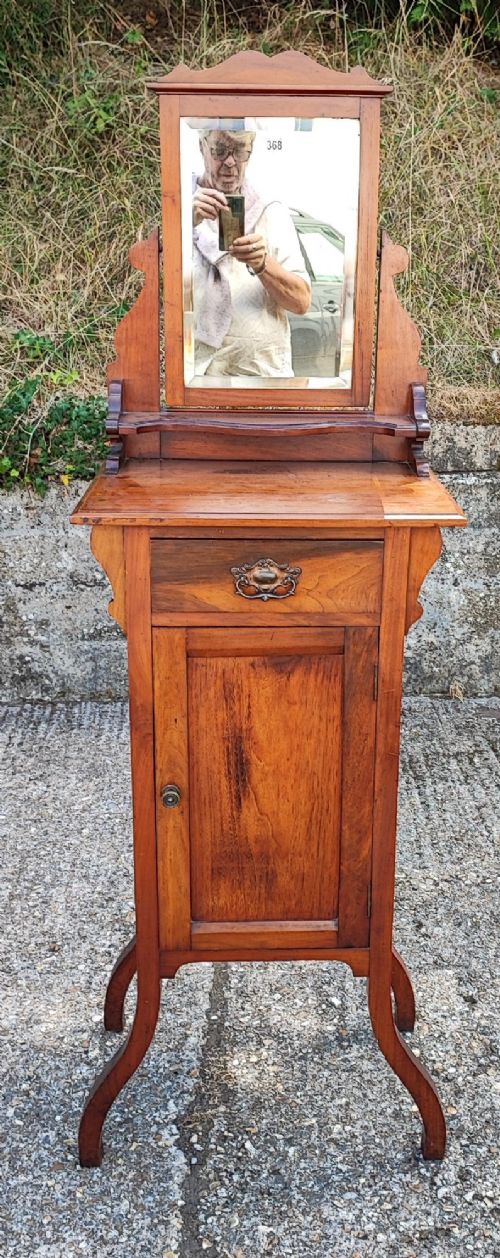
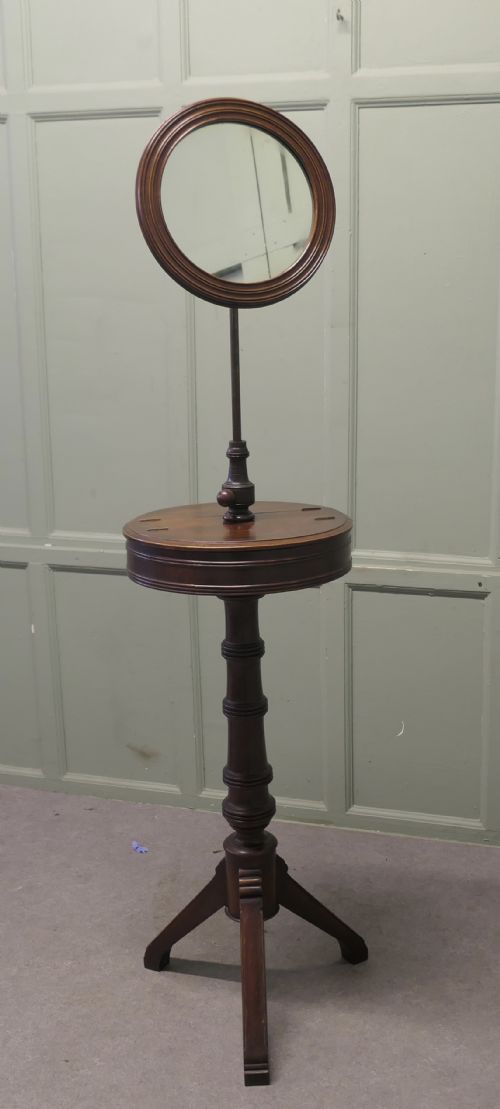
An antique vanity stand covers a diverse group of domestic furniture designed for personal grooming and washing, spanning the Georgian, Victorian, and Edwardian eras. When you search for this phrase, you encounter pieces that range from marble-topped washstands with tiled backs to adjustable brass and mahogany shaving mirrors.
Origins stretch from English workshops to continental makers, utilising woods like mahogany, walnut, and satinwood alongside brass and ceramic components. Surviving items demonstrate how domestic routines shaped the bedroom furniture of the eighteenth, nineteenth, and early twentieth centuries.
How they were made
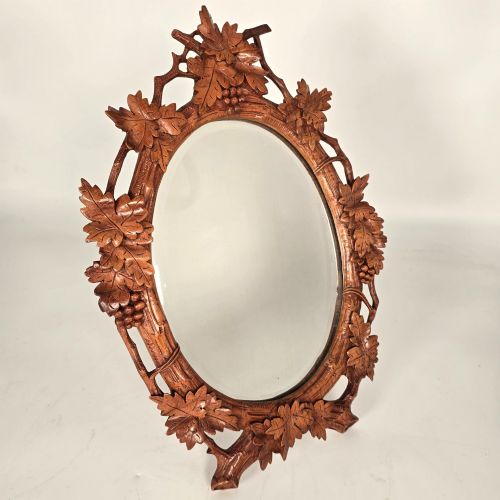
Cabinetmakers constructed these pieces primarily using solid and veneered timbers such as mahogany, walnut, oak, and satinwood, often enhanced with boxwood stringing or intricate carving. Washstands frequently incorporated inset marble tops and glazed ceramic tiles to withstand daily moisture.
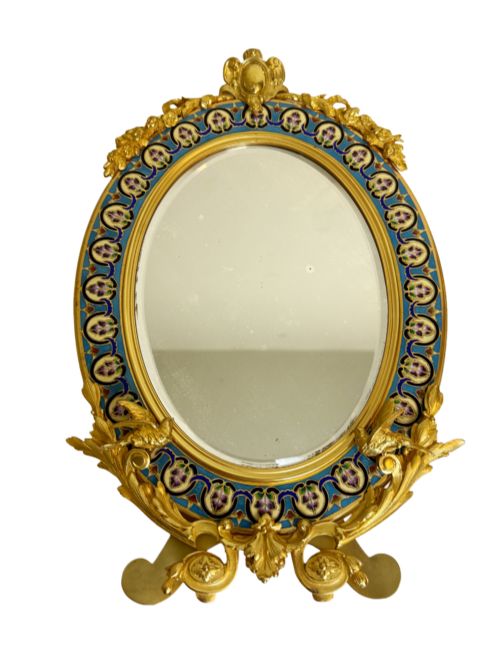
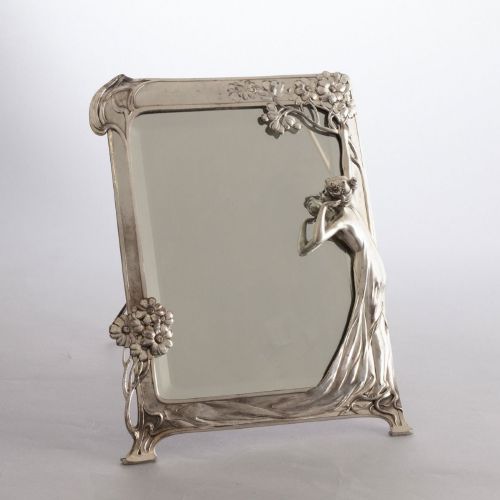
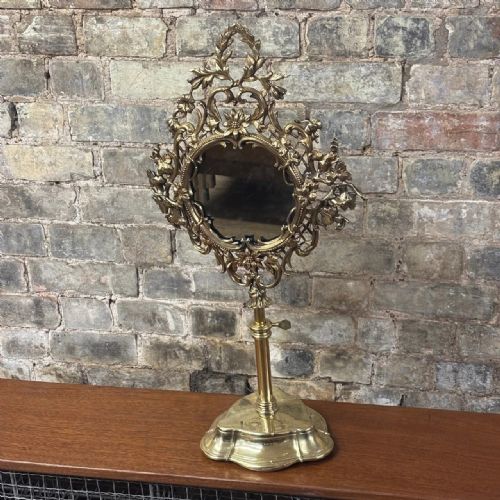
Metalwork played a structural and decorative role, featuring cast brass frames, ormolu mounts, champleve enamel, and silver plating on adjustable mirror mechanisms and fittings. Glass was meticulously cast, silvered, and bevelled for dressing and swing mirrors.
What varies in quality
The refinement of the timber selection and the execution of carved details set superior examples apart from standard utility items. Fine cabinetry displays tight dovetailing, matched wood grain, and well-integrated secondary timbers.
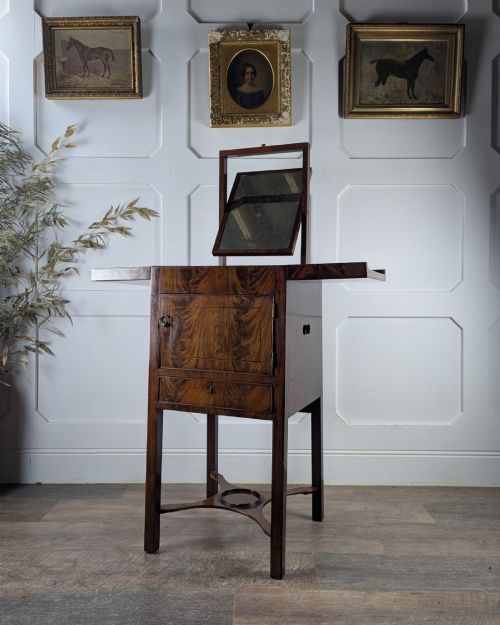
Mechanical ingenuity defines the better grooming stands, particularly in the smooth operation of telescopic shaving columns, adjustable swivel mirror frames, and fold-away basin compartments. Maker attribution and original hardware further distinguish exceptional pieces.
Walker & Sons·WMF·Heal & Sons·Maple & Co
The Antique Vanity Stand Glossary
- Washstand
- A piece of furniture designed to hold a wash basin and pitcher, frequently fitted with a marble top, tile splashback, and storage cupboards.
- Toilet mirror
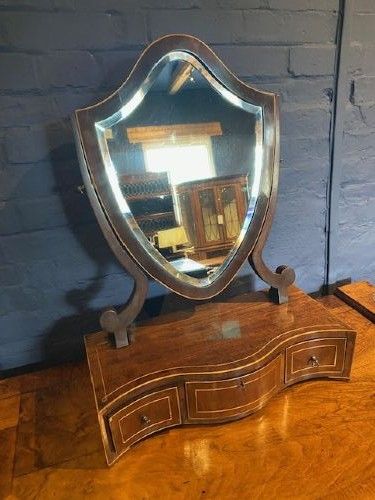
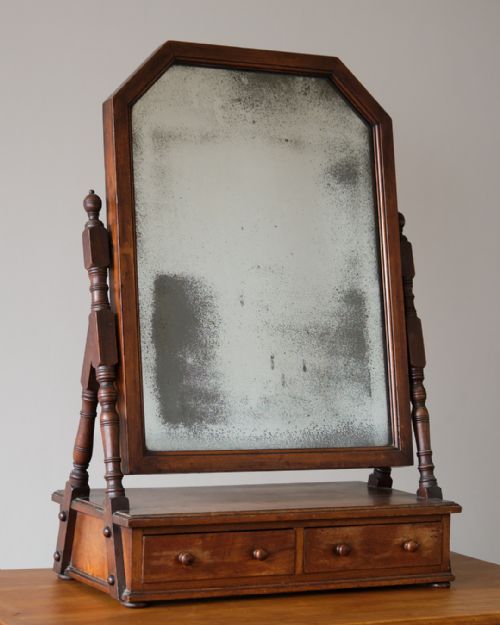
- A smaller tabletop mirror, often mounted on a swing frame above small drawers, historically used for personal grooming.
- Champleve
- An enamelling technique where recessed areas are gouged into a metal surface and filled with vitreous enamel before firing.
- Cheval mirror
- A full-length plate glass mirror suspended on a vertical floor frame that tilts to various angles.
- Ormolu
- Gilded bronze furniture mounts cast and chased to provide decorative highlights on high-status cabinets and mirrors.
Antique Vanity Stand: Frequently Asked Questions
What is an antique vanity stand?
An antique vanity stand is a piece of historical bedroom furniture designed for personal grooming, washing, or dressing.
These items range from timber washstands with marble tops and basins to adjustable shaving mirrors and dressing table units.
How were washstands used historically?
Washstands served as the primary washing station in bedrooms before plumbed bathrooms became common.
They held a ceramic basin and jug for morning ablutions, with surfaces designed to resist water splashes.
How do I identify the period?
Dating relies on timber choices, construction techniques, and stylistic markers characteristic of specific eras.
Georgian pieces favour solid mahogany and clean lines, while Victorian examples often feature heavy walnut, marble tops, and elaborate brass adjustments.
Can I use an antique washstand today?
Many buyers repurpose marble-topped washstands as modern bathroom vanity units or hallway console tables.
The durable stone and wood construction adapts well to contemporary interiors when paired with modern plumbing.