


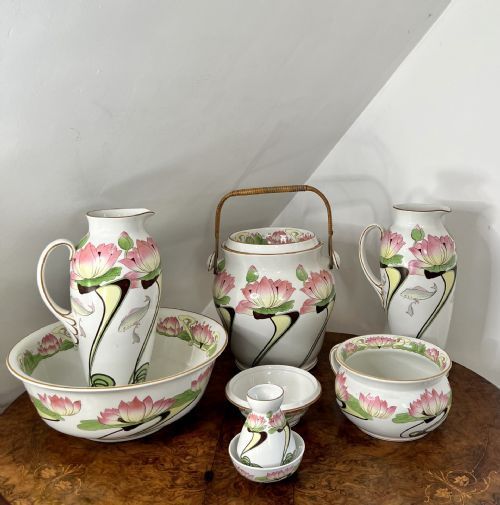

White Ceramic Basin
A white ceramic basin offers utility and decorative presence, drawing collectors to durable porcelain and earthenware forms shaped across centuries.
White Ceramic Basin
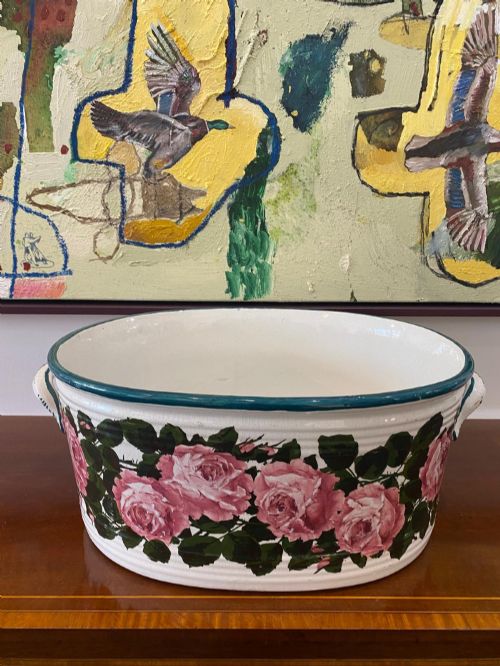
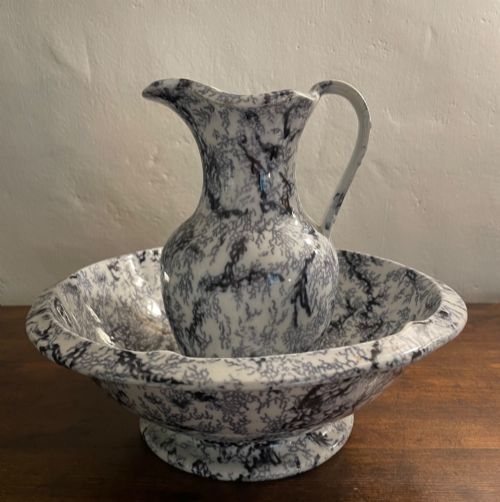
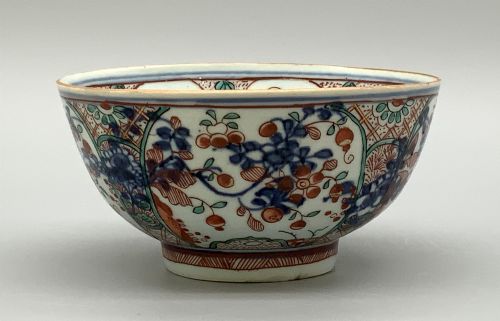
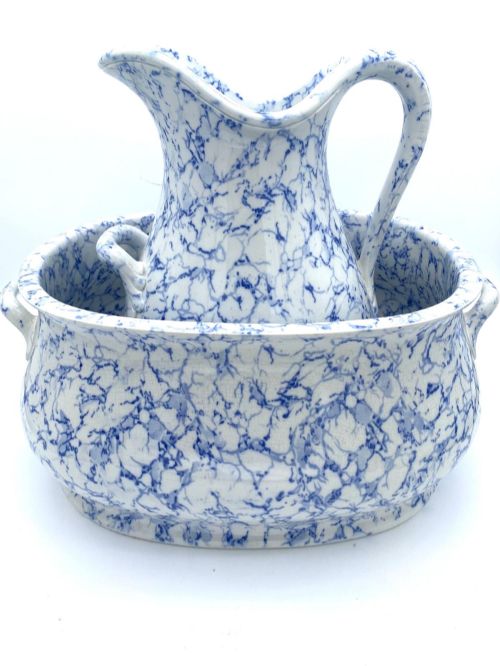
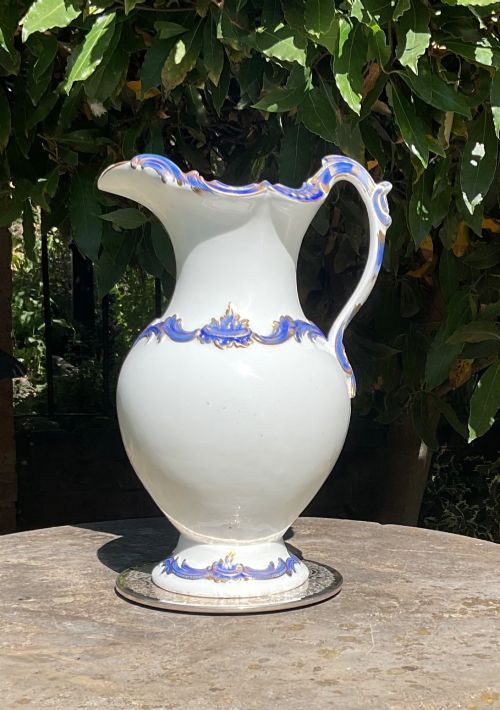
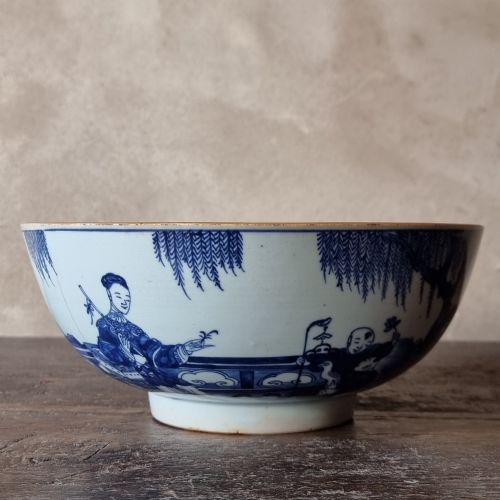
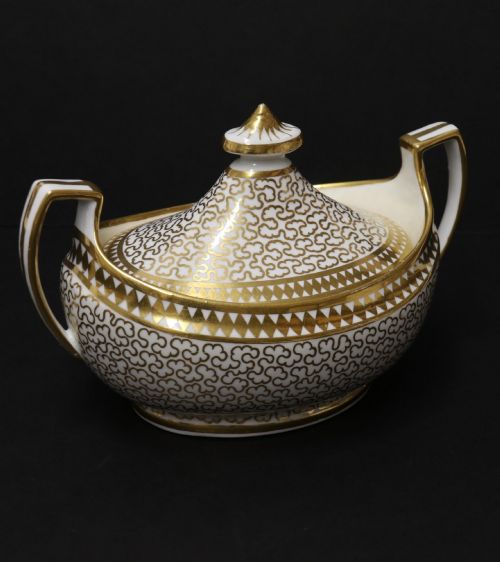
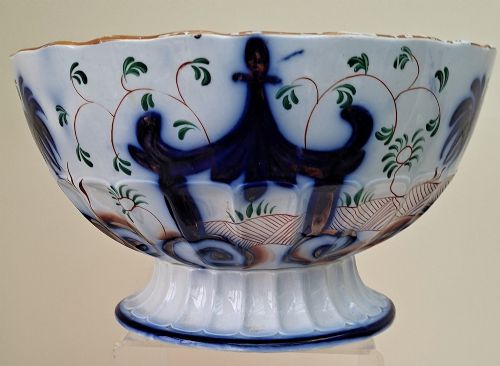
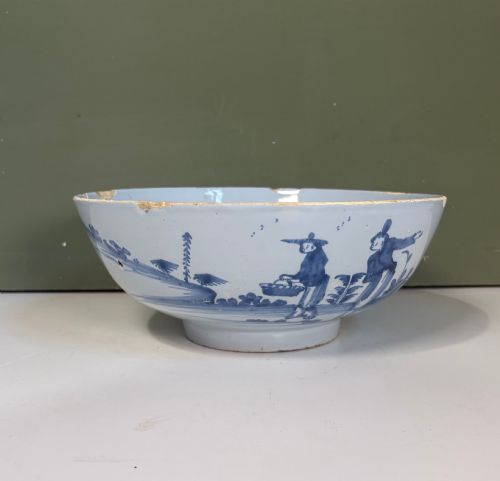
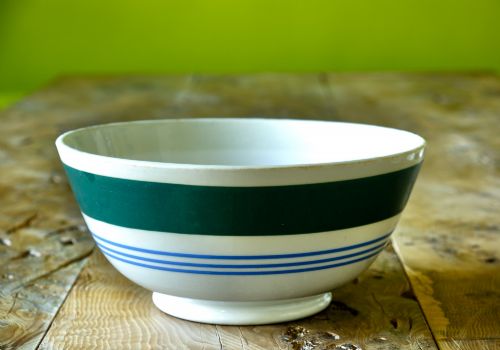
A white ceramic basin spans domestic wash sets, footbaths, punch bowls, and large jardinieres originating from English potteries and Asian export kilns. Buyers seeking a white ceramic basin encounter pieces ranging from eighteenth-century Chinese porcelain to Victorian earthenware toilet basins.
The selection encompasses utilitarian bathroom sets alongside decorative bowls and sugar boxes, reflecting diverse period aesthetics from Georgian transferware to Edwardian chamber settings. Makers utilise robust ceramic bodies to form deep vessels intended for practical service or display.
How They Were Made
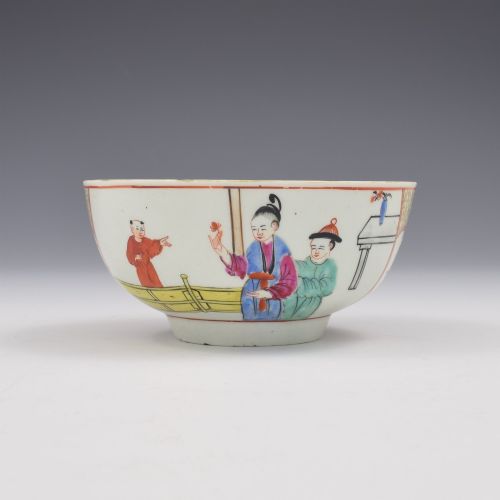
Potters shaped porcelain, earthenware, creamware, and ironstone on the wheel or pressed them into moulds before applying tin, cobalt, or enamel glazes. Many items received hand-painted detailing, gilt accents, or transfer-printed scenes beneath protective vitreous coatings.
Kiln firing transformed raw clay and mineral pigments into durable vessels, fixing cobalt blue underglazes and polychrome enamels to the ceramic surface. Artisans occasionally added gold leaf highlights or rich marble patterns to elevate the finished ware.
Listings feature porcelain, earthenware, creamware, and ironstone across the eighteenth, nineteenth, and early twentieth centuries.
What Varies in Quality
The refinement of the ceramic body and the clarity of the glaze distinguish standard utilitarian wares from superior artistic productions. Thinner porcelain bodies and crisply defined transfer prints or delicate hand-painted figures indicate higher workshop standards.
Preservation of original gilding, enamels, and glaze surfaces dictates the desirability of each vessel. Pieces retaining sharp cobalt tones and undamaged rims demonstrate careful historical handling.
Wemyss·Minton·Dr Wall Worcester·Chamberlains Worcester·T G Green·Spode·Masons·Doulton Burslem·Ridgway·Heathcote
The White Ceramic Basin Glossary
- Porcelain
- A hard, fine-grained ceramic material fired at high temperatures until vitrified and translucent. This substance forms the basis of many fine Asian and English decorative vessels.
- Earthenware
- A porous pottery body fired at lower temperatures, requiring a vitreous glaze to ensure water resistance. This material underpins much nineteenth-century utilitarian domestic ware.
- Footbath
- A large, deep basin designed for washing feet, often fitted with side handles and generous proportions. These substantial vessels frequently feature elaborate transfer-printed patterns.
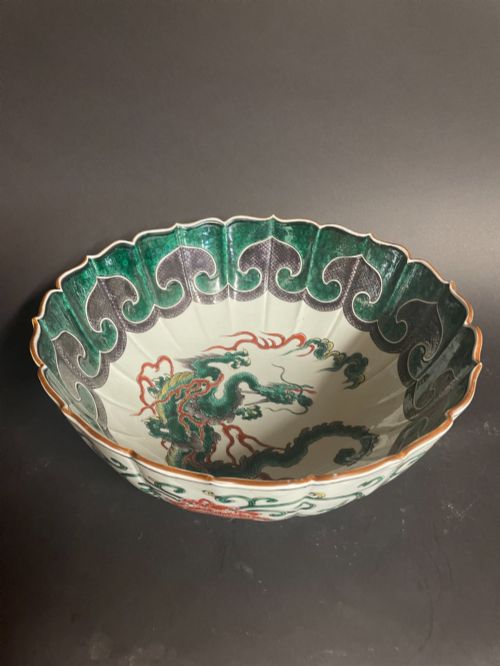
- Imari
- A decorative style originating in Japan and copied in Europe, characterised by underglaze blue, iron red, and gilt highlights. This palette appears frequently on export porcelain bowls.
- Creamware
- A refined light-coloured earthenware developed in the eighteenth century with a warm yellowish glaze. It provided a versatile surface for domestic and table ceramics.
- Sucrier
- A small covered vessel designed to hold sugar on the dining table. These pieces match larger tea and wash set ceramics from the same period.
White Ceramic Basin: Frequently Asked Questions
What is a white ceramic basin used for?
These vessels served diverse roles ranging from personal washing in Victorian bedchambers to holding punch or displaying decorative plants in grand rooms.
Many survive as part of complete washstand sets alongside matching water jugs, while others functioned independently for dining or kitchen tasks.
How do I care for antique ceramic basins?
Gentle cleaning with warm water and mild soap protects delicate enamel decorations, gold leaf highlights, and aged glaze surfaces from chemical harm.
Avoiding abrasive scrubbers preserves the original ceramic body and prevents scratching on both earthenware and porcelain pieces.
How can I tell eighteenth-century pieces apart?
Eighteenth-century items often exhibit characteristic potting traits, such as unglazed foot rims on Chinese export porcelain and thinner, translucent bodies.
Stylistic markers like hand-painted Chinese figures or Imari palettes help separate these early vessels from later nineteenth-century transferware.
What is the difference between porcelain and earthenware?
Porcelain is fired at much higher temperatures until the clay vitrifies, resulting in a dense, non-porous material that is frequently translucent.
Earthenware remains more porous and requires an opaque or clear glaze to seal the surface, forming heavier domestic wares.