

Georgian Nightstand Table
These georgian nightstand table pieces are compact bedside cupboards and lamp tables that bring period timber and proportion to a bedroom.
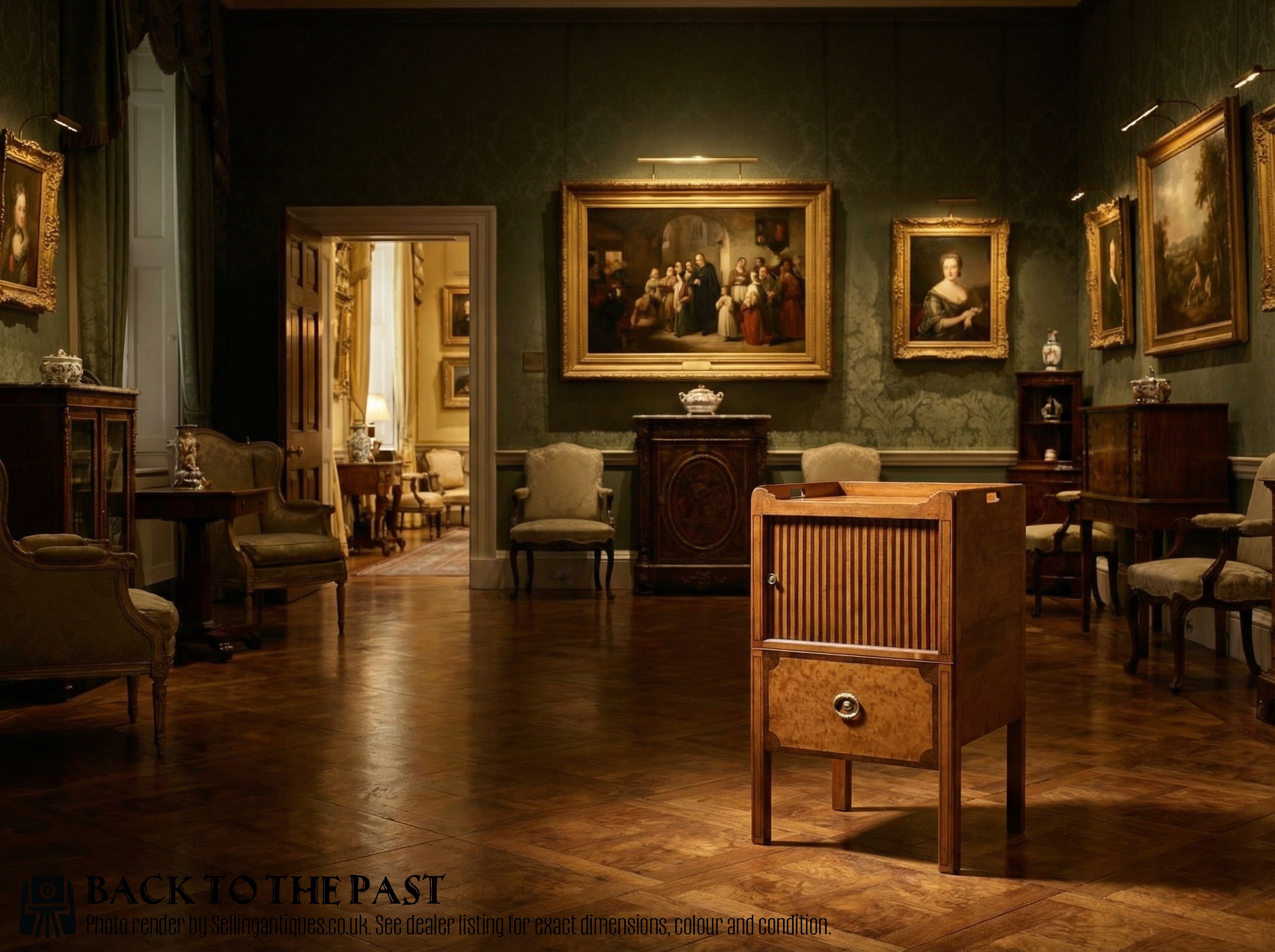
Georgian Nightstand Table
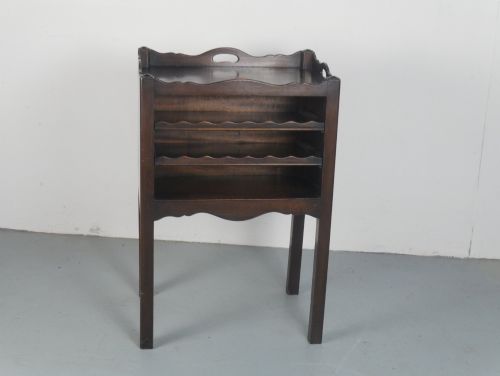
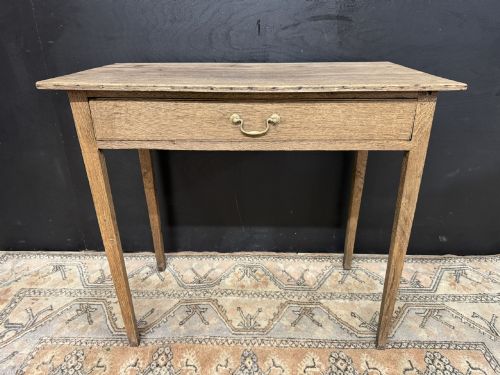
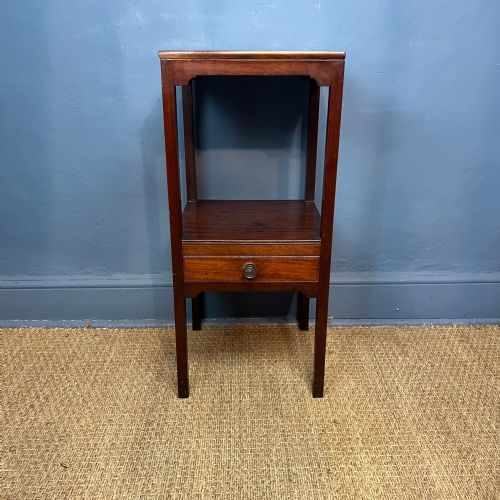
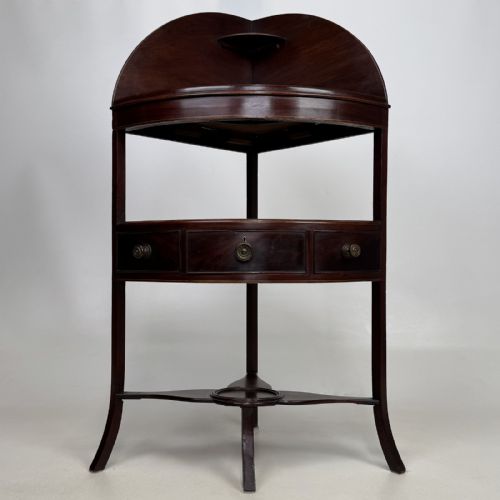
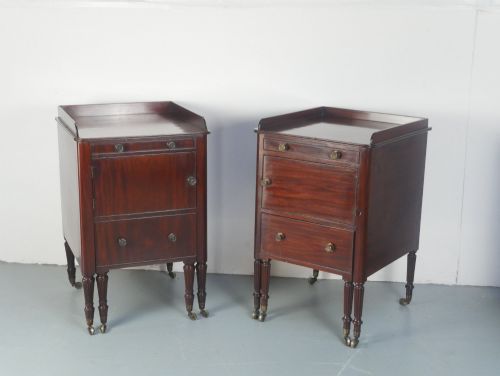
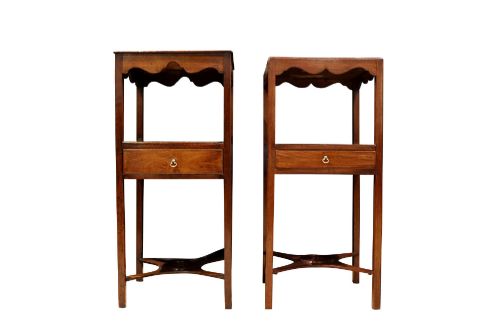
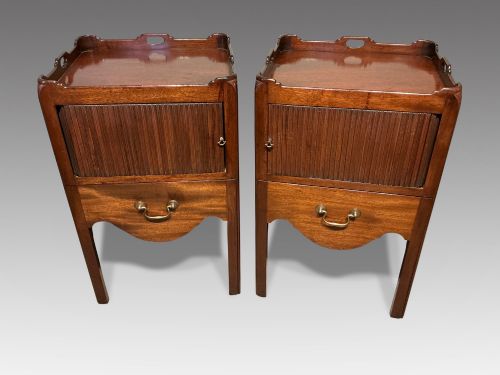
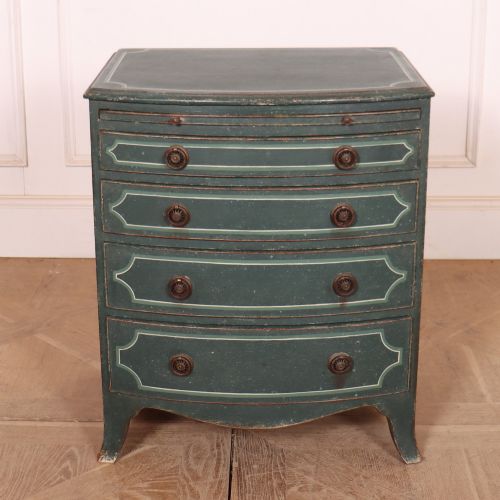
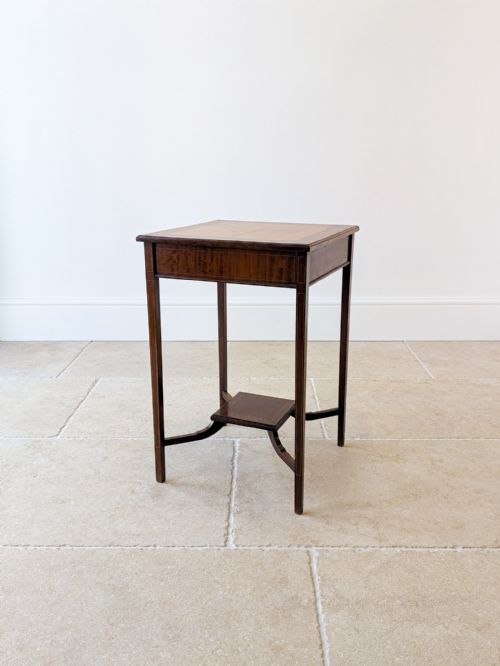
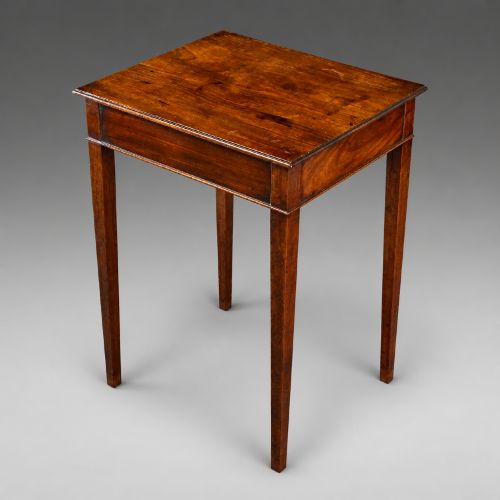
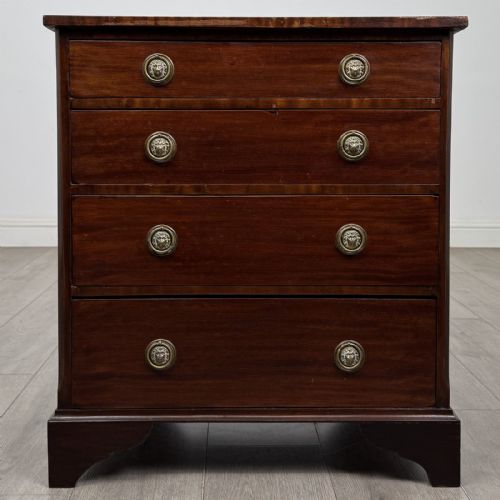
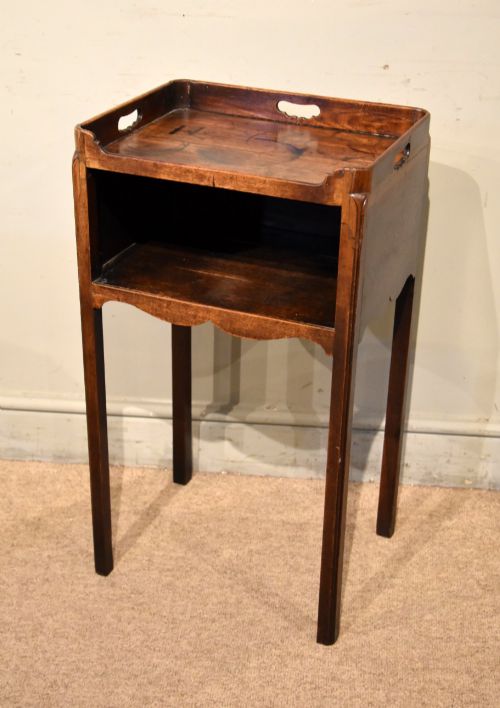
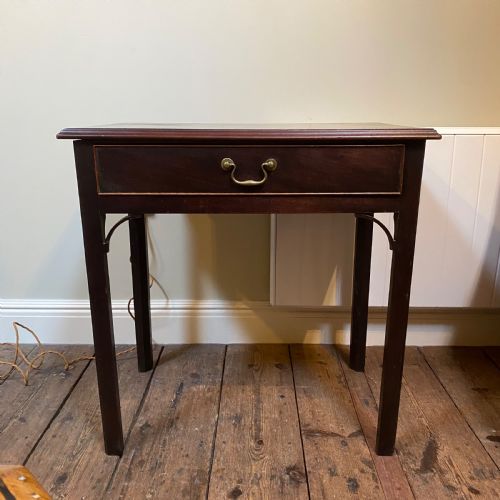
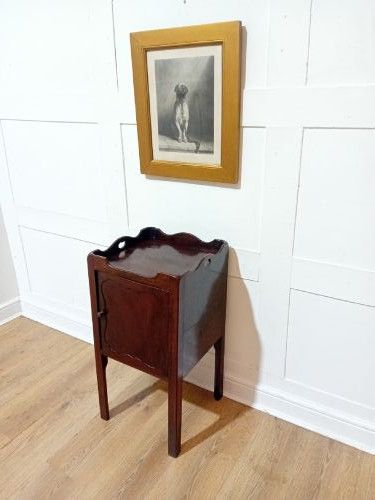
A georgian nightstand table typically takes the form of a bedside cabinet, pot cupboard, small chest of drawers, or lamp table designed to sit beside a bed. The selection includes genuine eighteenth-century pieces alongside later revival interpretations from the nineteenth and twentieth centuries.
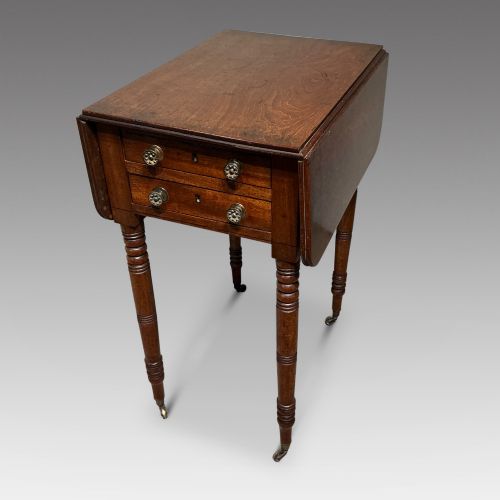
Makers and cabinetmakers produced these compact items in various configurations, including tray top designs, drop leaf sides, and corner cabinets. Walnut, oak, and mahogany appear frequently across the different forms.
Period examples sit alongside pieces built in the Edwardian era and the nineteen-twenties, demonstrating how the compact bedside table evolved while retaining its core function.
Materials and Construction
Cabinetmakers relied heavily on solid mahogany and figured veneers such as burr walnut and satinwood, often accentuating the timber with crossbanding and brass hardware. Oak and elm appear in utilitarian forms like close stools disguised as small chests.
Secondary timbers support the primary show woods, while traditional joinery methods secure the drawers, cupboards, and drop leaves. Wax finishes protect the surfaces and highlight the grain patterns of the timber.
Georgian Nightstand Table Retail Price Guide 2026
Typical asking prices for georgian nightstand table among the pieces listed under this phrase on Sellingantiques today, from the lower quarter to the upper quarter. They describe what is for sale here now, not the wider market.
The selection includes pieces spanning from the eighteenth century through the Georgian and Regency periods, up to Edwardian and 1930s revivals in mahogany and walnut.
Evaluating Quality
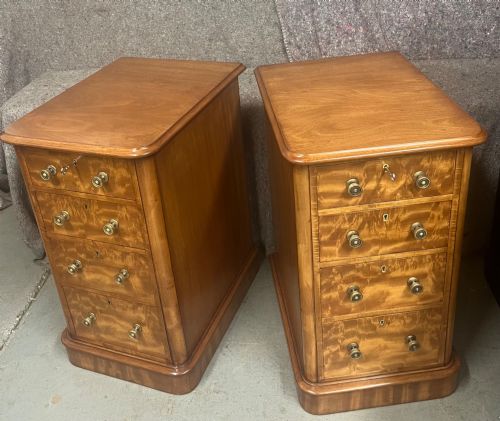
The choice of timber grain and the crispness of any carved detailing dictate the distinction between standard production and superior cabinet work. Matched pairs require consistency in timber selection and proportion across both items.
Original brass handles, stable drawer construction, and clean interior surfaces indicate better preservation and higher workshop standards from the outset.
Holland and Sons
The Georgian Nightstand Table Glossary
- Tray top
- A raised rim around the upper edge of a table or cabinet designed to prevent items from rolling off. This feature appears frequently on eighteenth-century examples.
- Pembroke table
- A small table with hinged drop leaves on two opposing sides supported by folding brackets. These versatile pieces function well as lamp tables.
- Crossbanding
- A narrow strip of veneer applied to the border of a furniture top so that the grain runs at right angles to the main surface. It provides a neat decorative frame.
- Close stool
- An enclosed piece of furniture designed to house a chamber pot, often disguised as a small chest of drawers or cupboard. Oak and elm are typical timbers for these items.
Georgian Nightstand Table: Frequently Asked Questions
What is a georgian nightstand table used for?
These compact items serve primarily as bedside storage for lamps, books, and personal items. Their enclosed cupboards and small drawers keep bedroom surfaces tidy.
They also function as lamp tables or side tables in sitting rooms where space is limited.
How do I date a georgian nightstand table?
Examination of the timber, secondary woods, and construction joints provides the primary clues for dating. Eighteenth-century pieces display different hand-cut dovetails compared to later Edwardian or twentieth-century revivals.
Design motifs such as Chippendale frets or Sheraton crossbanding also point towards specific periods of manufacture.
Are pairs difficult to find?
Matched pairs of bedside tables appear regularly alongside single items, though original period pairs from the eighteenth century are scarcer than twentieth-century revival sets.
Makers often produced these tables in pairs to flank a bed symmetrically.
What woods were used?
Mahogany is the dominant timber across the selection, appearing in both solid form and as veneer. Walnut, burr walnut, satinwood, oak, and elm also feature.
Brass fittings and leather accents complete the material palette of these pieces.