


Antique Tray Top Cabinet
An antique tray top cabinet brings practical bedside storage and classic proportions to a room.
Antique Tray Top Cabinet
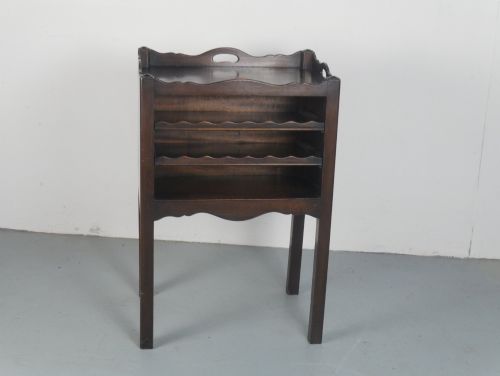
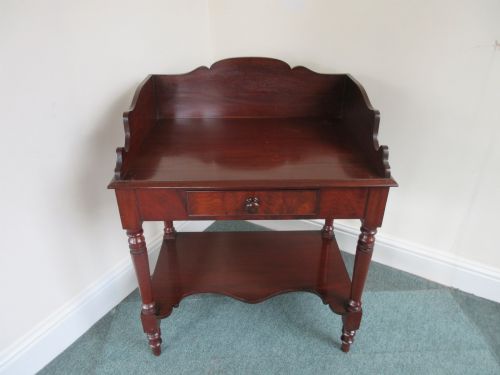
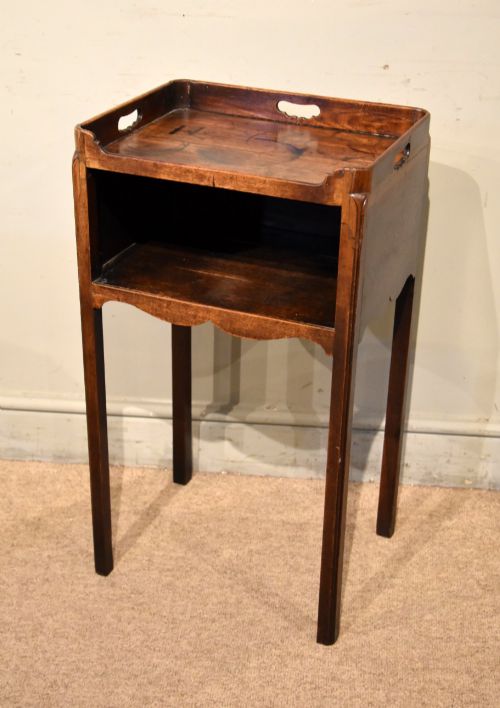
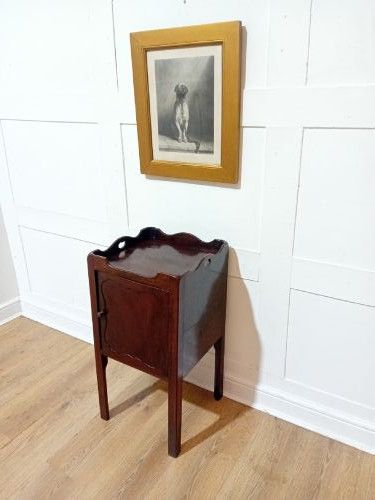
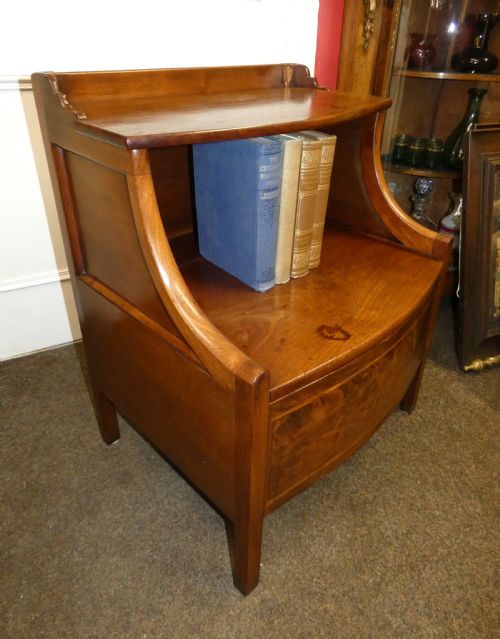
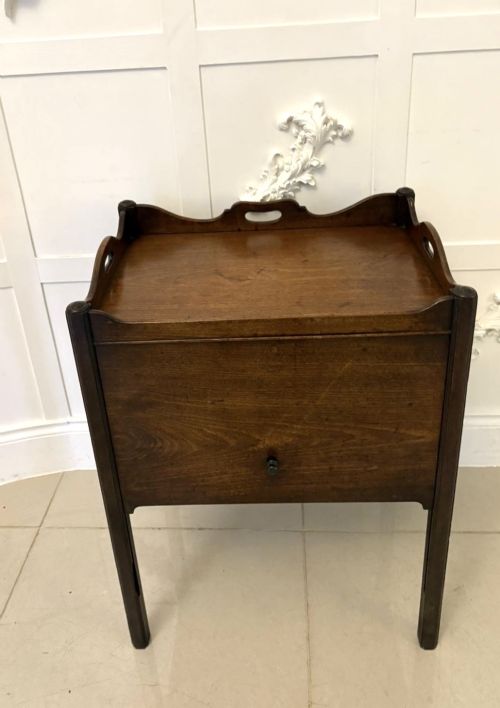
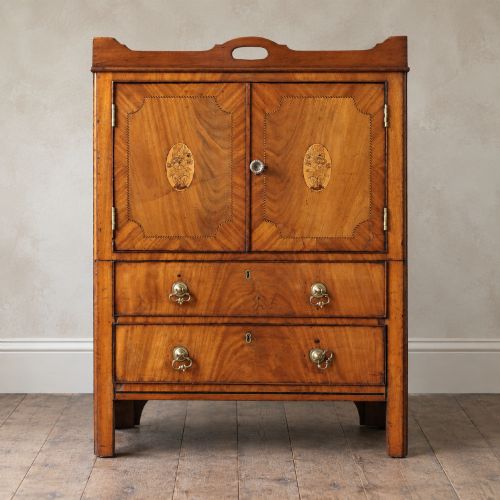
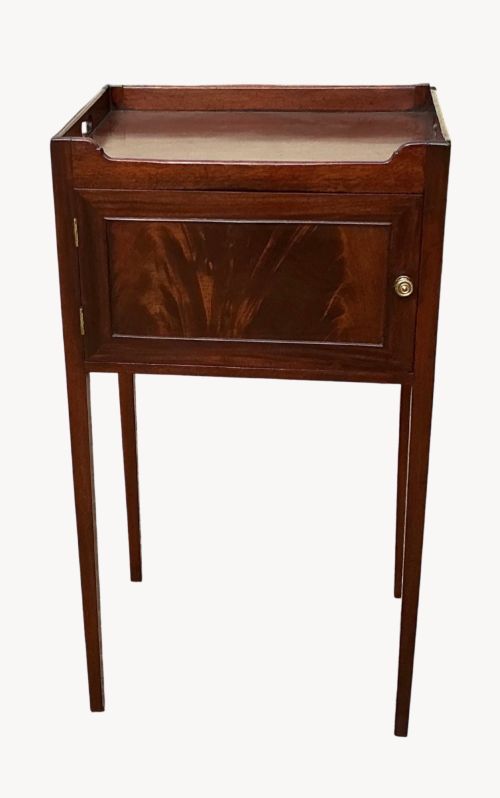
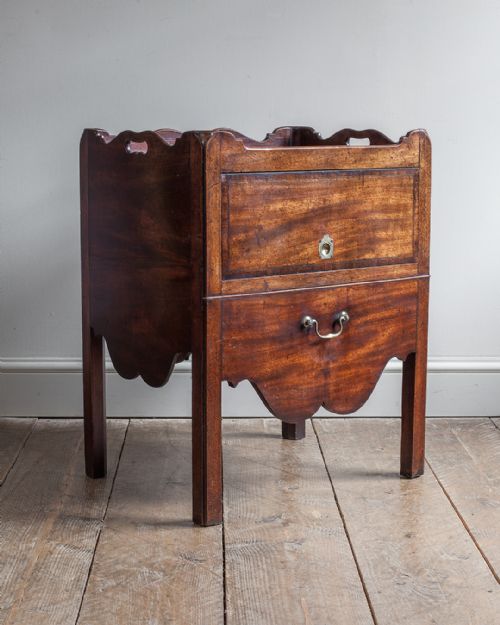
When you search for an antique tray top cabinet, you are looking at specialised bedside furniture designed to hold chamber pots, lamps, or night accessories safely. These pieces most often appear as Georgian, Regency, or Victorian cupboards and commodes featuring a raised gallery edge around the top surface. The form provides a secure enclosure for nighttime essentials while offering a compact footprint suited for smaller spaces.
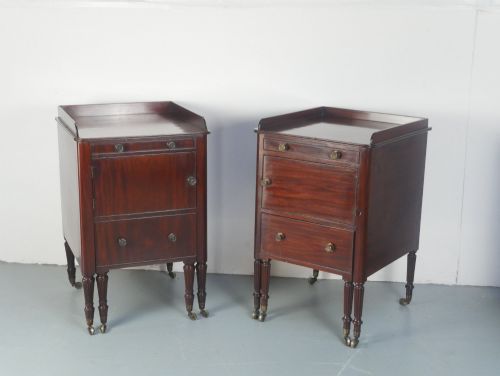
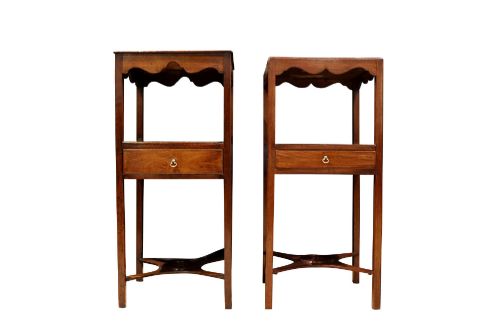
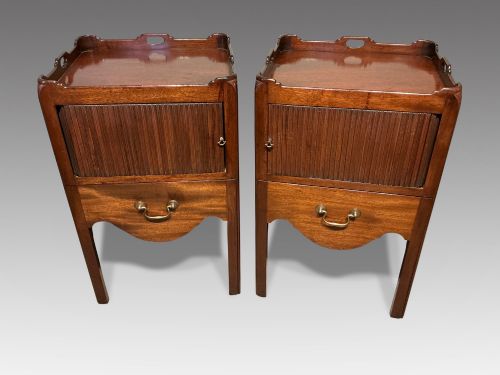
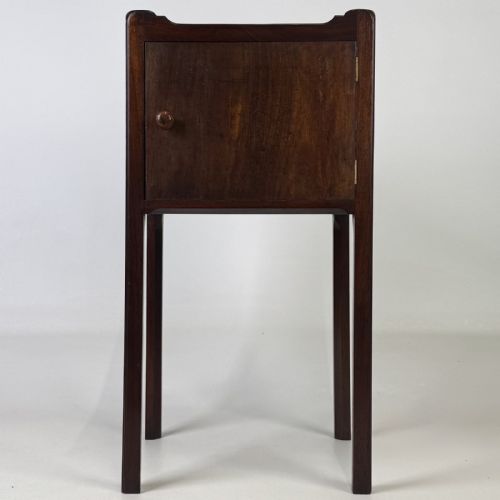
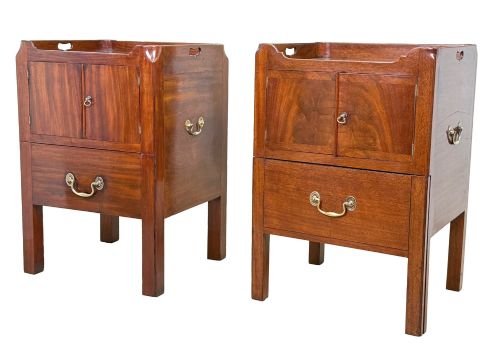
The versions you are most likely to meet on this page date from the eighteenth century through to the early twentieth century, spanning Georgian, Regency, Edwardian, and later revival periods. They commonly take the form of bedside tables, nightstands, and pot cupboards constructed in durable timber. Many survive as matched or identical pairs, particularly among the later Edwardian and revival examples.
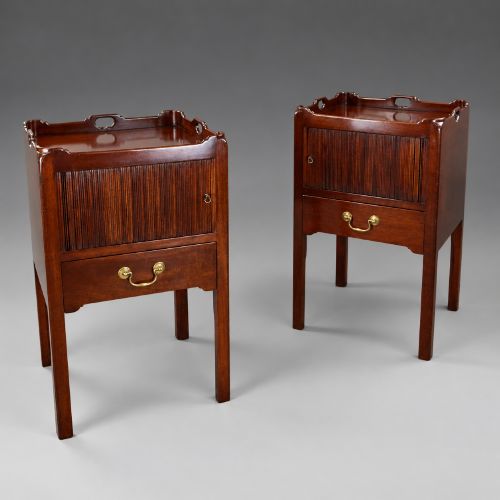
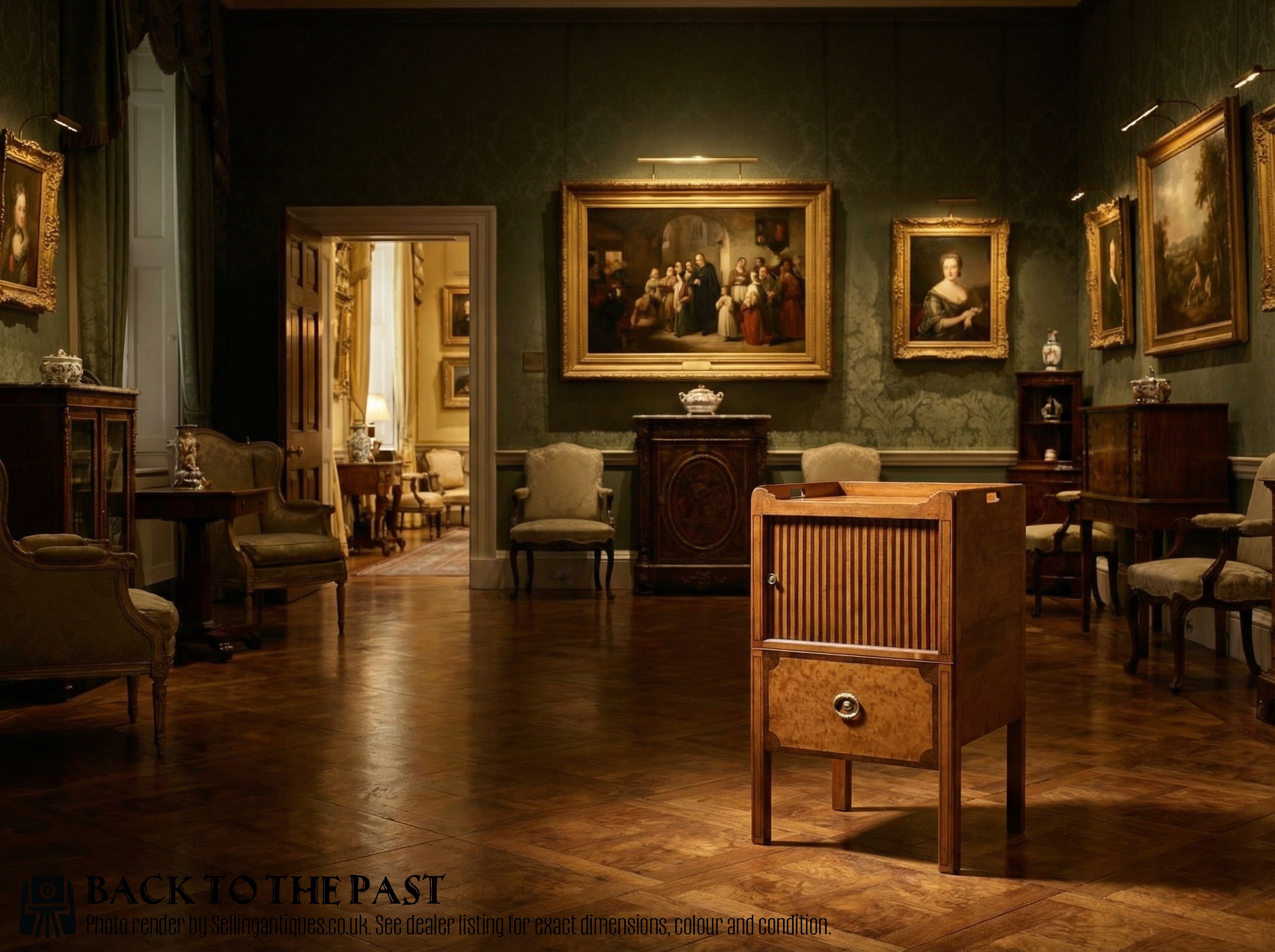
Makers designed these cabinets with hinged doors or tambour fronts concealing interior storage space, sometimes paired with pull-out tray sections. The raised tray top distinguishes them from standard flat-topped tables, serving to prevent items from rolling off the surface. Their proportions reflect the domestic requirements of period bedrooms, where discrete storage near the bed remained essential.
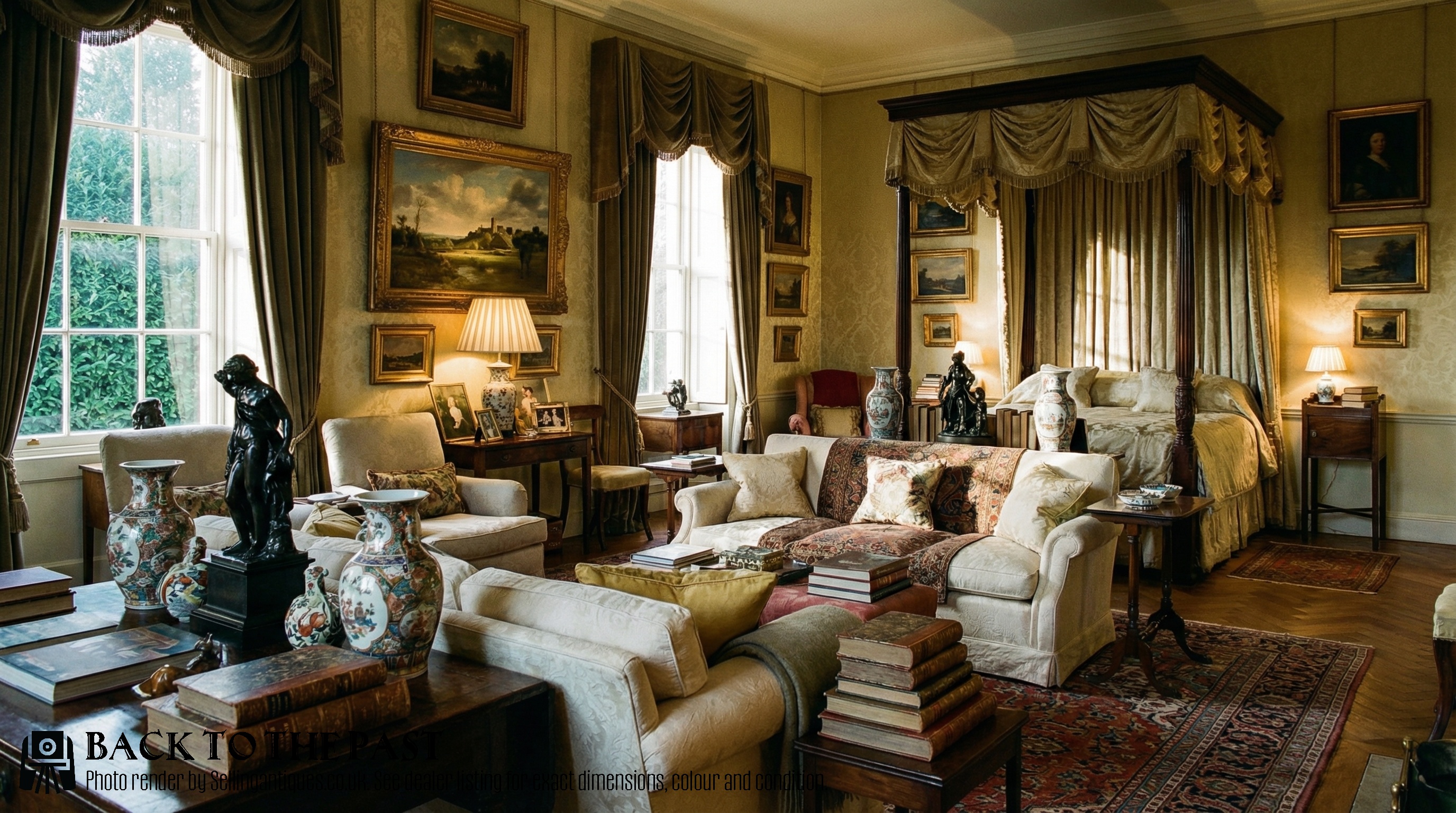
What varies in quality
The calibre of an antique tray top cabinet depends heavily on the crispness of its joinery and the selection of timber used for the carcase. Finer examples display carefully matched flame mahogany veneers and precise inlay work that integrate smoothly with the overall design.
Proportion and the retention of original brass hardware or fitted interior components elevate certain pieces above standard utility items. The execution of the gallery edge itself separates standard workshop output from superior cabinet work.
Antique Tray Top Cabinet Retail Price Guide 2026
Typical asking prices for tray top cabinet among the pieces listed under this phrase on Sellingantiques today, from the lower quarter to the upper quarter. They describe what is for sale here now, not the wider market.
The inventory spans Georgian, Regency, Victorian, Edwardian, and 1930s revival styles presented as bedside tables and pot cupboards.
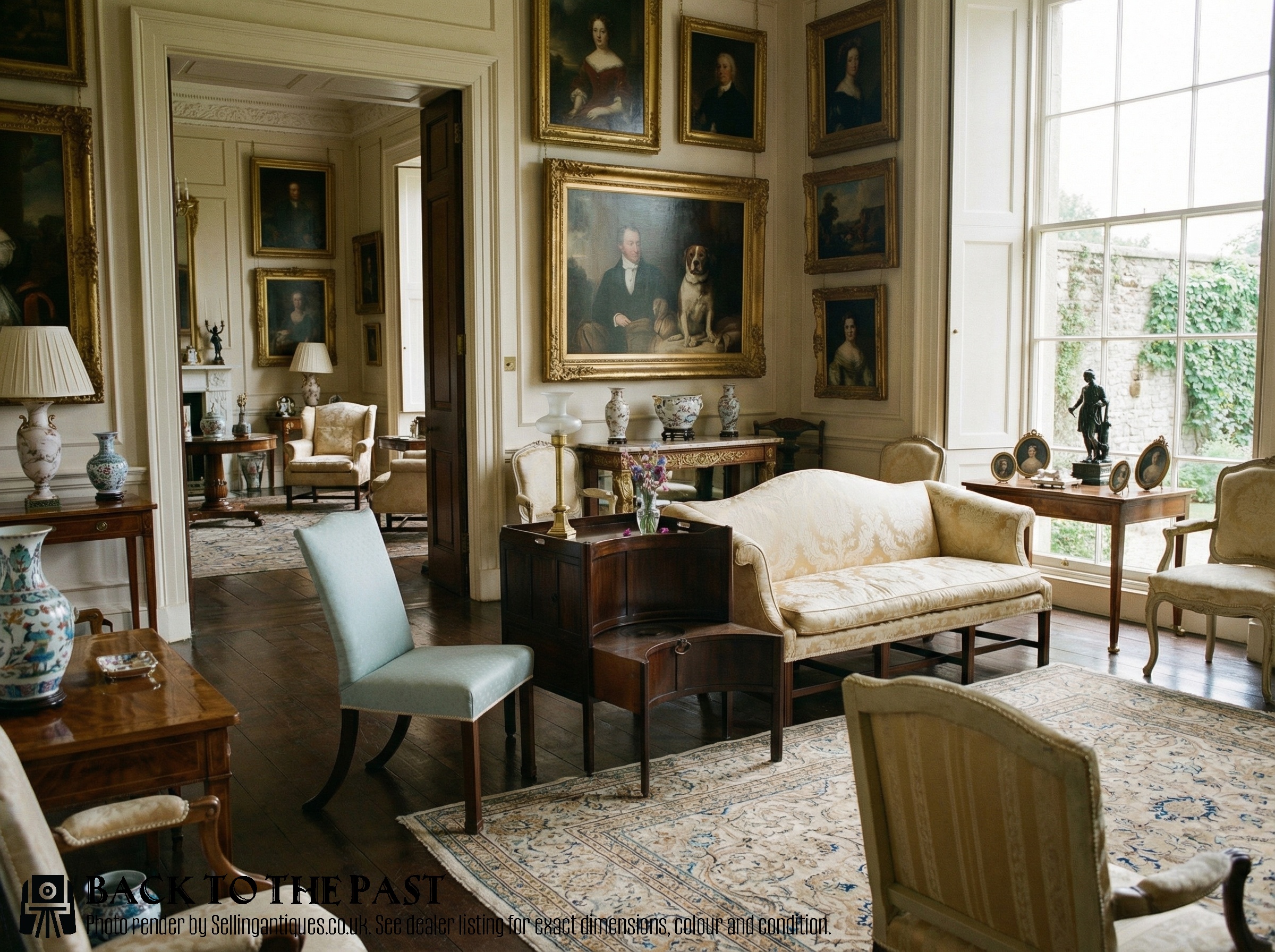
The Antique Tray Top Cabinet Glossary
- Tray top
- A table or cabinet surface finished with a raised rim or gallery on three or four sides. This edge prevents bottles, glasses, or small items from slipping off.
- Pot cupboard
- A small enclosed bedside cabinet originally designed to house a chamber pot. They frequently feature a single door above a concealed lower compartment.
- Commode
- A term historically applied to enclosed bedside tables with cupboards or drawers. In this context, it describes freestanding bedroom storage rather than sanitary plumbing.
- Tambour front
- A flexible shutter door constructed from narrow vertical strips of wood glued to a canvas backing. It slides smoothly within grooved tracks to conceal the cabinet interior.
- Satinwood
- A pale, lustrous timber imported from the tropics, utilised extensively for contrasting stringing and decorative veneer panels during the eighteenth and nineteenth centuries.
Antique Tray Top Cabinet: Frequently Asked Questions
What is a tray top cabinet used for?
These cabinets function primarily as bedside tables or nightstands, offering enclosed storage for personal items. The raised edge on the top surface provides security for lamps, books, or drinks.
Historically, they served to conceal chamber pots and night accessories out of sight. Today, they integrate easily into modern bedrooms as functional lamp tables with traditional character.
How do I date an antique cabinet?
Dating relies on examining the timber species, construction methods, and stylistic cues present in the piece. Eighteenth-century models often feature solid mahogany construction and hand-cut dovetails.
Later revival pieces from the Edwardian era or the 1920s and 1930s adopt earlier Georgian proportions but utilise machine-cut elements and distinct veneer techniques. Comparing the hardware and internal secondary woods helps confirm the period.
Are these cabinets found in pairs?
Yes, many bedside cabinets survive as pairs, either originating together or assembled as matched sets by dealers. Edwardian and 1930s revival periods produced numerous dual configurations for balanced bedroom layouts.
Eighteenth-century matching pairs are scarcer due to the passage of time and the dispersal of original room furnishings. Single pieces remain common for eclectic interior schemes.
How do I care for mahogany furniture?
Mahogany requires stable room humidity and protection from direct sunlight to prevent timber movement and fading. Dusting regularly with a soft, dry cloth preserves the polished surface.
Application of traditional beeswax helps nourish the wood and maintain its natural lustre over time. Avoid placing damp items directly on the tray top to protect the finish.