

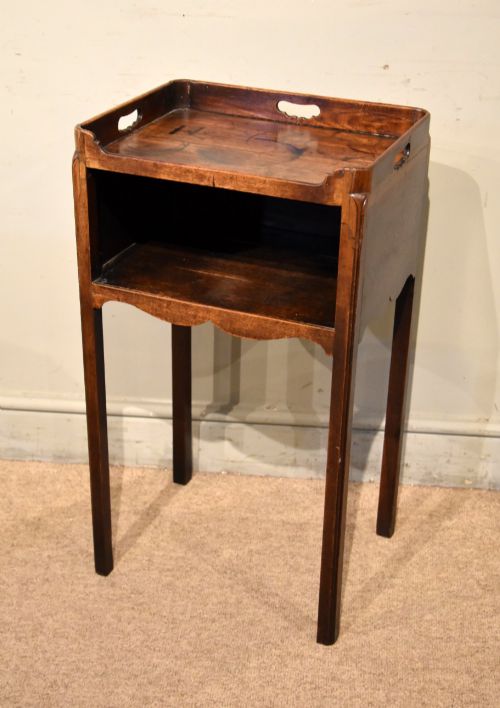
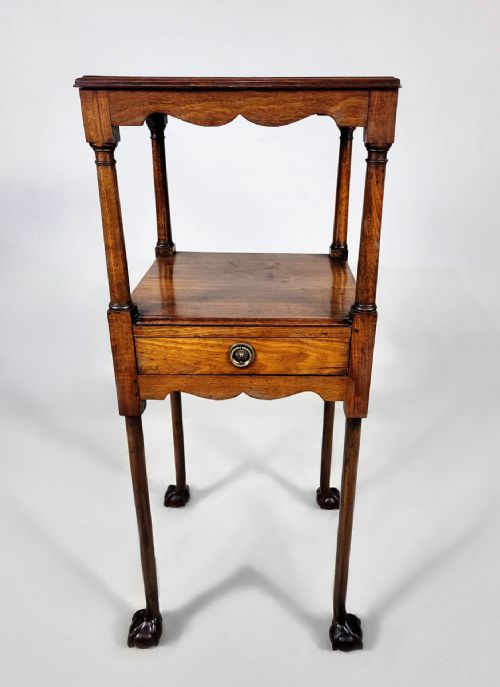
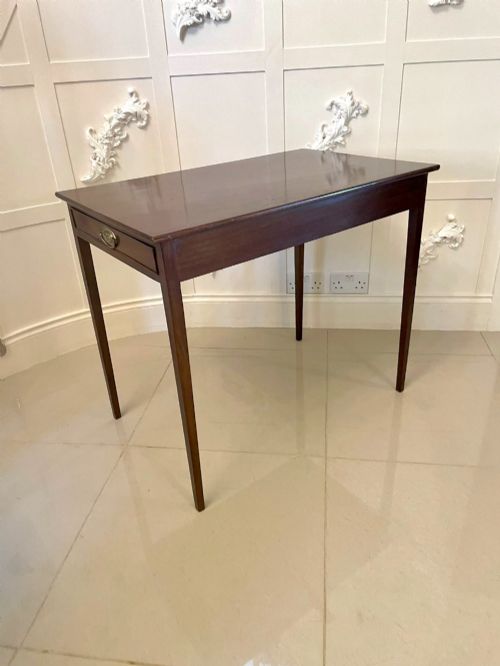
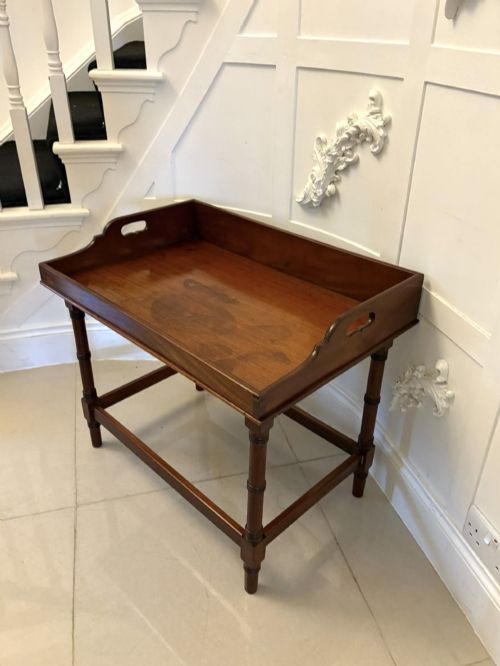
George III Nightstand
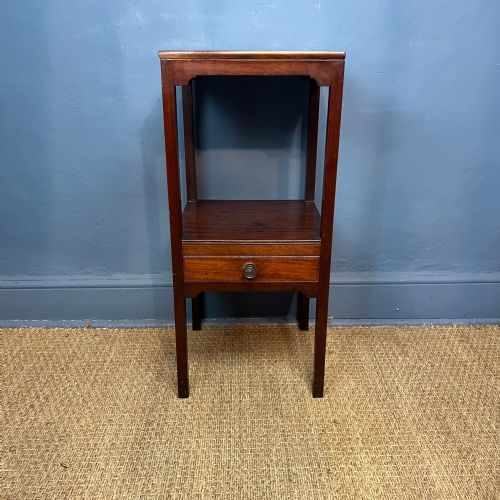
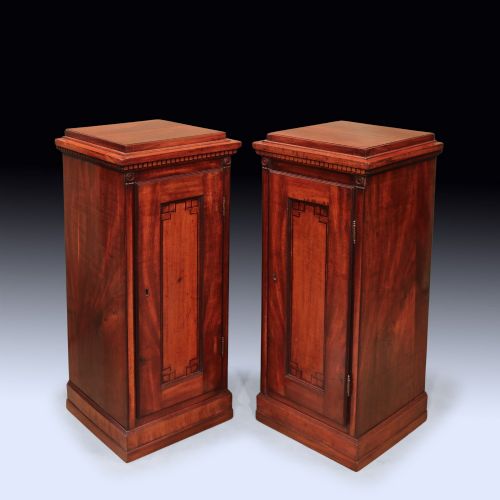
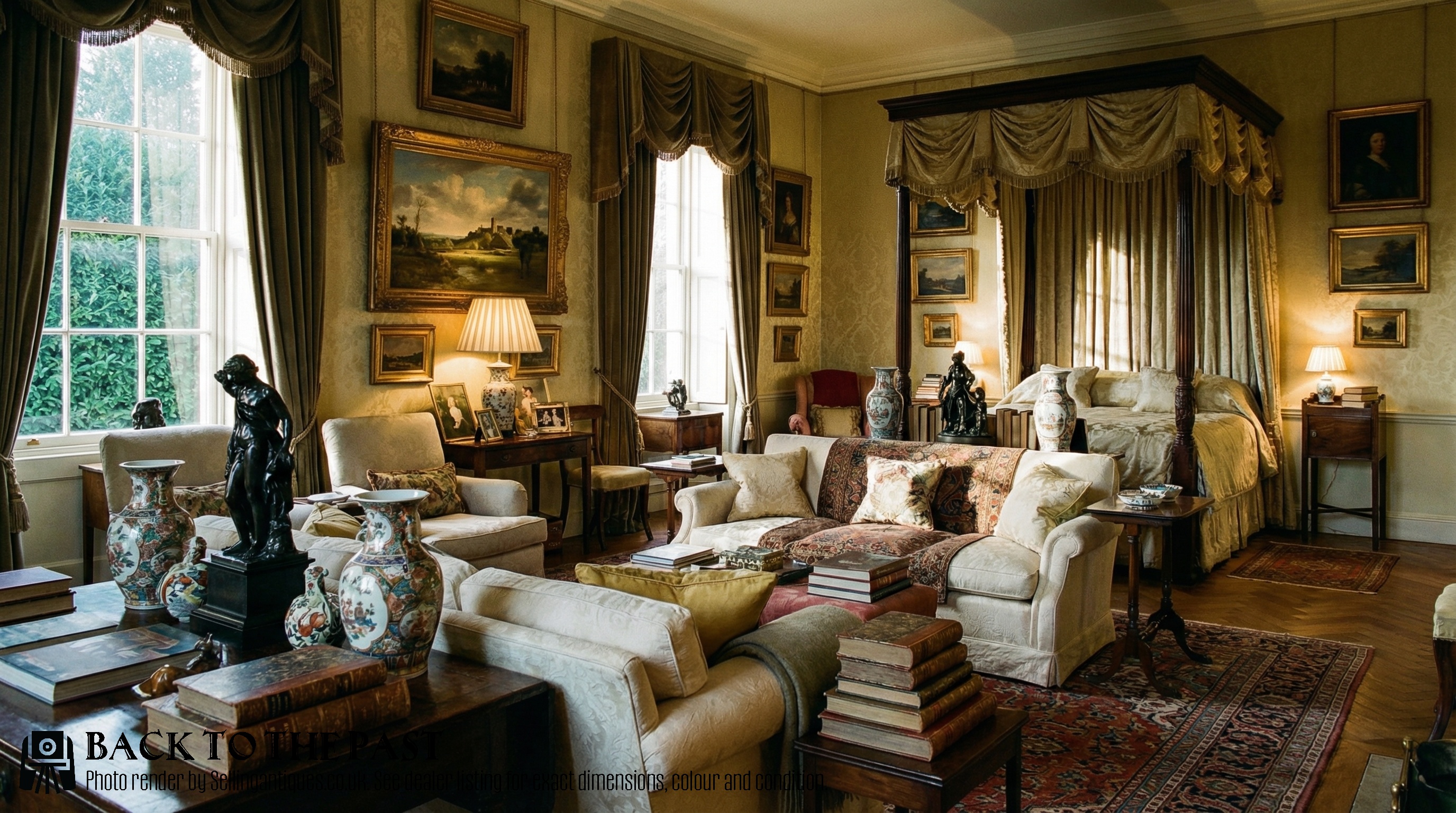
A george iii nightstand brings eighteenth-century proportion and quiet utility to the bedside, offering enclosed storage with distinct architectural character.
George III Nightstand
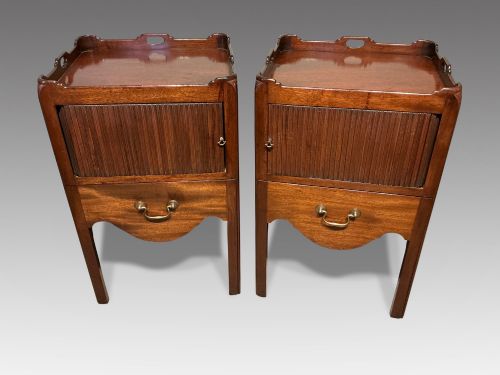
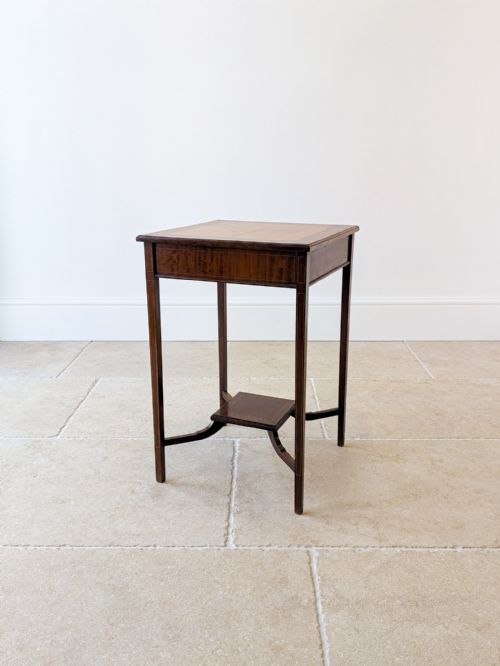
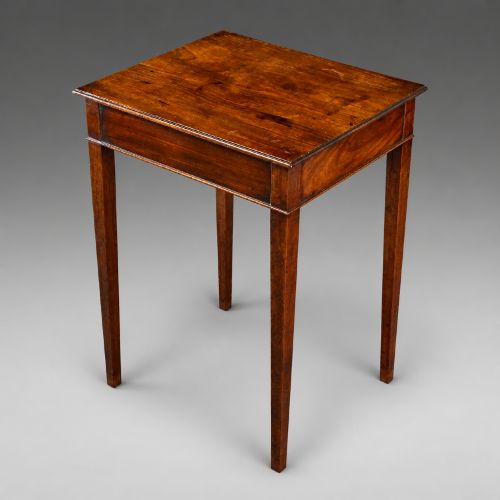
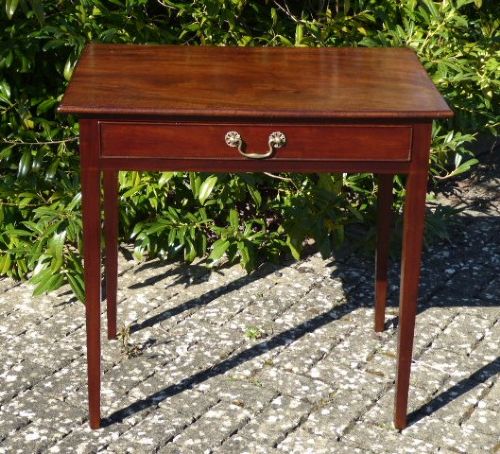
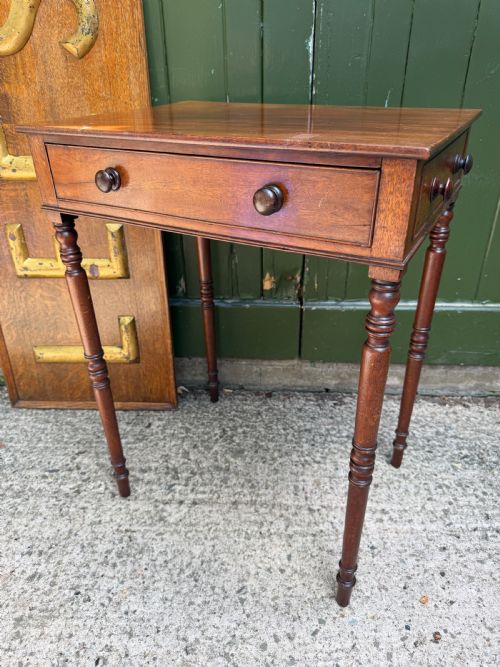
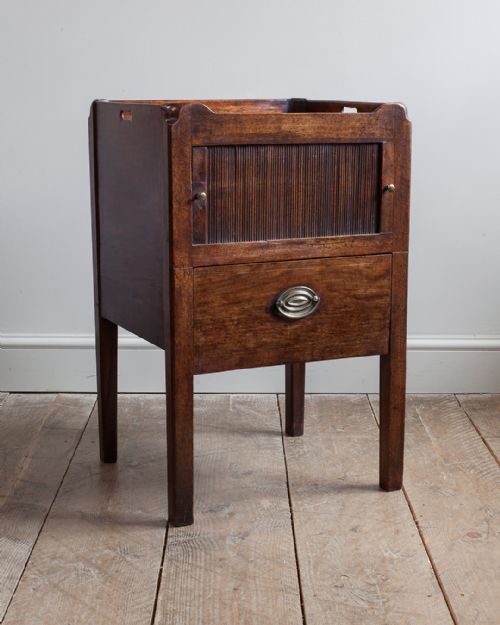
Beyond the standard enclosed cabinet, buyers encounter tray top variations, tambour front commodes, and serpentine or bow front designs. The selection also includes occasional tables, work tables, and washstands stemming from the eighteenth and early nineteenth centuries.
Most examples hail from the Georgian and George III periods, though related pieces span from the seventeenth century through to later reproductions from nineteen-twenty. The core forms remain functional items intended to hold chamber pots or serve bedrooms and private chambers.
What varies in quality
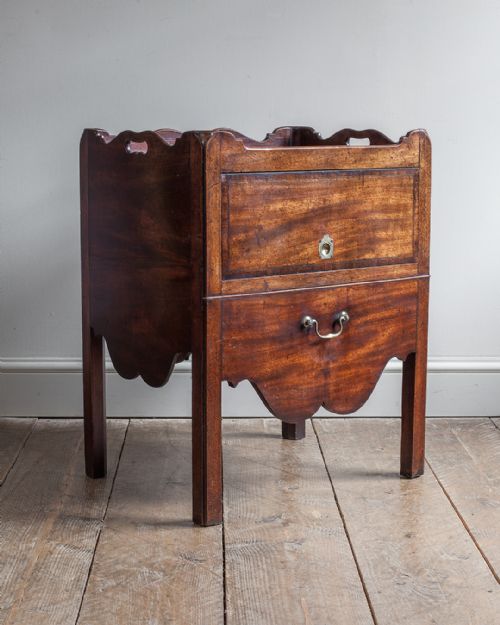
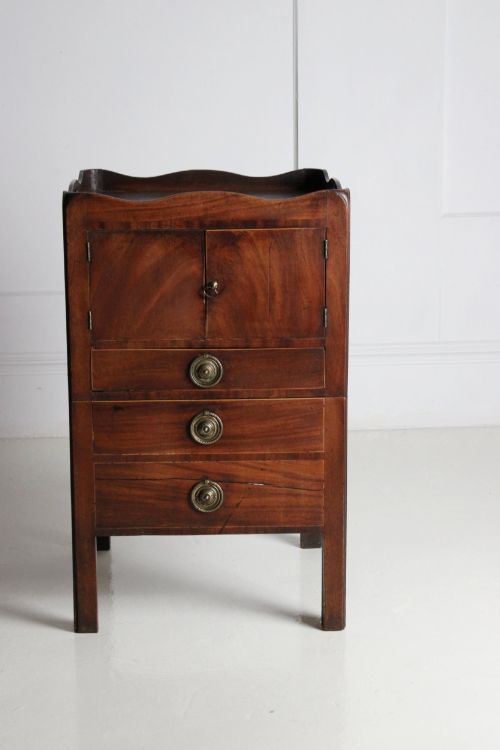
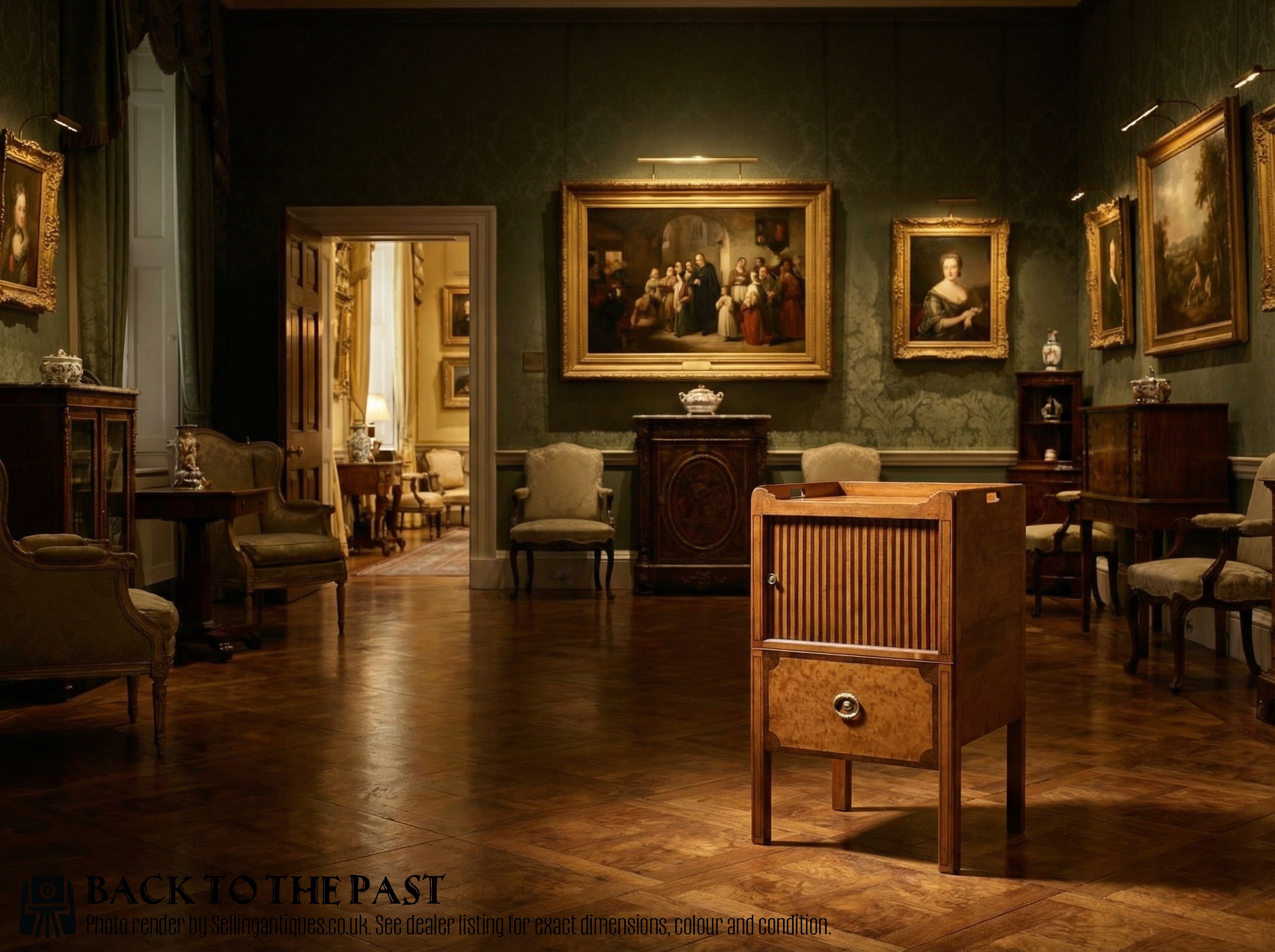
Quality in a george iii nightstand rests largely on the choice of timber and the precision of its grain, where well-figured mahogany elevates a standard bedside cupboard into a sophisticated piece of furniture. Draughtsmanship and proportions dictate whether a piece feels heavy or possesses the elegant balance associated with the period.
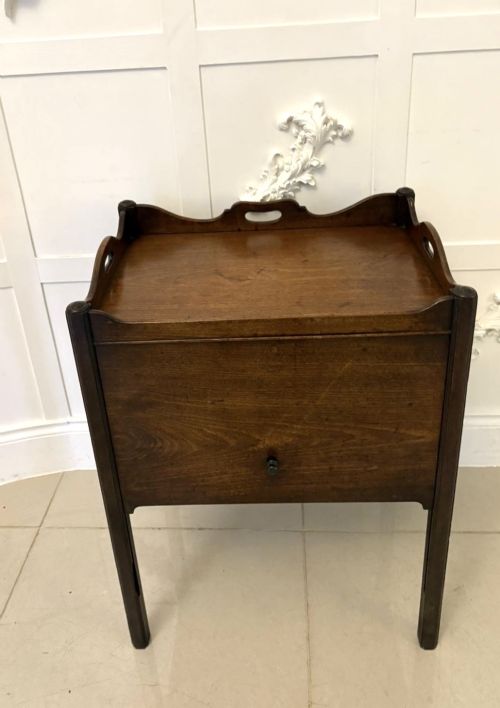
Refinements such as serpentine fronts, concave curves, tambour sliding doors, and delicate boxwood stringing distinguish finer workshop output from plain utility pieces. The presence of original brass work and intact tray tops further separates standard regional items from high-specification examples.
George III Nightstand Retail Price Guide 2026
Typical asking prices for george iii nightstand among the pieces listed under this phrase on Sellingantiques today, from the lower quarter to the upper quarter. They describe what is for sale here now, not the wider market.
Listings feature woods such as mahogany, satinwood, and boxwood, alongside functional additions of brass hardware and leather inserts.
The George III Nightstand Glossary
- Nightstand
- A small bedside table or cabinet designed to hold chamber utensils or personal items during the night. They often feature enclosed lower cupboards and elevated gallery tops.
- Commode
- A decorative enclosed cabinet or chest of drawers on legs, which during the eighteenth century frequently doubled as a bedside nightstand or housing for a chamber pot.
- Tambour
- A flexible shutter made of narrow vertical strips of wood glued to canvas, allowing curved cabinet doors to slide open smoothly without projecting hinges.
- Tray top
- A tabletop finished with a raised moulded edge or pierced gallery designed to prevent items or lamps from sliding off the surface.
- Pembroke table
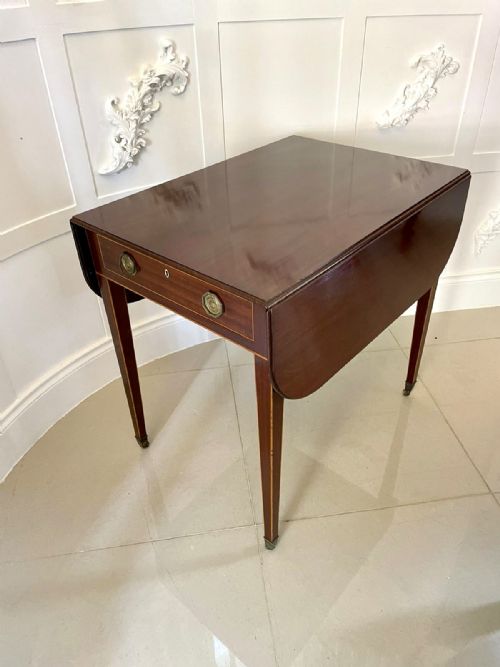
- A small drop-leaf table with hinged flaps on either side, introduced during the eighteenth century for versatile use as a breakfast or work table.
George III Nightstand: Frequently Asked Questions
What is a george iii nightstand?
A george iii nightstand is a small eighteenth-century cabinet or table designed for bedroom use, typically housing a cupboard space beneath a tray or panelled top.
Cabinetmakers built these pieces primarily from mahogany to serve as discreet bedside storage for chamber pots and personal belongings.
How do I identify a george iii piece?
Identification relies on observing characteristic eighteenth-century proportions, solid mahogany construction, and period-specific details like boxwood inlay or brass handles.
Look for traditional joinery methods and classical design motifs that align with Georgian cabinetmaking standards rather than later twentieth-century manufacturing.
What is a tambour front nightstand?
A tambour front nightstand incorporates a sliding door made from narrow wooden slats attached to a flexible fabric backing.
This mechanism allows the front of the cabinet to curve smoothly around corners, concealing the interior storage without swinging doors.
How were bedside commodes used?
Bedside commodes functioned primarily as enclosed housing for chamber pots before modern indoor plumbing became standard in domestic homes.
During the day, their panelled doors and refined wood veneers allowed them to pass simply as handsome side cabinets or lamp tables.
Are these tables suitable for modern bedrooms?
These compact wooden cabinets fit easily beside modern beds while offering practical enclosed storage for contemporary bedside essentials.
Their restrained historical aesthetic blends readily with varied interior styles without overwhelming smaller room layouts.