

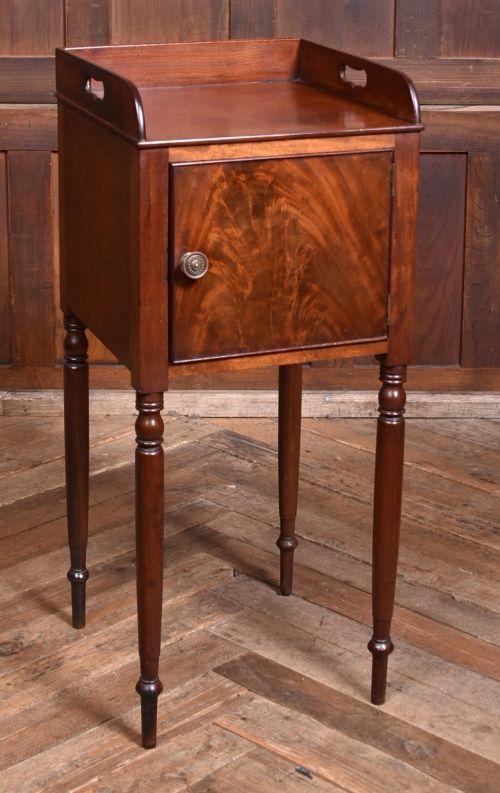
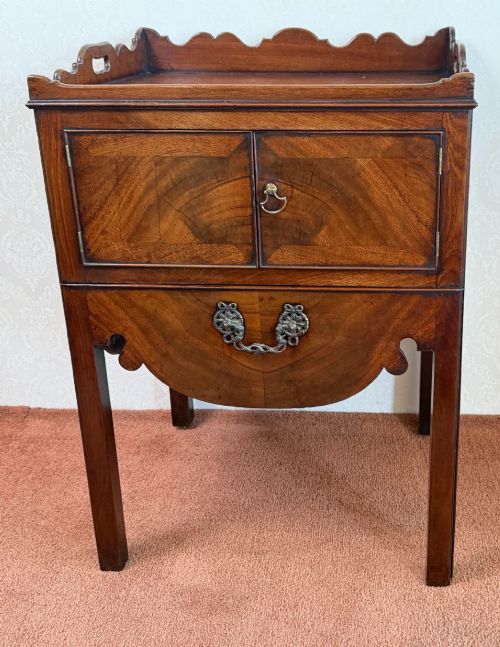
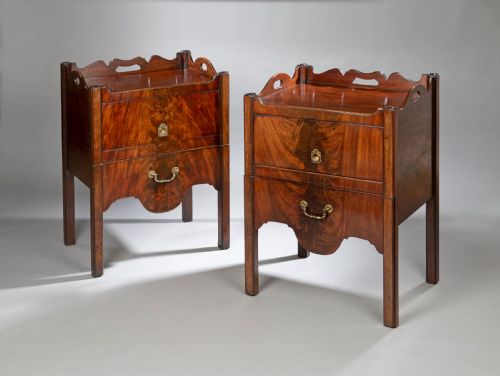
Mahogany Bedside Commode
A mahogany bedside commode is a practical piece of bedroom furniture designed to house chamber pots or serve as a night table, offering period craftsmanship for modern homes.
Mahogany Bedside Commode
A mahogany bedside commode represents a functional item of historic bedroom furniture originally built to conceal sanitary equipment. Buyers searching this phrase will find pieces spanning the Georgian, Regency, and Victorian eras, alongside later revival interpretations.
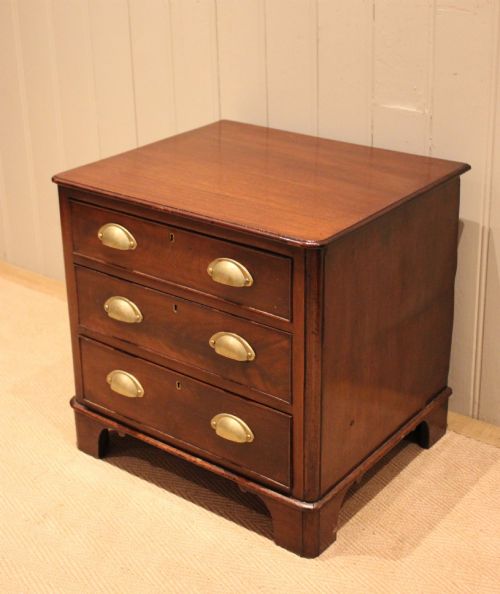
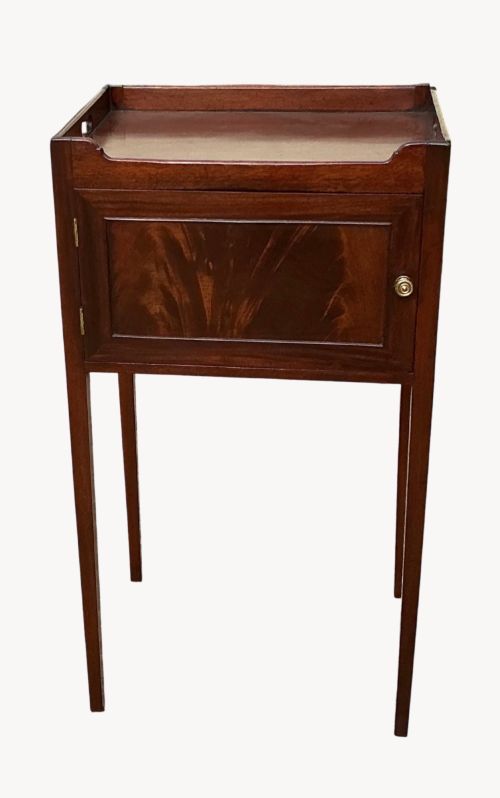
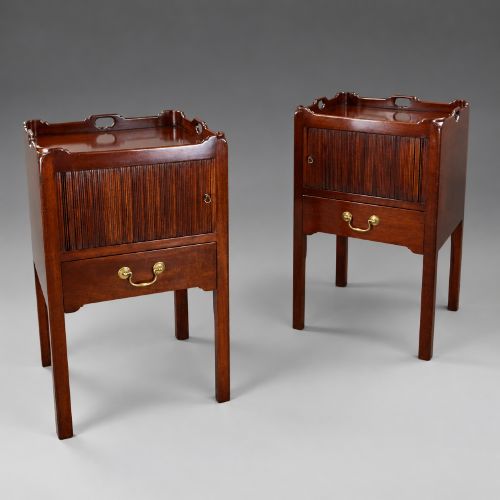
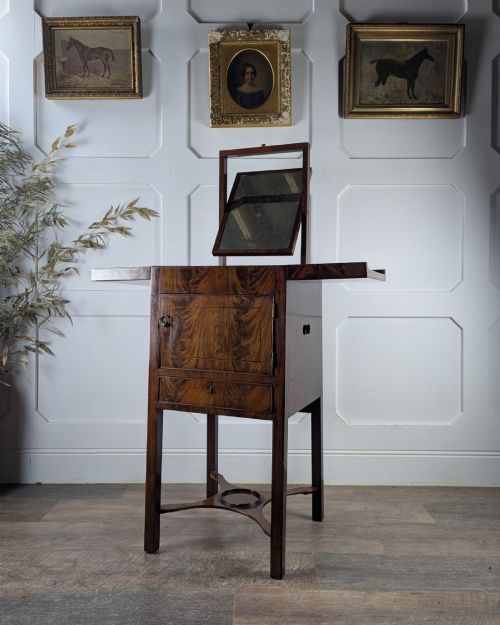
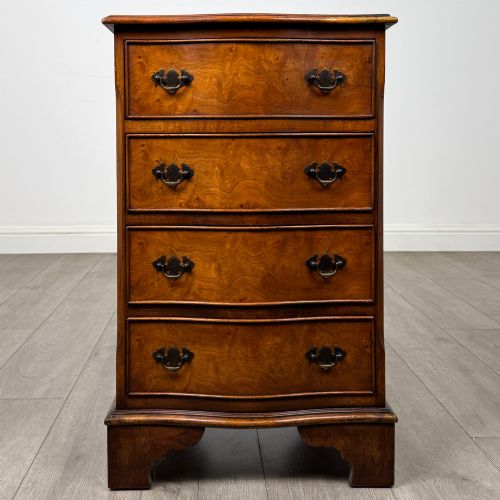
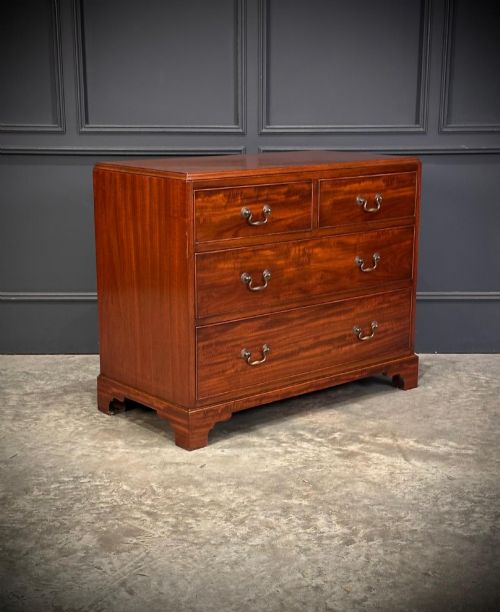
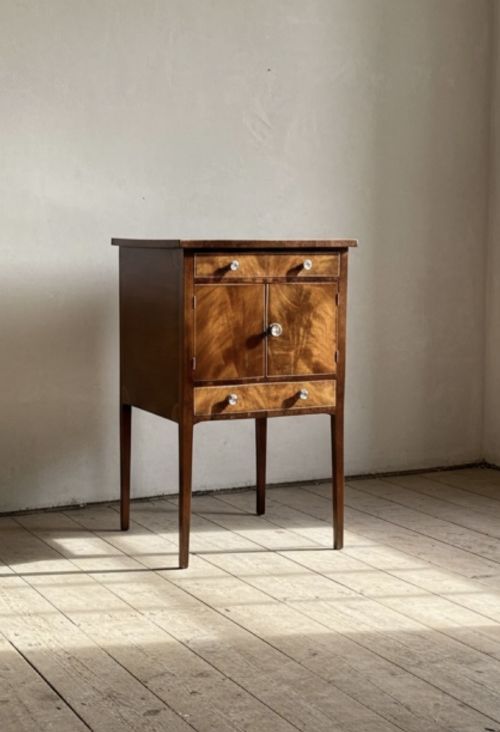
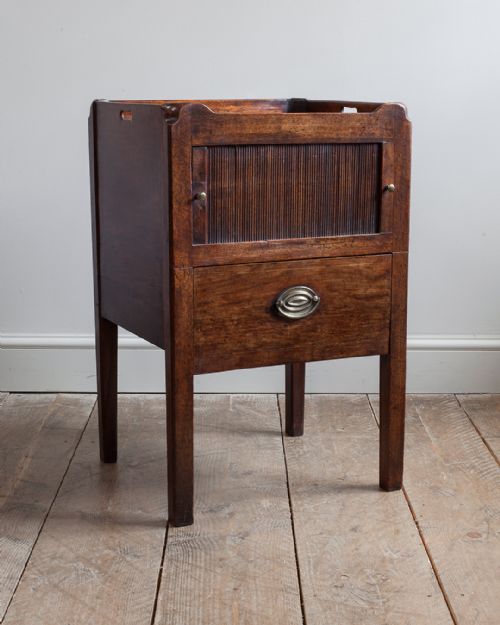
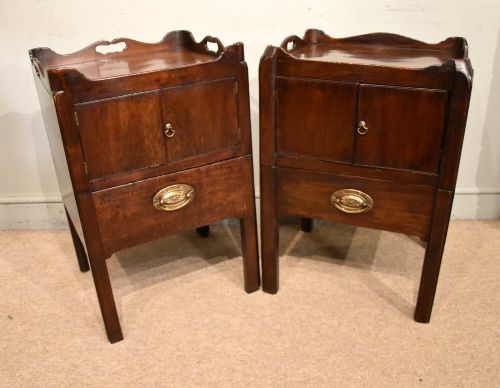
The most common formats met on this page include enclosed cupboards with tray tops, tambour doors, or small drawers designed to sit beside a bed. Many examples double as nightstands, pot cupboards, or compact chests of drawers.
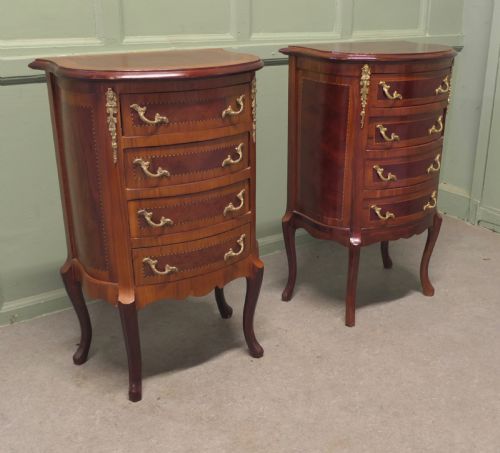
Originating primarily from British workshops, these items incorporate classic forms such as bow fronts and serpentine shapes. Surviving examples demonstrate how domestic furniture adapted to private bedroom use over successive centuries.
How they were made
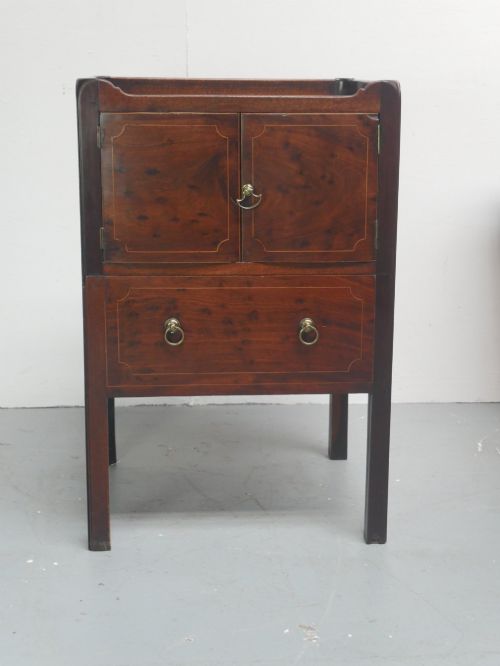
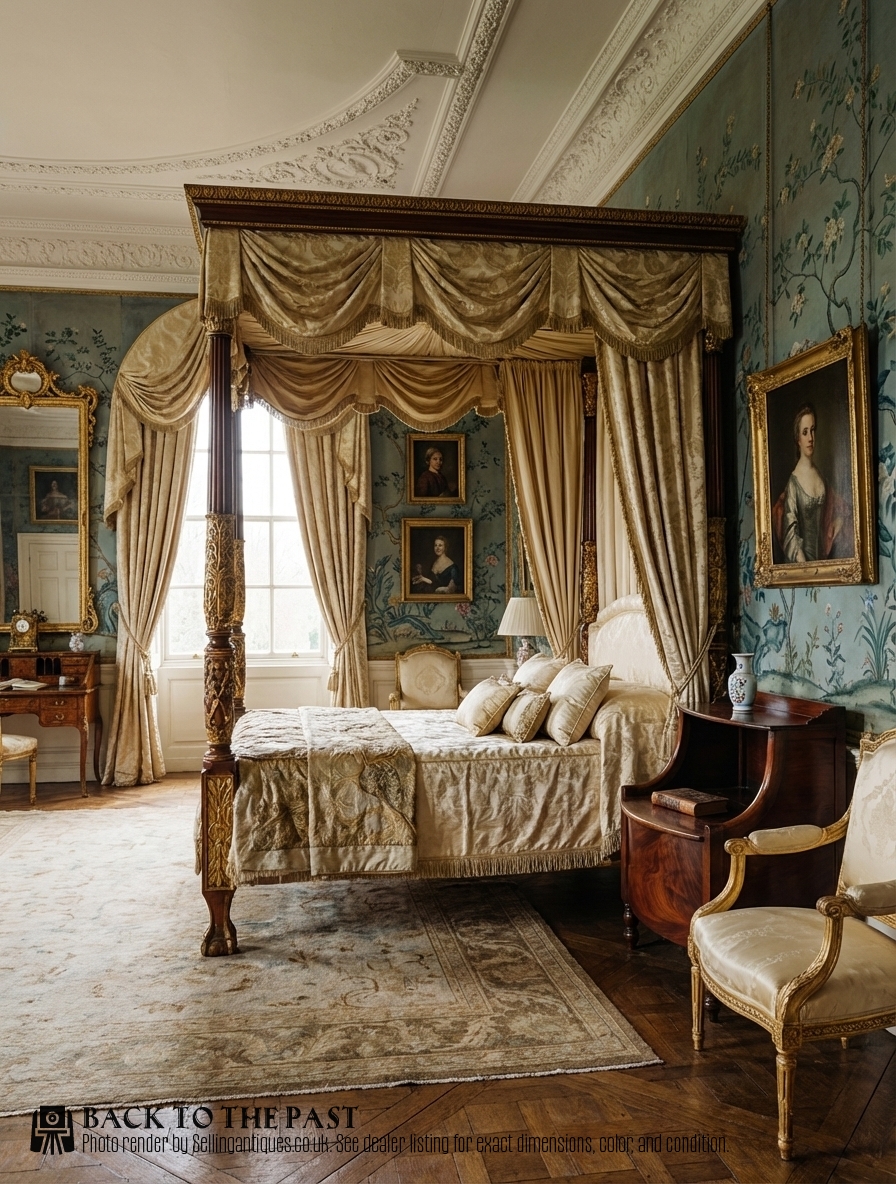
Cabinet makers relied heavily on solid mahogany and flame mahogany veneer, frequently accented with contrasting inlay materials like boxwood and satinwood. Brass fittings such as handles, hinges, and occasional gallery rails added both structural reinforcement and decorative contrast.
Construction techniques involved traditional joinery, cabinet doors with tambour fronts, and fitted tray tops designed to prevent items from rolling off the edges. Surface finishes were applied to highlight the deep grain and natural warmth of the timber.
Mahogany Bedside Commode Retail Price Guide 2026
Typical asking prices for mahogany bedside commode among the pieces listed under this phrase on Sellingantiques today, from the lower quarter to the upper quarter. They describe what is for sale here now, not the wider market.
Some nineteenth-century steps advertised as commodes actually concealed folding furniture mechanisms, proving that Victorians loved a clever hiding place.
What varies in quality
Quality differences stem from the selection of timber, particularly the use of highly figured Cuban mahogany or flame mahogany veneer compared to plain secondary woods. Superior pieces display precise cabinetmaking, cleanly executed inlay work, and well-preserved original brass hardware.
The Mahogany Bedside Commode Glossary
- Commode
- A piece of furniture that historically enclosed a chamber pot, often disguised as a small cabinet or chest of drawers. Today, these items function widely as bedside tables or lamp stands.
- Tray top
- A raised rim around the upper surface of a small table or cabinet designed to keep objects secure. This feature frequently appears on Georgian bedside pieces.
- Tambour
- A flexible shutter door constructed from narrow strips of wood glued to a canvas backing, allowing it to slide smoothly around a curved track. It is commonly found on enclosed bedside cupboards.
- Flame mahogany
- A distinct wood grain pattern showing a flamelike figure, achieved by cutting across the bough of the tree. It was favoured by cabinet makers for high-end decorative surfaces.
- Serpentine
- A curved furniture front characterised by a convex centre flanked by concave ends. This undulating shape requires advanced woodworking skill to execute properly.
Mahogany Bedside Commode: Frequently Asked Questions
What is a mahogany bedside commode?
A mahogany bedside commode is a historic piece of bedroom furniture designed to enclose a chamber pot out of sight. They typically feature a small cupboard door, a drawer, or a tray top surface.
Over time, many of these cabinets have had their internal commode fittings removed, leaving clean interior spaces used simply for bedside storage.
How were they used historically?
In eighteenth and nineteenth-century bedrooms, these cabinets served a sanitary purpose before modern indoor plumbing became standard. They sat beside the bed to provide discreet night-time convenience.
Wealthier households often had finely polished mahogany versions that matched the primary suite of bedroom furniture while concealing their functional role.
How do I style one today?
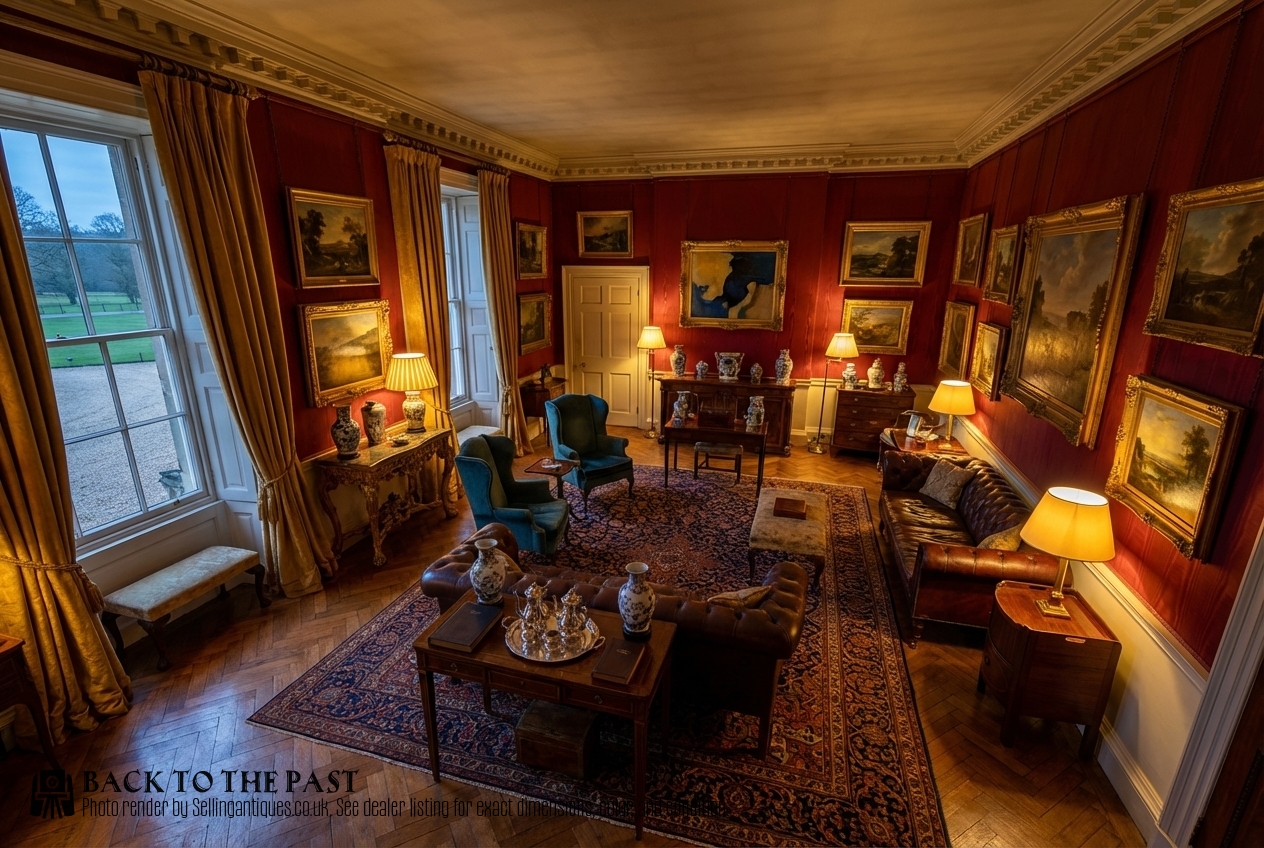
These compact cabinets fit easily beside modern beds as functional nightstands with surface space for lamps and books. The enclosed lower storage keeps private items neatly out of view.
They also work well in sitting rooms or hallways as occasional tables or small side cabinets where surface area is needed without taking up much floor space.
How do I tell periods apart?
Georgian pieces often feature straight lines, tray tops, and rich Cuban mahogany timber with subtle brass pulls. Regency examples tend to incorporate bolder flame veneers and cylindrical or curved forms.
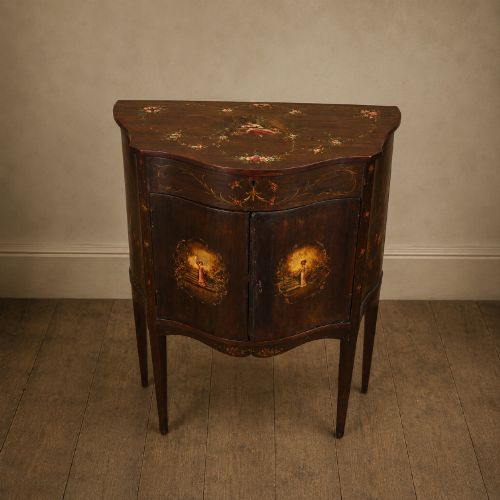
Victorian and later revival pieces sometimes introduce painted decorations, satinwood accents, or French Louis styles that reflect the tastes of the later nineteenth and early twentieth centuries.