


Antique Nightstand Table
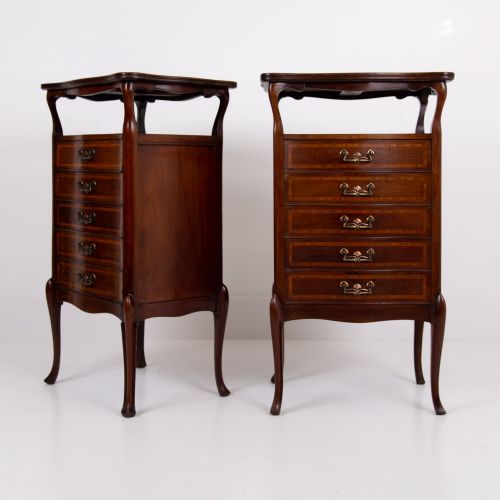
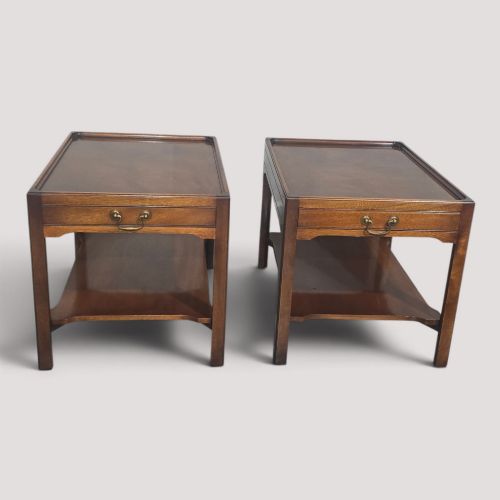
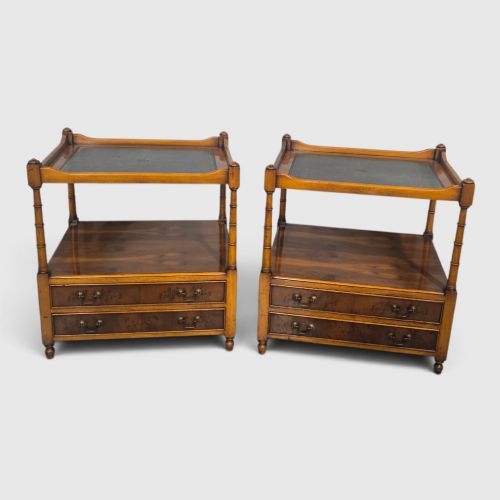
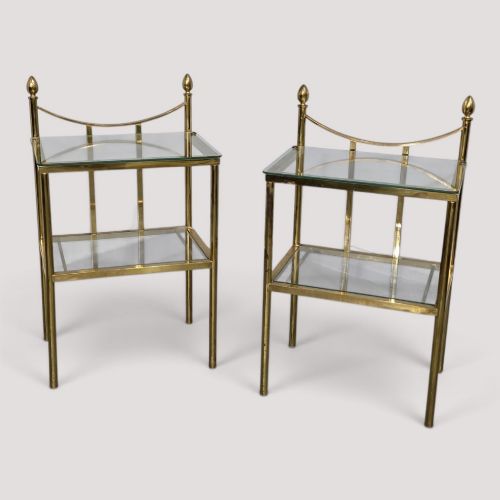
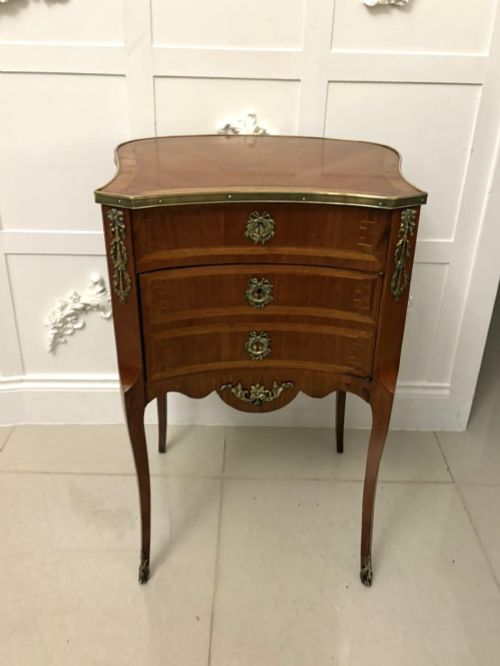
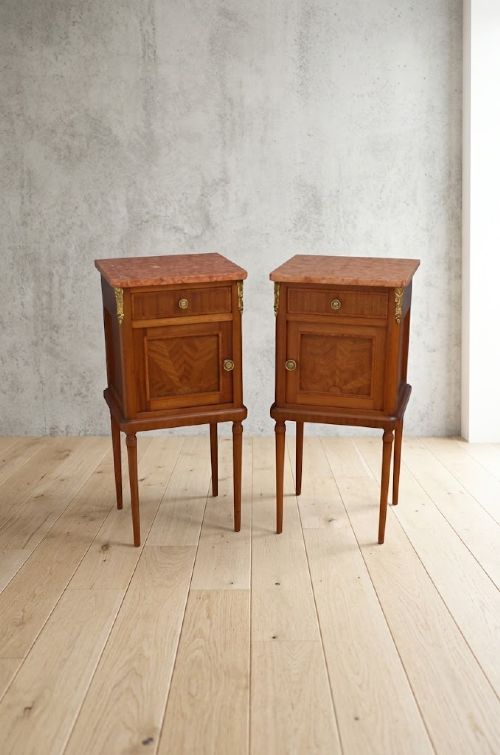
When searching for an antique nightstand table, collectors encounter practical bedside cabinets and small lamp tables spanning the Victorian, Edwardian, and Georgian periods.
Antique Nightstand Table
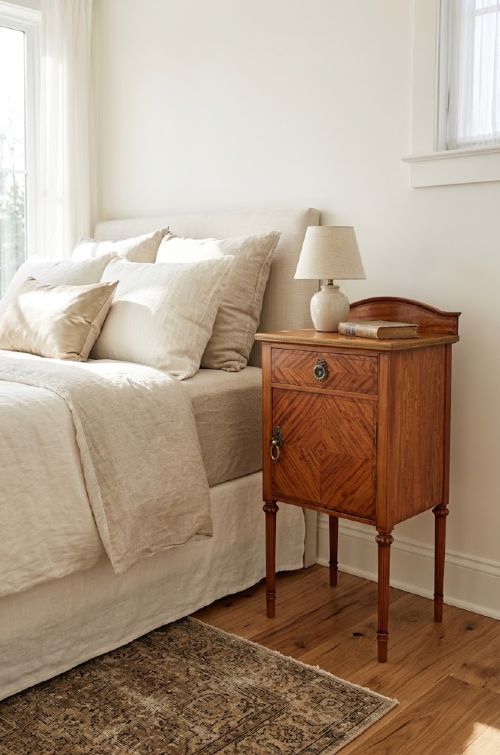
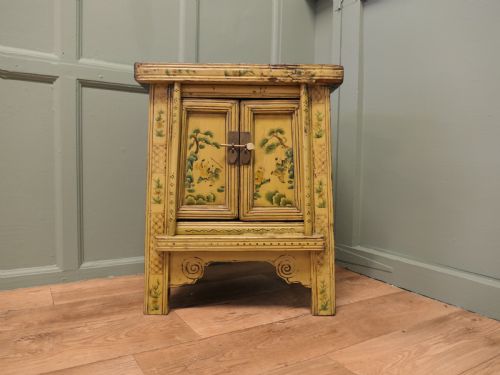
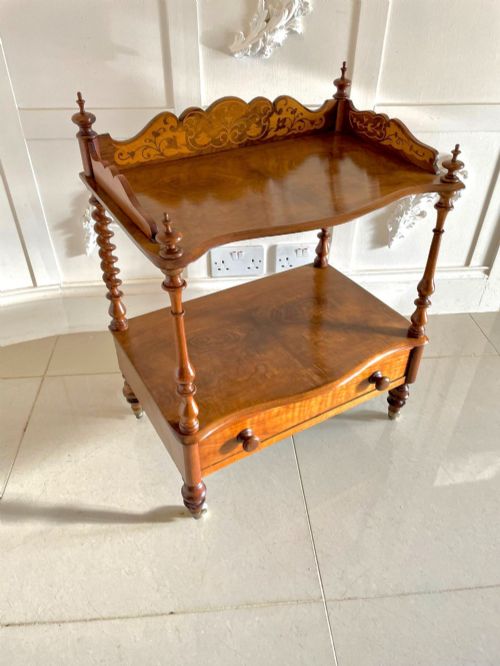
An antique nightstand table encompasses a range of small bedside furniture designed for domestic chambers, including bedside cupboards, chests of drawers, and open lamp tables. The search phrase covers forms intended to hold bedside lighting, books, and night-time necessities alongside the bed.
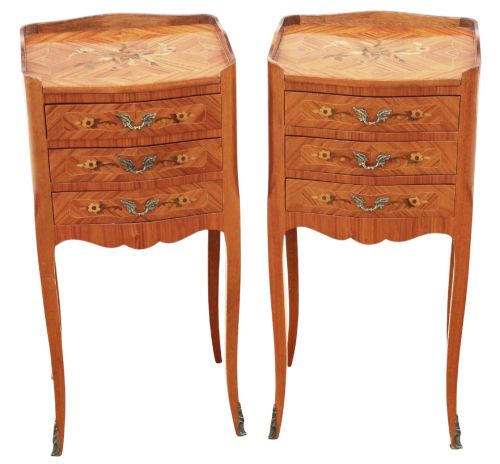
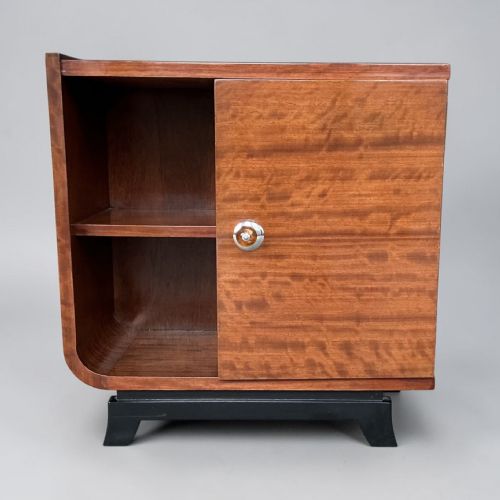
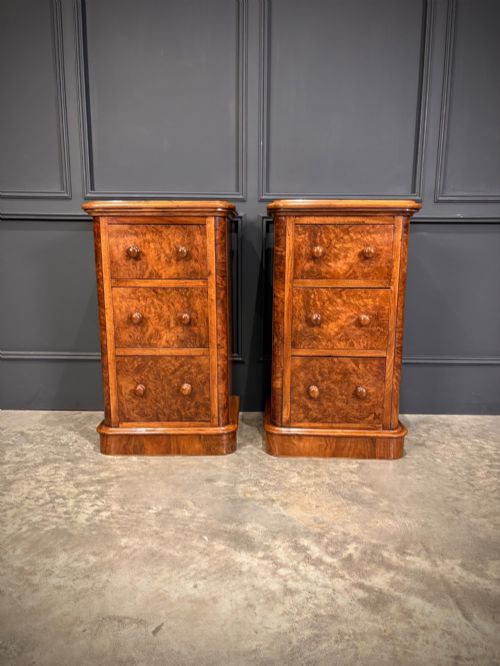
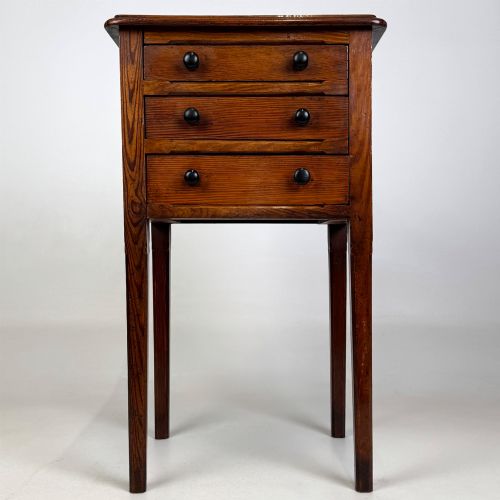
The selections span various forms from compact Edwardian satinwood cupboards to substantial Victorian mahogany bedside chests and Georgian tray-top tables. Pieces frequently appear as matched pairs or individual items originating from British, French, and Dutch workshops across the nineteenth and early twentieth centuries.
How They Were Made
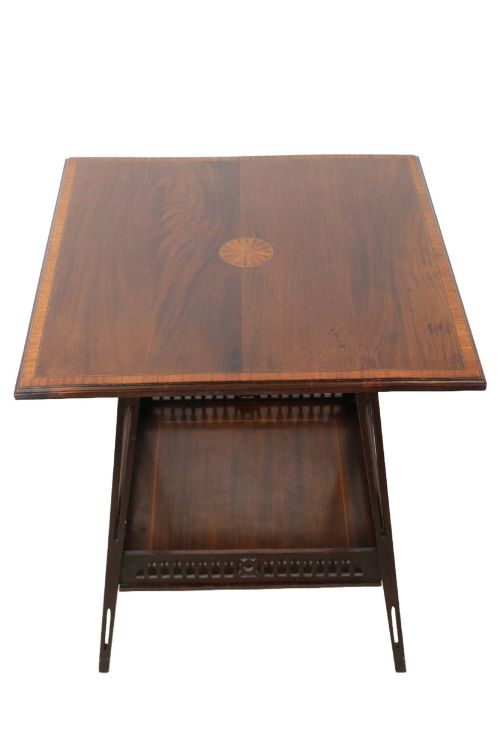
Cabinet makers utilised dense hardwoods including mahogany, walnut, oak, and satinwood, often enhanced with figured veneers such as burr walnut and flame mahogany. Surface decoration incorporates marquetry, parquetry, and contrasting string inlay, reflecting the prevailing styles of each decade from the Georgian era through to Art Deco.
Structural integrity relies on traditional joinery methods applied to solid timbers and secondary woods. Selected examples integrate inset marble tops, brass handles, or ormolu mounts, combining functional utility with decorative cabinet work.
Antique Nightstand Table Retail Price Guide 2026
Typical asking prices for nightstand table among the pieces listed under this phrase on Sellingantiques today, from the lower quarter to the upper quarter. They describe what is for sale here now, not the wider market.
Victorian cabinet makers occasionally concealed miniature pull-out writing slides inside bedside chests for late-night correspondence.
What Varies in Quality
Distinction across the range rests on the selection of timber figures, the precision of inlaid details, and the overall harmony of proportions. Superior examples demonstrate matched veneers across drawer fronts, intact original hardware, and refined secondary wood construction.
The standard of execution in decorative elements such as hand-cut marquetry panels or finely carved mouldings separates standard utilitarian bedroom furniture from high-status cabinet work produced by notable firms.
Trevor Page & Co·François Linke·Maple & Co·Druce and Co
The Antique Nightstand Table Glossary
- Marquetry
- Decorative veneer work forming pictorial or geometric patterns using various woods. Craftsmen assemble thin slices of timber to create elaborate surface designs on cabinet doors and tabletops.
- Tray-top
- A tabletop featuring a raised moulded edge or gallery designed to prevent items from rolling off. This feature appears frequently on Georgian and nineteenth-century bedside tables.
- Pot cupboard
- A small enclosed bedside cabinet originally designed to house a chamber pot. These pieces typically feature a panelled door enclosing a shelf.
- Parquetry
- Geometric mosaic woodwork used for repeating patterns on floors and furniture surfaces. The technique arranges small rectangular or triangular wooden tiles.
- Ormolu
- Gilt-bronze mounts applied as decorative ornaments to furniture. This finish appears on French provincial and nineteenth-century luxury cabinets.
Antique Nightstand Table: Frequently Asked Questions
How do I date an antique bedside table?
Dating relies on examining the timber species, construction methods, hardware, and stylistic details present in the piece. Georgian pieces often show simpler rectilinear forms with fine mahogany grains, while Victorian examples frequently employ heavier proportions and burr walnut veneers.
Edwardian and later pieces introduce lighter satinwood, simpler oak revivals, or Art Deco geometric lines. Comparing the secondary woods inside drawers provides further clues to the manufacturing period.
Are these tables usually sold as pairs?
Bedside tables appear both as individual pieces and as matched pairs depending on their original domestic context. Pairs are frequently found from the Victorian and Edwardian periods when symmetrical bedroom furnishings gained popularity.
Single tables commonly originate from earlier Georgian or nineteenth-century settings where bedroom furniture was arranged with more eclectic placement.
How do I care for a wooden bedside table?
Maintaining wooden bedside surfaces involves keeping them away from direct heat sources and strong sunlight that can dry out old veneers. Regular dusting with a soft, dry cloth preserves the polished finish without building up residues.
Applying occasional appropriate wax polish nourishes antique timber and maintains the natural lustre of mahogany, walnut, or oak surfaces.