


Mahogany Night Table
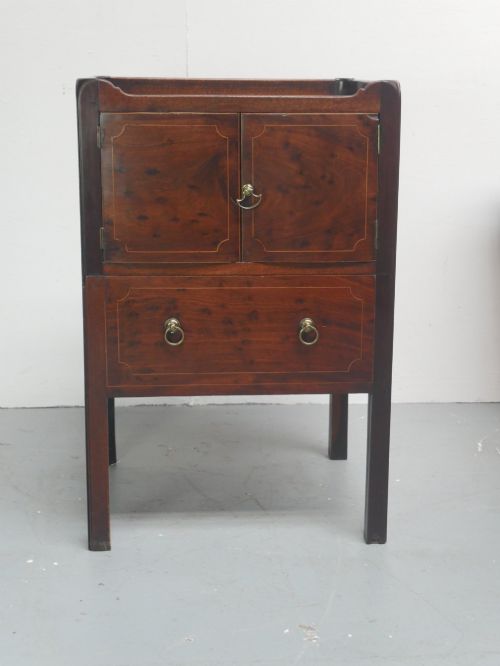
A mahogany night table is a sturdy timber bedside companion built to hold a lamp or conceal chamber pots.
Forms and Origins
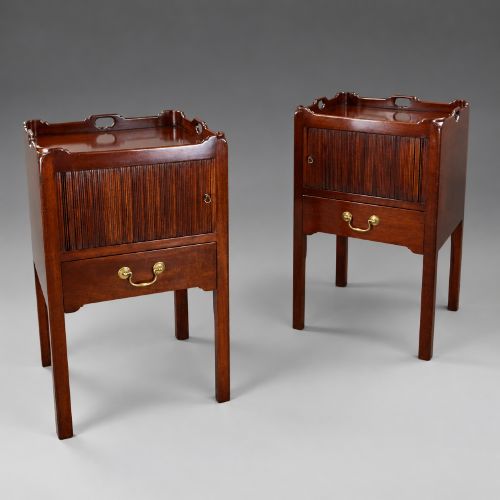
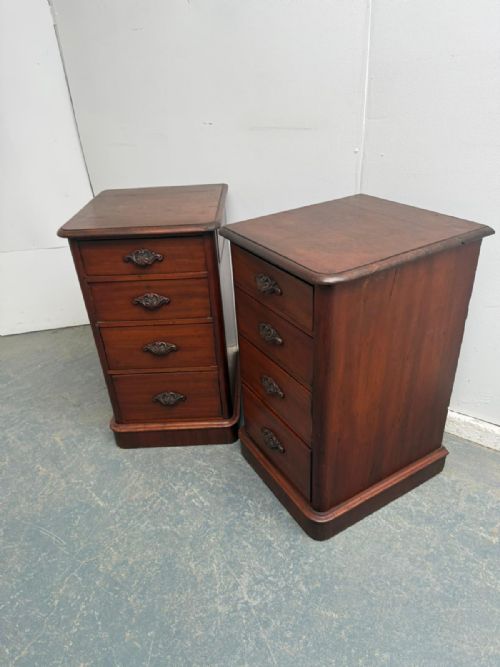
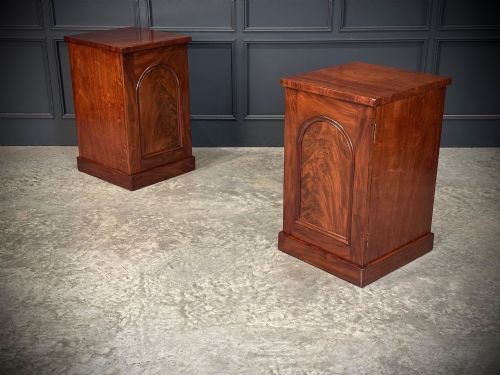
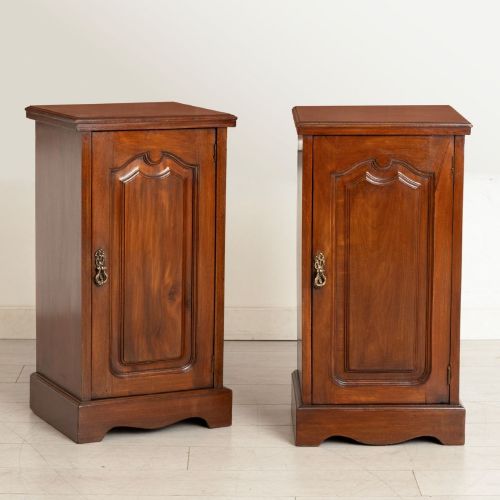
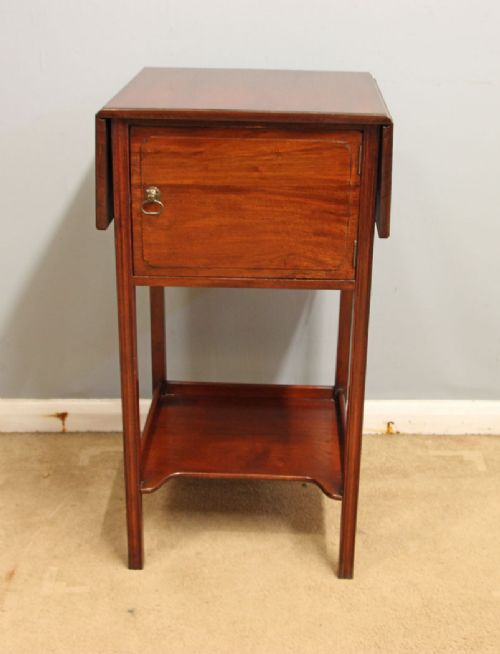
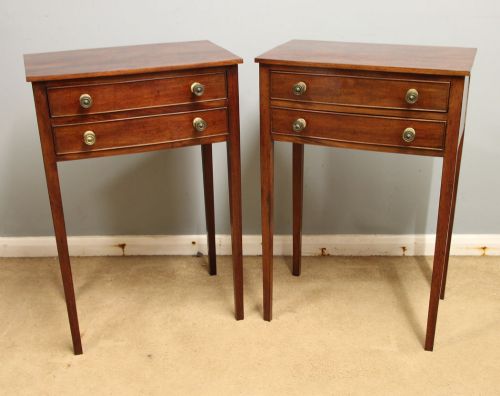
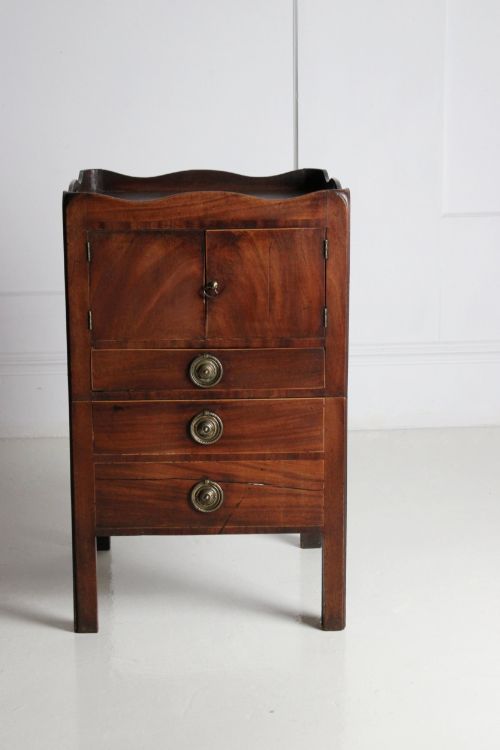
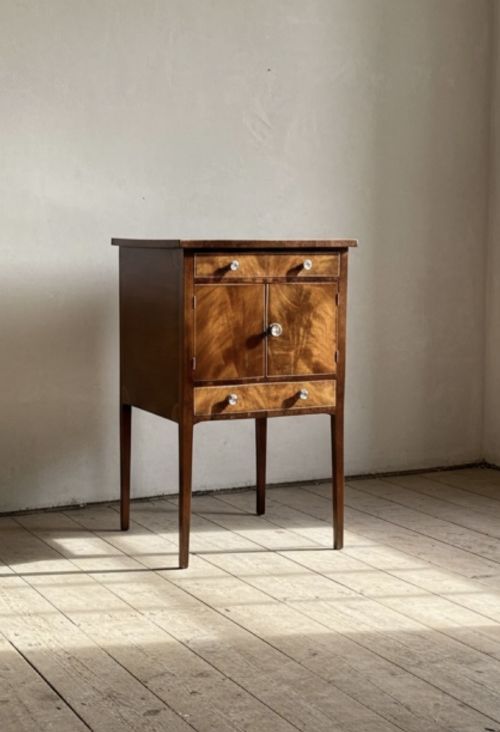
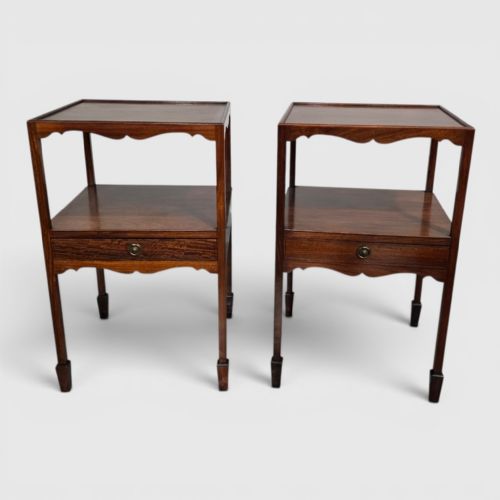
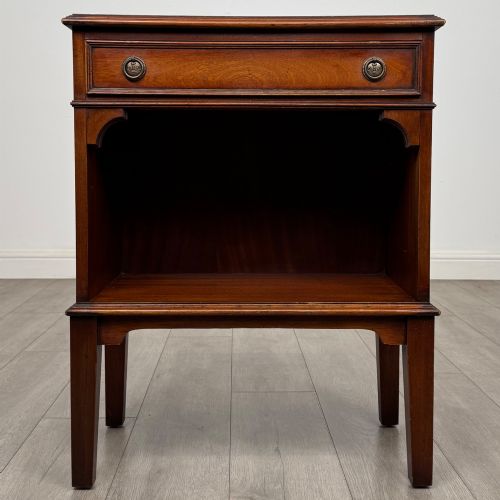
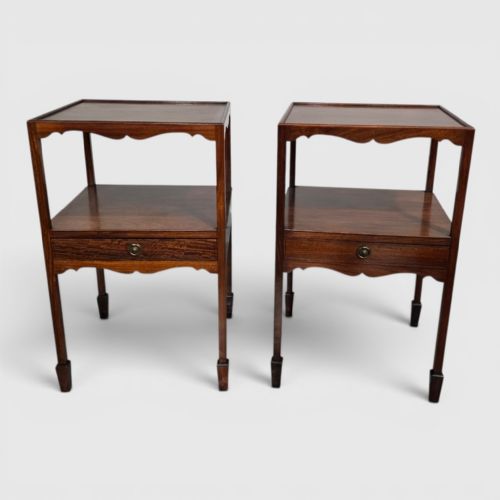
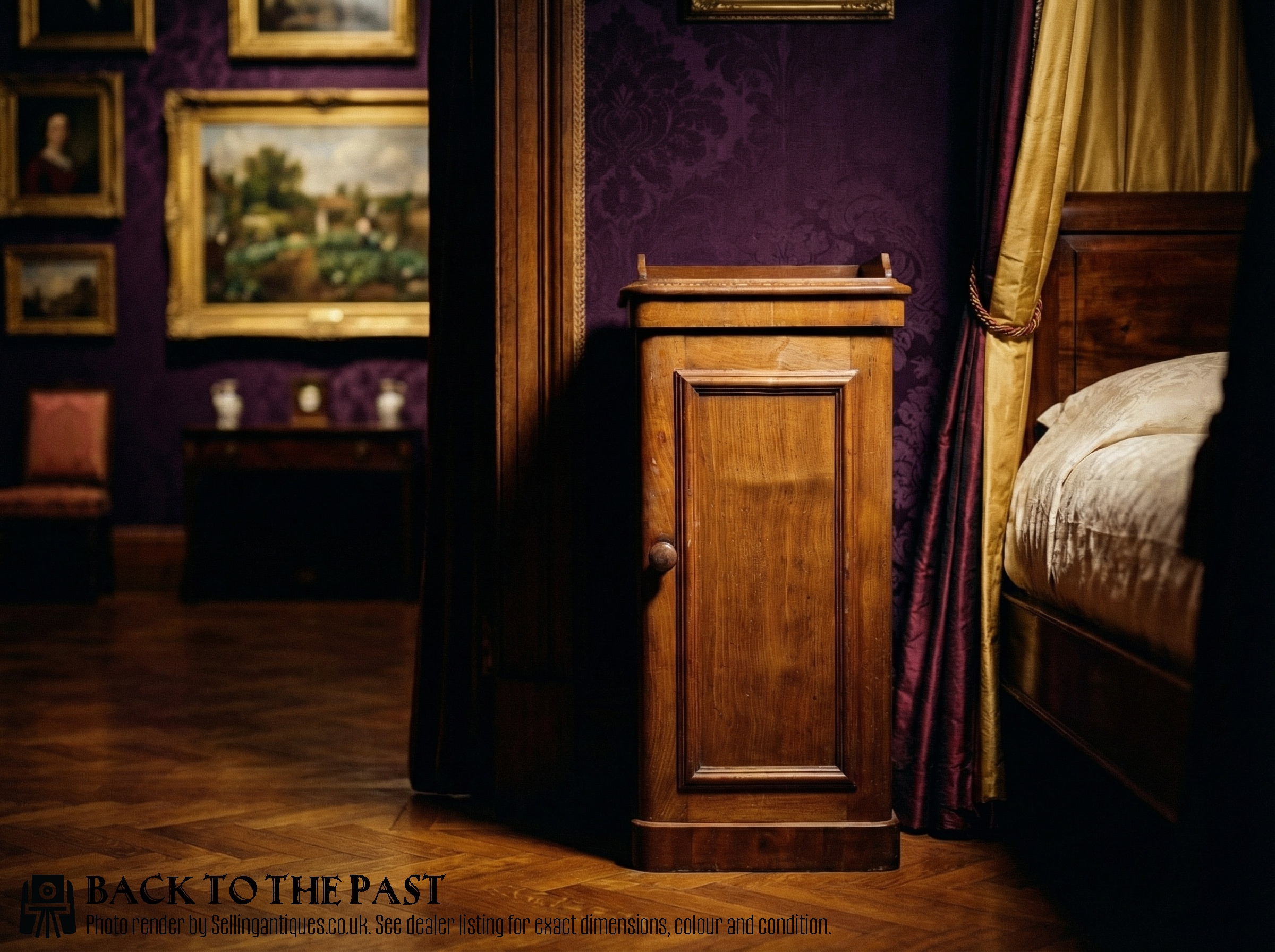
A mahogany night table is a practical piece of bedroom furniture taking the form of a cabinet, cupboard, washstand or open table. The examples found here span the Georgian and Victorian periods, reaching from the eighteenth century into the twentieth century.
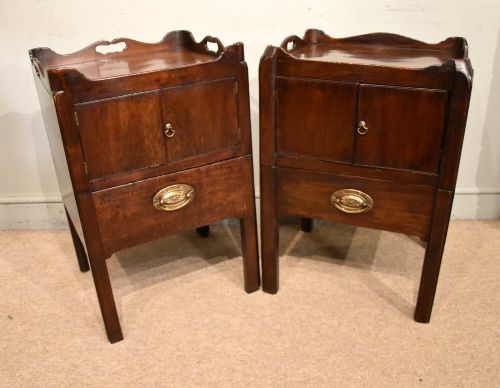
Buyers encounter forms described as bedside cabinets, pot cupboards and tray top night tables. Many pieces originate from English workshops, alongside specific stylistic revivals and continental variations.
Materials and Technique
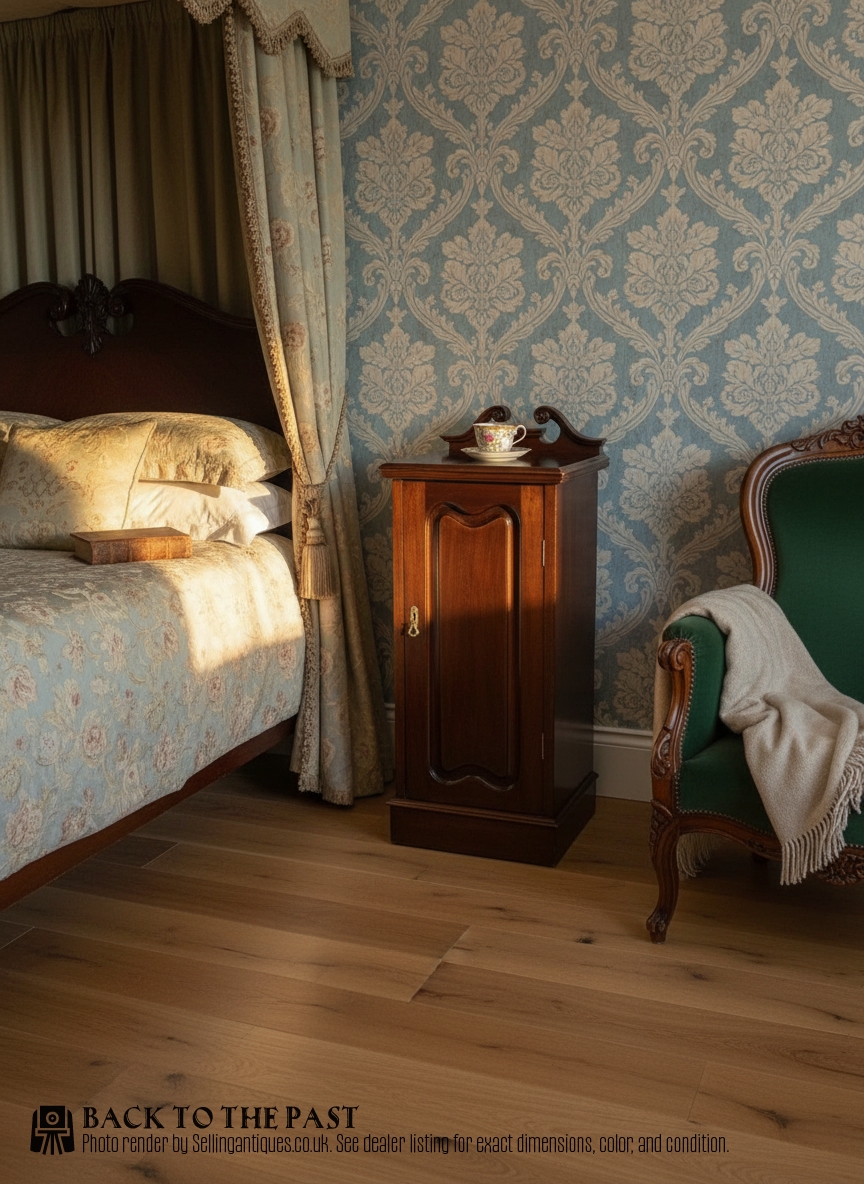
Cabinetmakers built these pieces primarily using solid mahogany and flame mahogany veneer, sometimes accented with satinwood, brass and glass. Selected examples feature marble tops and delicate boxwood stringing.
Joinery methods of the eighteenth and nineteenth centuries relied on solid timber construction for structural integrity. Wood surfaces were smoothed and polished to highlight the natural grain patterns of the mahogany.
Retail Price Guide 2026
Typical UK retail prices for mahogany night table, calculated from the Sellingantiques database of over a million retail prices indexed since 2003. This retail price guide relies exclusively on Sellingantiques data; no external sources or auction records are used, so the figures do not describe the wider market.
Listings for mahogany night tables span the Georgian, Victorian, and Edwardian periods, utilising materials like brass, marble, and flame mahogany veneer.
Distinctions in Execution
The distinction between standard pieces and the finest examples lies in the selection of timber figures and the crispness of cabinetmaking. Flame mahogany veneer and precise inlay work separate superior items from plain utility versions.
Proportion and intact original hardware heavily influence the character of a piece. Well-balanced forms with careful attention to edge moulding and drawer construction represent the upper tier of surviving examples.
Edwards & Roberts·Willson·Howard & Sons
The Mahogany Night Table Glossary
- Tray top
- A raised rim around the upper surface of a table designed to prevent items from rolling off. This feature appears frequently on Georgian night tables.
- Pot cupboard
- A small enclosed cabinet originally made to house a chamber pot. These cupboards often double as bedside tables in modern settings.
- Flame mahogany
- A decorative wood veneer cut from the fork of the mahogany tree to create a flickering flame pattern. It adds visual depth to the surface of Victorian and Georgian furniture.
- Stringing
- Thin inlaid lines of a contrasting wood such as boxwood used to outline panels and drawers. This decorative technique defines Sheraton Revival and Georgian pieces.
- Commode
- A term historically applied to enclosed bedside cabinets or washstands fitted with doors or drawers. They serve as functional storage beside a bed.
Frequently Asked Questions
What is a mahogany night table used for?
These pieces functioned historically as bedside storage for chamber pots, washing basins, and personal items. Today they serve mainly as lamp tables or bedside cabinets.
Their enclosed cupboards and drawers offer practical storage space for modern bedrooms while maintaining period character.
How do I tell a Georgian night table from a Victorian one?
Georgian pieces often feature tray tops and subtle proportions dating from the eighteenth or early nineteenth century. They tend to display restrained lines and classic cabinetmaking.
Victorian versions from the mid to late nineteenth century frequently incorporate heavier proportions, figured mahogany veneers, and more robust cupboard doors.
Are these tables usually found as pairs?
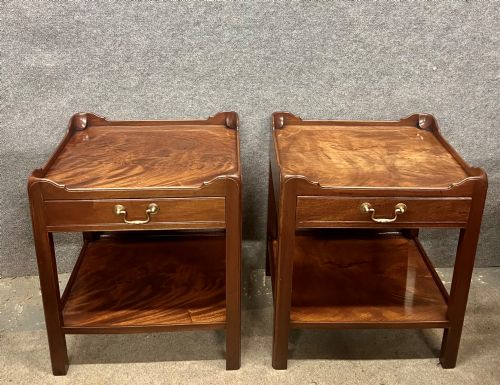
Many surviving night tables and bedside cabinets appear as individual items because they were originally made singly for bedrooms. Matched pairs do exist in the archive and among current listings.
Finding a true pair often requires looking for pieces sharing identical wood grain, hardware, and dimensions from the same workshop.
What types of wood are used besides mahogany?
While solid mahogany and flame mahogany veneer form the primary structure of these tables, secondary woods and decorative elements appear. Satinwood and boxwood stringing provide contrasting details on specific revival pieces.
Some specialised washstand versions incorporate marble inserts on the top surface to resist moisture from washing pitchers.