
Late Victorian Furniture
Late victorian furniture brings together robust domestic utility and varied stylistic experiments at the close of the nineteenth century.
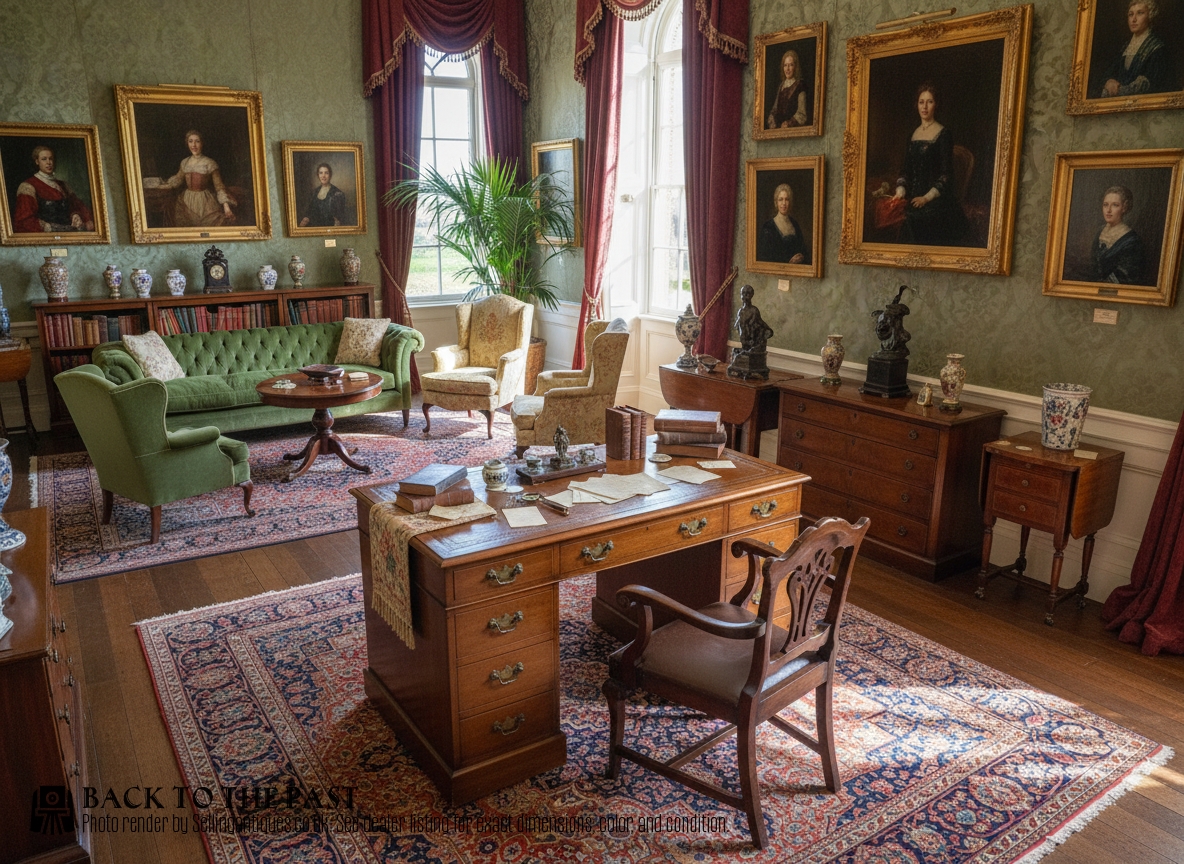
Late Victorian Furniture
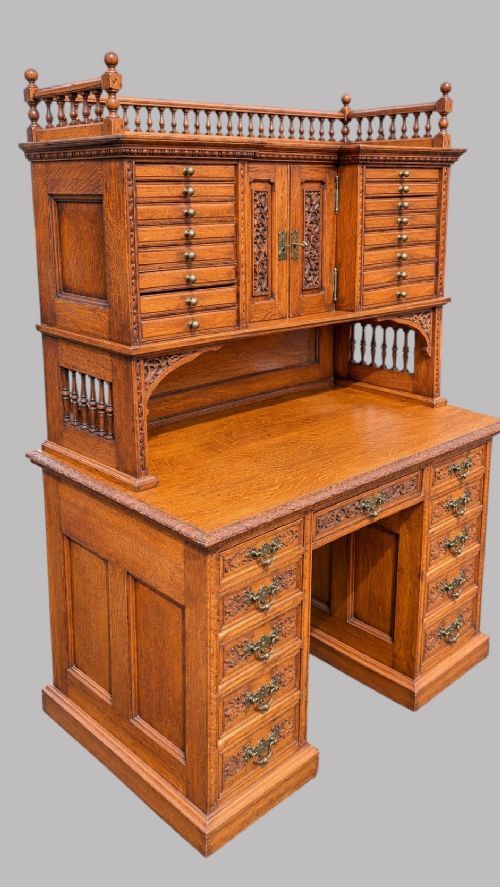
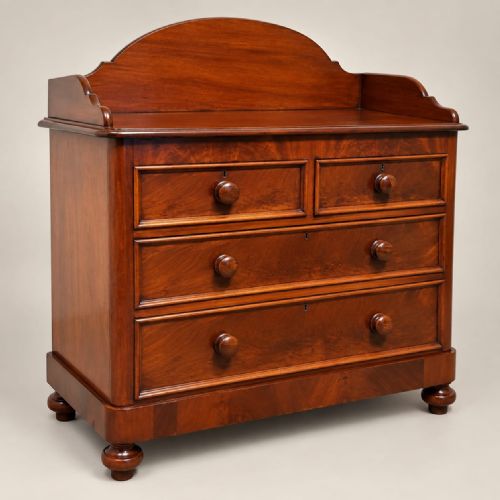
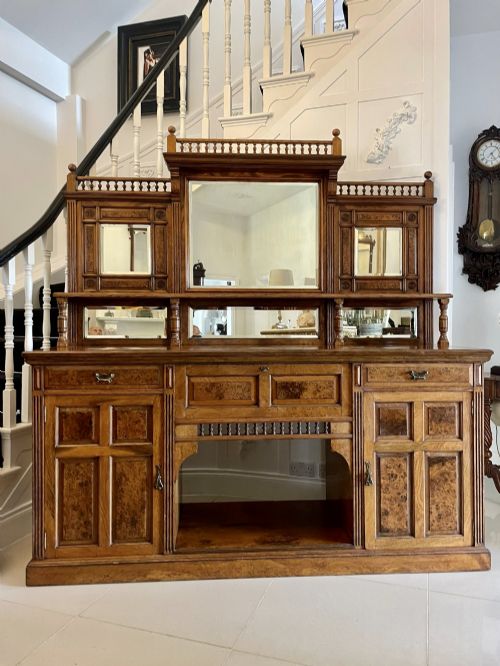
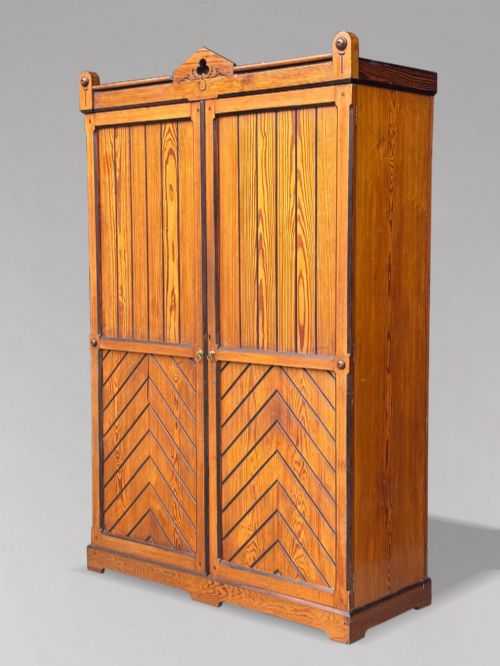
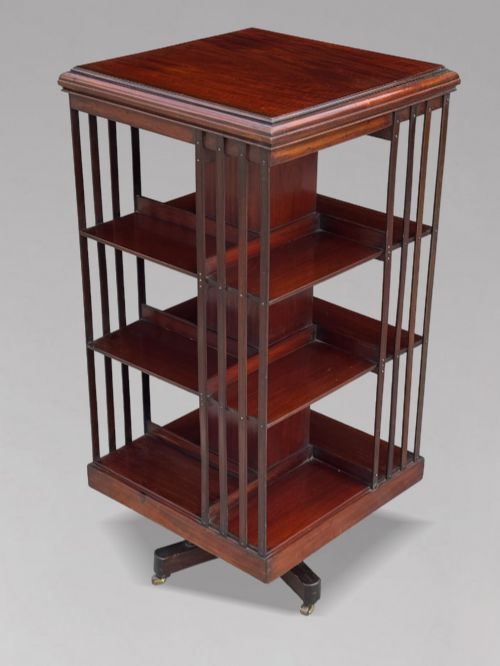
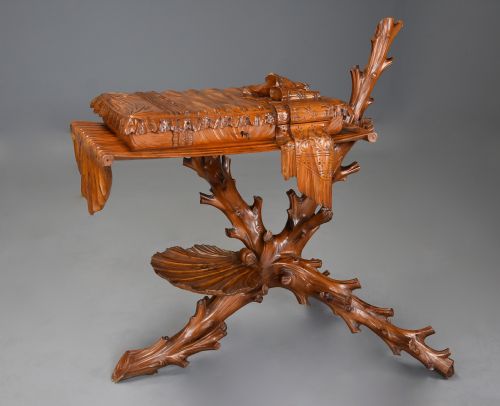
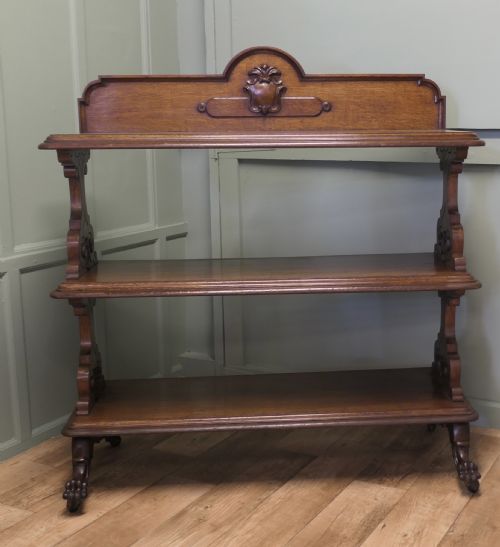
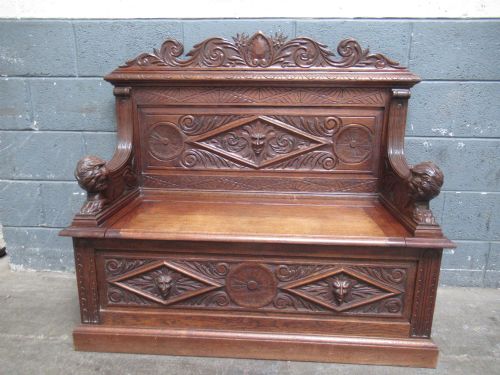
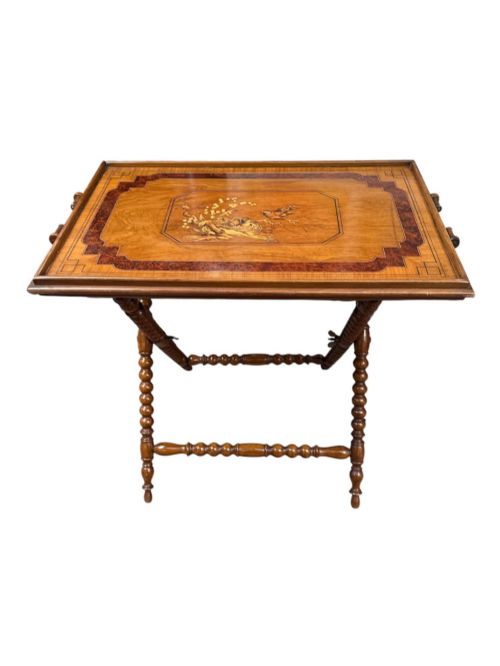
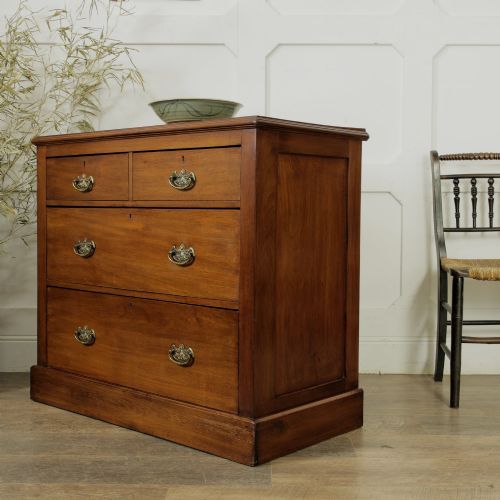
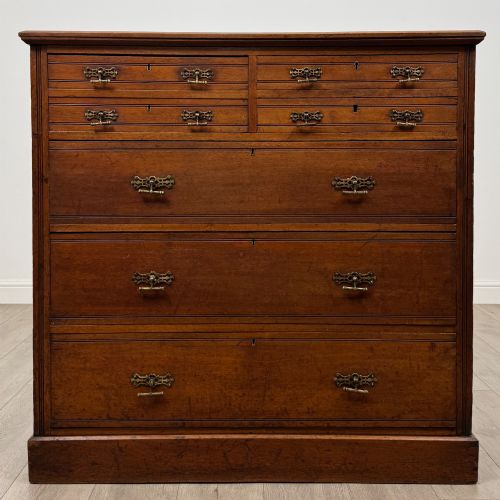
Late victorian furniture encompasses practical household items produced during the final decades of the nineteenth century, bridging standard victorian production and early edwardian design. Pieces range from large storage items like chests of drawers, wardrobes and sideboards to smaller occasional tables, writing desks, and specialised stands.
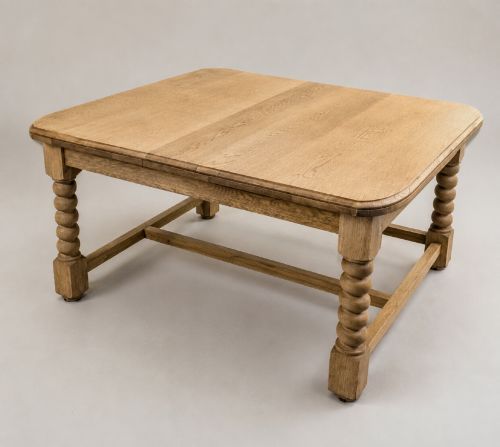
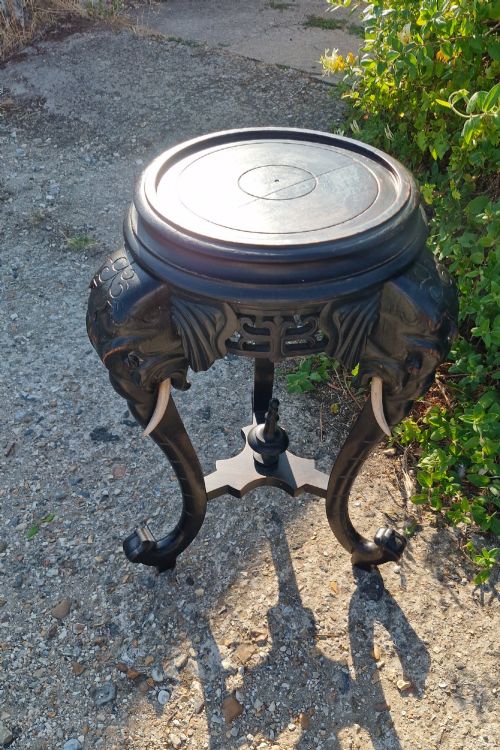
The selections on this page feature diverse forms shaped by distinct aesthetic movements, including plain oak farmhouse tables, Anglo-Indian campaign pieces, and ebonised occasional tables. Makers utilised various woods and decorative techniques to satisfy changing domestic tastes across Britain and beyond.
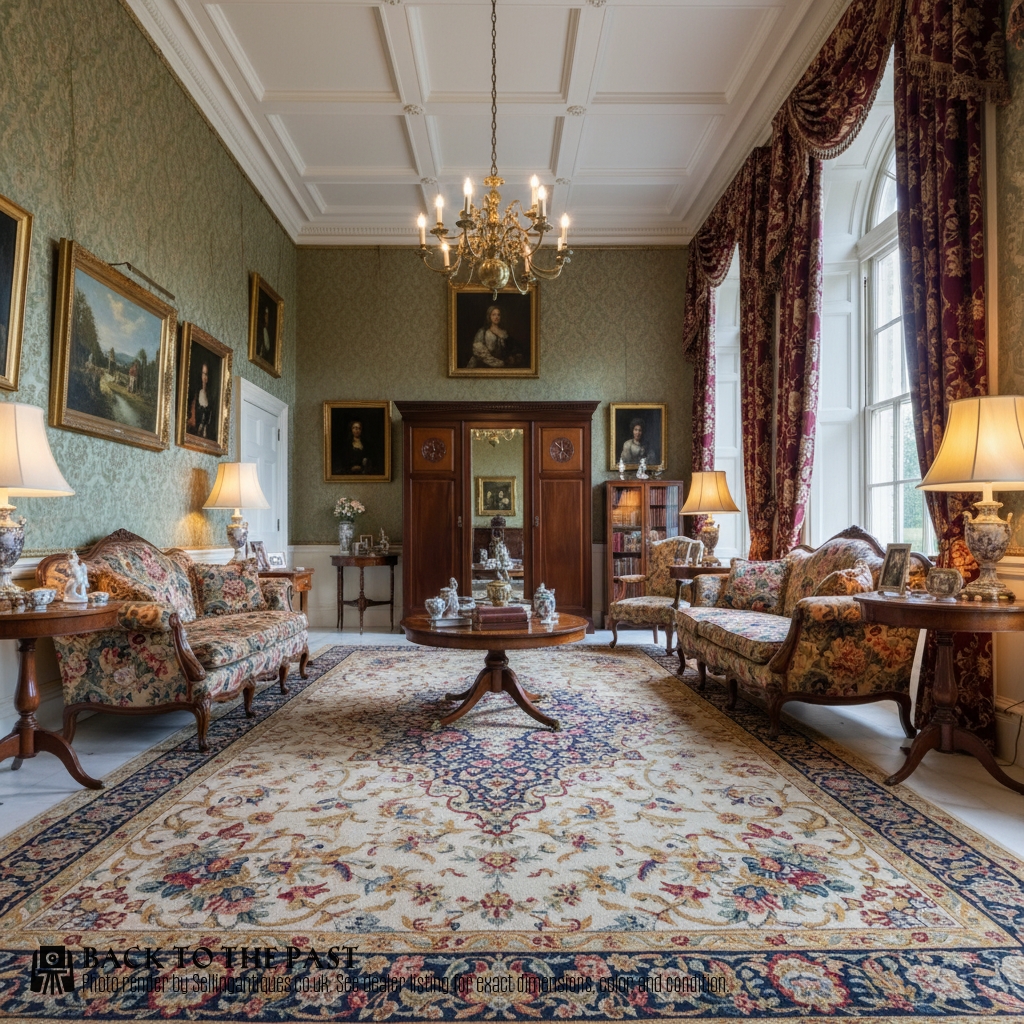
Materials and construction
Cabinet makers relied heavily on timber such as mahogany, oak, walnut, and satinwood, often shaping them into substantial case furniture or turned supports. Secondary materials like brass, glass, marble, and cast iron appear frequently in handles, table tops, mirror frames, and structural hardware.
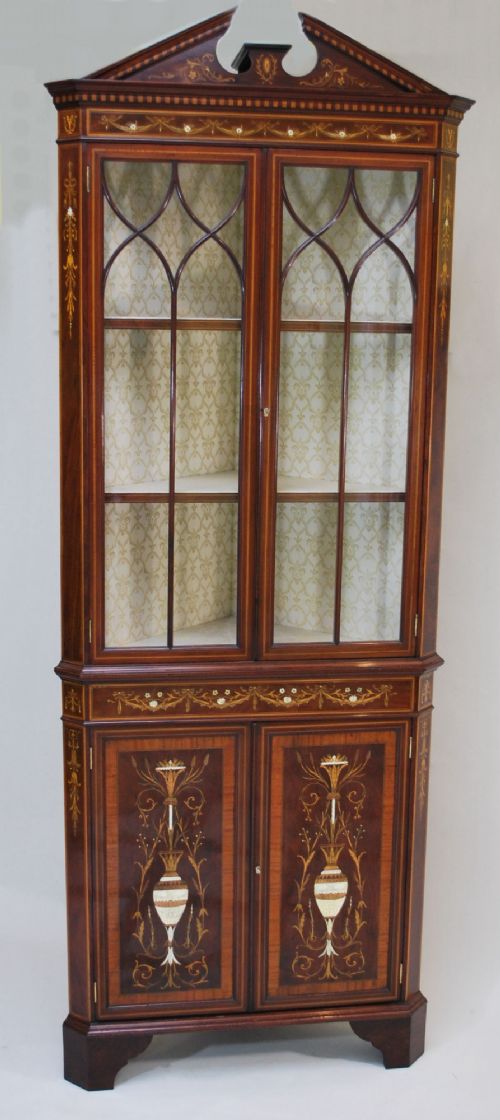
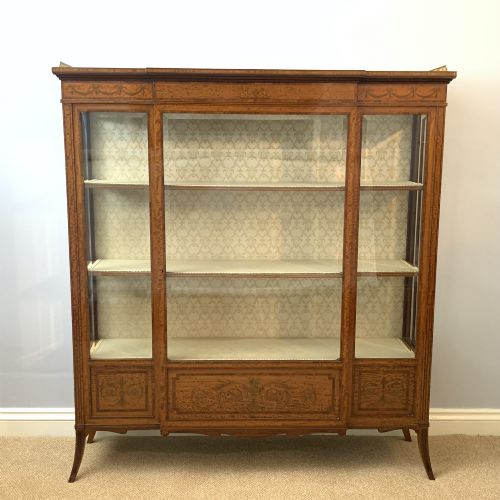
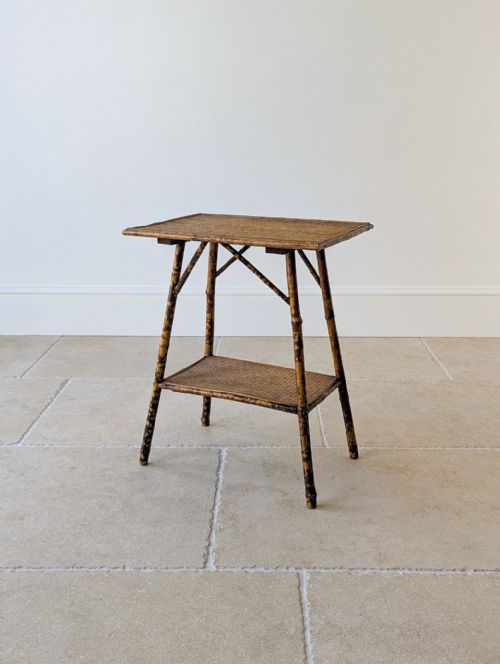
Construction techniques combine traditional joinery with decorative surface treatments such as marquetry, chip-carving, and parcel gilding. Specialised workshops also produced faux-bamboo turning and inlaid details influenced by aesthetic movement and international trade.
Late Victorian Furniture Retail Price Guide 2026
Typical asking prices for late victorian furniture among the pieces listed under this phrase on Sellingantiques today, from the lower quarter to the upper quarter. They describe what is for sale here now, not the wider market.
Listings feature woods including mahogany, oak, walnut, satinwood, and rosewood alongside brass, glass, and cast iron elements.
Distinctions in quality
Quality rests in the selection of timber and the precision of the joinery and carved details. Pieces produced by recognised makers or documented firms demonstrate superior material choice and more ambitious decorative programmes than standard mass-produced items.
The integration of secondary elements, such as fitted interior drawers, quality marble tops, or intricate brass inlay, separates utilitarian workshop output from finer parlour pieces.
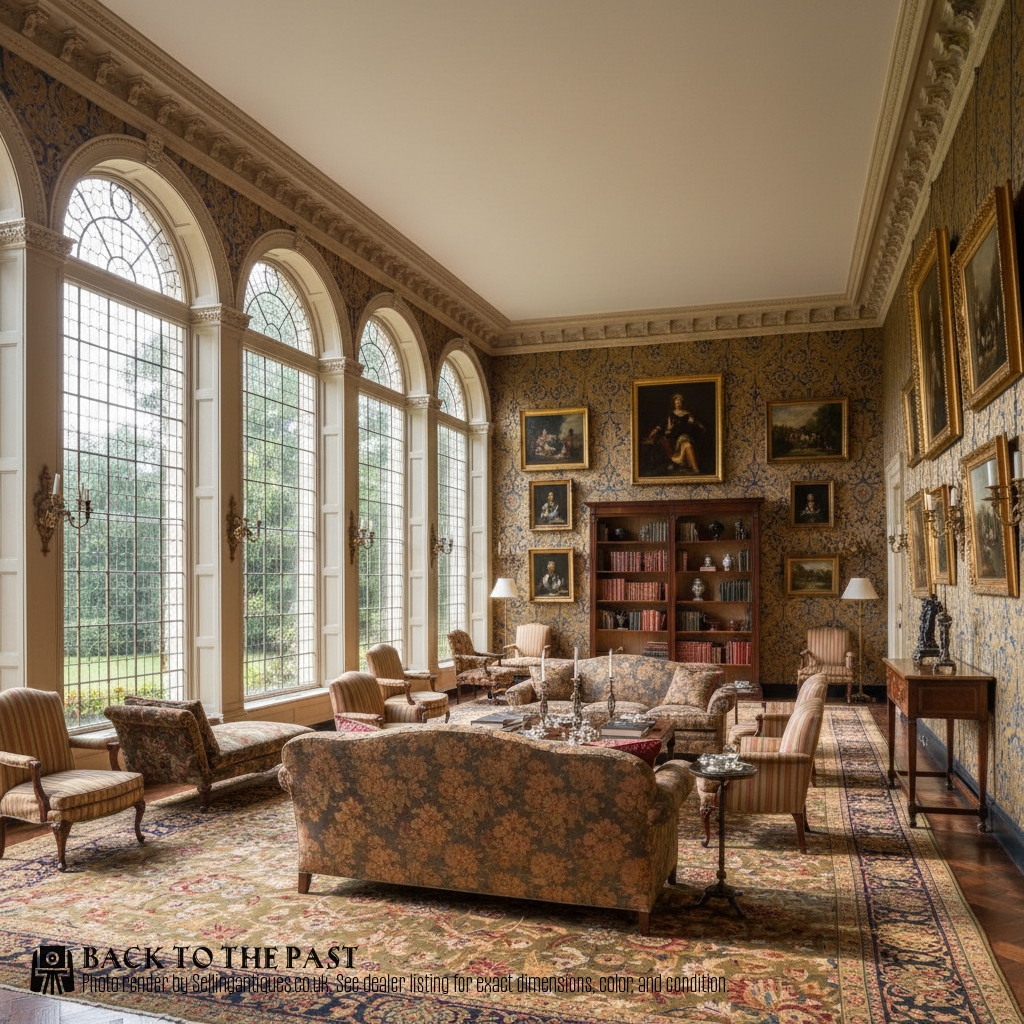
Edwards & Roberts·Harris Lebus of Tottenham
The Late Victorian Furniture Glossary
- Aesthetic Movement
- A late nineteenth century design style emphasising visual beauty over narrative subject matter. It draws inspiration from Japanese and continental sources.
- Marquetry
- The art of applying pieces of veneer to a structure to form decorative patterns. Craftsmen use varied woods to create intricate surface designs.
- Campaign Table
- Portable furniture designed for easy transport by military officers. These items typically feature folding legs or modular construction.
- Étagère
- A piece of furniture consisting of open shelves for displaying small objects. They became popular in parlor and drawing room settings.
- Kneehole Desk
- A compact writing desk with a central recess for the user's knees, flanked by pedestals of drawers.
Late Victorian Furniture: Frequently Asked Questions
What defines late victorian furniture?
Late victorian furniture comprises household items made during the final decades of the nineteenth century. It reflects a period of transition between heavy traditional forms and lighter, design-led movements.
Makers combined sturdy construction with diverse stylistic influences, ranging from arts and crafts simplicity to aesthetic movement elaboration.
How do I identify a piece from this period?
Identification relies on examining the timber, construction methods, and decorative motifs characteristic of the late nineteenth century. Common woods include oak, mahogany, and walnut, often paired with brass hardware or inlaid surfaces.
Stylistic cues such as spindle turnings, faux-bamboo, and regional cabinet-making labels help narrow down the date.
Where were these pieces used in the home?
These furnishings served every room of the domestic interior, from formal drawing room salon suites to functional bedroom wardrobes and washstands. Smaller items like occasional tables and corner cabinets fitted into hallways and parlours.
Specialised pieces such as artist easels and ticket dispensing boxes also indicate commercial or studio utility.
How should I care for antique wood furniture?
Maintenance involves keeping wooden pieces away from direct sunlight and sudden temperature shifts that cause timber to warp. Regular dusting with a soft cloth preserves the polished surface without building up residue.
Applying occasional appropriate wax helps nourish older finishes like mahogany, oak, and rosewood.