


Antique Wooden Settee
An antique wooden settee brings warmth and distinct period character to a room, offering generous seating fashioned from rich timbers.
Antique Wooden Settee
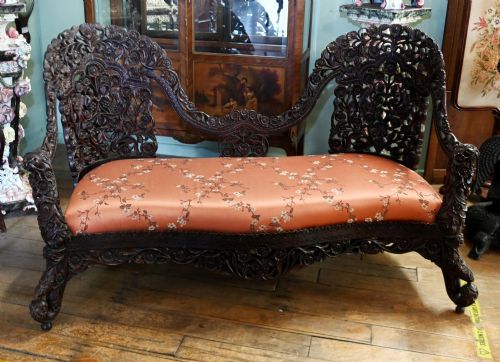
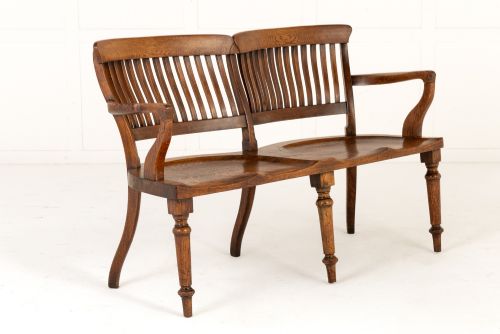
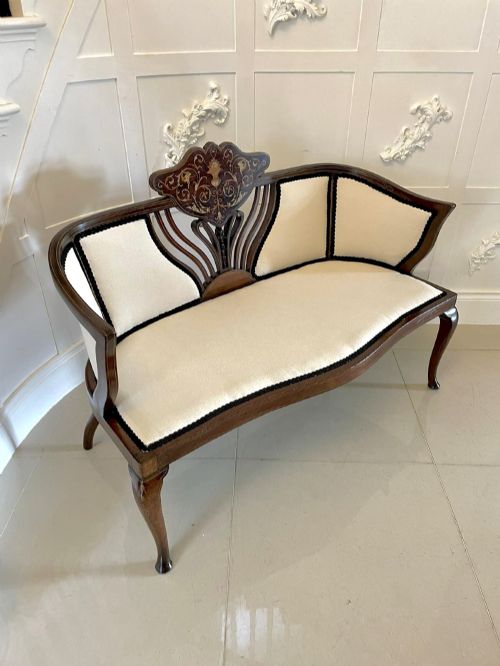
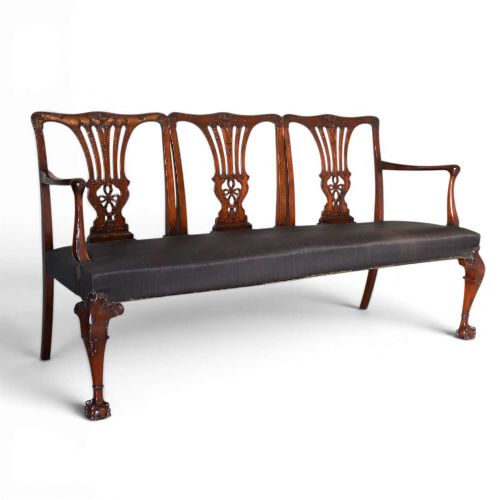
An antique wooden settee unites structural timber framing with comfortable upholstered or caned seating surfaces, spanning diverse historical periods from the eighteenth century through the early twentieth century. These pieces appear in forms ranging from formal Georgian mahogany frames to delicate Edwardian inlaid designs and rustic country house benches.
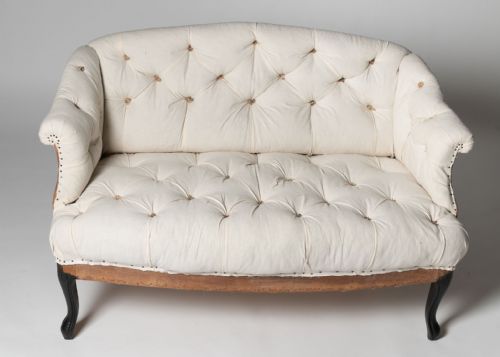
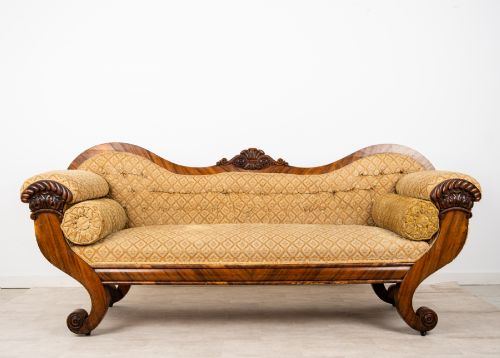
Buyers will most frequently encounter nineteenth-century interpretations, including Victorian walnut and mahogany sofas alongside Edwardian mahogany settees. French styles, such as Louis XVI design pieces and painted settees, also form a significant portion of what is available.
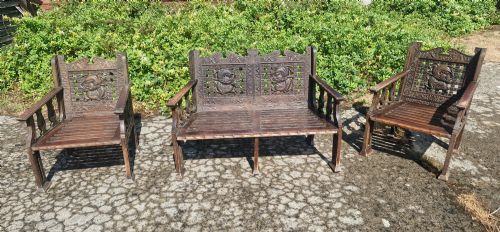
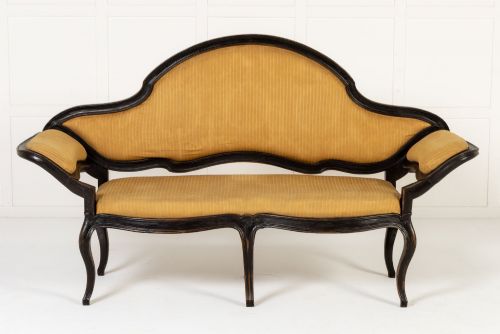
Regional variations extend from English Georgian and Regency seating to continental European examples like Italian ebonised sofas and Swedish pieces, as well as Anglo-Indian and Chinese carved benches.

Materials and construction
Master cabinetmakers utilised dense hardwoods such as mahogany, walnut, satinwood, and oak for the primary structural frames, often employing hand-carving and intricate wood inlays. Structural stability relied on traditional joinery techniques suited to each specific period style.
Seating areas frequently incorporated woven cane, rush, or traditional fabric upholstery layered over supportive webbing and stuffing. Decorative elements involved applied paint, gilding, or ebonisation to achieve the desired aesthetic finish.
Antique Wooden Settee Retail Price Guide 2026
Typical asking prices for wooden settee among the pieces listed under this phrase on Sellingantiques today, from the lower quarter to the upper quarter. They describe what is for sale here now, not the wider market.
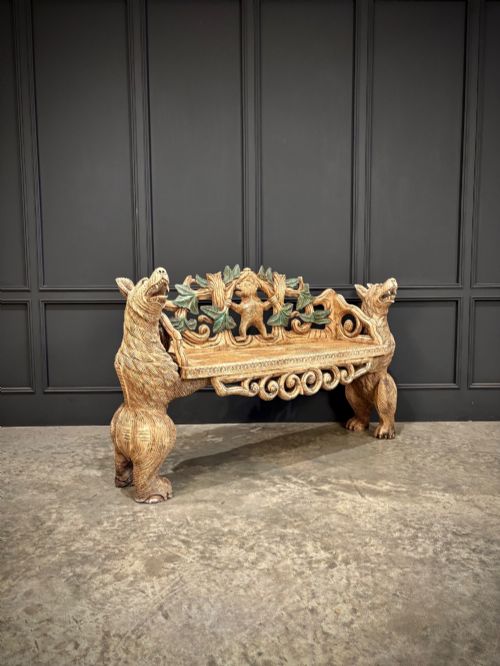
A delightfully fierce Black Forest bear bench waits ready to guard the hallway.
Distinguishing quality in construction and design
The distinction between standard examples and superior pieces rests on the crispness of hand-carved ornamentation, the selection of figured timber veneers, and the integrity of the underlying frame joinery. Finer pieces demonstrate meticulous attention to detail in carved scroll ends, fluted legs, and intricate fretwork.
Condition of original surface treatments, whether polished mahogany, painted satinwood, or hand-woven cane, heavily influences desirability. Original mounts, brass accents, and untouched timber patination elevate an example above later alterations or heavy restorations.
Thonet
The Antique Wooden Settee Glossary
- Bergere
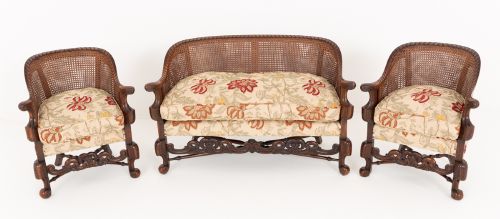
- A closed-arm upholstered armchair or sofa featuring exposed wooden framing and woven cane panels on the back and sides. This French style gained widespread popularity during the eighteenth and nineteenth centuries.
- Canape
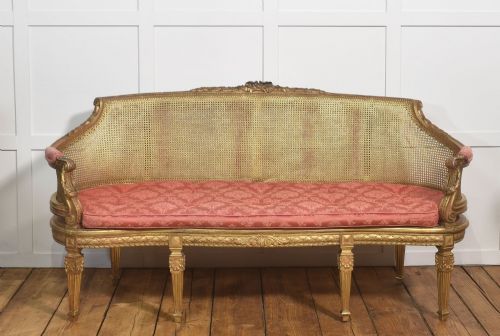
- A traditional French term for an upholstered sofa or settee, typically featuring an exposed wooden frame carved in prevailing period styles such as Louis XV or Louis XVI. These frames were often painted or gilded.
- Settle
- An early wooden bench featuring a high solid back designed to deflect draughts, frequently incorporating a box seat beneath the hinged lid for storage. They are constructed primarily from solid oak or pine.
- Canework
- A seating technique utilising woven rattan or cane strips to create a resilient, lightweight panel for backrests and seat bases. It is commonly found on French and Edwardian wooden settees.
- Inlay
- A decorative technique where pieces of contrasting wood, such as satinwood, are inserted into recessed cavities within a primary timber surface to create geometric or floral patterns.
Antique Wooden Settee: Frequently Asked Questions
How do I date an antique wooden settee?
Dating relies on examining the timber species, joinery methods, tool marks left during manufacture, and stylistic cues inherent to periods like the Georgian, Victorian, or Edwardian eras. Secondary woods used in the hidden frame components often provide reliable clues regarding the exact century of production.
Matching the carved motifs, leg profiles, and upholstery styles against documented historical examples further narrows the window of origin. Expert evaluation of the timber's natural ageing and patination confirms whether the piece is period-correct.
Where should I place a settee in my home?
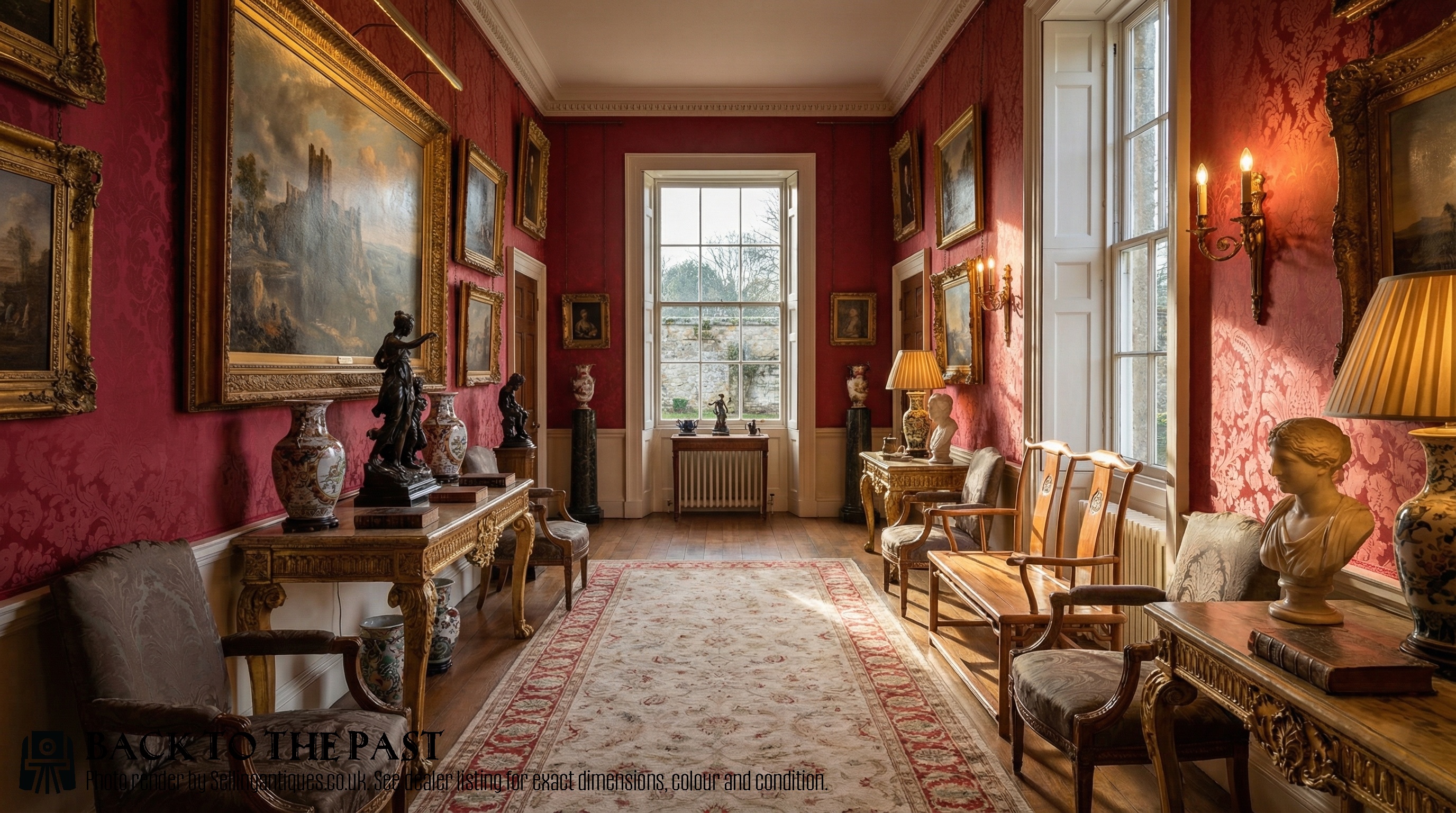
An antique wooden settee functions effectively as a focal point in a drawing room, a functional window seat, or a statement piece in a spacious hallway. Pieces with decorative carved backs or caning also suit placement where the rear of the frame remains visible.
Because these settees often feature delicate inlaid surfaces or historic fabric, positioning them away from direct sunlight and extreme temperature fluctuations preserves the wood and upholstery. Pairing them with complementary period chairs completes a traditional seating arrangement.
What is the difference between a settee and a sofa?
Historically, a settee denotes a lighter, often two-seat wooden framed bench with partial or full upholstery, frequently displaying more exposed timber structure. Sofas traditionally evolved as larger, more deeply upholstered seating designed for extended lounging.
In antique terminology, the terms often overlap depending on regional preferences and the specific stylistic period. Examining the proportion of exposed carved wood versus upholstered surface usually clarifies the specific form.
How do I care for antique wood and cane?
Maintaining wooden frames involves dusting regularly with a soft, dry cloth and applying appropriate beeswax sparingly to nourish the timber surface. Avoiding synthetic polishes prevents the buildup of residues that can dull the original patina over time.
Caned panels require gentle cleaning with a slightly damp sponge to maintain moisture and prevent the natural fibres from becoming brittle. Keeping cane work away from direct heat sources ensures the woven material retains its structural resilience.