




Mahogany Two Seater
When hunting for a mahogany two seater, you are looking at compact seating designed for intimate drawing rooms and parlours.
Mahogany Two Seater
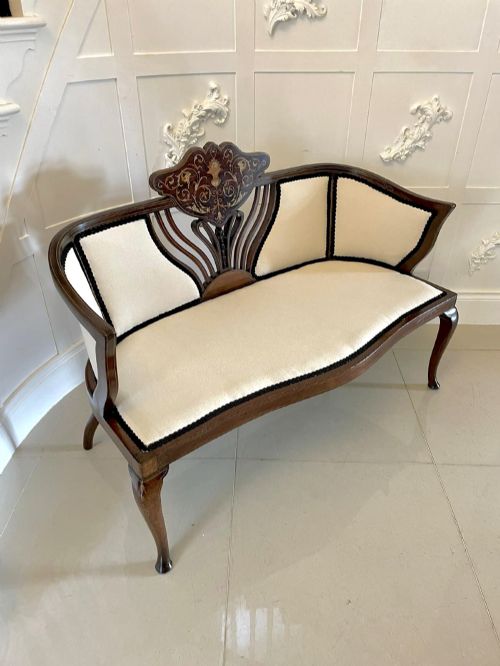
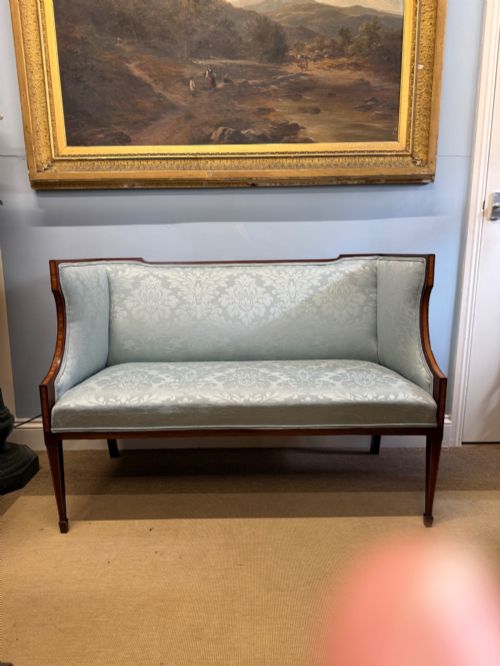
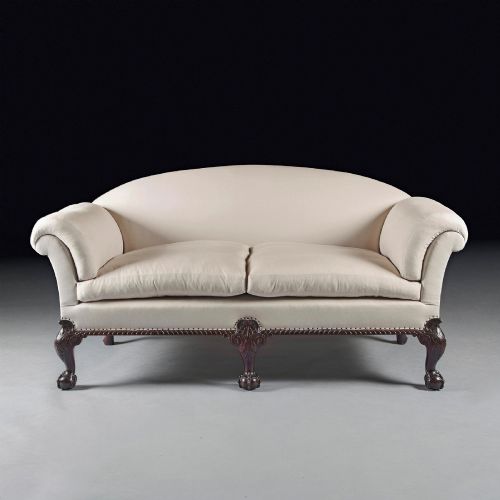
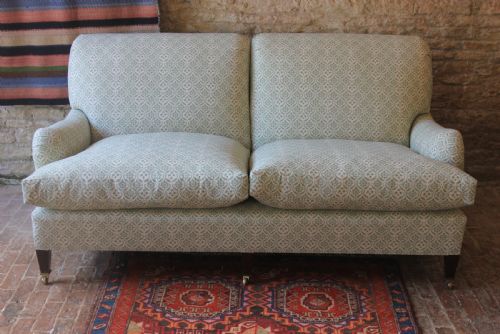
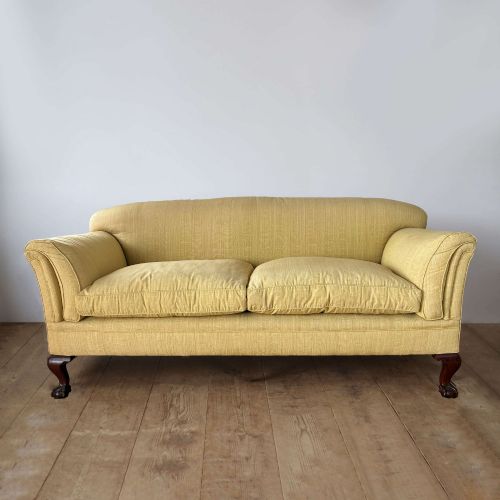
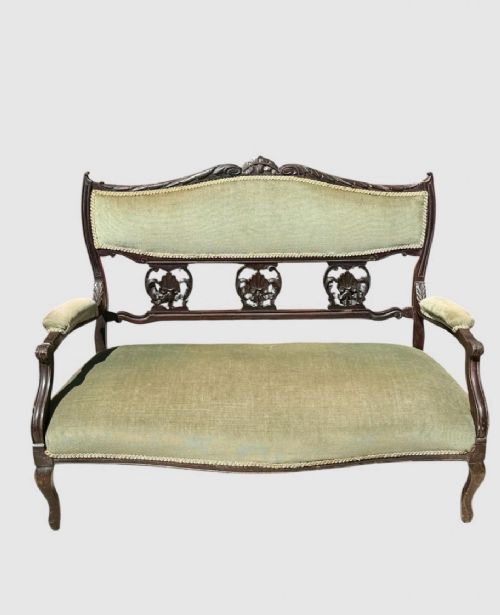
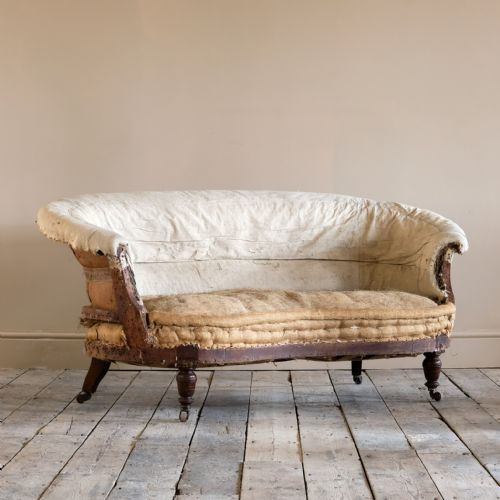
A mahogany two seater encompasses upholstered settees, small sofas, and window seats built to accommodate two individuals. The predominant examples encountered on this page date from the Victorian and Edwardian eras, alongside pieces shaped in earlier Georgian and Regency revivals.
These compact seats typically served in formal reception rooms, bedrooms, or entrance halls where space demanded a smaller footprint than a full-scale chesterfield. The forms range from show-frame carved wood structures to delicate inlaid parlour settees.
What Varies in Quality
The distinction between standard workshop output and top-tier craftsmanship lies in the crispness of the hand-carving and the depth of figure in the mahogany timber. Superior pieces display refined proportions, tighter joinery, and intricate inlay work rather than mass-produced stamped decoration.
The integrity of the underlying frame construction and the quality of the upholstery materials, from supple leather to heavy silk damask, further separate utilitarian seating from high-status salon furniture.
Some Edwardian settees feature hidden bone details tucked away on the frame, giving visitors a tactile surprise when brushing past.
Howard and Sons·Hampton and Sons·Butlers of Dublin
The Mahogany Two Seater Glossary
- Settee
- An upholstered seat with a back and arms, designed for multiple people. This term is frequently used interchangeably with small sofas in historical listings.
- Satinwood Inlay
- A decorative technique where contrasting light-coloured satinwood veneer is inserted into recesses within the darker mahogany surface. It creates geometric or floral patterns popular in Edwardian pieces.
- Show Frame
- A exposed wooden structure where the polished mahogany frame surrounds the upholstered back and seat, rather than being entirely hidden by fabric.
- Ormolu
- Gilded bronze mounts applied to furniture for decorative effect. This finish appears primarily on pieces influenced by French Neoclassical revivals.
Mahogany Two Seater: Frequently Asked Questions
How do I date a mahogany two seater?
Dating relies on examining the stylistic clues of the wooden frame, such as the presence of Edwardian satinwood inlay or heavy Victorian carved cabriole legs. Cabinet-making techniques and secondary woods inside the frame also help determine the era.
Comparing the silhouette against known Georgian, Victorian, or Edwardian design books narrows down the decade of production.
Where were these small sofas originally placed?
These compact seats were intended for smaller reception rooms, withdrawing rooms, or intimate corners where full-sized seating would overwhelm the floor plan. Many were also made for bedroom placement or end-of-bed use.
Their scale made them versatile enough to sit comfortably in hallways or window bays.
Are these seats suitable for daily sitting?
Most antique examples are structurally sound for modern living, provided the internal webbing and padding have been properly maintained or restored. Frames built from solid mahogany offer robust durability.
Periodic checks of the joints ensure the vintage timber remains stable under regular use.
What is the difference between a settee and a sofa?
Historically, a settee often denoted a lighter wooden-framed seat with partial upholstery, whereas a sofa implied a heavily padded, fully upholstered structure designed for lounging. Over time, makers and retailers began using both terms interchangeably.
On the market today, the distinction depends more on the specific frame style than strict historical definitions.