


Antique Parlour Sofa
An antique parlour sofa offers refined comfort and period presence, bringing timeless seating of mahogany, rosewood and walnut into the modern home.

What an antique parlour sofa is
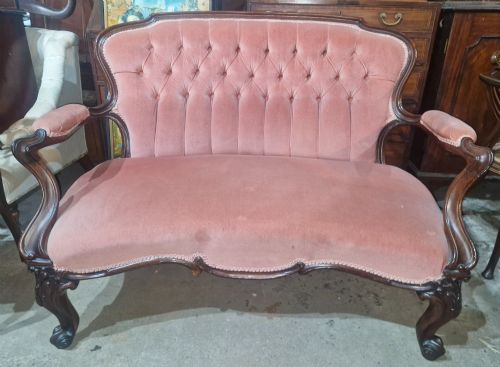
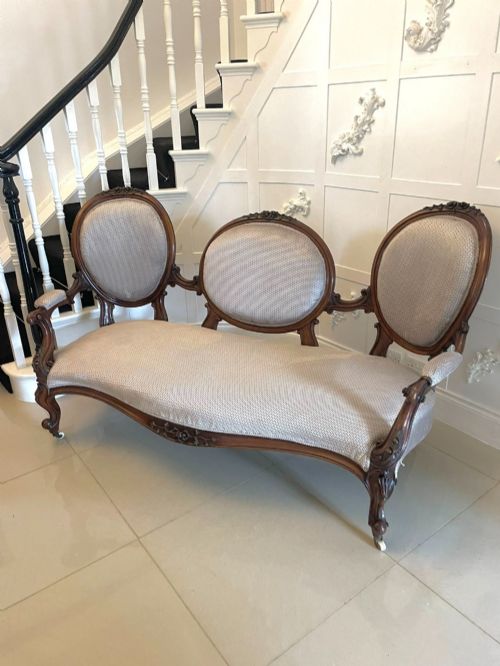
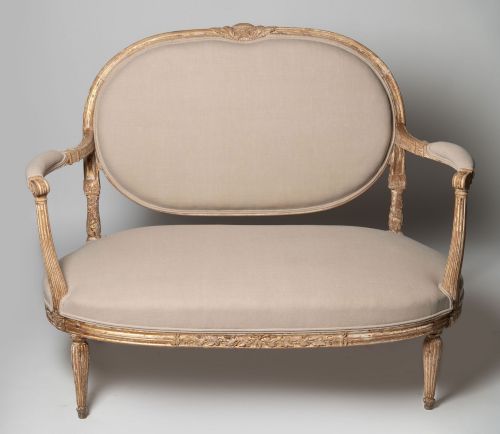
An antique parlour sofa provides elegant seating originating from the Regency, Victorian and Edwardian eras. These pieces span formal salon settees to scroll end couches designed for gracious reception rooms.
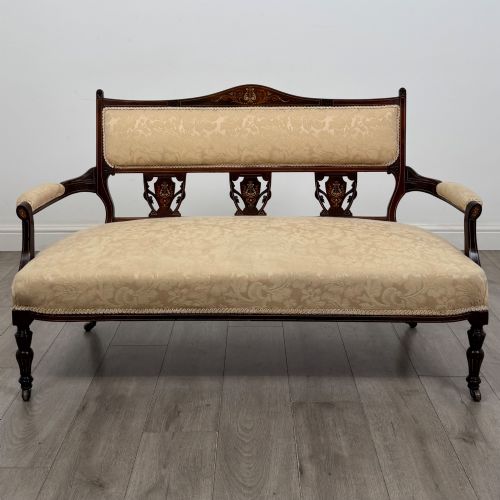
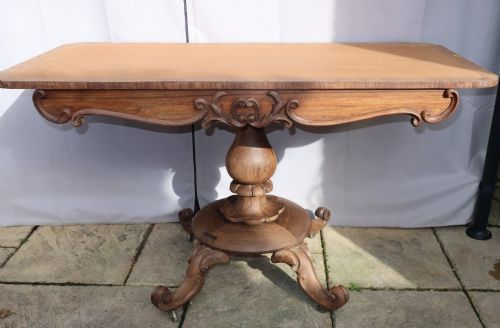
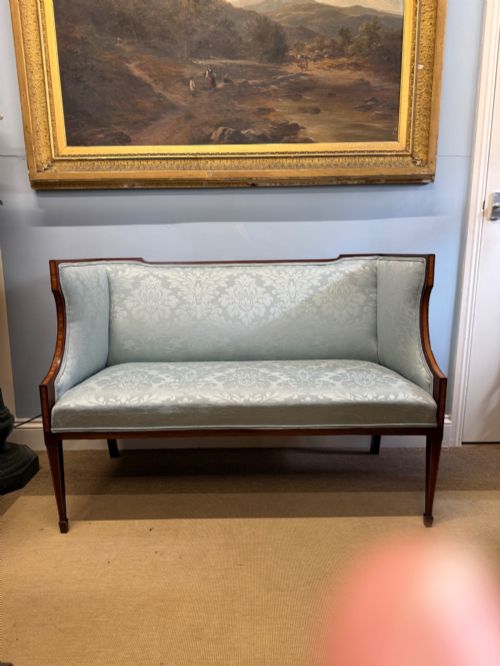
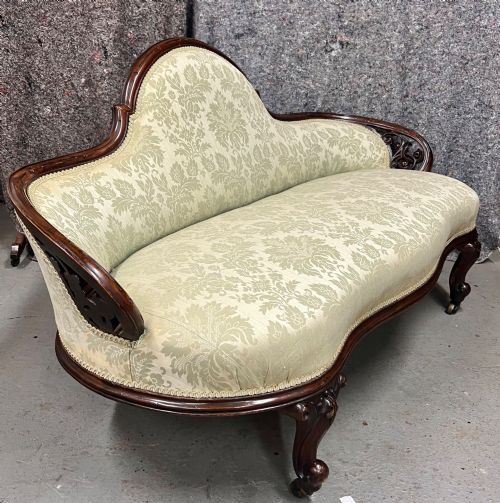
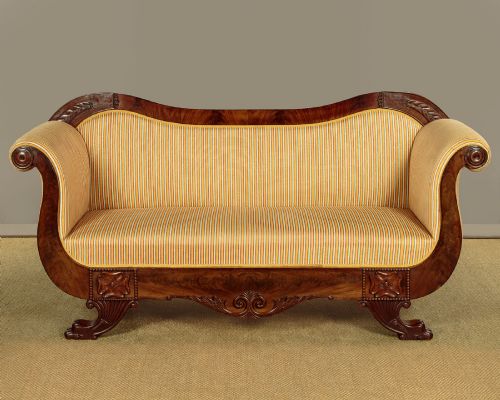
The materials and styles range from William IV rosewood frames to late 19th Century inlaid mahogany and Victorian walnut settees. Buyers encounter various forms including two seater salon settees and scroll end couches.
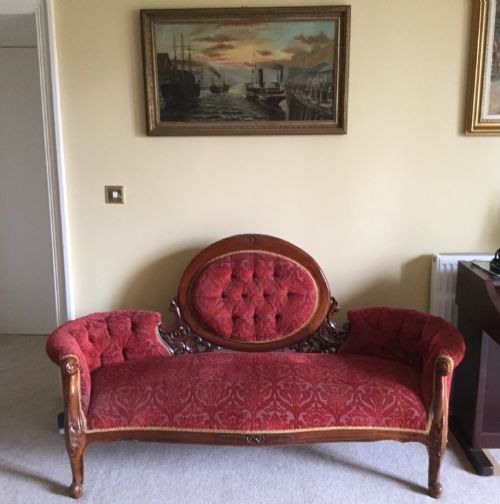
Makers utilised rich hardwoods such as mahogany and rosewood, often paired with elaborate tapestry, velvet or textile upholstery. Each piece reflects the distinct aesthetic of its period, from Regency lines to Victorian Rococo revival.
How these pieces were made
Cabinetmakers constructed the structural frames using solid mahogany, rosewood, walnut and brass components. Artisans shaped these dense timbers through precise carving and joinery techniques suited to each style.
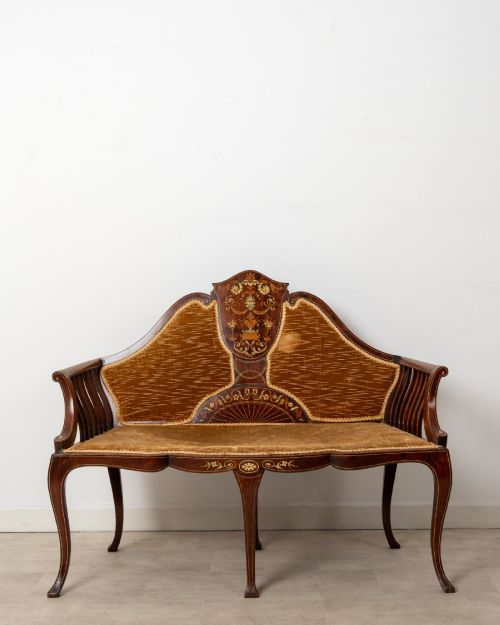
Surface decoration frequently incorporated delicate wood inlays, particularly on Edwardian and late 19th Century mahogany examples. Skilled upholsterers then applied traditional fabric, velvet and tapestry materials over sprung or padded foundations.
Retail Price Guide 2026
Typical UK retail prices for parlour sofa, calculated from the Sellingantiques database of over a million retail prices indexed since 2003. This retail price guide relies exclusively on Sellingantiques data; no external sources or auction records are used, so the figures do not describe the wider market.
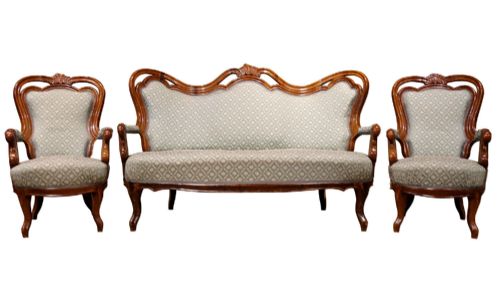
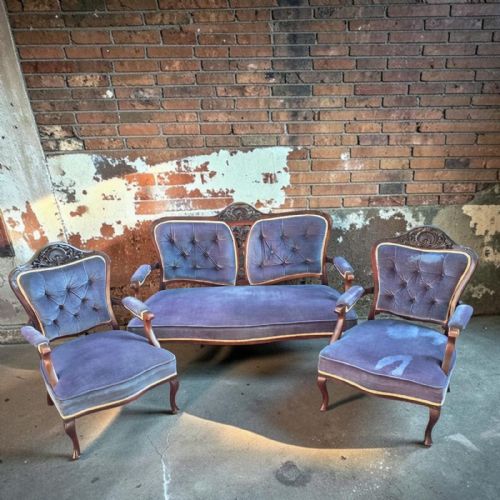
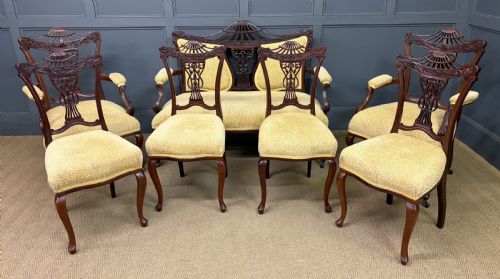
Some Victorian parlour suites included matching armchairs so the whole family could sit upright in stiff discomfort together.
What varies in quality
The integrity of the timber frame and the crispness of any carved ornamentation define the baseline of excellence. Pieces featuring deeply figured rosewood or finely executed mahogany inlay display superior craftsmanship compared to simpler utilitarian builds.
The standard of the upholstery work and the preservation of the original wooden structure dictate overall distinction. Well-maintained frames paired with high-grade textile coverings elevate a settee far above standard domestic examples.
The Antique Parlour Sofa Glossary
- Scroll end couch
- A seating form featuring an outward-curving wooden arm or end, typical of the Regency period. This design draws inspiration from classical Roman and Greek furniture archetypes.
- Salon settee
- A lighter, decorative sofa intended for formal entertaining rooms rather than heavy daily lounging. These often appear in mahogany with inlaid detailing from the late Victorian and Edwardian eras.
- Upholstery
- The padded and fabric-covered components secured to a wooden frame. This encompasses the historical textiles, tapestries and velvets used across Victorian and Edwardian seating.
- Inlay
- A decorative technique where contrasting woods are inserted into recesses within the primary surface. This method appears on late 19th Century and Edwardian mahogany frames to create geometric or floral motifs.
Frequently Asked Questions
How do I date a parlour sofa?
Dating relies on identifying the prevailing stylistic traits, timber choices and construction methods visible in the frame. Regency pieces often feature bold scroll ends, while Victorian examples frequently showcase rich rosewood or walnut carvings.
Later Edwardian and late 19th Century pieces commonly incorporate inlaid mahogany and lighter proportions. Examining these distinct decorative markers helps place a settee within its correct historical decade.
Where were parlour sofas placed?
These sofas were traditionally positioned in the main parlour or drawing room to receive guests and display household refinement. Their decorative backs and fine timber frames meant they often sat prominently within the room rather than against a wall.
In larger Victorian homes, matching parlour suites included coordinating armchairs alongside the central sofa. They anchored the formal social areas of the domestic interior.
How do I care for wooden frames?
Preserving the wooden frame requires keeping the timber away from direct heat sources and extreme humidity fluctuations. Regular dusting with a soft, dry cloth protects the polished mahogany, walnut or rosewood surfaces.
Avoid harsh chemical cleaners that can strip historical finishes and delicate inlays. Gentle maintenance ensures the structural integrity and appearance remain intact over time.