


Late Victorian Sofa
A late victorian sofa brings substantial comfort and historic character into a room, spanning deep chesterfields and elegant inlaid settees.

Late Victorian Sofa
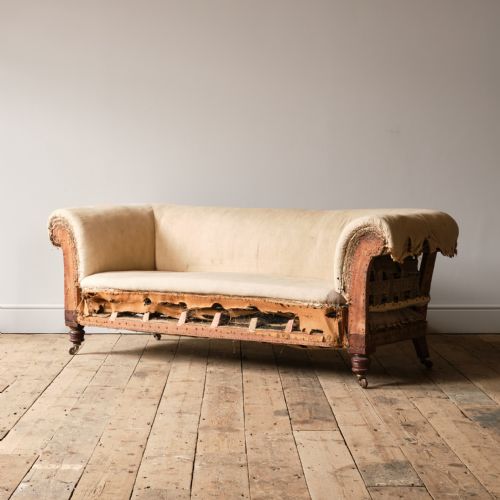
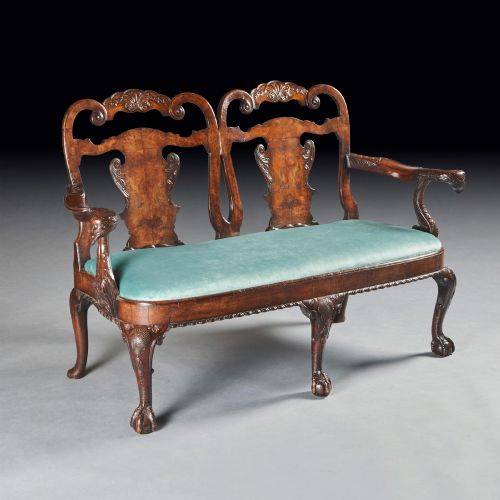
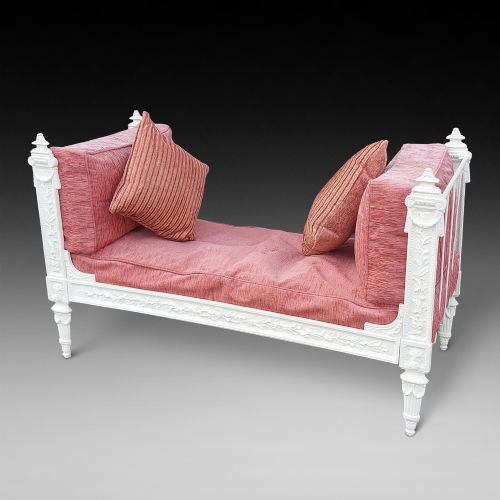
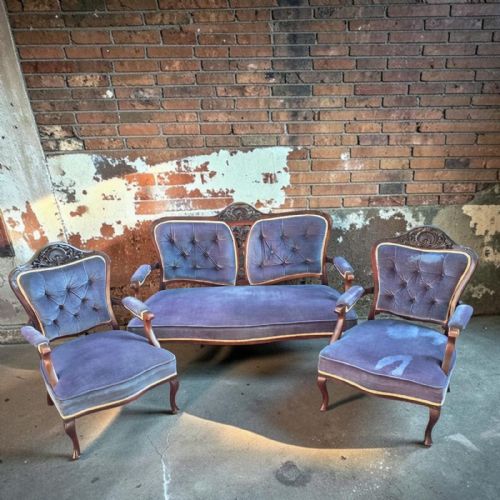
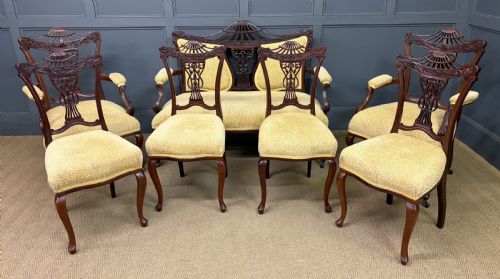
A late victorian sofa encompasses diverse seating forms originating predominantly from the late nineteenth century, including comfortable country house styles, drop-arm designs, and deep chesterfields. Makers of this period drew upon earlier design revivals, producing pieces that range from carved oak settling benches to upholstered two-seater salon settees.
The version most frequently met on this page is the upholstered two-seater or chesterfield sofa, often supported by turned walnut or mahogany legs with original castors. These seating options reflect the eclectic tastes of the era, combining heavy button-tufted upholstery with traditional frameworks.
Materials and Construction
These items rely upon sturdy timber frames constructed from mahogany, walnut, oak, and satinwood, frequently enhanced by decorative marquetry, inlay, or carved detailing. Upholstery fabrics range from velvet and silk to traditional linen and leather, often secured over complex sprung interiors designed for deep cushioning.
Cabinet makers utilised traditional joinery alongside brass castors and turned wooden supports, ensuring mobility and structural endurance. Surface finishes vary from ebonised treatments to polished natural wood grains, highlighting the rich colour of the underlying timber.
Late Victorian Sofa Retail Price Guide 2026
Typical asking prices for late victorian sofa among the pieces listed under this phrase on Sellingantiques today, from the lower quarter to the upper quarter. They describe what is for sale here now, not the wider market.
Drop-arm mechanisms allowed nineteenth-century nappers to lower a side instantly and secure twenty minutes of unexpected slumber.
Distinctions in Quality
The distinction between ordinary production and finer examples rests upon the selection of timber and the intricacy of the decorative woodwork. Highly regarded pieces display sophisticated inlay work, such as satinwood or rosewood banding, alongside finely carved mahogany or walnut framing.
Proportion and interior integrity also divide the range, as pieces built for country houses or prominent cabinet makers feature deeper seating profiles and superior weight distribution. Original castors, well-preserved frame joinery, and refined upholstery execution elevate certain examples well above standard utility seating.
Strahan of Dublin·Butlers of Dublin·Liberty and Co
The Late Victorian Sofa Glossary
- Chesterfield
- A deeply buttoned upholstered sofa featuring rolled arms of the same height as the back. This iconic form provides substantial depth and cushioned comfort.
- Chaise Longue
- An upholstered long chair or daybed designed for reclining, featuring a backrest positioned at one end or along the side.
- Inlay
- A decorative technique where contrasting woods or materials are fitted into depressions within a solid timber surface to create patterns.
- Castor
- A small wheel mounted on a swivel assembly attached to the base of furniture legs, facilitating easy movement across floors.
Late Victorian Sofa: Frequently Asked Questions
What defines a late victorian sofa?
A late victorian sofa is a piece of seating furniture produced toward the end of the nineteenth century, typically displaying eclectic Revival styles or deep buttoned upholstery.
These pieces combine robust timber frames with sprung seating and diverse fabric coverings ranging from leather to velvet.
How do you identify a chesterfield?
A chesterfield is readily recognised by its distinctive upholstered arms that match the height of the padded backrest.
This classic configuration creates an enclosed, supportive seating area suited for deep lounging.
Where were drop-arm sofas used?
Drop-arm sofas featured adjustable sides that could be lowered to create a reclining surface for resting.
These versatile seats were popular in nineteenth-century drawing rooms and parlours where space and comfort mattered.
How do you care for antique upholstery?
Antique upholstery requires gentle vacuuming with a soft brush attachment and protection from direct sunlight to prevent fabric fading.
Leather surfaces benefit from periodic conditioning, while delicate velvet and silk need professional cleaning attention.