
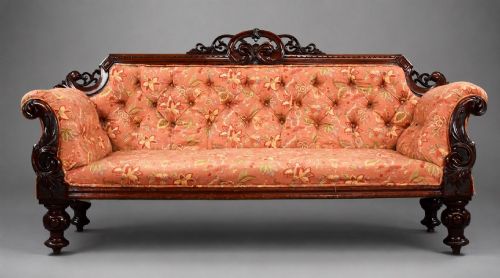
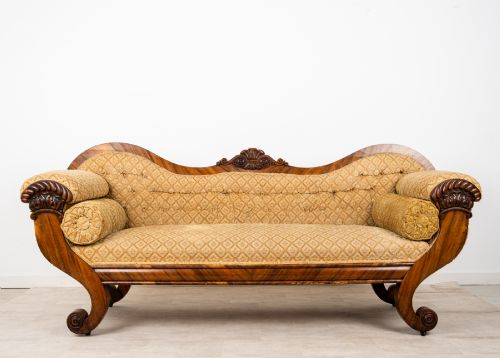
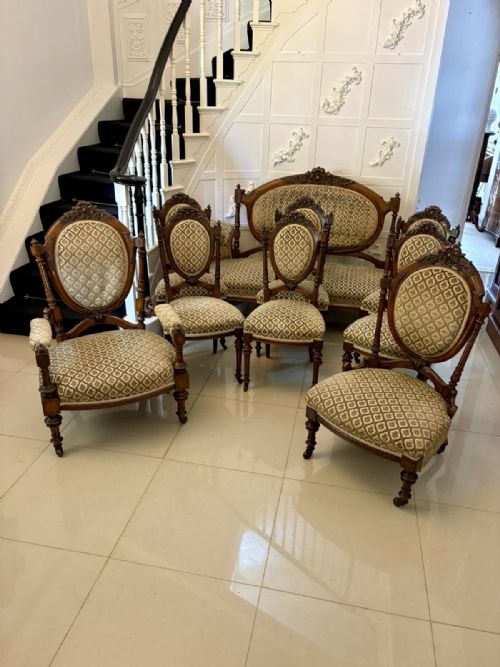


Antique Drawing Room Sofa
An antique drawing room sofa provides formal seating in a historic interior, bringing period character and traditional craftsmanship to a reception space.
Antique Drawing Room Sofa
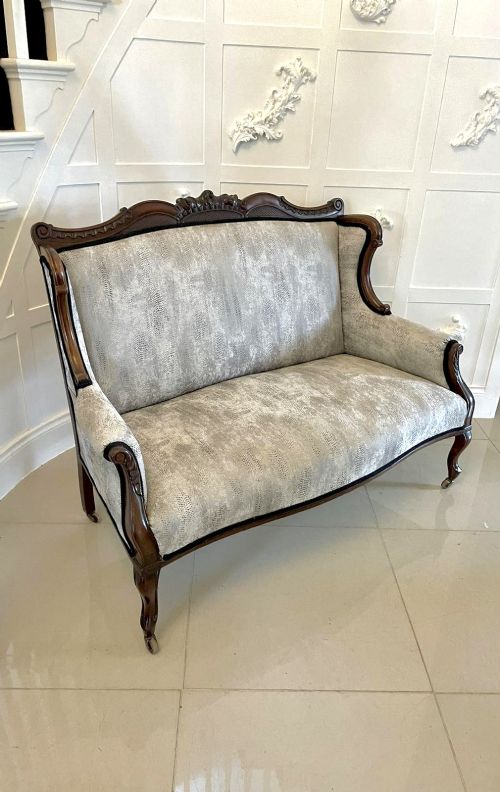
An antique drawing room sofa is a formal seat designed for entertaining, appearing in forms such as settees, salon suites, and parlour suites across the nineteenth and early twentieth centuries. These seating pieces range from compact two-seater settees to large show frame designs created for reception spaces.
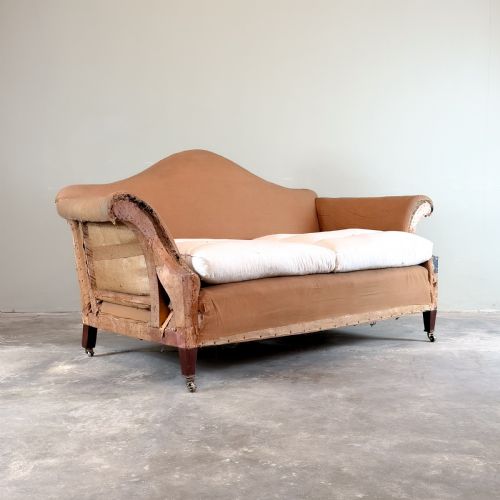
The versions most commonly met on this page span the Victorian and Edwardian eras, including styles like Victorian Rococo Revival, French Louis XV Revival, and William IV. Makers constructed these pieces in forms such as camel back sofas, cameo back settees, and inlaid rosewood or mahogany frames.
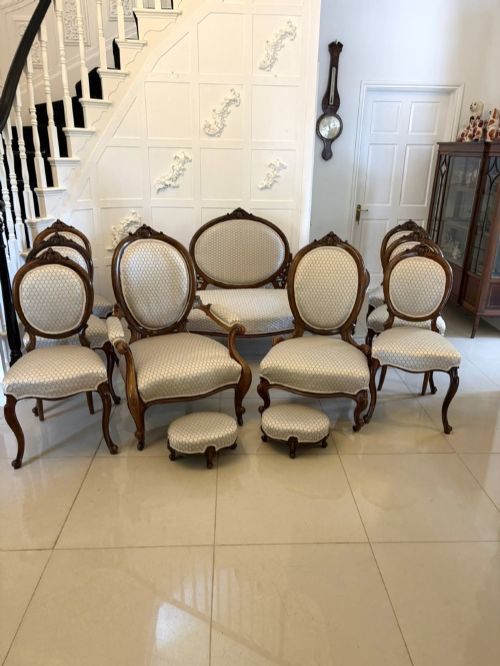
Buyers frequently encounter these items within larger salon or drawing room suites that include matching armchairs, side chairs, and footstools. Each piece reflects the formal reception requirements of period houses, country homes, and urban parlours.
How they were made
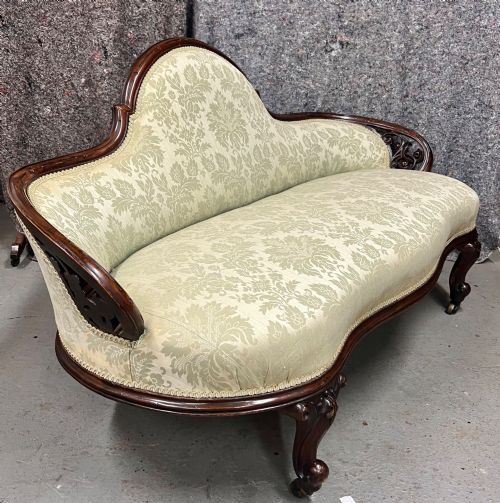
Makers constructed these frames using dense hardwoods including mahogany, rosewood, and walnut, often applying intricate carvings or delicate marquetry inlay. Show frames expose polished timber around the structural borders, highlighting the grain and sculptural scroll ends.
Upholstery involved traditional fabric coverings such as damask, velvet, and various upholstery textiles secured over supportive sprung or padded interiors. Brass fittings occasionally appear as castors or structural accents on specific periods.
Some nineteenth century drawing room suites arrive with matching footstools, proving that Victorian feet rarely touched the carpet.
What varies in quality
The standard of timber carving and inlay work distinguishes finer examples from simpler production, with crisply hand-carved scroll ends and detailed marquetry marking superior pieces. Exhibition quality items display exceptional cabinet-making and cohesive suite designs.
The integrity of the show frame and the precision of the joinery set the baseline for structural longevity in these formal seats. Material selection in the original show woods also dictates the visual presence of the furniture.
Morison and Co Edinburgh
The Antique Drawing Room Sofa Glossary
- Show frame
- A wooden structural framework left visible around the upholstered portions of a sofa or settee. It displays the carved woodwork and finish of the piece.
- Camel back
- A traditional sofa back shape characterised by a distinctive convex curve resembling a camel's hump. This outline was popular across various Victorian and Edwardian seating forms.
- Scroll end
- A rolled or curved terminal at the arm of a sofa, frequently carved from solid rosewood or mahogany. It provides an ornamental finish to the seating ends.
- Cameo back
- An oval or medallion-shaped upholstered panel set within a carved wooden frame on the backrest. This design appears frequently on Victorian walnut drawing room furniture.
- Salon suite
- A matched set of seating furniture comprising a sofa or settee alongside coordinating armchairs and side chairs. These suites furnished formal entertaining rooms.
Antique Drawing Room Sofa: Frequently Asked Questions
What is a drawing room sofa?
A drawing room sofa is a formal seat created for entertaining guests in the principal reception rooms of nineteenth and early twentieth century homes. These pieces often feature decorative show frames and upholstered surfaces designed to match surrounding parlour furniture.
They appear in various revival styles, including Louis XV and Rococo, reflecting the fashionable tastes of their original periods. Their scale ranges from intimate two-seater settees to larger pieces within complete salon suites.
How do I date an antique sofa?
Dating relies on stylistic indicators, structural woods, and upholstery forms that evolved from the William IV era through the Victorian period and into Edwardian times. Details such as mahogany show frames, walnut cameo backs, or inlaid rosewood provide clear chronological markers.
Comparing the specific carved motifs and overall silhouette against documented examples from the same era helps narrow down the decade of manufacture. Makers often incorporated specific revival styles that correspond to known periods of production.
Where were these sofas used?
These sofas were placed in the principal public rooms of grand townhouses, country houses, and suburban villas where hosts received visitors. They served as central seating elements in formal drawing rooms, parlours, and private salons.
Their decorative show frames and fine upholstery fabrics were chosen to complement the social status and interior decoration of the reception space.
How do I care for antique upholstery?
Preserving antique upholstery involves protecting delicate textiles like damask, velvet, and period fabrics from direct sunlight and excessive wear. Regular gentle cleaning prevents dust accumulation in the fibres and maintains the condition of the fabric.
When handling the sofa, lifting by the solid wooden frame rather than the upholstered arms or decorative crests protects the internal structure and joints from strain.