


Brown Wooden Settee
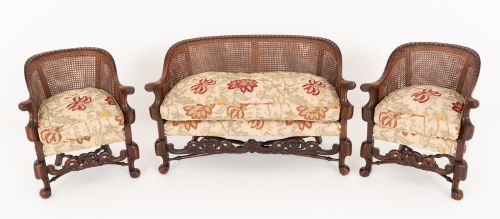
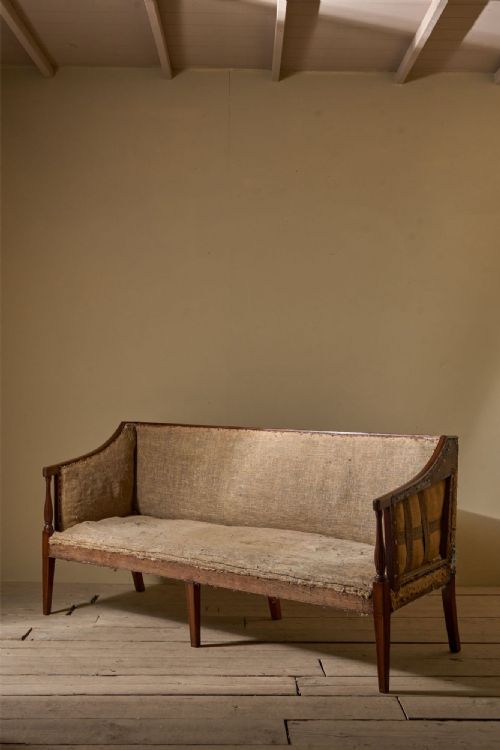
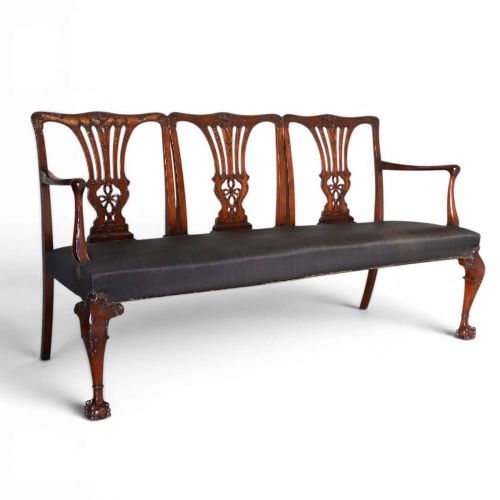
A brown wooden settee brings warmth and sturdy elegance to a room, offering practical seating shaped by Edwardian and Victorian hands.
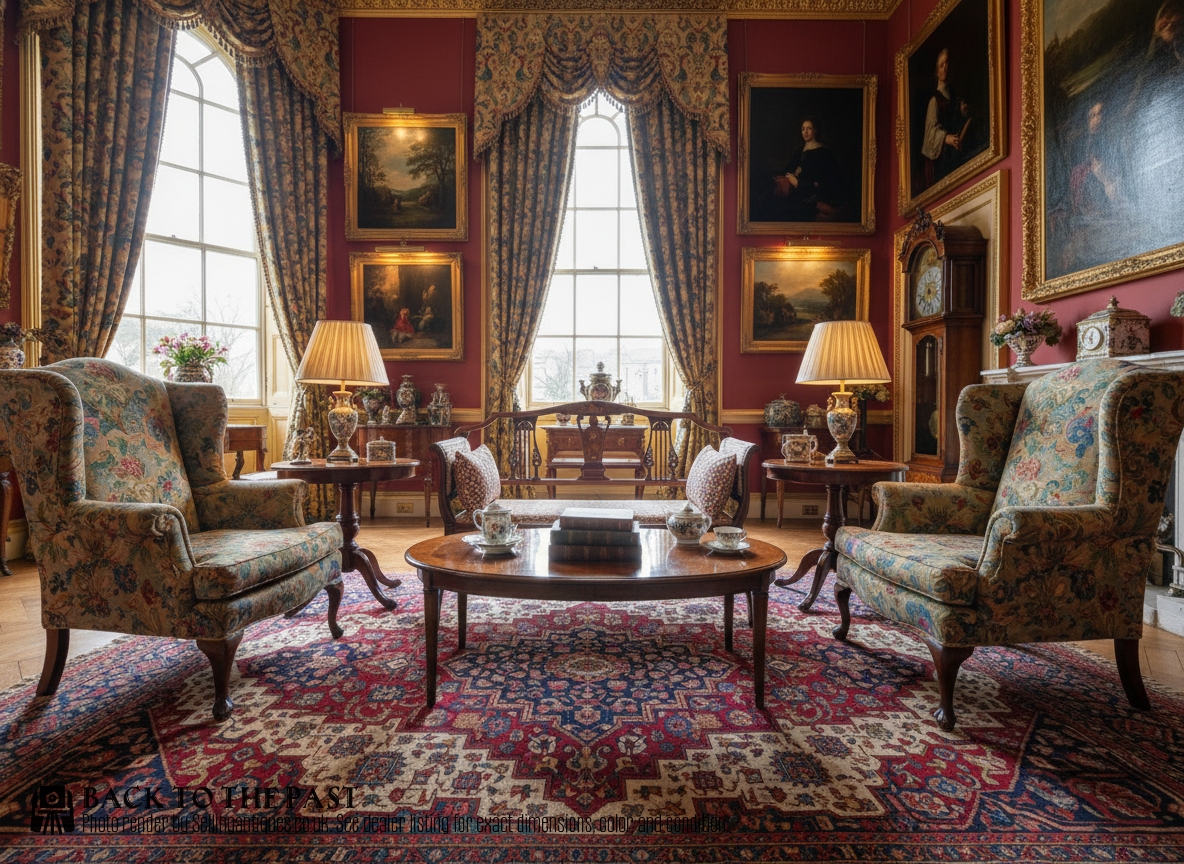
What these brown wooden settees are
Every brown wooden settee on this page is an upholstered or framed seat designed for multiple sitters, spanning the Edwardian era and the late nineteenth century. These pieces include salon sofas and two-seater settees originating from the mid-nineteenth century up to nineteen-ten.
The most common form you will meet here is the mahogany settee, often decorated with delicate inlay work. Makers built these seating pieces for formal reception rooms and parlours, combining durable timbers with comfortable textiles.
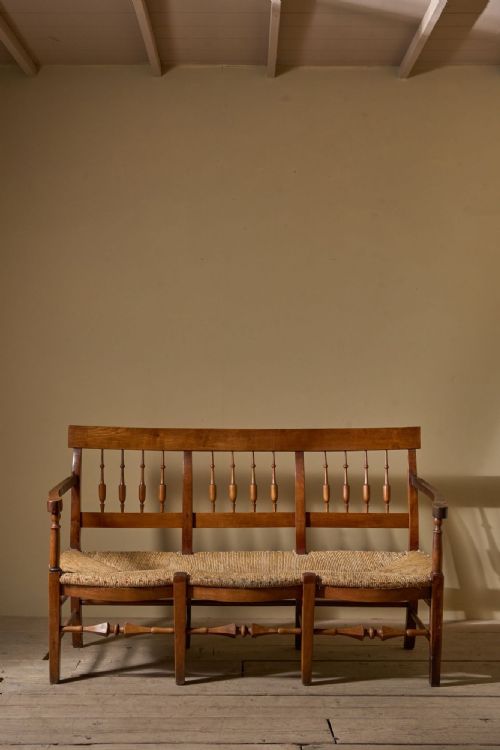
The styles range from revival designs to simple ladderback frameworks. Buyers searching for a brown wooden settee find domestic furniture that has survived a century or more of daily use.

How they were made
Makers constructed these settees using solid timbers, chiefly mahogany, selected for strength and deep natural colour. Artisans shaped the wooden frames by hand, joining structural parts with traditional woodworker joints.
Decoration relied on cabinet-making skills such as marquetry and satinwood inlay. Craftsmen set contrasting veneers into the timber surfaces to create geometric or floral patterns.
Upholstery completed the furniture, using textiles stretched over internal webbing and padding. These fabrics turned a rigid wooden frame into a comfortable seat for the parlour.
Retail Price Guide 2026
Typical UK retail prices for brown wooden settee, calculated from the Sellingantiques database of over a million retail prices indexed since 2003. This retail price guide relies exclusively on Sellingantiques data; no external sources or auction records are used, so the figures do not describe the wider market.
Listings feature mahogany, satinwood inlay, and fabric upholstery across Edwardian and late nineteenth-century periods.
What varies in quality
The refinement of the woodwork separates standard seating from finer examples. Crisp joinery and balanced proportions show the hand of a skilled cabinet maker rather than routine workshop production.
The precision of the marquetry and satinwood inlay marks the tier of craftsmanship. Clean edges and harmonious wood selection indicate greater care during construction.
The retention of original timber patination and honest textile choices influence the character of each piece. Minimal restoration preserves the historical integrity of the settee.

The Brown Wooden Settee Glossary
- Mahogany
- A durable tropical hardwood prized for its reddish-brown colour and stability in furniture making. It forms the primary structural material for these settees.
- Marquetry
- The art of applying pieces of veneer to a structure to form decorative patterns. This technique decorates the wooden frames.
- Satinwood
- A pale yellowish wood used for contrasting inlay work on darker timbers. It creates bright details against the mahogany background.
- Edwardian
- The period spanning nineteen-one to nineteen-ten, characterised by lighter furniture styles and revival motifs. Many pieces on this page originate from these years.
- Ladderback
- A chair or settee back featuring horizontal wooden slats resembling the rungs of a ladder. This traditional form provides sturdy vertical support.
Frequently Asked Questions
What is a brown wooden settee?
A brown wooden settee is a multi-seater bench or sofa constructed from timber like mahogany, designed for domestic seating. These pieces date from the nineteenth and early twentieth centuries.
They combine wooden frames with textile upholstery to provide formal or casual seating in historical homes.
How were these settees used?
These pieces served as formal seating in parlours, drawing rooms, and reception spaces. Families utilised them for social gatherings and daily relaxation.
Their decorative frames ensured they remained visible items of furniture rather than hidden utility seating.
How do I care for antique wood?
Keep wooden furniture away from direct sunlight and sudden temperature changes to protect the timber. Regular dusting with a dry cloth maintains the surface.
Apply suitable wax sparingly to nourish the mahogany without building up heavy residues.
How do I identify Edwardian furniture?
Edwardian pieces often feature lighter proportions, inlay work, and influences from earlier Georgian styles. They typically date between nineteen-one and nineteen-ten.
Construction methods and timber choices help distinguish them from earlier Victorian examples.