
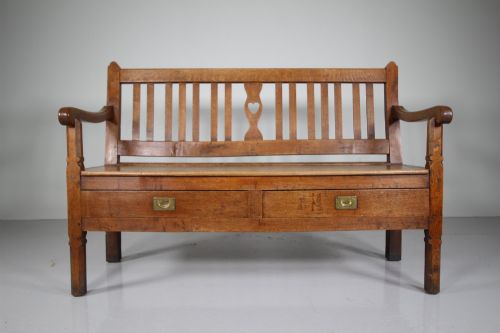
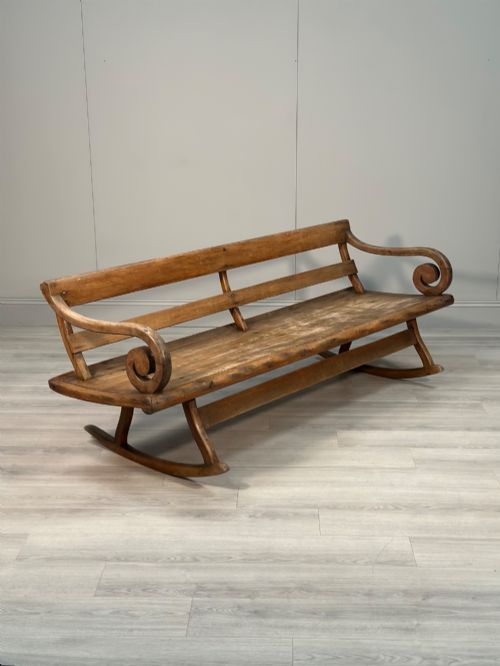
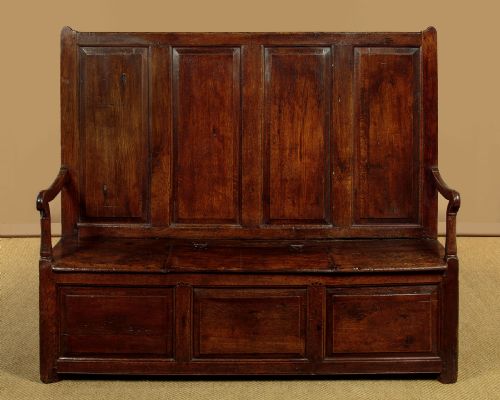
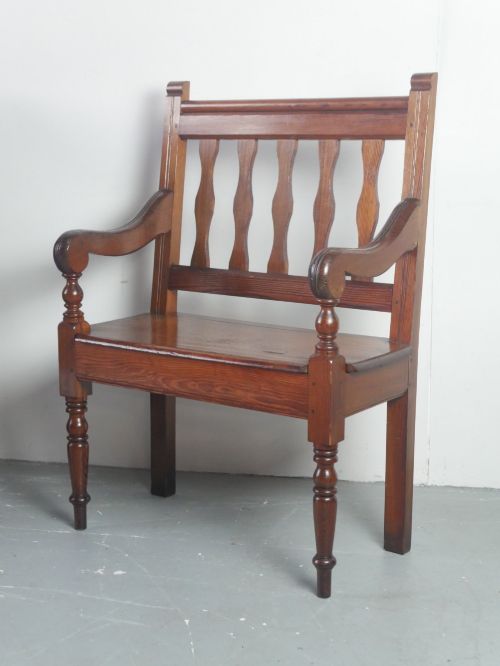
Traditional Wooden Settle
A traditional wooden settle anchors a hallway or kitchen with centuries of heavy joinery and solid timber.

What a traditional wooden settle is
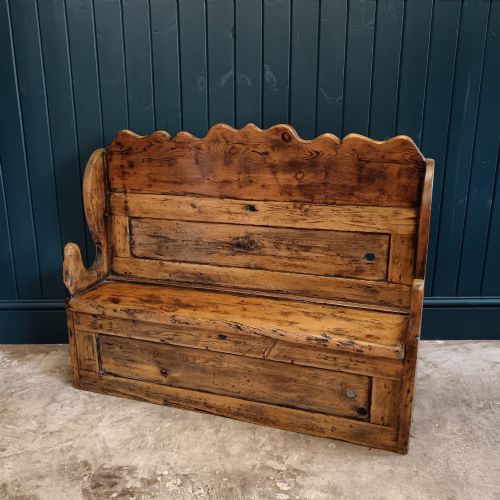
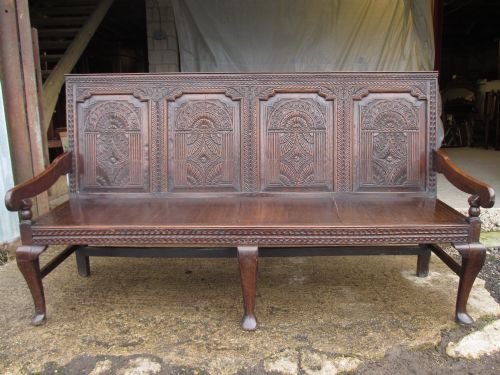
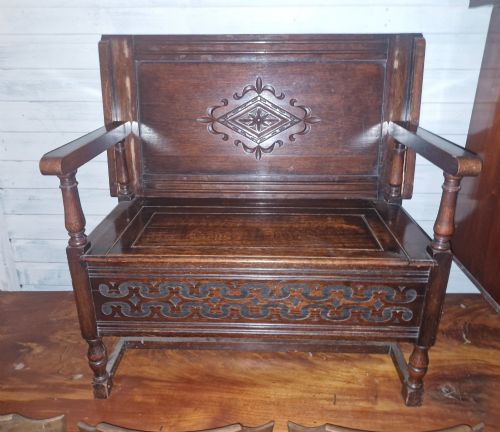
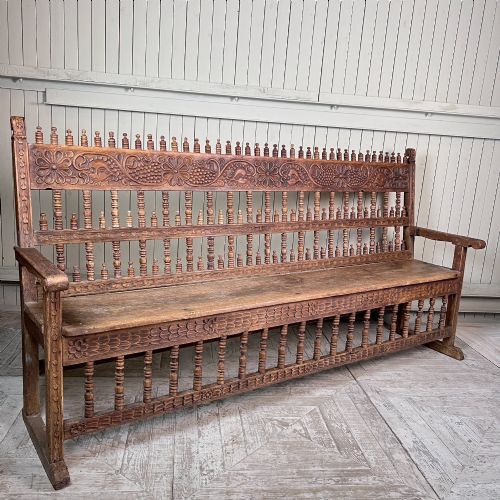
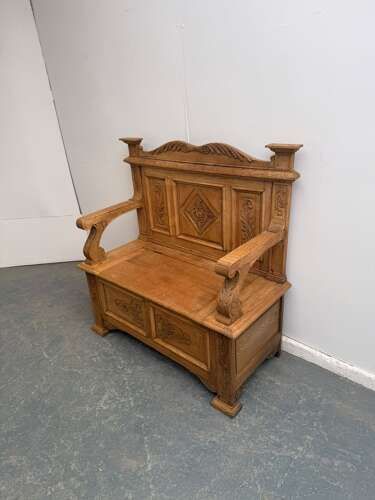
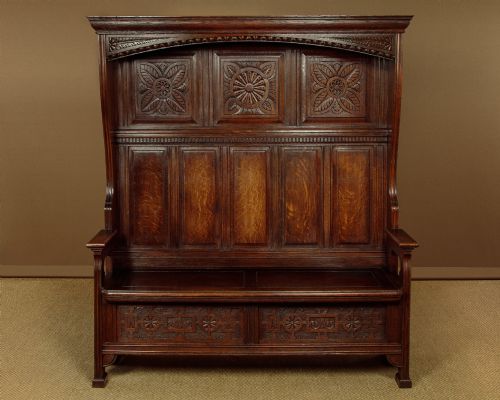
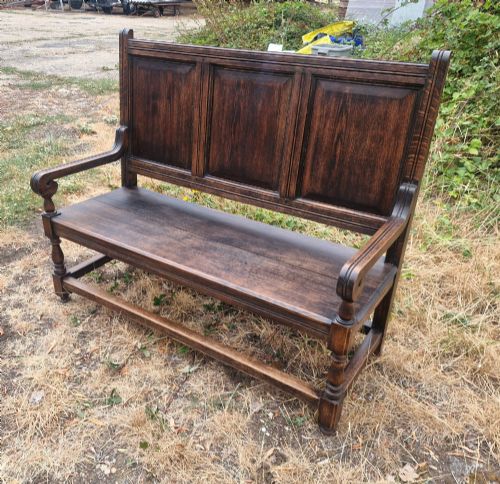
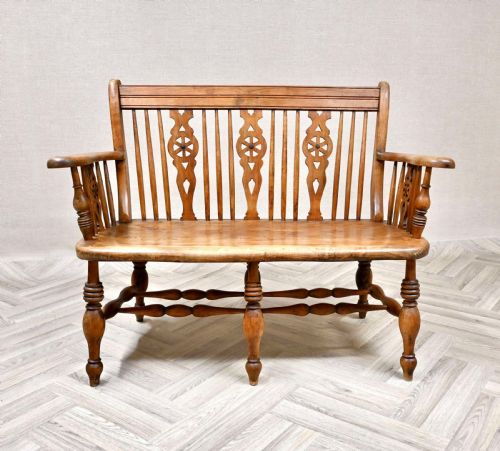
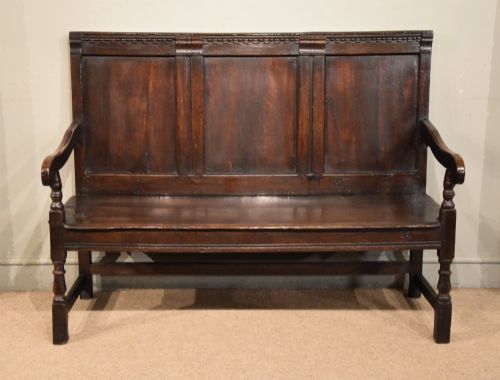
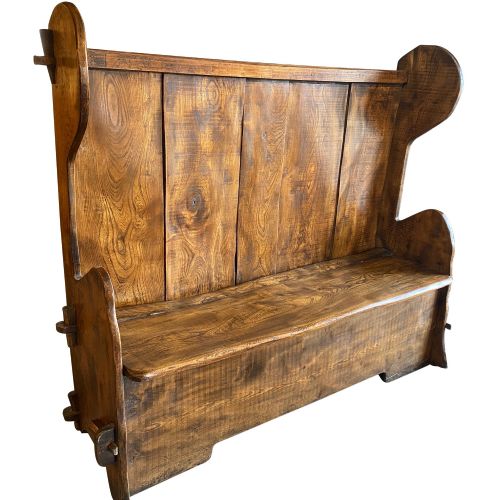
A traditional wooden settle takes the form of a high-backed wooden bench, designed originally to keep draughts away from firesides and halls. The pieces appearing here span the eighteenth century, the Victorian era, and eighteen-ninety.
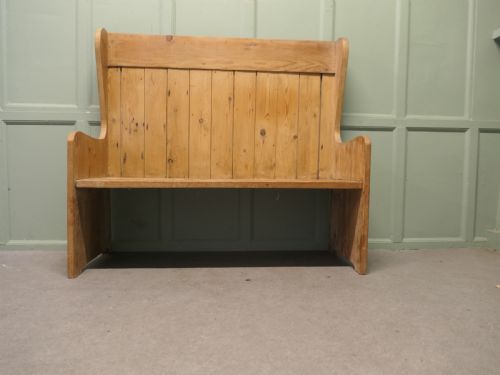
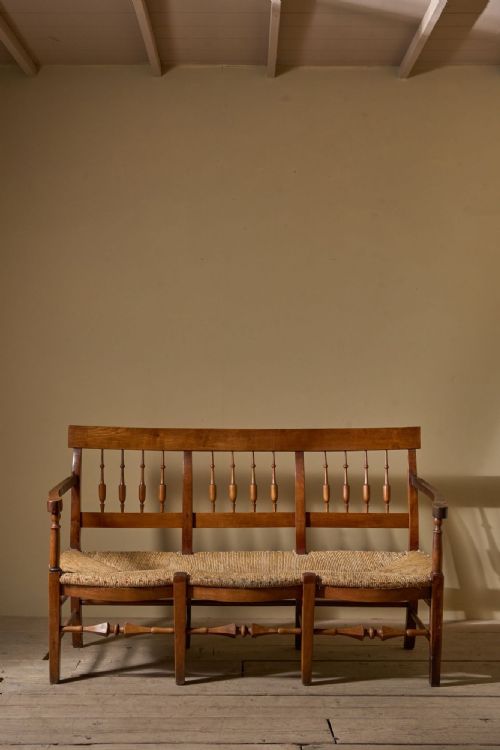
The regional variety is wide, taking in rustic country, Hungarian country, Georgian, Victorian country, Jacobean, Gustavian, and early Georgian styles. Forms range from simple high-back pine settles and fireside country pub benches to painted grey box settles, ladderback settees, and limed-backed examples.
Settles serve primarily as benches and settees, functioning as substantial seating options built from heavy boards. Buyers meet both painted and unpainted surfaces across these diverse regional interpretations.
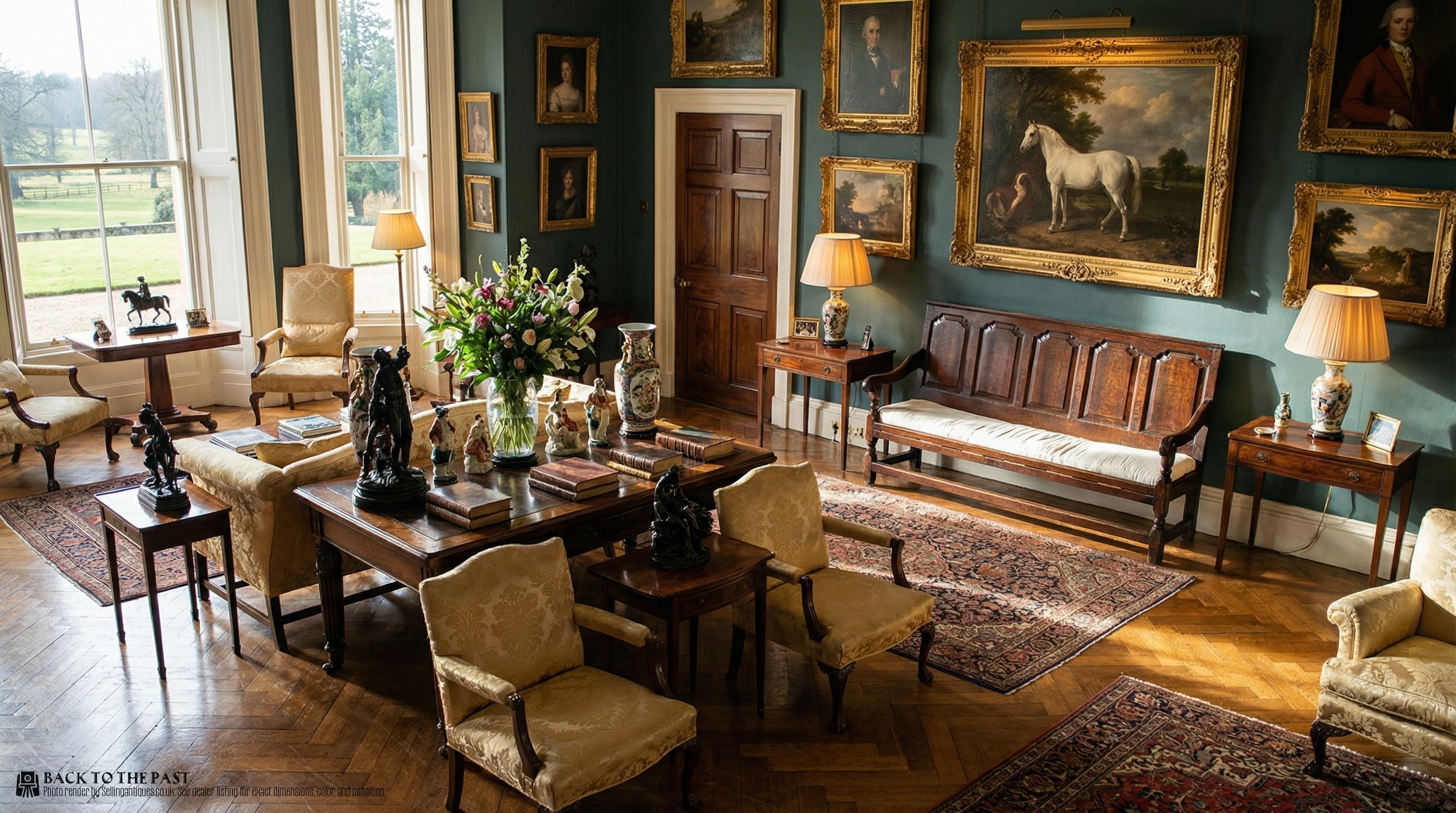
How they were made
Construction relies heavily on native timbers, predominantly oak and pine, alongside mahogany. Carpenters joined thick panels and planks to create rigid backs and enclosed lower storage boxes.
Surface treatments vary between natural wood finishes, liming, and applied paint, including grey finishes. Structural elements incorporate traditional joinery suited to heavy daily use in domestic and tavern settings.
Retail Price Guide 2026
Typical UK retail prices for traditional wooden settle, calculated from the Sellingantiques database of over a million retail prices indexed since 2003. This retail price guide relies exclusively on Sellingantiques data; no external sources or auction records are used, so the figures do not describe the wider market.
Listings feature oak, pine, and mahogany across the eighteenth and nineteenth centuries, including Victorian and Gustavian styles.
What varies in quality
Quality separates through the integrity of the original timber and the survival of early painted or limed surfaces. Pieces retaining their structural heft and honest proportion sit at the upper end of the range.
The sophistication of regional styling, from restrained early Georgian joinery to decorative Hungarian painted finishes, dictates the character and desirability of each example.
The Traditional Wooden Settle Glossary
- Settle
- A wooden bench with a high back, solid arms, and often a closed base or box seat below. This form protected sitters from cold draughts in unheated rooms.
- Box settle
- A settle featuring a storage compartment beneath the seat, accessed by lifting the lid. This practical design maximised utility in domestic spaces.
- Ladderback
- A chair or settle back constructed with horizontal slats resembling the rungs of a ladder. This style appears on specific regional settees.
- Limed
- Wood treated with a specialised finish that highlights the grain with a whitish deposit. This technique lightened darker timbers like oak.
- Gustavian
- The Swedish interpretation of French neoclassical style, characterised by lighter proportions and pale painted finishes. It brings a restrained elegance to country furniture.
Frequently Asked Questions
What is a traditional wooden settle used for?
A traditional wooden settle provides sturdy seating while blocking cold draughts in large rooms or hallways. The high wooden back and solid sides create a sheltered seating area.
Many examples incorporate enclosed box compartments beneath the seat for storing household goods. Historically, they stood near hearths in farmhouses and public houses.
How do I date an antique settle?
Dating relies on examining the timber species, joinery methods, and tool marks left by the maker. Eighteenth-century pieces typically show pegged mortise and tenon joints in oak.
Later Victorian and eighteen-ninety examples often utilise pine or mahogany with machine-sawn components. Style indicators like early Georgian proportions also help place a piece in its correct period.
Where should I place a settle at home?
A settle fits naturally in an entrance hallway, providing a place to sit while offering visual weight against a bare wall. They also function well in large kitchens or dining rooms.
Because of their high backs, they help divide open-plan spaces into distinct zones. Placing one near a heat source revives its original draught-excluding purpose.
How do painted settles differ from plain wood ones?
Painted settles often display regional European folk art characteristics, such as the grey finishes seen on Hungarian and Swedish pieces. These coatings protect the underlying softwood while adding decorative colour.
Plain wood versions showcase the natural grain of oak, pine, or mahogany. The choice depends on whether the interior calls for a natural timber texture or a softer painted surface.