




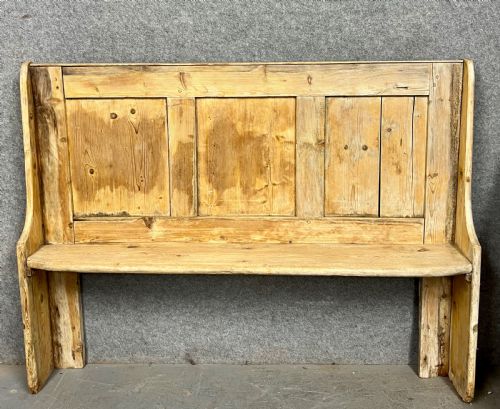


Country House Settle
A country house settle brings centuries of domestic warmth into a room, offering robust wooden seating designed to keep out drafts.
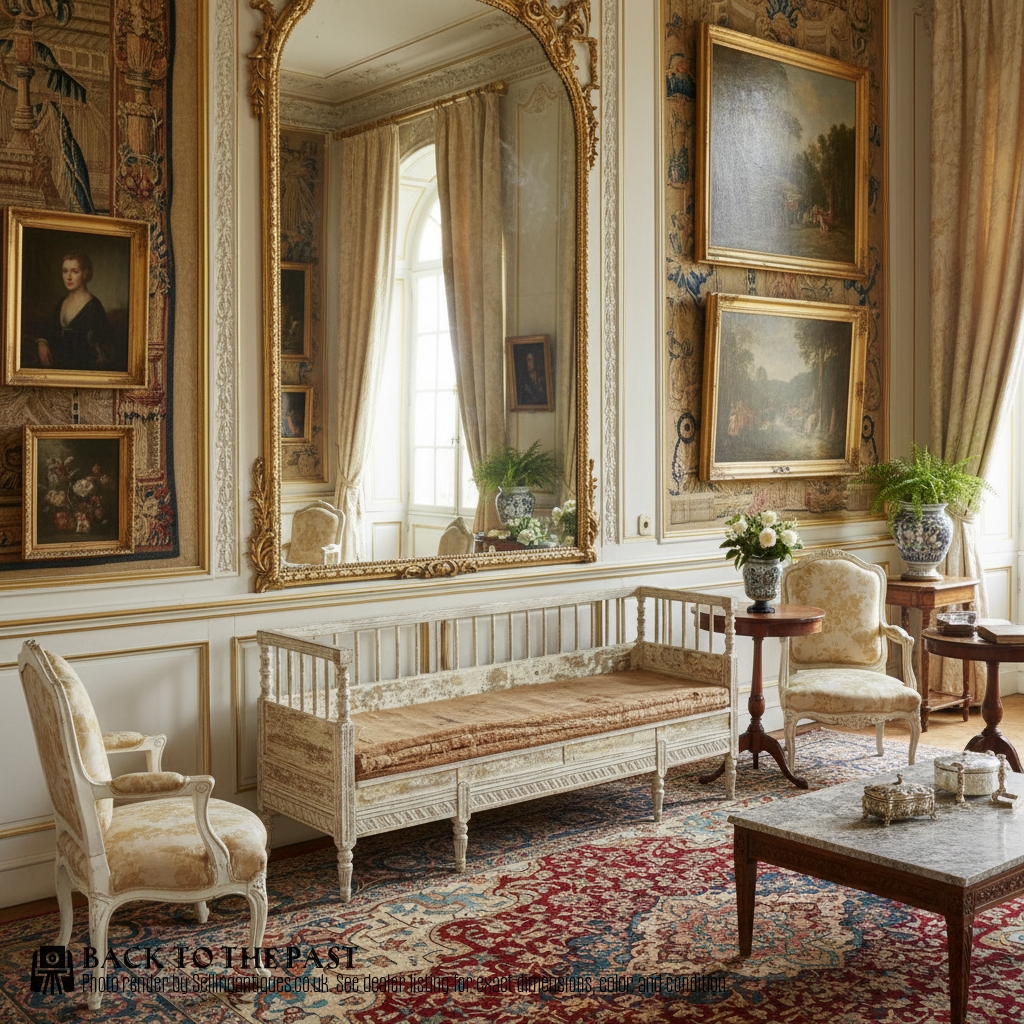
Country House Settle
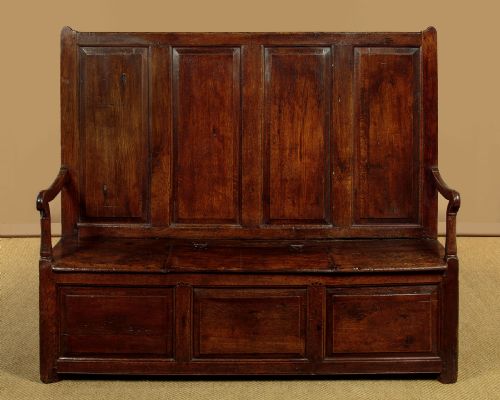
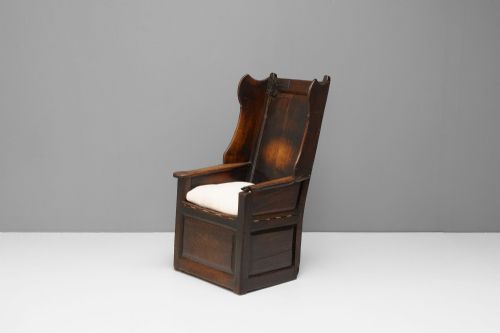
A country house settle serves as a substantial wooden seat, often featuring a high back designed to shield occupants from cold draughts in large hallways and living spaces. These pieces appear frequently in oak, pine, and elm, reflecting utilitarian origins in rural domestic settings.
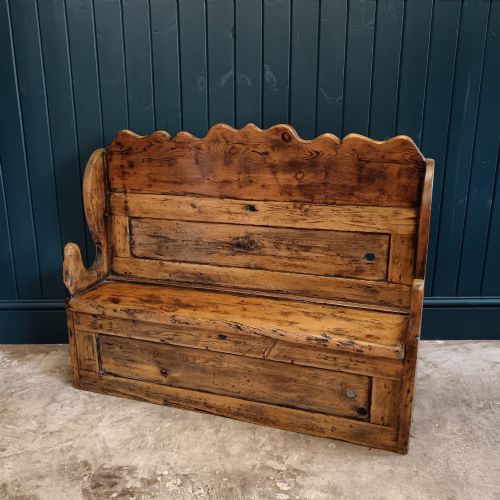
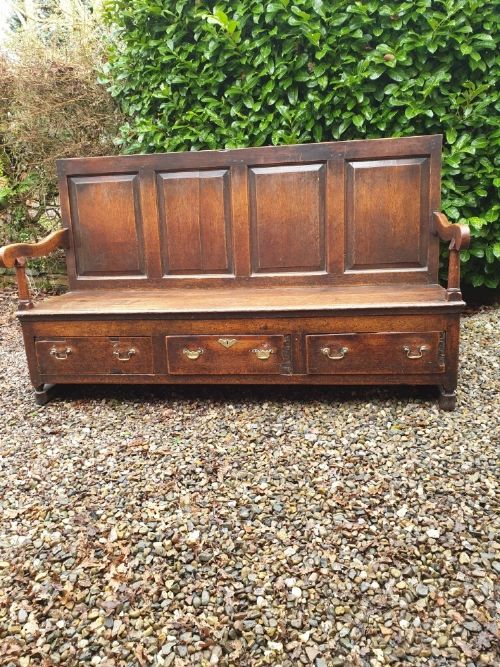
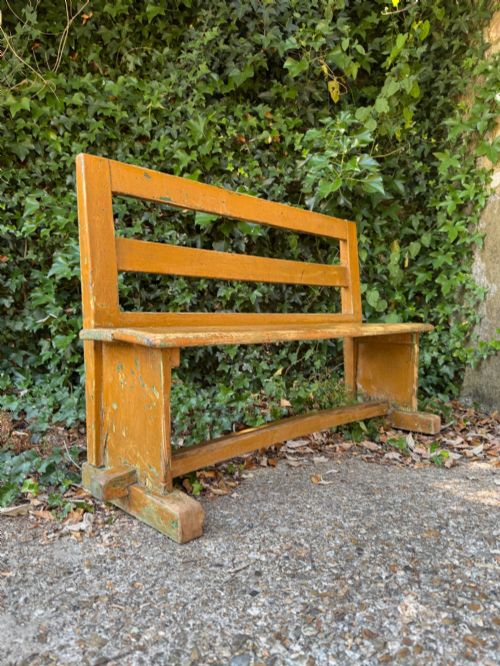
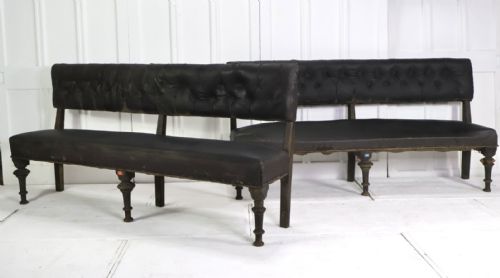
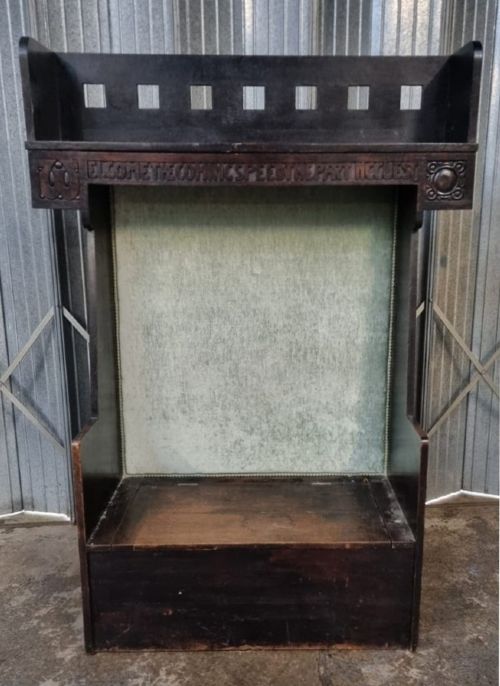
The selection on this page ranges from tall box settles with integrated storage to slim hallway benches and painted vernacular examples. Pieces date from the eighteenth and nineteenth centuries, encompassing styles such as Georgian country, Welsh vernacular, and Arts and Crafts.
Buyers encounter regional variations including West Country bacon settles and Irish hall benches alongside rustic painted designs. This variety demonstrates how a practical household necessity evolved into a decorative staple of English country house interiors.
Materials and construction
Local timbers such as oak, elm, and pine provide the structural integrity for these benches, shaped by regional joiners using traditional pegged and panelled methods. Dense hardwoods like oak support structural longevity, while softer pine accommodates painted finishes.
Storage elements integrate seamlessly into box settles, where hinged seats lift to reveal deep compartments originally used for blankets or provisions. Secondary materials such as brass, iron, and calico appear in hardware and occasional upholstered additions.
Assessing quality and proportion
Quality rests upon timber selection and the integrity of the original construction, distinguishing robust rural craftsmanship from later alterations. Untouched surfaces and honest patination carry greater merit than overly restored or heavily sanded timber.
Proportion and architectural detail also define superior examples, particularly where high panelled backs or winged sides retain their balanced proportions. The integration of storage compartments and the condition of original painted surfaces further influence the character of each piece.
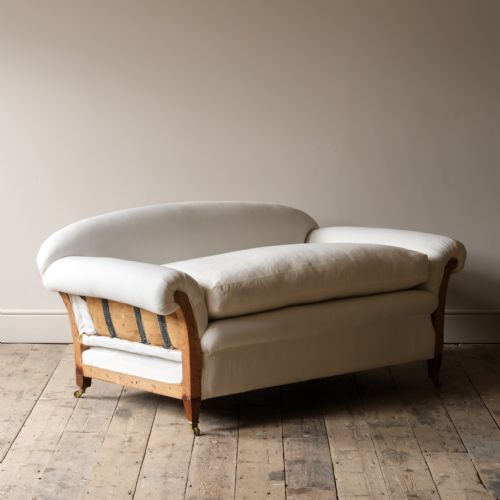
Shapland & Petter·Liberty·Howard & Sons
The Country House Settle Glossary
- Box settle
- A wooden bench featuring an enclosed compartment beneath the seat for storage. This form kept household items secure and out of the way.
- Vernacular
- Furniture made by local craftsmen using regional traditions rather than metropolitan styles. These pieces prioritise utility and local materials over high fashion.
- Bacon settle
- A specialised tall wooden seat associated with rural food storage. High backs often included integrated rails for curing meats.
- Wingback
- A seating design featuring projecting sides attached to the backrest. This construction deflected cold air away from the person sitting near the hearth.
- Patina
- The surface sheen and colour developed by wood through age and use. This quality distinguishes period timber from modern reproductions.
Country House Settle: Frequently Asked Questions
Where did settles sit in a house?
Settles traditionally stood in the kitchens or grand halls of rural dwellings, positioned near the hearth where high wooden backs deflected cold draughts away from the occupants.
In modern rooms, they serve a similar purpose in hallways or spacious dining areas, providing substantial seating with practical storage beneath the seat.
How do I care for old pine and oak?
Historic timber benefits from stable indoor humidity and protection from direct sunlight, which prevents the wood from drying out or splitting over time.
Applying a light coat of natural beeswax helps nourish the surface and maintain the aged sheen without sealing the pores of the timber.
Can I use a settle for storage?
Many period examples take the form of box settles, featuring hinged seats that lift to reveal deep internal compartments.
These spaces work well for storing blankets, cushions, or household items while keeping the main room tidy.
How do I date a wooden settle?
Dating relies on construction methods, timber choice, and stylistic details such as panel thickness, peg construction, and wear patterns on the seat.
Earlier eighteenth-century pieces often display pegged oak frames and hand-planed surfaces, whereas nineteenth-century variants may utilise pine or machine-sawn elements.