

Edwardian Inlaid Seat
When you choose an edwardian inlaid seat, you bring home a refined piece of early twentieth-century craftsmanship designed for comfort and elegance.
Edwardian Inlaid Seat
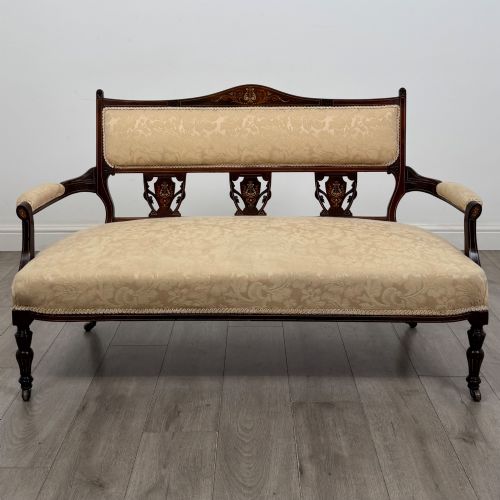
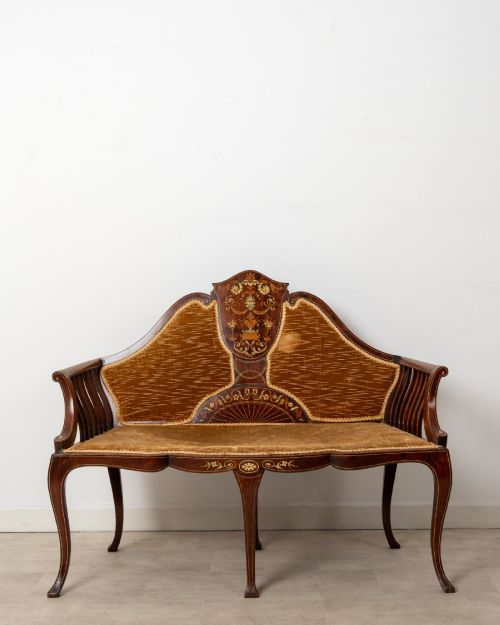
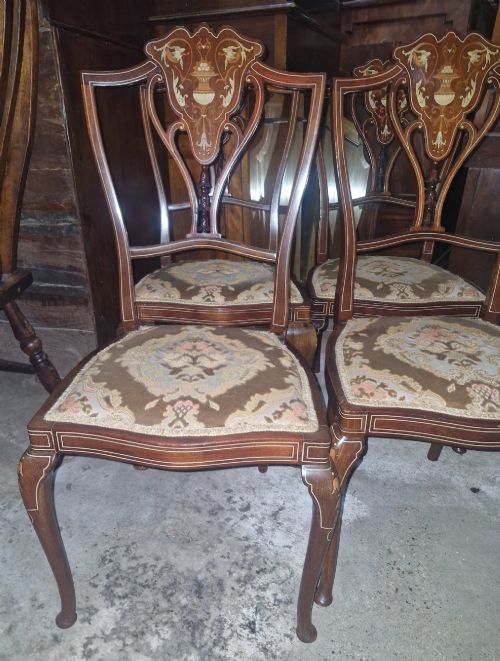
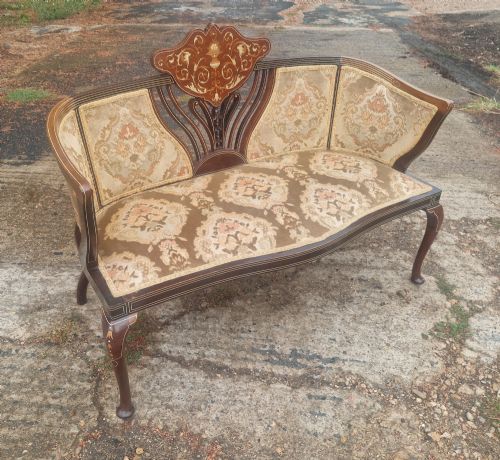
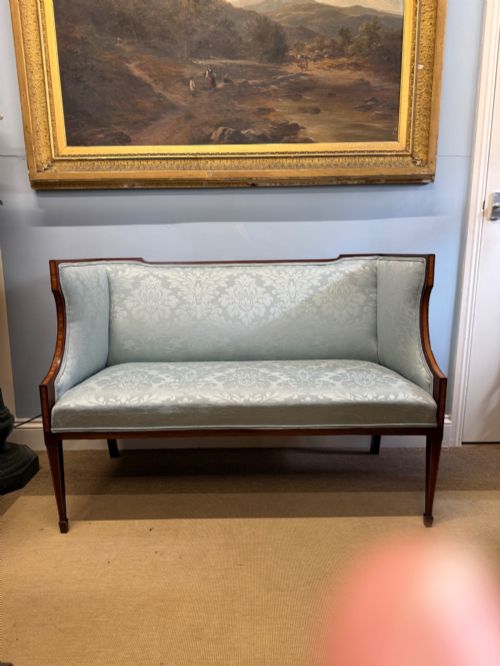
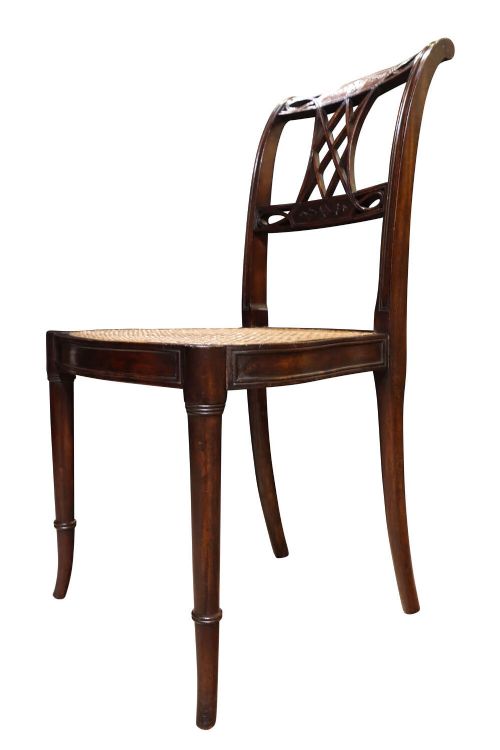
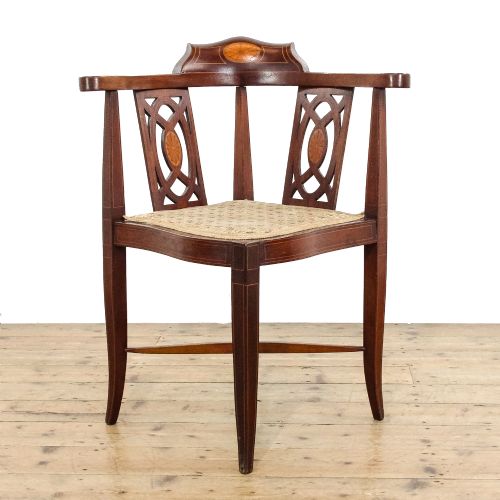
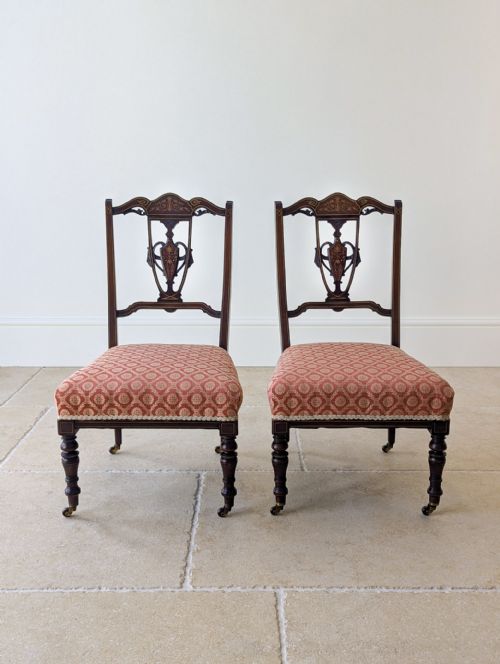
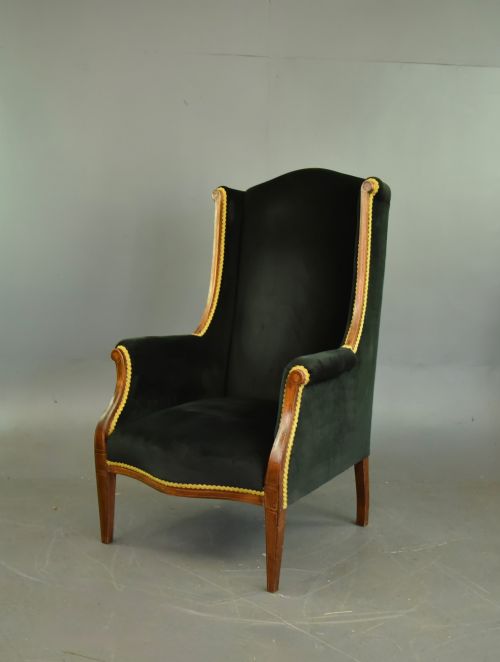
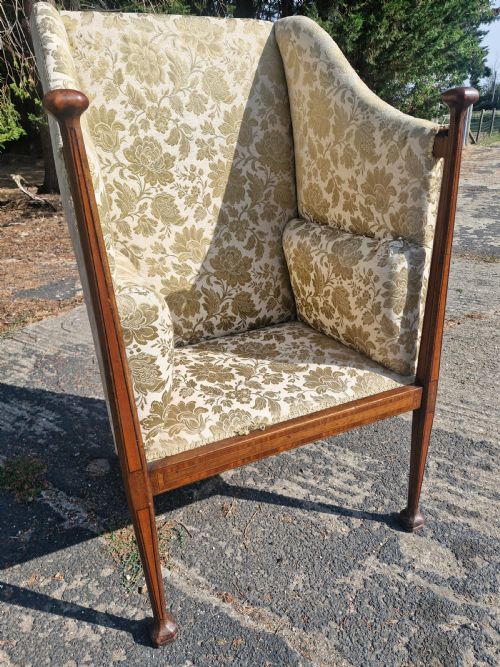
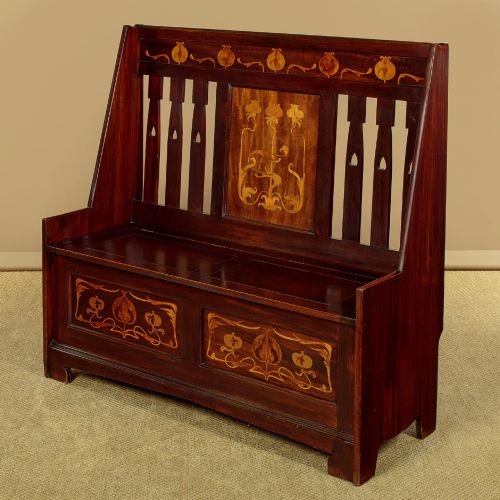
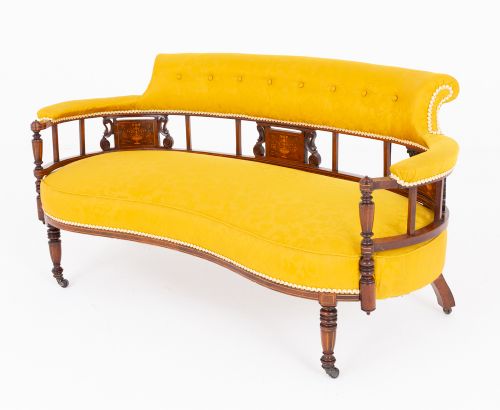
An edwardian inlaid seat encompasses a wide variety of furniture forms, most commonly featuring compact two-seater settees, window seats, and bedroom chairs designed for domestic refinement. These pieces frequently appear in mahogany, satinwood, and rosewood, reflecting the lighter, more graceful aesthetic that succeeded heavier Victorian designs.
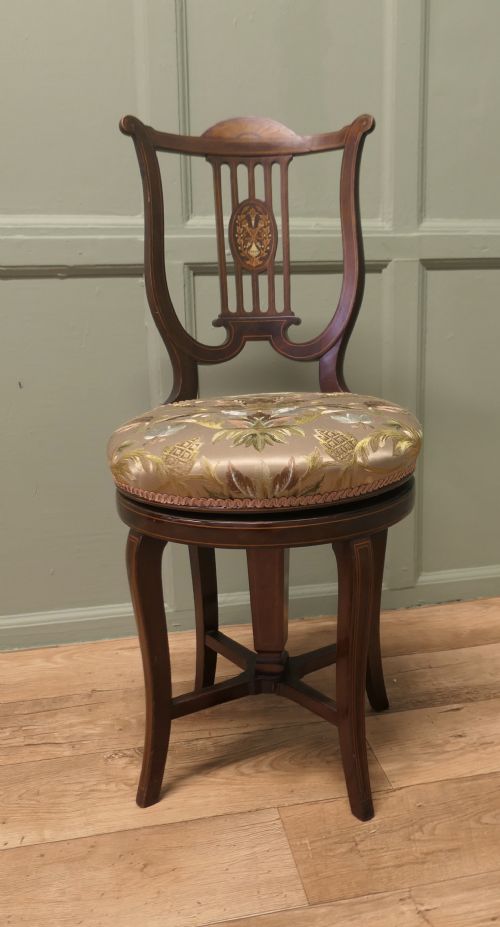
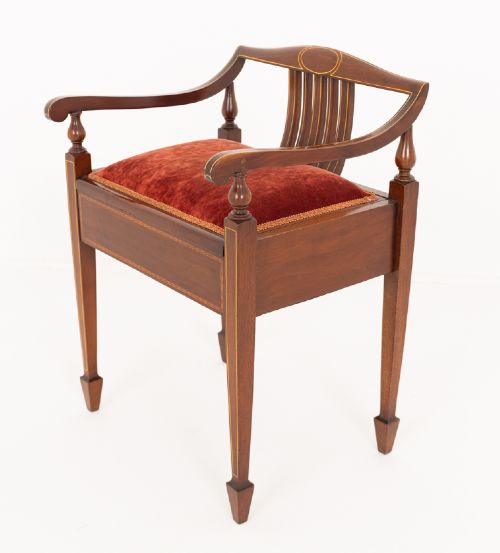
The surviving inventory demonstrates a strong preference for parlour and salon seating, including piano stools, corner armchairs, and end-of-bed benches. Buyers will frequently encounter mahogany frames accented with delicate boxwood and satinwood stringing, alongside occasional marquetry detailing.
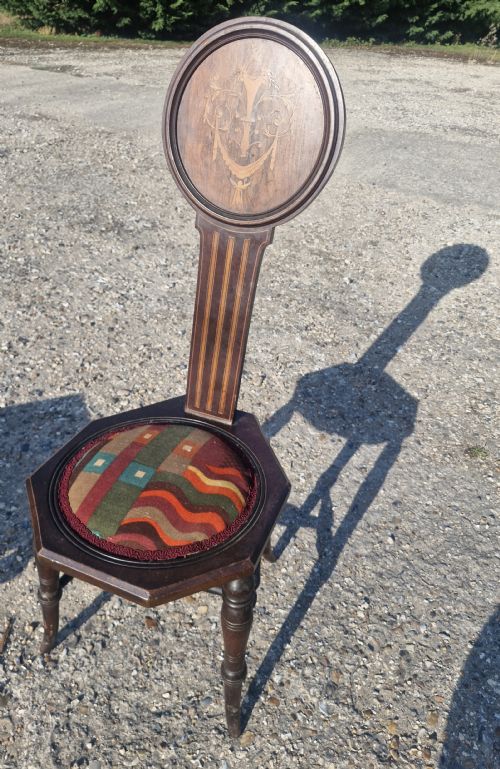
While Edwardian examples dominate the selection, the category extends to include late Victorian interpretations and later revival pieces from the early twentieth century. These diverse forms share a common emphasis on decorative inlay and comfortable upholstered pads or cane panels.
Materials and Construction Techniques
Makers relied primarily on solid mahogany, rosewood, and walnut for the primary framework, shaping slender legs and supportive backs. Satinwood and boxwood were routinely employed to create contrasting linear stringing and intricate geometric or floral inlay patterns.
Upholstery techniques varied from traditional stuffed fabric and tapestry pads to cane webbing and leather panels. Specialised forms, such as music and piano stools, often incorporated concealed internal storage boxes and mechanical height adjustments.
Edwardian Inlaid Seat Retail Price Guide 2026
Typical asking prices for edwardian inlaid seat among the pieces listed under this phrase on Sellingantiques today, from the lower quarter to the upper quarter. They describe what is for sale here now, not the wider market.
Listings feature extensive examples of Edwardian and Victorian seating, predominantly constructed from mahogany with satinwood and boxwood inlay.
Distinctions in Quality and Execution
The distinction between standard commercial seating and exceptional examples lies in the crispness of the cabinetwork and the complexity of the inlay. Pieces featuring finely executed satinwood, bone, or marquetry detailing combined with robust hardwood frames represent the upper tier of production.
Structural integrity also separates the finer pieces, particularly in forms subject to regular movement like piano stools and revolving music chairs. Superior examples retain original mechanical components and tightly fitted joinery without excessive restoration.
James Shoolbred And Co
The Edwardian Inlaid Seat Glossary
- Stringing
- A narrow strip of contrasting wood inlaid into the surface of furniture to create a delicate border or linear pattern. This technique was widely utilised on Edwardian mahogany frames.
- Marquetry
- Decorative patterns formed by fitting together thin veneers of various woods, ivory, or bone onto a structural ground. It allowed cabinetmakers to produce complex pictorial designs on tabletops and chair backs.
- Window seat
- A long, narrow bench designed specifically to fit within the architectural recess of a bay window. These pieces often feature upholstered seats and low backs.
- Settee
- A medium-sized upholstered bench with a back and arms, built to seat two or more people. Edwardian versions frequently appeared in satinwood and rosewood.
- Cane seat
- A woven mesh seating surface constructed from split rattan. It provided a lightweight and breathable alternative to traditional upholstered pads.
Edwardian Inlaid Seat: Frequently Asked Questions
What is an Edwardian window seat?
An Edwardian window seat is a narrow, elongated bench built to fit into the alcove of a bay window. These pieces combine decorative inlaid frames with upholstered or cane seating surfaces.
They served as functional furniture for relaxation and light reading in domestic sitting rooms and bedrooms.
How do you identify a piano stool?
Piano stools are compact seating forms designed for keyboard players, often featuring square upholstered pads. Many Edwardian variants include hinged lids or internal storage compartments for sheet music.
Some examples also incorporate mechanical rise and fall mechanisms to adjust the height of the seat.
What woods were used for inlay?
Cabinetmakers primarily used satinwood and boxwood to create contrasting inlays against darker mahogany or rosewood backgrounds. These lighter timbers allowed craftsmen to render crisp geometric lines and floral motifs.
Selected pieces also incorporated bone or mother-of-pearl to add further visual distinction.
Are these seats suitable for daily use?
Most pieces are structurally sound for normal sitting, provided the joinery has been properly maintained over the decades. Lighter salon chairs and antique stools benefit from sensible placement away from direct heat and moisture.
Upholstery can be updated to suit modern interiors while preserving the original wooden framework.