




James Shoolbred Furniture
James shoolbred furniture brings together the refined joinery and distinctive aesthetic of a famous London maker.
James Shoolbred Furniture
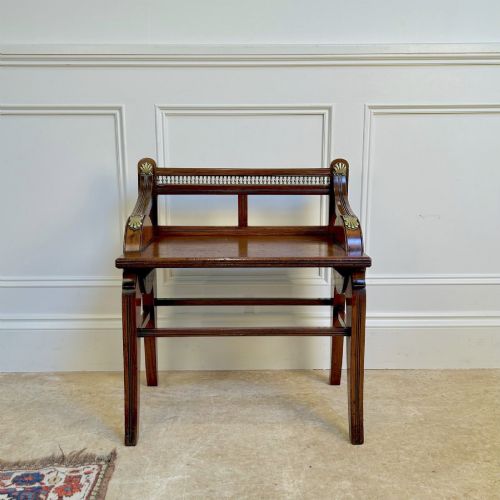
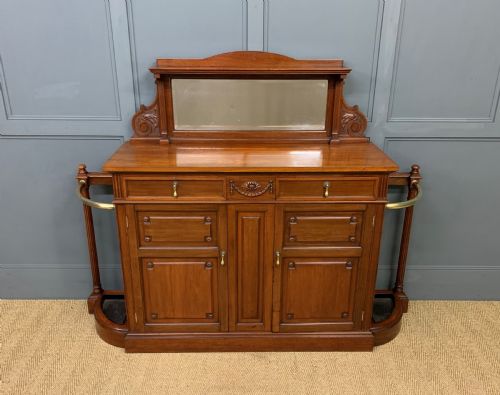
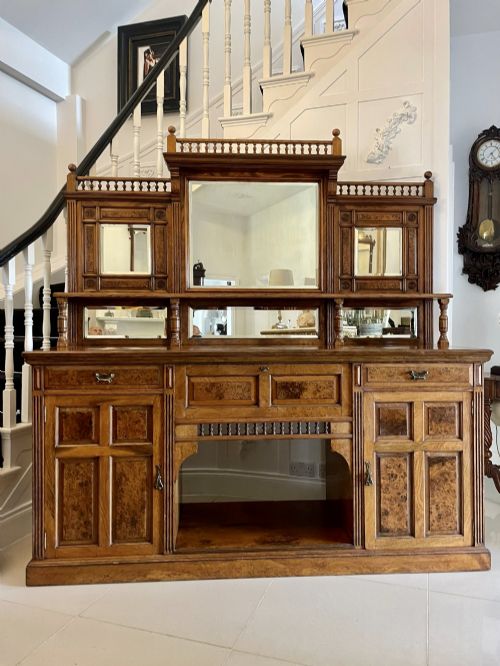
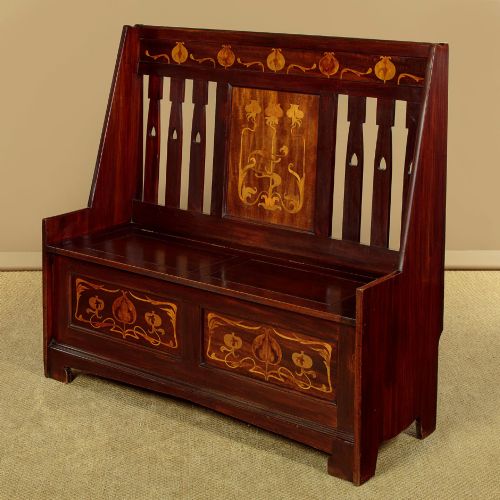
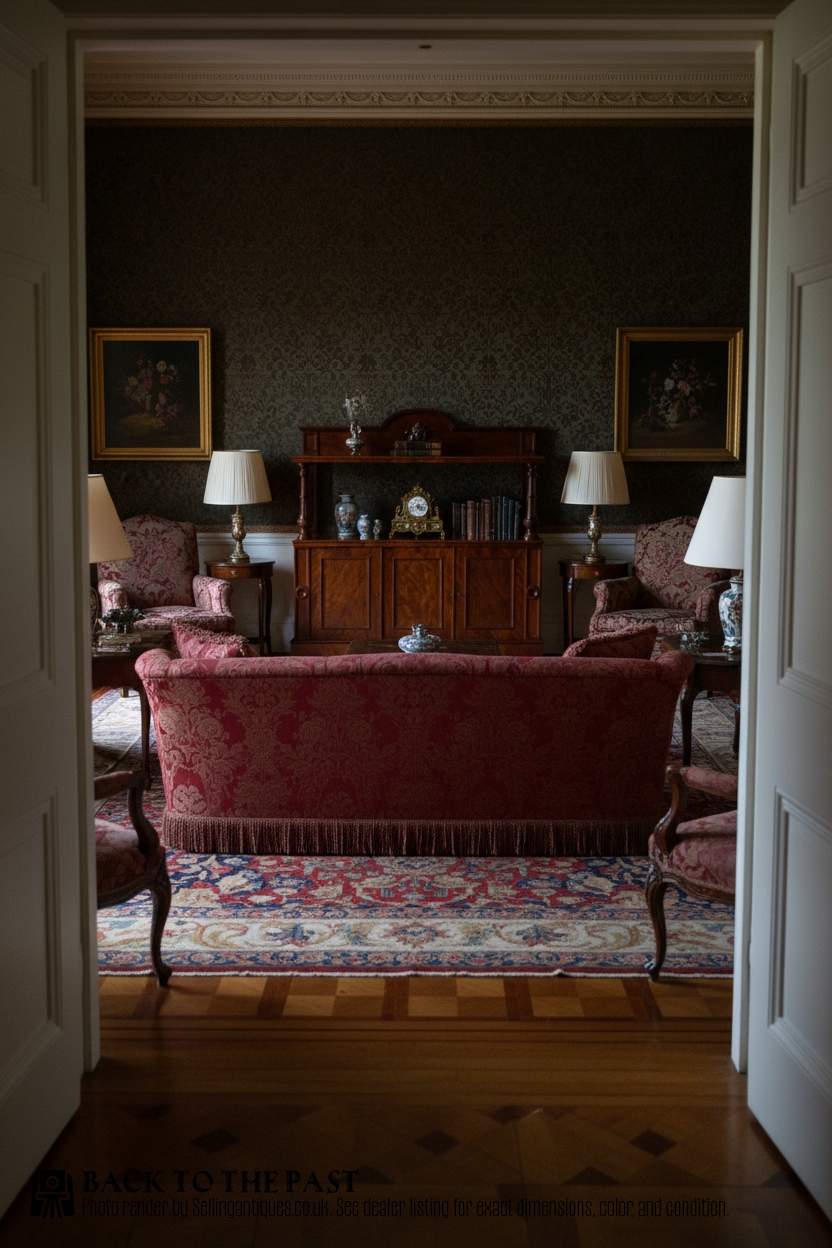
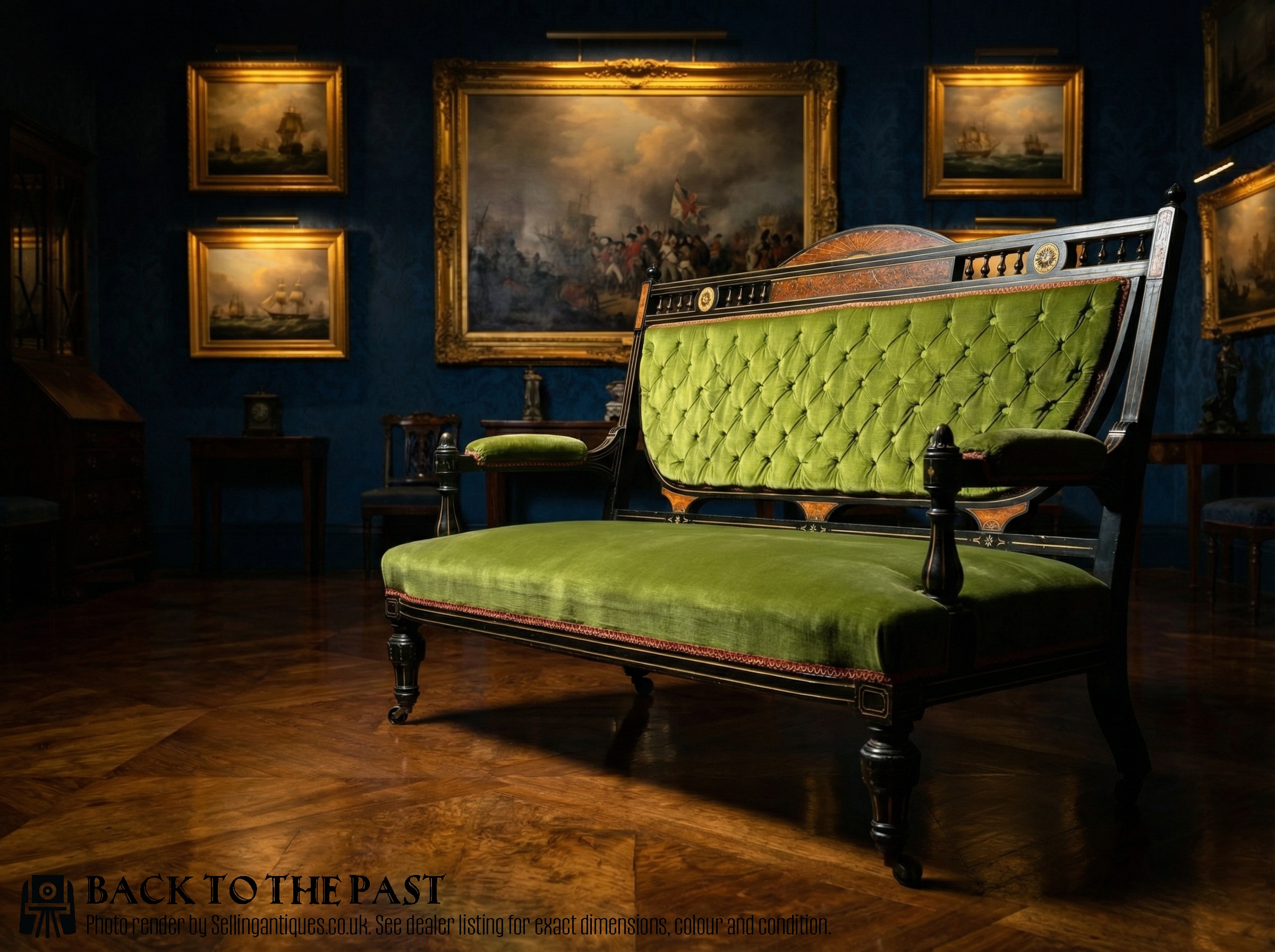
James shoolbred furniture encompasses pieces produced by the prominent London firm, spanning the Victorian and Edwardian periods. Buyers searching for james shoolbred furniture encounter practical domestic forms such as sideboards, desks, writing tables, and seating. These items reflect the changing domestic tastes of the nineteenth and early twentieth centuries, moving from heavy revival styles toward lighter Arts and Crafts and Aesthetic Movement designs.
The selection here concentrates on firm attribution, often verified through stamped drawer linings or maker labels. Pieces range from walnut hall cupboards and mahogany dining chairs to oak settles and rosewood salon suites. The nineteenth-century examples sit alongside Edwardian output, showing how the Tottenham Court Road warehouse adapted its repertoire over decades of production.
Materials and Construction
Makers utilised timber suited to the intended function, relying heavily on mahogany, oak, and walnut. Pollard oak, burr walnut, and satin birch appear where decorative grain patterns enhance the surface of sideboards and small tables. Brass mountings, leather inserts, velvet upholstery, and glass elements complete the construction of functional items like desks and hall stands.
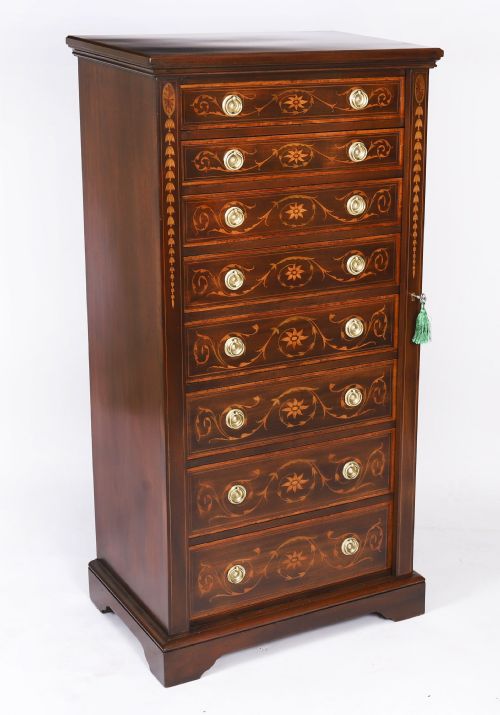
Joinery methods reflect high workshop standards, ensuring stability in heavily used forms like office chairs, writing desks, and dining seats. Marquetry inlay, ebonising, and carved detailing demonstrate the varied techniques employed by cabinet makers in the London workshops. Metal components such as iron frames and brass fittings provide structural support in beds and umbrella stands.
James Shoolbred Furniture Retail Price Guide 2026
Typical asking prices for james shoolbred furniture among the pieces listed under this phrase on Sellingantiques today, from the lower quarter to the upper quarter. They describe what is for sale here now, not the wider market.
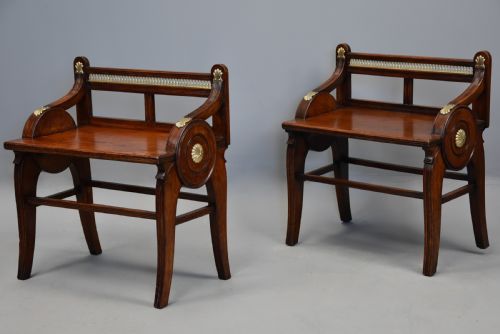
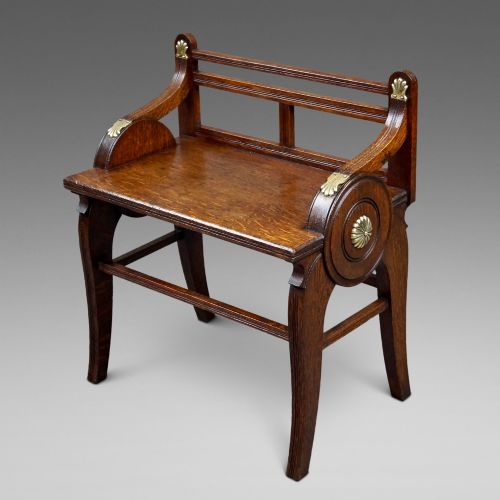
Cock-fighting stools appear among the seating, offering a compact perch for eager spectators.
Judging Quality
Quality in these pieces rests upon the selection of timber and the precision of the cabinet work. Superior examples display carefully matched grain veneers and crisp carving that remains sharp through generations of use. Inferior or later adapted pieces show less disciplined joinery or timber selections that lack the depth found in standard workshop output.
The presence of maker stamps on drawers or framing provides a clear indicator of workshop origin. Design ambition also separates standard production from exceptional pieces, particularly in items incorporating marquetry, complex turning, or specialised hardware. The integrity of original surfaces determines how successfully a piece retains its historical character.
James Shoolbred & Co.
The James Shoolbred Furniture Glossary
- Aesthetic Movement
- A late nineteenth-century design style emphasising visual beauty over narrative content. It often incorporated ebonised finishes and oriental influences.
- Arts and Crafts
- A movement prioritising traditional craftsmanship, visible construction, and simple forms. It rejected mass-produced ornamentation in favour of honest materials.
- Wellington Chest
- A tall set of drawers secured by a locking side flap hinged to the vertical stile. This form offered compact security for papers and valuables.
- Lowboy
- A small side table with drawers, typically raised on tall legs. It served various domestic functions including dressing or writing.
- Canterbury
- A low, compartmentalised stand designed to hold sheet music, periodicals, or books. It usually featured slatted divisions and low castors.
James Shoolbred Furniture: Frequently Asked Questions
How do I identify James Shoolbred pieces?
Look for maker marks stamped directly into drawer sides, wooden framing, or paper labels attached to the interior structure. Tottenham Court Road addresses often appear alongside the firm name.
Design characteristics also offer clues, as the workshops produced distinctive variations of Victorian and Edwardian furniture styles.
What periods do these items cover?
The inventory spans the Victorian and Edwardian eras, encompassing mid-nineteenth-century items through to works produced around nineteen-ten.
Stylistic shifts trace the transition from heavy revival forms into lighter Arts and Crafts and Aesthetic Movement designs.
Were these pieces made for homes?
The firm supplied comprehensive furnishings for middle and upper-class domestic interiors, ranging from grand salon suites to functional hall stands and shaving units.
Office chairs and library desks indicate that commercial spaces were also outfitted by the Tottenham Court Road warehouse.
How should I care for timber surfaces?
Maintain finished wood surfaces by avoiding direct sunlight and excessive temperature fluctuations that dry out old timber. Gentle dusting with a dry cloth preserves the polish without introducing harmful moisture.
Periodic application of appropriate wax protects the grain on mahogany, walnut, and oak pieces.