


Georgian Style Chair
A georgian style chair brings the refined proportion and robust timber of the eighteenth century into modern rooms with timeless grace.
Forms and Origins
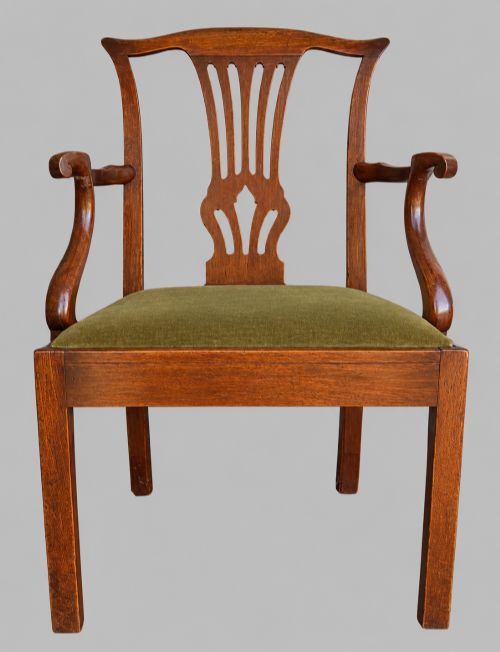
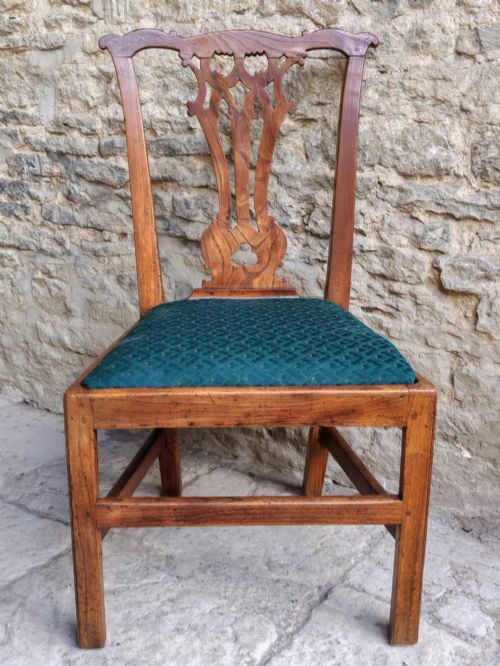
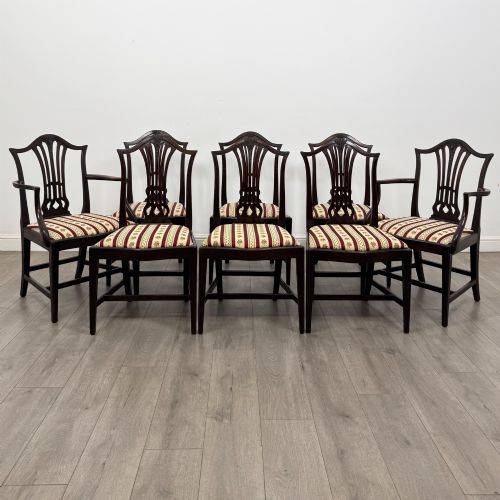
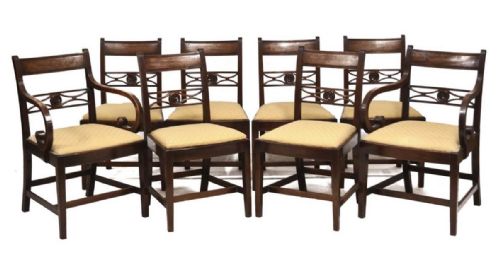
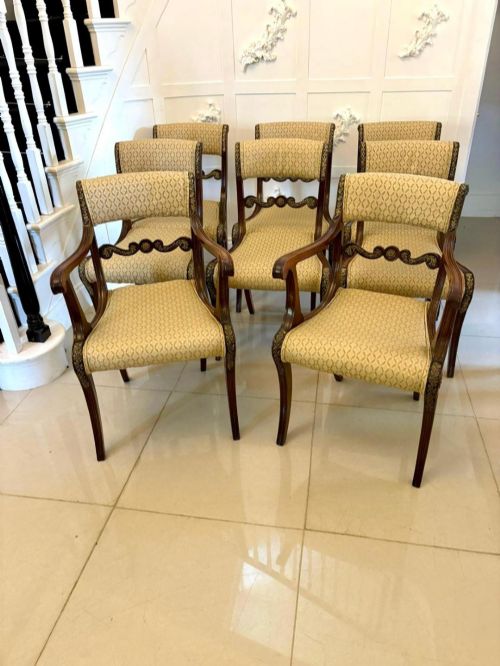
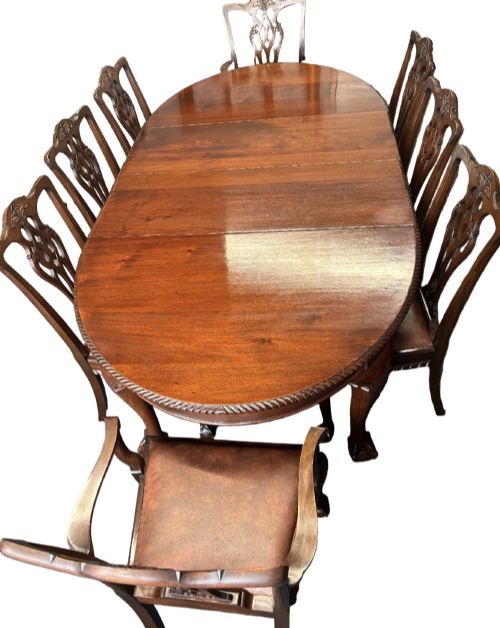
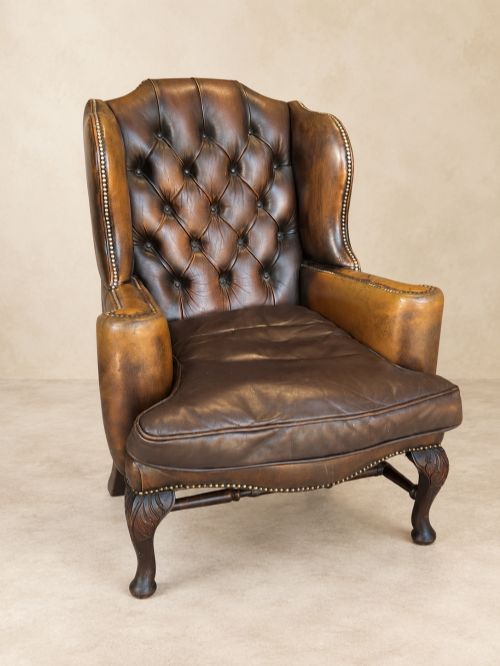
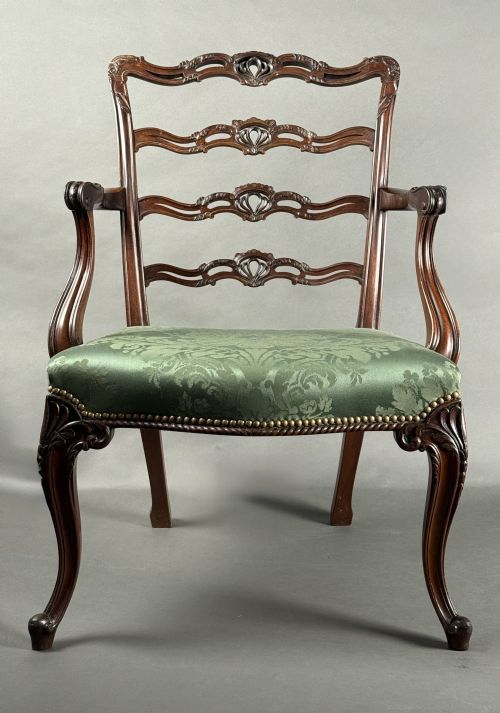
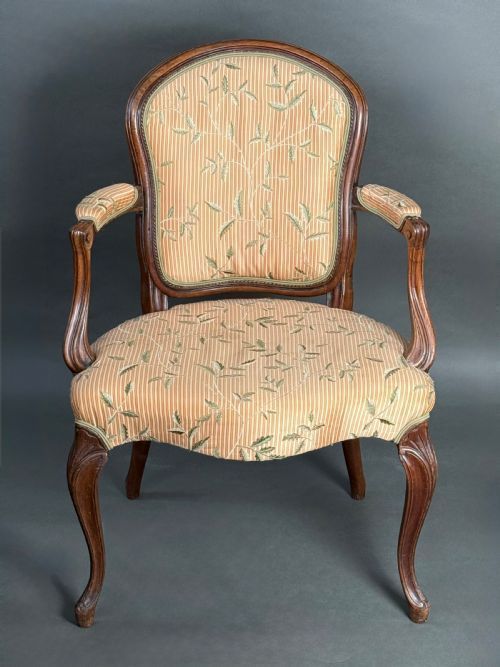
A georgian style chair encompasses a rich variety of seating forms, ranging from sturdy dining chairs and carver armchairs to expansive library and wingback armchairs. These pieces emerge across the nineteenth and early twentieth centuries as cabinetmakers revive earlier proportions and decorative vocabulary.
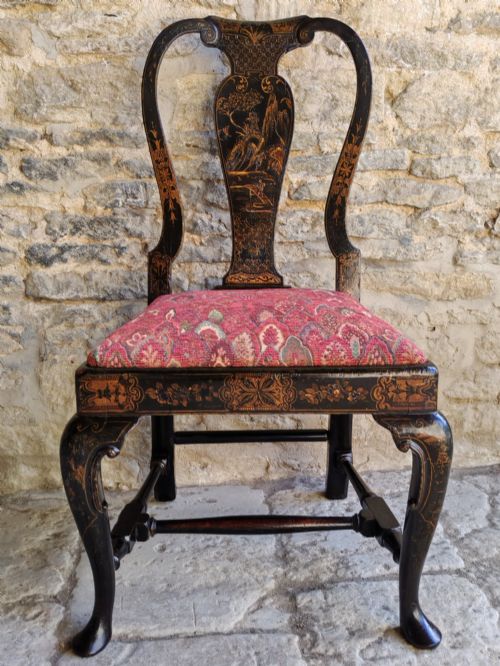
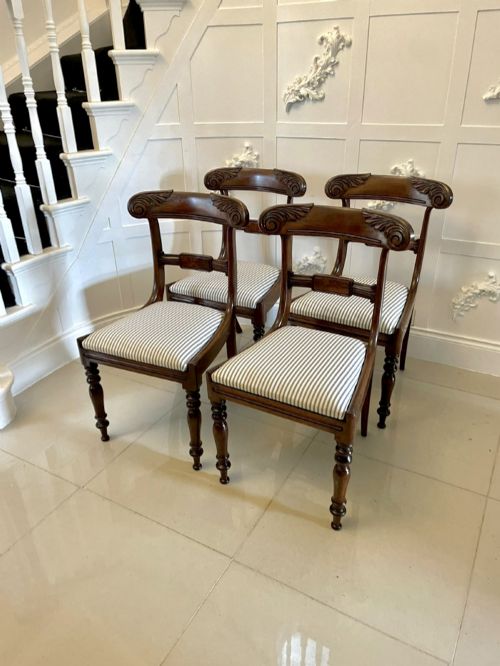
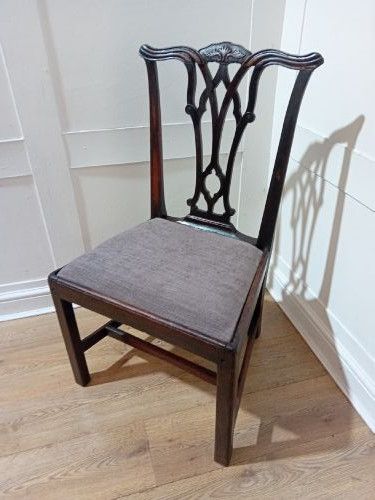
The most frequent encounters on this page include mahogany dining chairs and carved walnut armchairs drawing on Chippendale, Queen Anne, and Hepplewhite idioms. Makers of the revival periods meticulously reinterpreted these classic silhouettes for later domestic interiors.
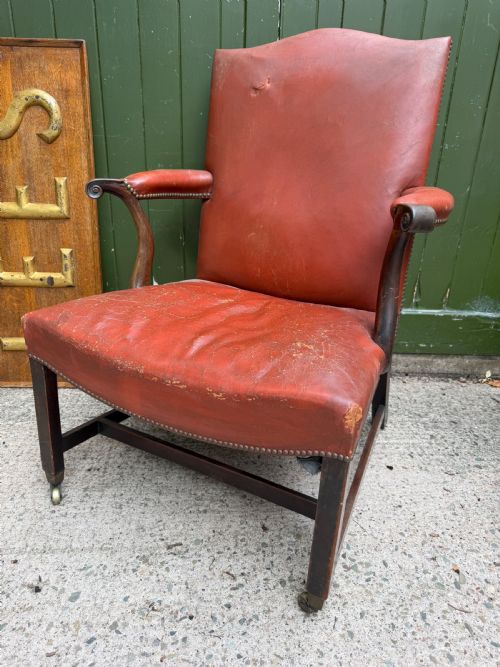
Makers also produced barrel-backed and leather-upholstered library armchairs alongside lighter dining carvers with vase splats and cabriole legs. Each piece reflects a deliberate nod to historical forms executed in solid cabinet timbers.
Materials and Technique
Cabinetmakers relied heavily on dense hardwoods such as mahogany, walnut, oak, and elm to build the structural frames of these chairs. These timbers offered the structural integrity needed for slender legs, carved splats, and robust arm supports.
Joinery techniques included traditional mortise and tenon joints alongside intricate hand-carving for motifs like ball and claw feet, foliage, and ribbon splats. Upholstery methods utilised heavy textile coverings including damask, wool, tapestry, horsehair fabric, and leather, often secured with brass tacking.
Retail Price Guide 2026
Typical UK retail prices for georgian style chair, calculated from the Sellingantiques database of over a million retail prices indexed since 2003. This retail price guide relies exclusively on Sellingantiques data; no external sources or auction records are used, so the figures do not describe the wider market.
Several armchairs boast leather upholstery specifically chosen for long evenings of library reading.
Judging Quality
The upper tier of these chairs is distinguished by the crispness of hand-carved detail and the deep, rich figuring of the primary timber. Lesser examples display softer, shallower carving and simpler timber selections without the same depth of grain.
Proportion and structural honesty also separate the fine from the ordinary. Superior pieces retain balanced lines and tight, original joinery, whereas inferior items often suffer from clumsy proportions or heavy later modifications.
Jas Shoolbred·Waring and Gillow
The Georgian Style Chair Glossary
- Carver chair
- An armchair designed primarily for the head of a dining table, featuring supportive open arms attached to the seat frame.
- Vase splat
- A central vertical wooden element in the backrest shaped like a vase, frequently seen in Chippendale and Queen Anne designs.
- Cabriole leg
- A furniture leg that curves outward in a convex arc at the knee and tapers inward in a concave arc toward the foot.
- Wingback armchair
- An upholstered seat featuring protective side panels designed to shield the occupant from draughts near a fireplace.
- Damask fabric
- A reversible, figured textile woven on a jacquard loom, traditionally utilised for formal upholstery and drapery.
Frequently Asked Questions
How do I identify a georgian style chair?
Look closely at the timber, structural joinery, and decorative vocabulary such as cabriole legs or pierced splats. These design cues indicate whether a piece follows eighteenth-century conventions or nineteenth and twentieth-century revival interpretations.
Compare the carving depth and wood grain against known period examples to understand the age and origin of the framework.
Are these chairs comfortable for daily use?
Many of these chairs, particularly the upholstered wingbacks and leather library seats, were built with deep cushioning and supportive backs designed for long periods of sitting.
Dining chairs offer a firmer, upright posture suited for table use, while armchairs provide greater relaxation through padded arms and supportive upholstery.
How should I care for leather upholstery?
Maintain leather surfaces by cleaning away dust regularly with a soft, dry cloth and applying appropriate leather balms to prevent drying out. Avoid placing the leather directly next to heat sources or in strong sunlight.
Gentle conditioning preserves the supple texture and rich patina built up over decades of use.
Can I mix different revival styles together?
Combining different revival styles like Chippendale and Queen Anne works well if the underlying timber tones and scale remain relatively consistent. The shared craftsmanship unites varied silhouettes around a common aesthetic.
Group chairs with similar wood finishes or complementary upholstery textures to create a cohesive dining or living space.