
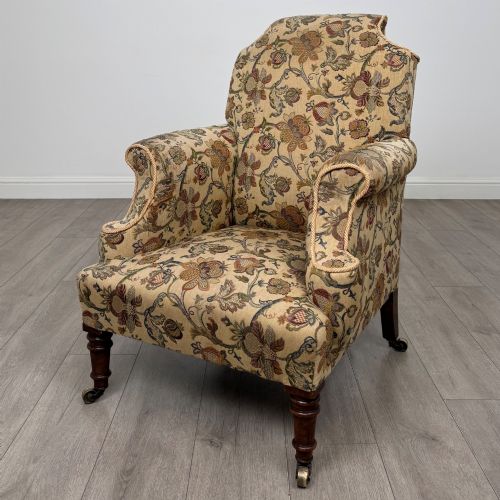
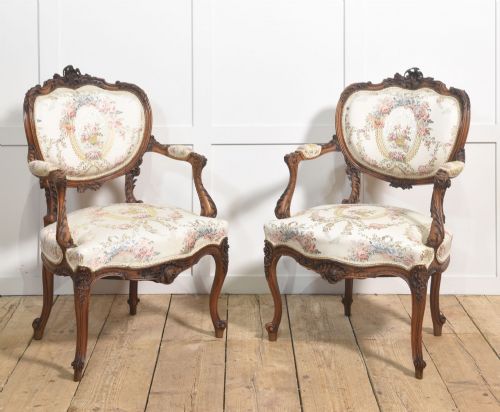
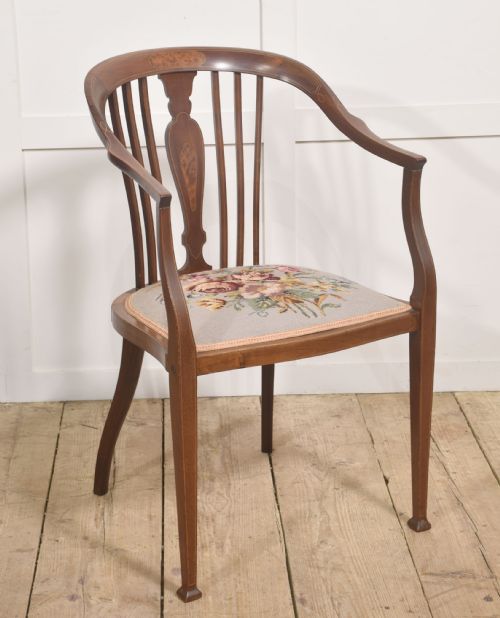
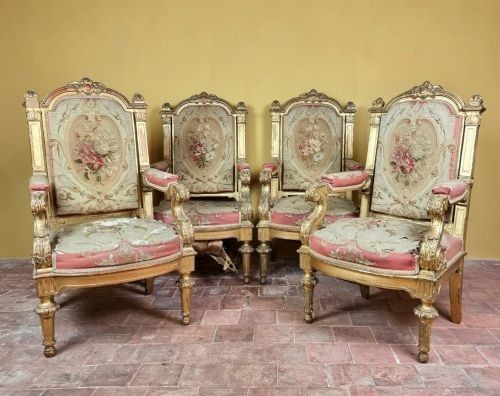
Floral Tapestry Armchair
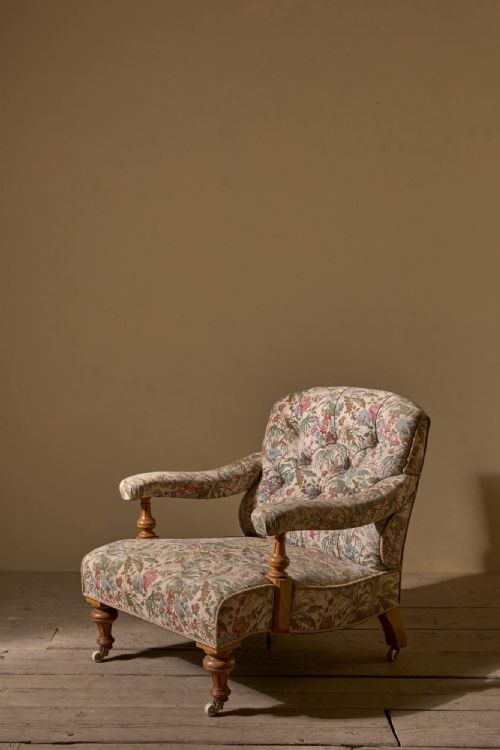
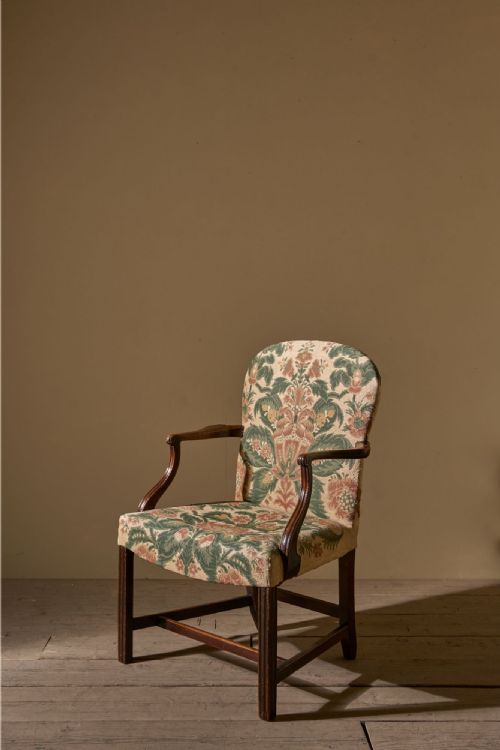
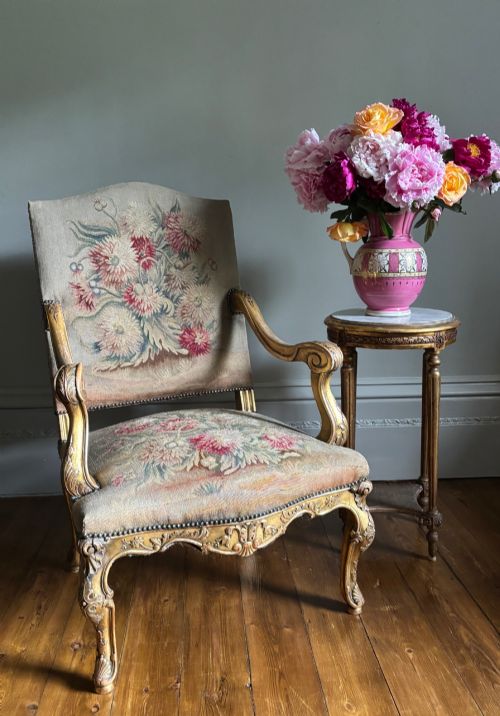
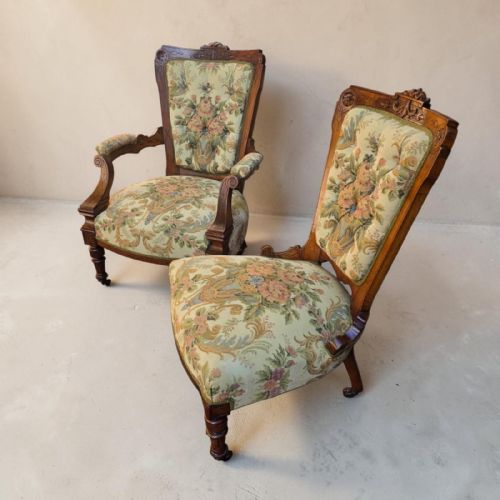
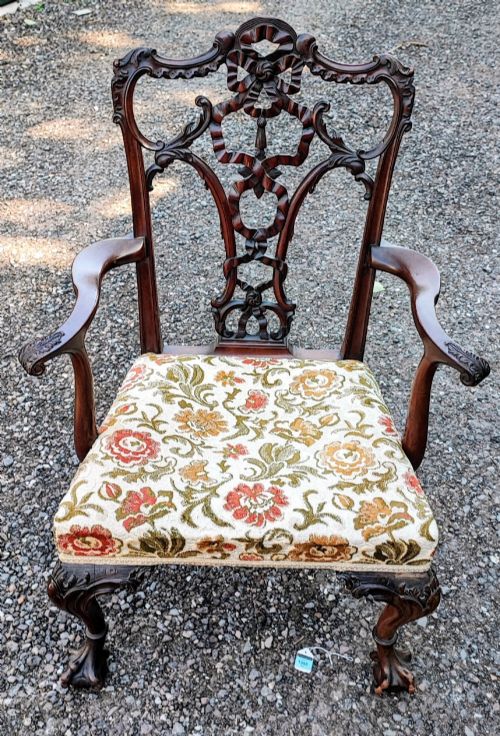
A floral tapestry armchair brings the rich texture of woven wool and botanical pattern into a sitting room, combining sturdy timber frames with decorative needlework.
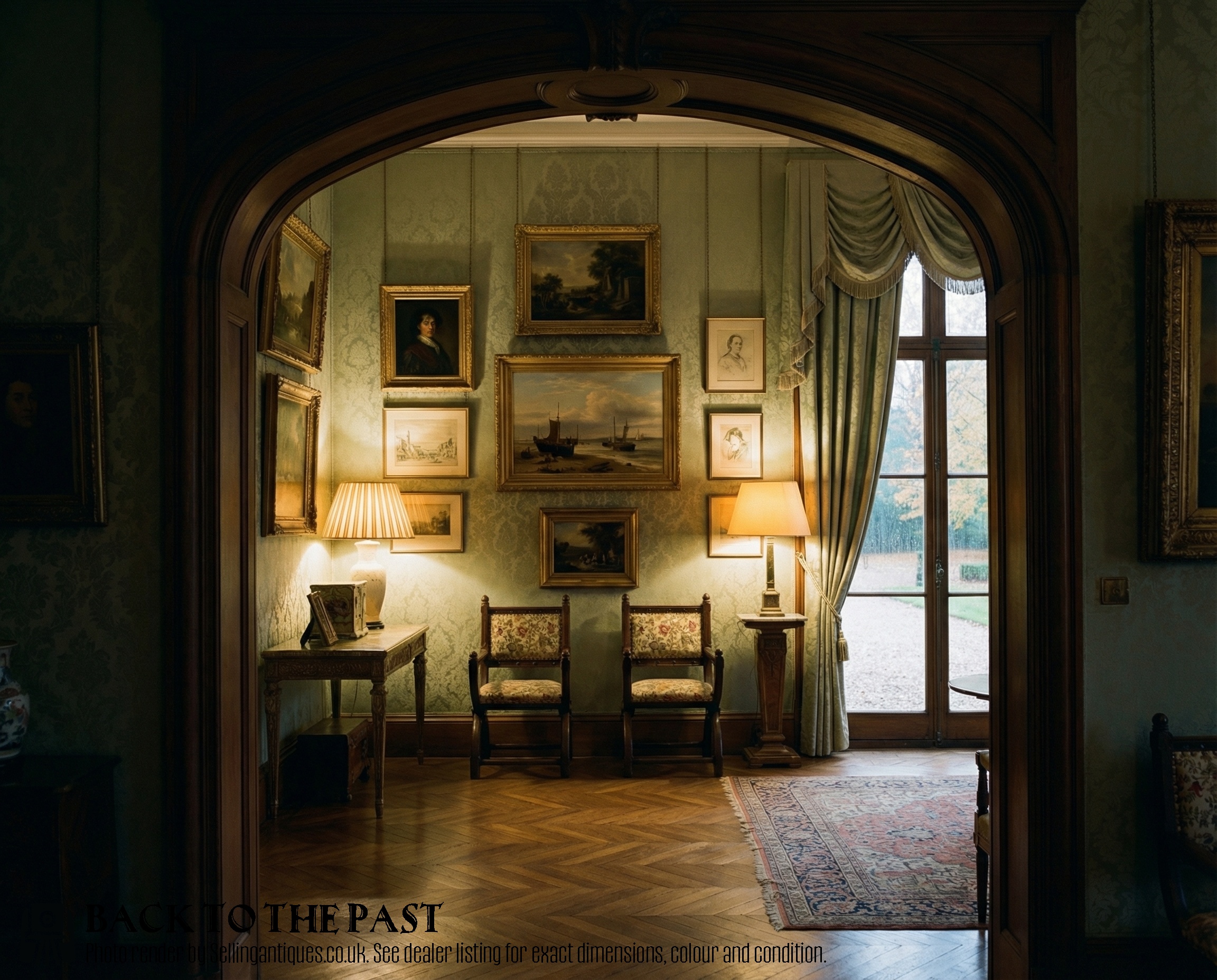
Floral Tapestry Armchair
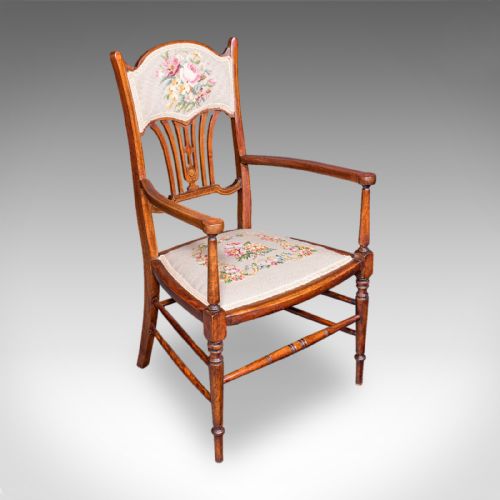
When you search for a floral tapestry armchair, you are looking at substantial seating built to support the body while displaying intricate woven or needlepoint designs. The examples found here span from the robust proportions of the Victorian era and the lighter lines of Edwardian pieces back to earlier Georgian and 18th-century forms.
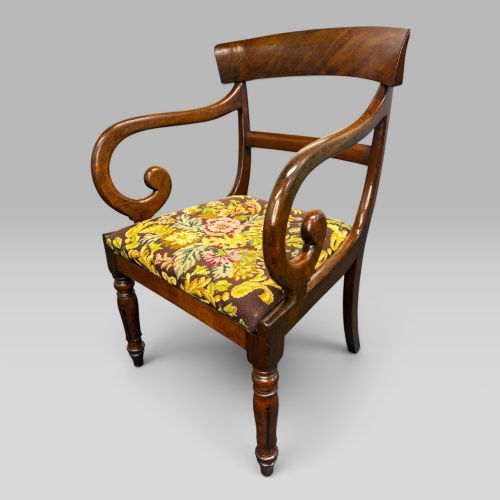
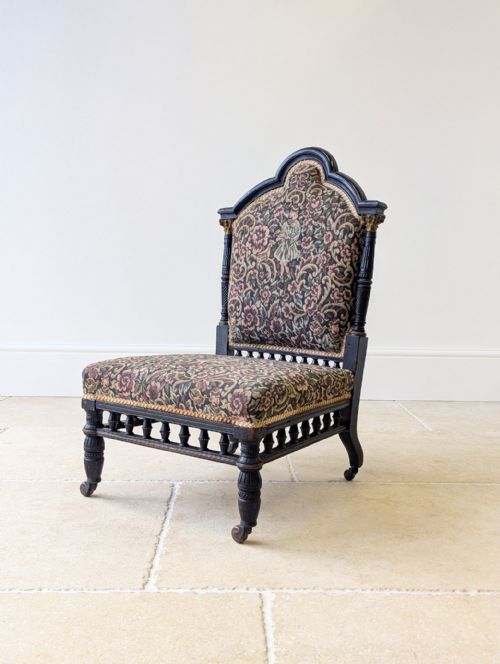
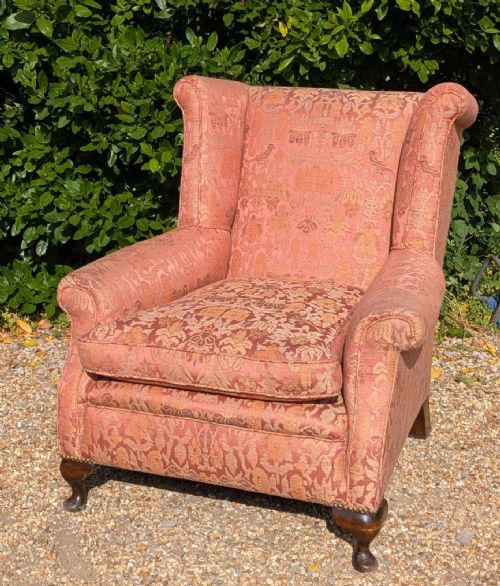
Most pieces meeting this description rely on traditional frameworks shaped from timber such as mahogany, walnut, oak, and beech. These frames take various seating forms, including low salon chairs, winged designs, and open armchairs suited to studies and drawing rooms.
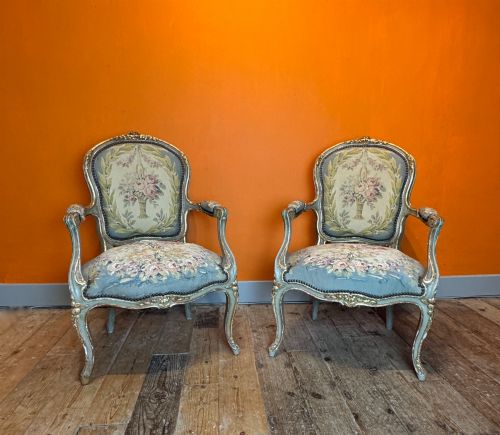
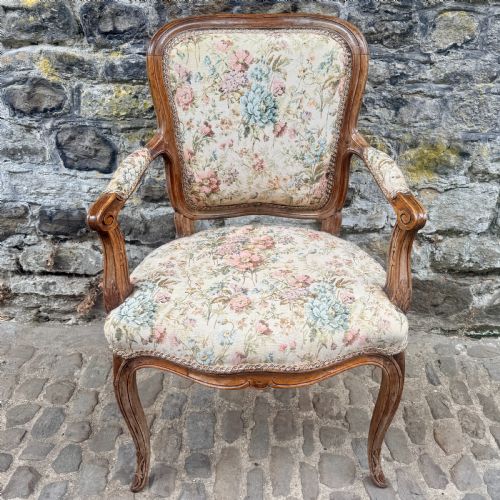
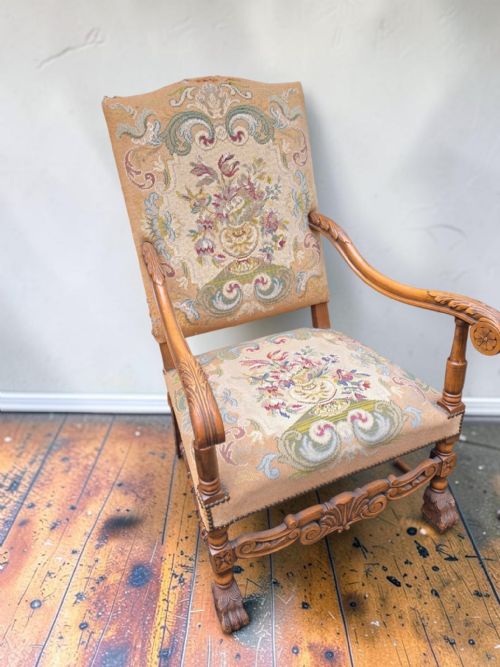
Origin plays a strong role in the character of these chairs, with English country house models appearing alongside French provincial and painted gilt pieces. Each style brings a distinct regional interpretation to the combination of exposed wood and floral textile coverings.
How they were made
The construction of a floral tapestry armchair depends upon solid timber joinery, utilising woods like mahogany, walnut, and oak to build frames that hold tension over decades. Carved details, parcel gilding, and turned elements are shaped directly into the structural wood rather than applied as separate ornamentation.
Upholstery techniques combine traditional stuffing methods with hand-worked tapestry fabric, needlepoint panels, or needlework covers secured directly to the frame. Brass tacks often edge the textile panels, fastening the heavy woven materials firmly to the wooden structure beneath.
Floral Tapestry Armchair Retail Price Guide 2026
Typical asking prices for floral tapestry armchair among the pieces listed under this phrase on Sellingantiques today, from the lower quarter to the upper quarter. They describe what is for sale here now, not the wider market.
Periods represented span from the 18th century and Georgian era through Victorian times up to the 1930s.
What varies in quality
The distinction between standard examples and finer pieces lies in the precision of the timber framing and the density of the textile work. Hand-carving on the mahogany or walnut shows crispness in the floral motifs and mouldings, whereas lesser items rely on simpler turned or machine-shaped members.
Tapestry quality separates ordinary seating from exceptional ones, measured by the tightness of the weave and the complexity of the botanical colour shading. Original needlepoint panels executed with fine wool threads demonstrate a level of craftsmanship that elevates the entire chair.
The Floral Tapestry Armchair Glossary
- Tapestry
- A heavy textile woven on a loom with decorative pictorial or floral designs. It forms the primary upholstery surface on these armchairs.
- Needlepoint
- Embroidery stitched onto an open-weave canvas ground to create dense floral patterns. This technique appears on many French and English open armchairs.
- Elbow chair
- An armchair featuring open sides with elbow rests integrated into the frame. These pieces often sit in morning rooms or studies.
- Fauteuil
- An open-framed French armchair with upholstered armrests and exposed wood. The style originates from the 18th century and recurs in later revival pieces.
- Wingback
- An armchair with side panels or wings attached to the backrest designed to shield the user from drafts. This form frequently appears in heavy timber frames with deep upholstery.
Floral Tapestry Armchair: Frequently Asked Questions
What periods do these armchairs come from?
The listings include pieces spanning from the 18th century through the Georgian and Victorian eras up to the early 20th century. Each period contributes different carving styles and framing proportions.
Victorian and Edwardian examples sit alongside earlier walnut and mahogany models, reflecting changing domestic tastes across generations of furniture makers.
How do I care for tapestry upholstery?
Tapestry and needlepoint fabrics require gentle treatment to preserve the wool and cotton threads. Regular light vacuuming through a mesh attachment removes dust without pulling the weave.
Keep these chairs away from direct sunlight to prevent the botanical colours from fading over time. Professional textile cleaning is recommended for deeper maintenance.
Are these chairs comfortable for daily use?
Many of these armchairs are built with sprung seats and padded backs designed for relaxation in drawing rooms or studies. Some older or specific decorative models may offer a firmer sit than modern armchairs.
Check individual listings for details on fillings, such as feather-filled cushions, to understand the exact level of cushioning each piece provides.
Where were these armchairs originally used?
These chairs served multiple rooms in historic homes, from formal drawing rooms and salons to private morning rooms and country house libraries. Open armchairs and low salon chairs suited reception spaces where guests gathered.
Heavier wingback and armchair designs provided warmth and comfort near fireplaces in larger country residences.
How can I tell French styles from English ones?
French pieces often feature painted, gilded, or carved walnut frames with flowing rococo curves, as seen in Louis XV style chairs. Needlepoint panels and parcel gilt finishes frequently accompany these continental designs.
English armchairs typically emphasise darker structural timbers like mahogany and oak, favouring sturdy proportions and traditional joinery over ornate gilding.