

Vintage Easy Chair
A vintage easy chair offers deep comfort and solid construction, making it a practical and handsome addition to a sitting room.
Vintage Easy Chair
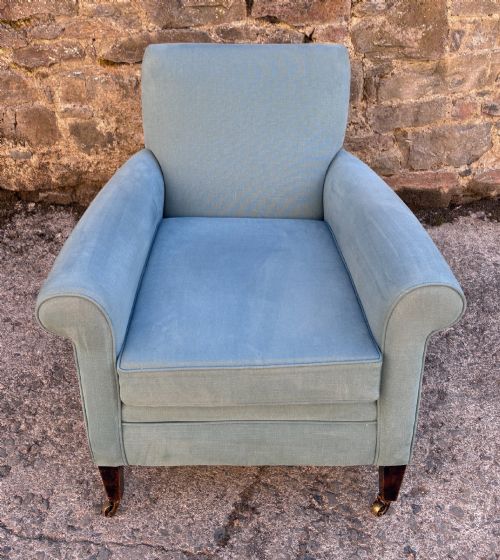
A vintage easy chair encompasses sturdy seating designed for relaxation, spanning armchairs, club chairs, and slipper chairs from various historical periods.
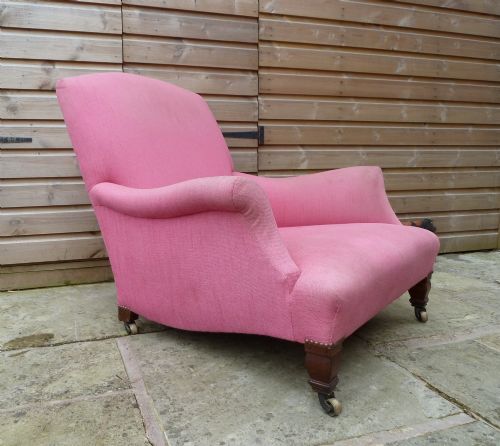
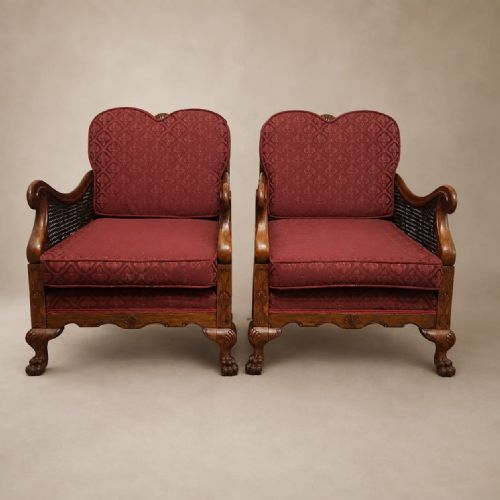
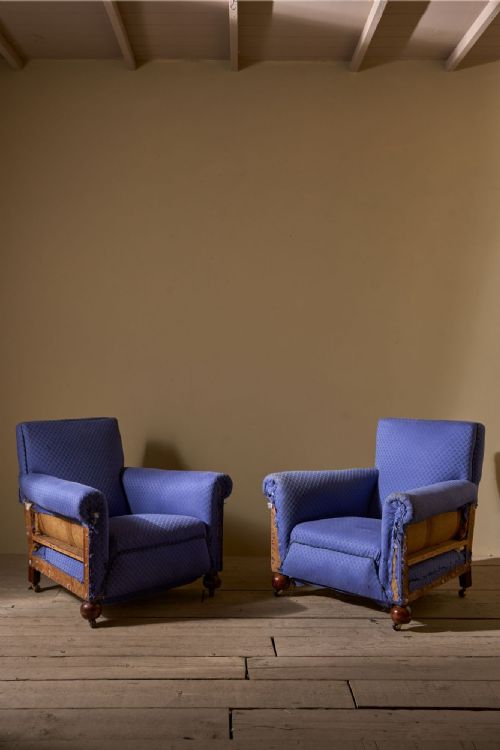
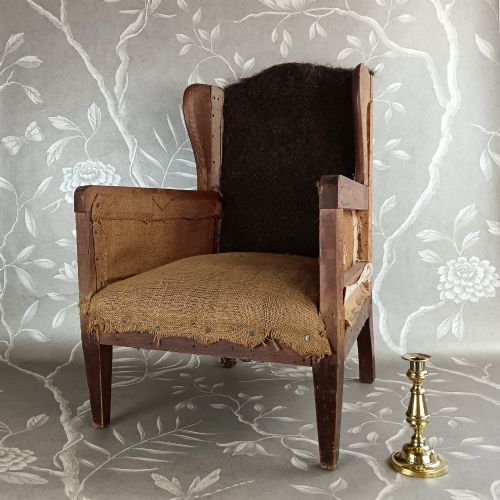
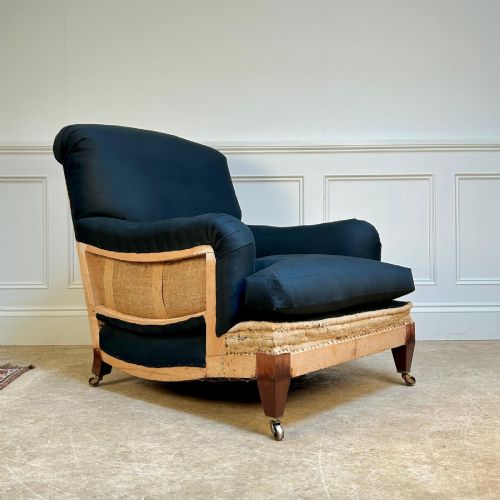
The pieces appearing on this page range from Victorian and Edwardian examples to Art Deco designs, featuring sturdy timber frames and upholstered finishes.
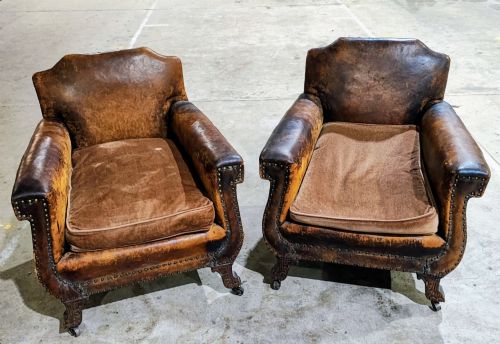
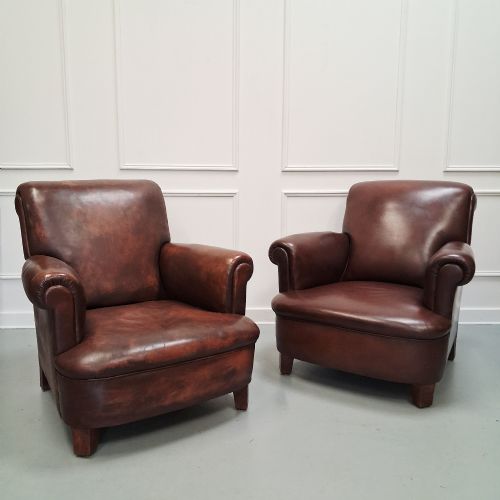
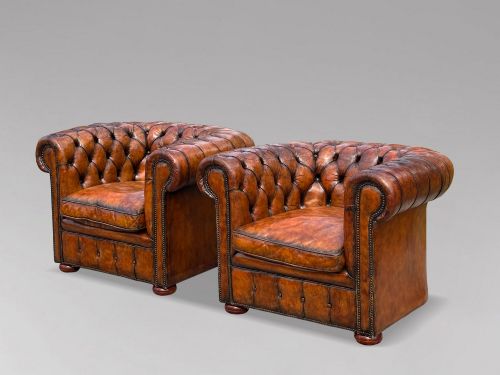
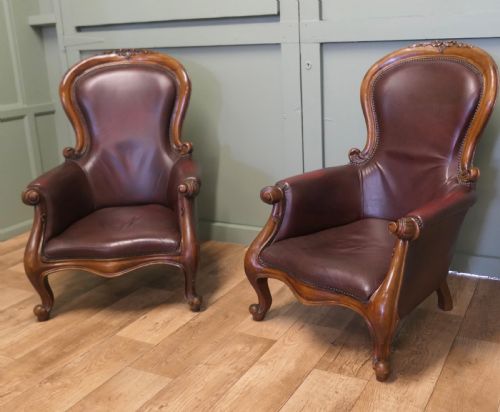
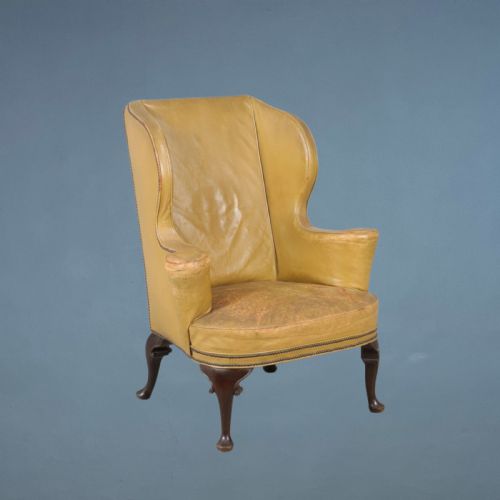
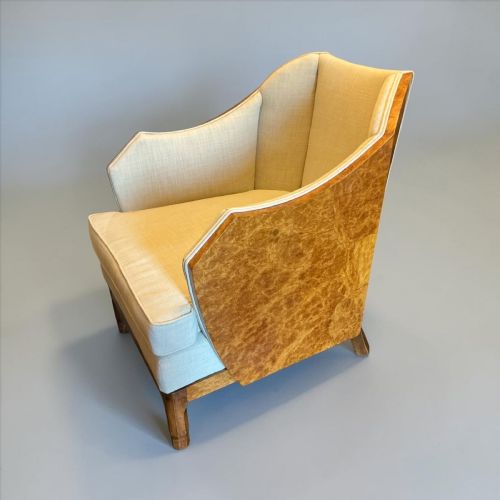
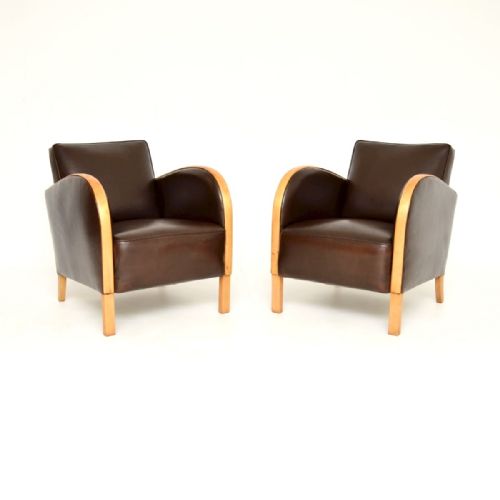
Buyers will encounter robust French leather club chairs, walnut framed armchairs, and satin birch seating originating from the nineteenth and early twentieth centuries.
Materials and construction
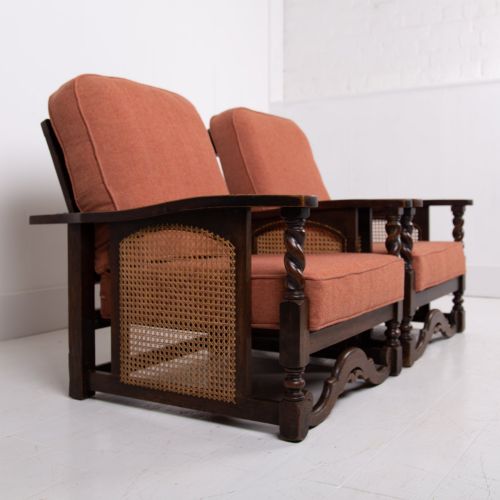
Frames rely on timber foundations including mahogany, walnut, oak, and satin birch, often paired with exposed brass details or cane work.
Upholstery incorporates heavy leather, calf suede, velvet, and traditional fabric over sprung or padded interiors.
Vintage Easy Chair Retail Price Guide 2026
Typical asking prices for vintage easy chair among the pieces listed under this phrase on Sellingantiques today, from the lower quarter to the upper quarter. They describe what is for sale here now, not the wider market.
Some chairs spent a century accommodating afternoon naps before ever meeting a modern interior designer.
Assessing quality
The standard of a chair depends on the integrity of its wooden frame and the quality of its joinery, which dictate its long-term stability.
Surface patination on leather and timber distinguishes superior examples, alongside the execution of period details like inlaid mahogany or carved walnut.
The Vintage Easy Chair Glossary
- Club chair
- A deep, heavily upholstered armchair traditionally finished in leather for domestic comfort.
- Bergere
- An upholstered wooden-framed armchair featuring cane or wicker side panels.
- Wingback
- An armchair with high sides attached to the back to shelter the sitter from draughts.
- Satin birch
- A pale, highly figured timber frequently utilised in twentieth-century cabinet making and seating frames.
Vintage Easy Chair: Frequently Asked Questions
How do I care for leather upholstery?
Leather surfaces require regular conditioning to prevent drying and cracking over time. Maintaining a stable indoor humidity preserves the hide.
Harsh cleaning products should be avoided in favour of specialised leather balms that nourish the material and protect the natural finish.
Where were club chairs typically used?
These low, deep seats originated in gentlemen's clubs and private libraries as comfortable places for reading or smoking. Their solid build suited daily domestic use.
Later variations found homes in twentieth-century sitting rooms and reception spaces, valued for their generous proportions.
Can I reupholster a vintage armchair?
Many older frames accept new fabric or leather successfully, provided the underlying webbing and springs remain sound. Traditional stuffing materials can be replaced or repaired by a skilled upholsterer.
Preserving original leather or fabric is often preferred by collectors, but modern upholstery allows chairs to match contemporary interiors.
How do I identify an Art Deco chair?
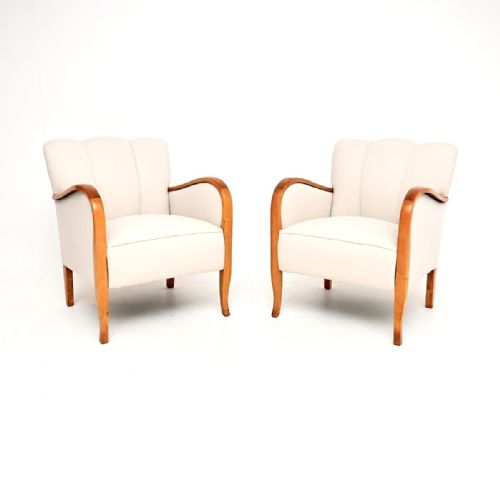
Art Deco pieces from the 1920s and 1930s favour clean geometric lines, smooth curves, and exotic woods like satin birch. They often dispense with excessive ornamentation in favour of sleek silhouettes.
Unlike ornate Victorian or Edwardian designs, these chairs emphasise modern form and functional elegance.