



Walnut Wingback Chair
A walnut wingback chair brings timeless fireside comfort and sturdy hardwood framing to any room.
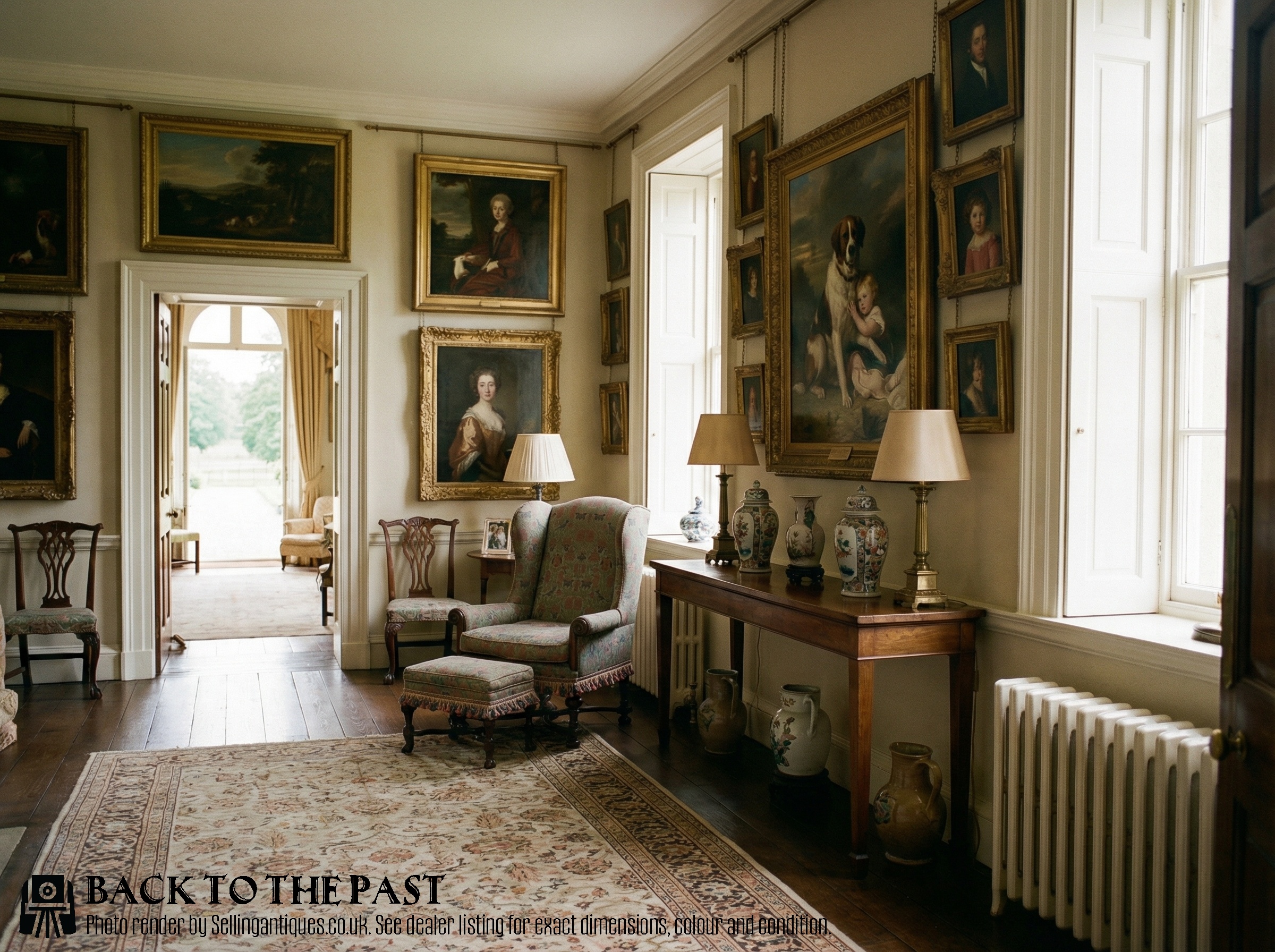
What They Are
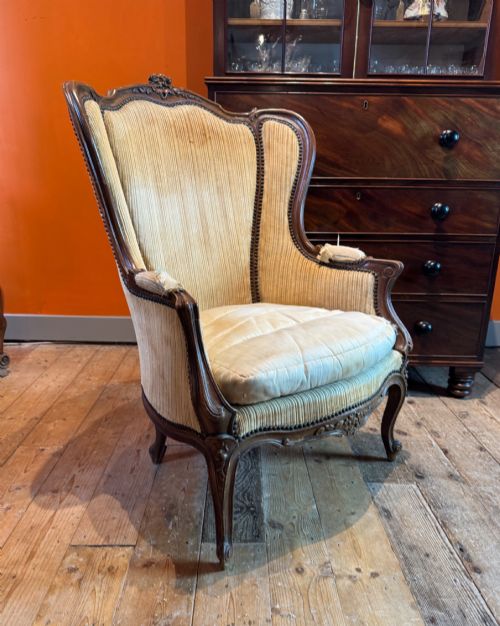
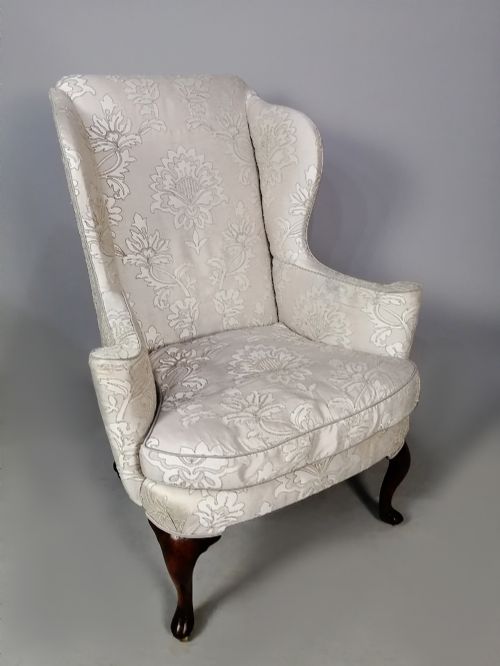
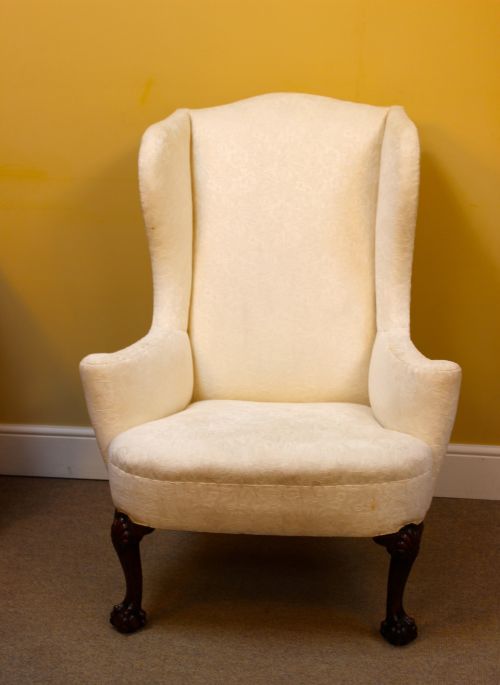
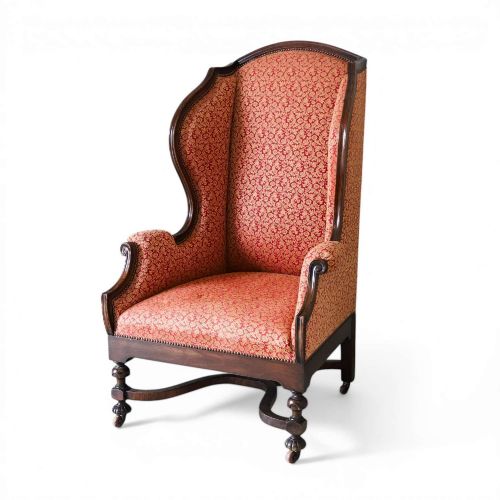
A walnut wingback chair is a deep fireside armchair defined by protective side wings and an upright padded back, designed to shield the sitter from drafts. The selection ranges from authentic eighteenth-century examples to nineteenth-century interpretations and twentieth-century revivals.
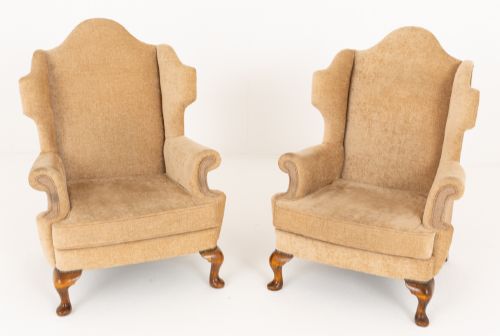
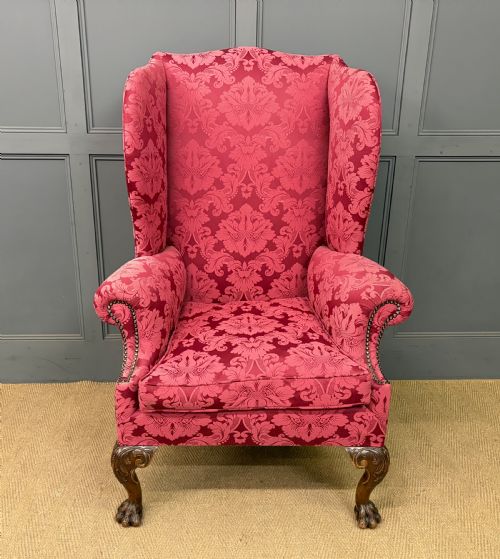
You will frequently encounter Queen Anne style and George I revival pieces alongside Victorian and Edwardian iterations. These armchairs typically feature exposed wooden frames and substantial upholstered bodies built for domestic leisure.
How They Were Made
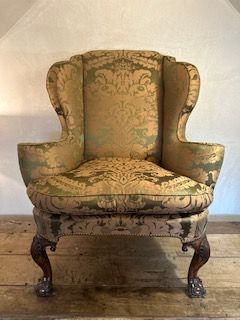
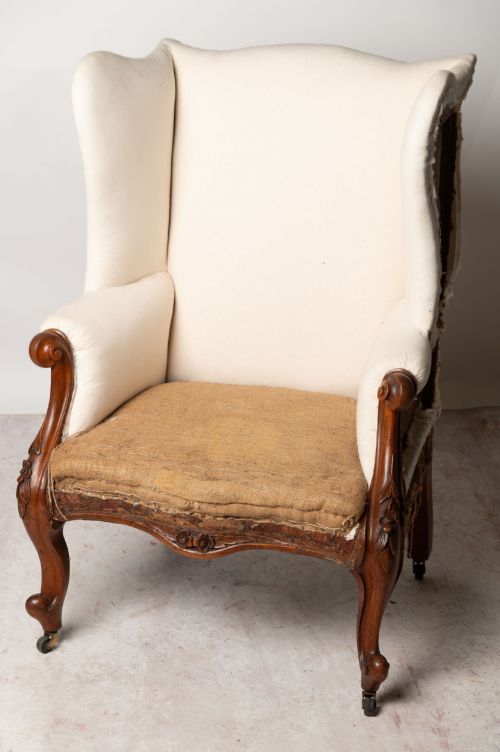
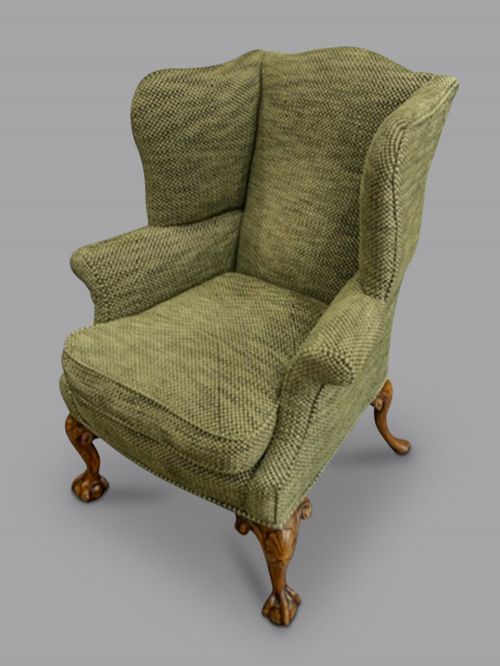
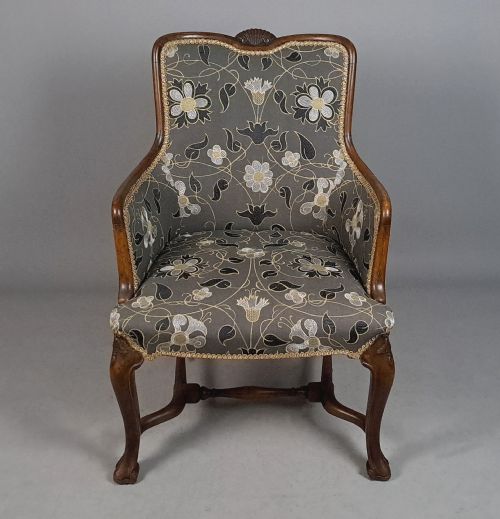
These armchairs rely on solid walnut and hardwood frameworks, often shaped with cabriole legs or carved wooden components. Metal elements such as brass appear in structural fittings or decorative detailing.
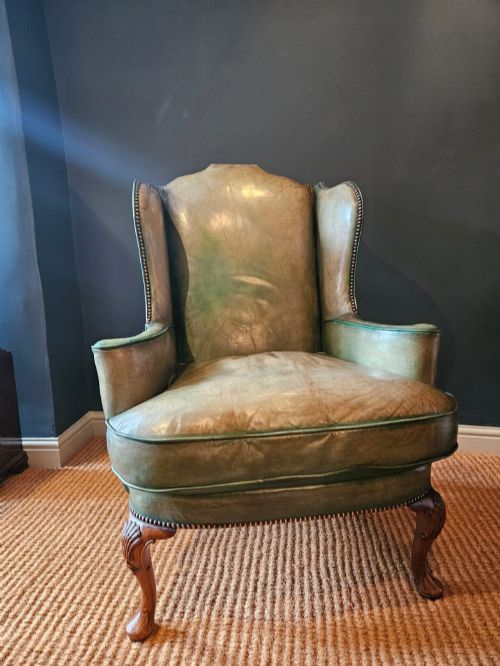
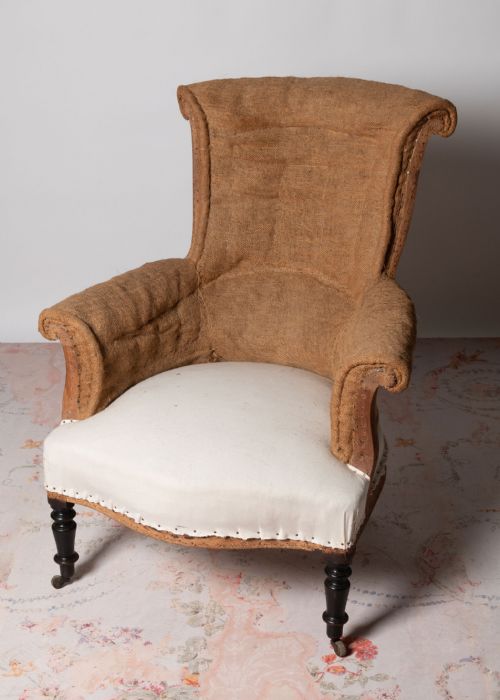
Upholstery defines the upper body, utilising textiles ranging from traditional tapestry and damask fabric to plush velvet and leather. Many pieces carry historical or replacement fabric covers reflecting the periods of their construction or subsequent restoration.
Retail Price Guide 2026
Typical UK retail prices for walnut wingback chair, calculated from the Sellingantiques database of over a million retail prices indexed since 2003. This retail price guide relies exclusively on Sellingantiques data; no external sources or auction records are used, so the figures do not describe the wider market.
The inventory records multiple stylistic revivals, particularly George I and Queen Anne interpretations alongside Victorian and Edwardian examples.
What Varies in Quality
The standard of a walnut wingback chair rests largely upon the crispness of the woodwork and the integrity of the frame construction. Carved walnut details on the legs and stretchers show the hand of a more skilled cabinetmaker.
The choice and execution of upholstery also separate standard examples from finer pieces. Superior versions utilise traditional stuffing methods and high-grade tapestry, leather, or damask fabrics that complement the warmth of the walnut frame.
The Walnut Wingback Chair Glossary
- Wingback
- An armchair style featuring integrated side panels designed to trap heat and block draughts from the fireplace.
- Cabriole leg
- A furniture leg that curves out and then in, commonly ending in a pad or claw foot on period seating.
- Damask
- A reversible figured fabric traditionally woven in silk, wool, or linen, often used for formal upholstery.
- Tapestry
- A heavy woven textile displaying pictorial or patterned designs, frequently utilised on period armchair coverings.
Frequently Asked Questions
How do I identify a revival walnut wingback chair?
Revival pieces are generally produced during the nineteenth or twentieth centuries, adopting earlier aesthetics such as Queen Anne or George I styles. Closer inspection of the timber ageing, joinery methods, and hardware typically reveals whether the chair originates from the period it emulates or a later revival.
Cabinetmakers working in the Victorian and Edwardian eras frequently drew on eighteenth-century proportions while employing contemporary workshop practices.
What materials are used in these armchairs?
The primary structural timber is walnut, supported by secondary hardwoods within the internal framing. Brass components occasionally appear in castors or decorative tacks.
Upholstery materials vary widely across the inventory, encompassing leather, velvet, damask fabric, and tapestry upholstery.
How were these chairs used historically?
These armchairs were positioned near fireplaces in domestic sitting rooms and libraries. The characteristic wings trapped ambient heat from the hearth while protecting the occupant from cold draughts.
Their deep seats and tall backs provided comfortable upright support for reading, resting, or conversation.
Can I find pairs of walnut wingback chairs?
Matching pairs do appear within both current listings and archive records, often originating from twentieth-century revivals or nineteenth-century workshops. These pairs share identical wood turning, frame dimensions, and upholstery styles.
Sourcing matched pairs requires patience as single armchairs are far more common in the secondary market.