

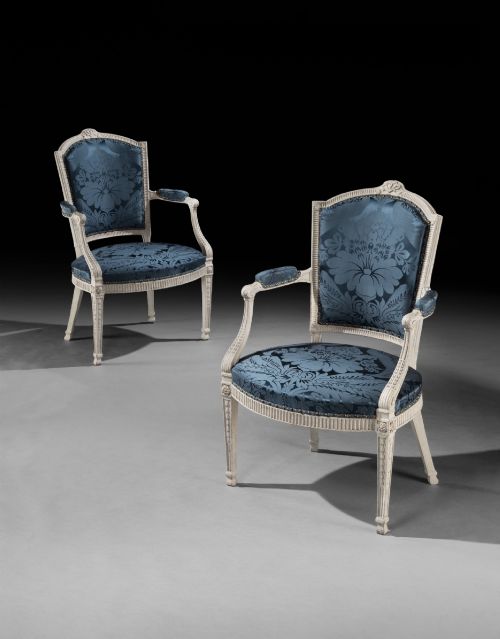


Cream Damask Armchair
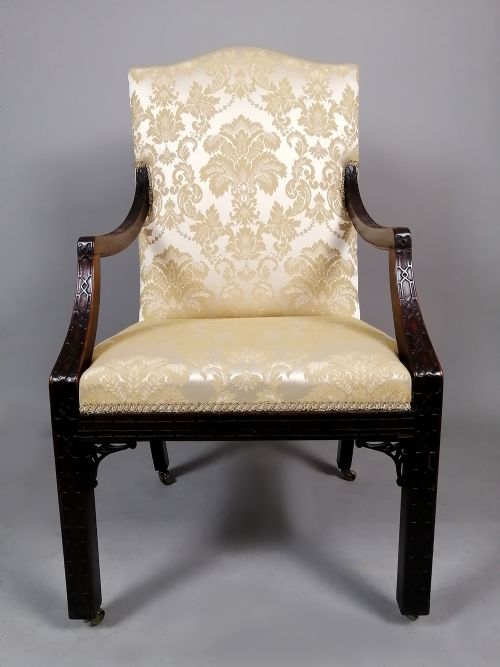
A cream damask armchair brings structured seating and woven pattern together, offering the comfort of padded upholstery combined with historic timber or gilt frames.
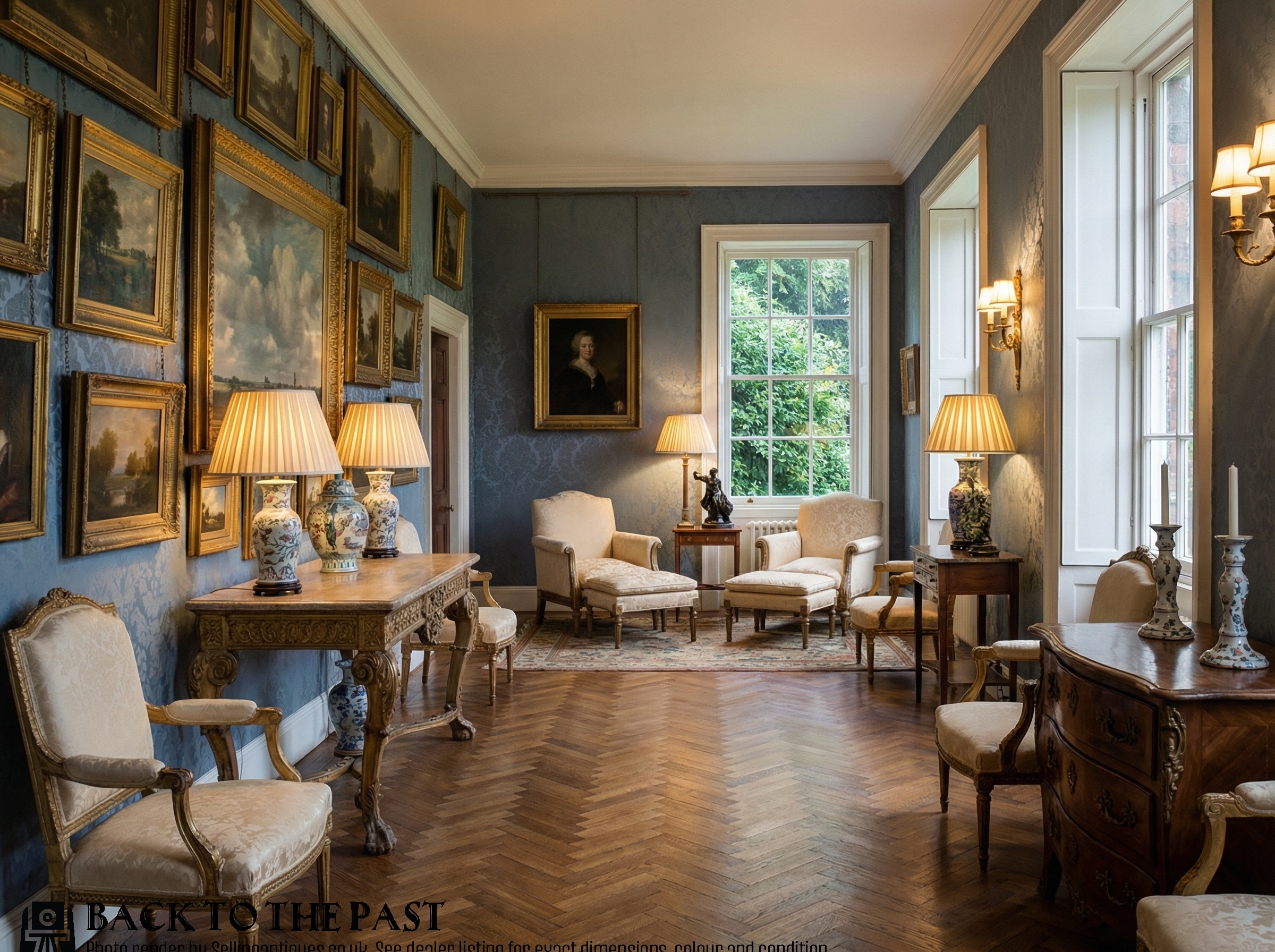
Cream Damask Armchair
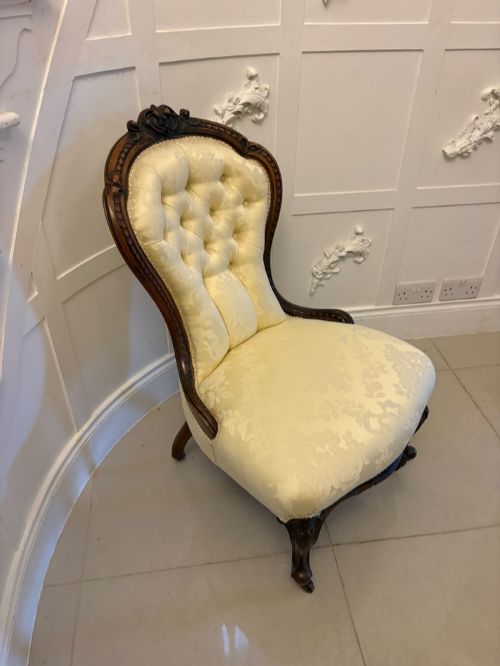
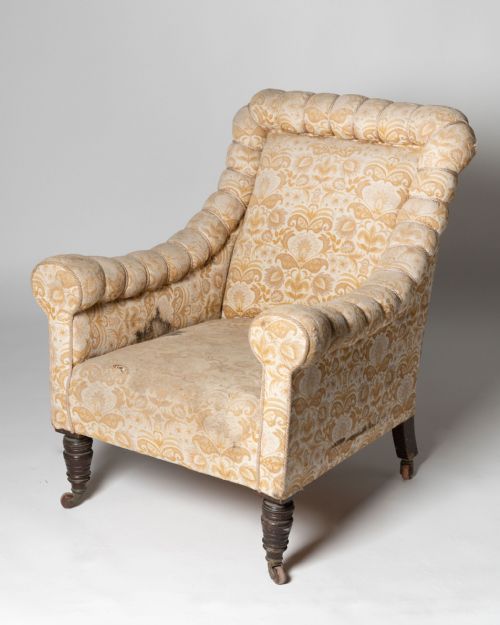
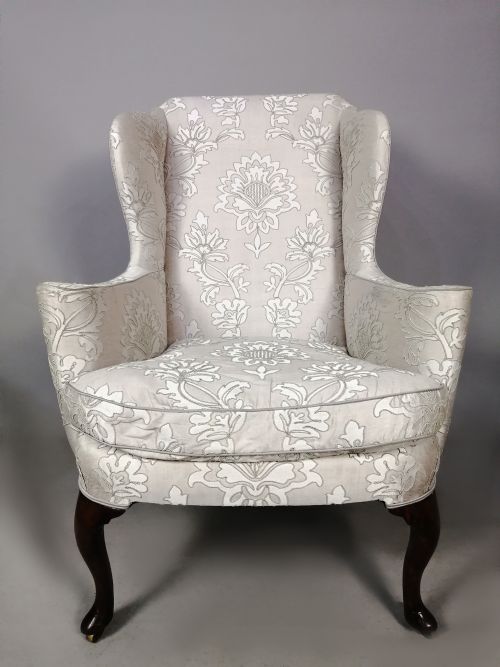
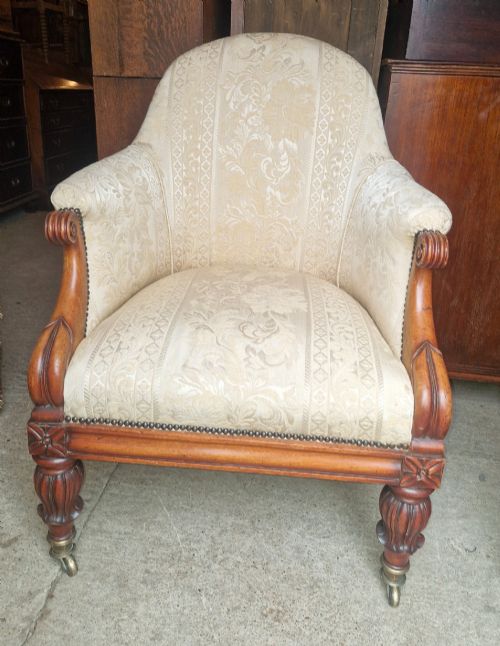
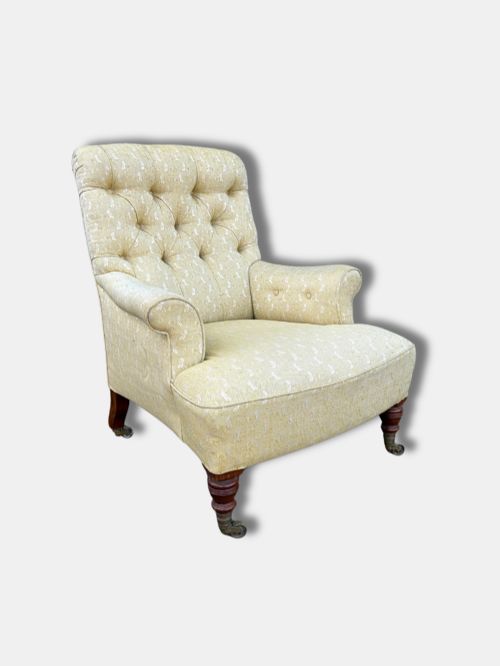
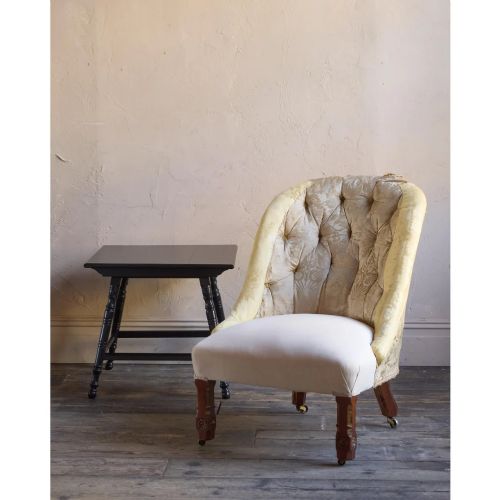
A cream damask armchair centres on seating designed for parlours, libraries, and drawing rooms across multiple centuries. These seats range from intimate bedroom chairs and compact tub chairs to substantial library armchairs and wingbacks.
Buyers encountering this search phrase find pieces spanning the eighteenth century through to the early twentieth century. Victorian and Edwardian examples dominate the selection, alongside earlier George III, Regency, and French revival models.
The underlying woodwork shifts between exposed mahogany, walnut, oak, satinwood, and giltwood. Upholstery takes the form of woven damask fabric, bringing subtle patterned texture to traditional frames.
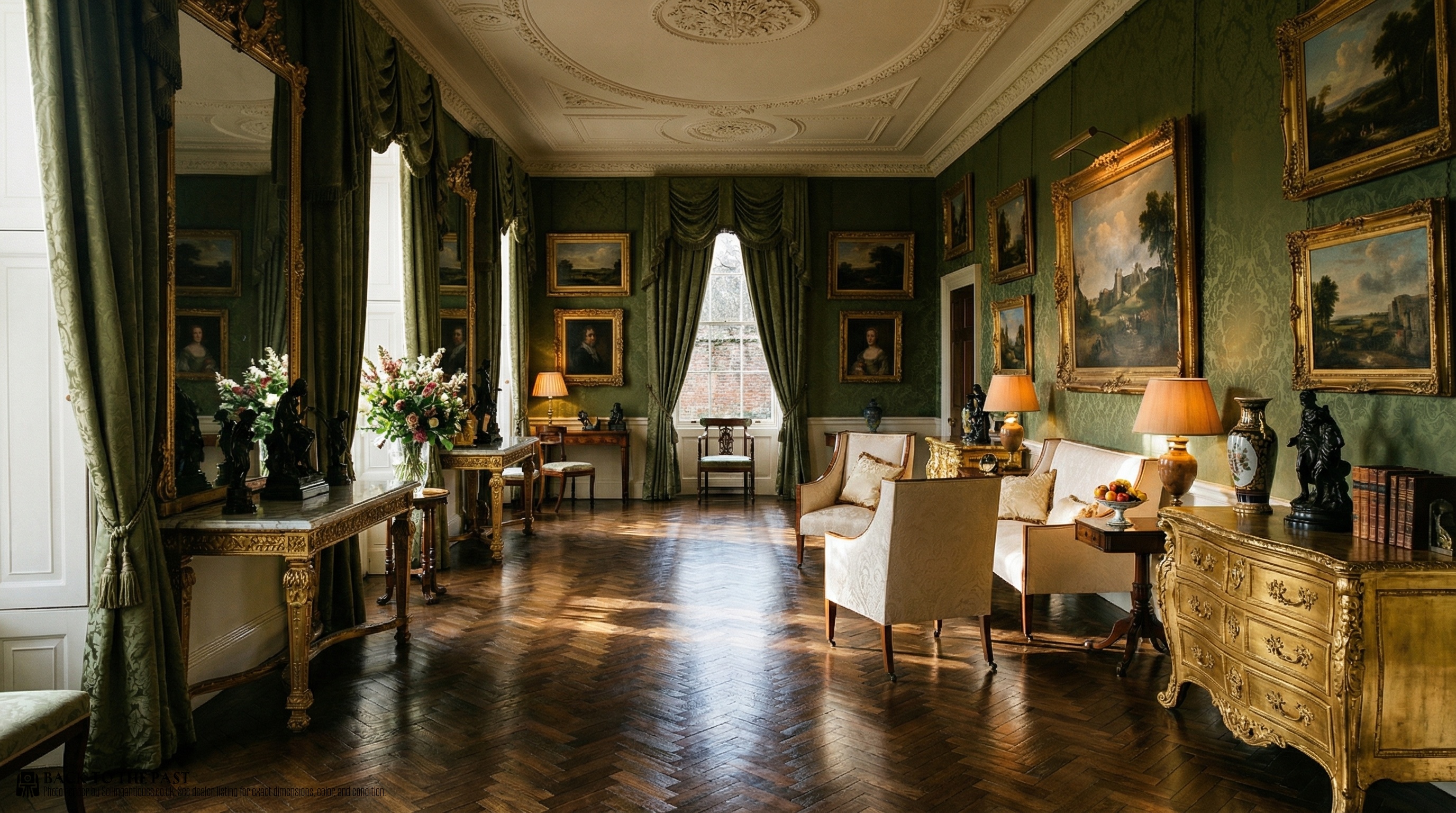
Materials and Craftsmanship
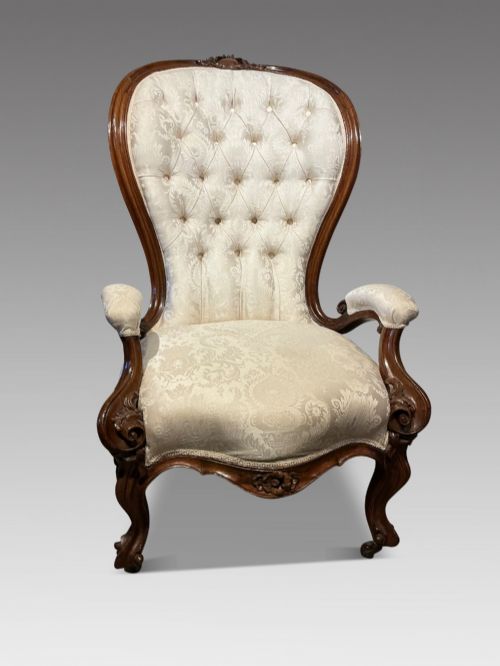
Makers constructed the structural frames from dense hardwoods like mahogany, walnut, and oak, often carving cabriole legs, lion paw feet, or decorative rails directly into the timber. Giltwood and painted finishes appear on French rococo and neoclassical revival seating.
Upholstery techniques involve traditional stuffing secured over sprung or webbed bases, finished with patterned damask fabric pinned or corded to the frame. Button tufting and ribbed barrel backs provide additional structural shaping.
Cream Damask Armchair Retail Price Guide 2026
Typical asking prices for cream damask armchair among the pieces listed under this phrase on Sellingantiques today, from the lower quarter to the upper quarter. They describe what is for sale here now, not the wider market.
The listings span from the eighteenth century to the early twentieth century, featuring mahogany, walnut, oak, and giltwood frames.
Assessing Quality and Execution
Quality rests upon the crispness of the timber carving and the architectural proportion of the frame. Heavy mahogany or walnut structures with deep relief work and balanced arm supports represent superior cabinetmaking.
The integration of the upholstery dictates the finish, where tightly tailored damask follows the curves of the chair without sagging or distortion. Original frames retaining their structural integrity separate standard utility seating from high-status salon pieces.
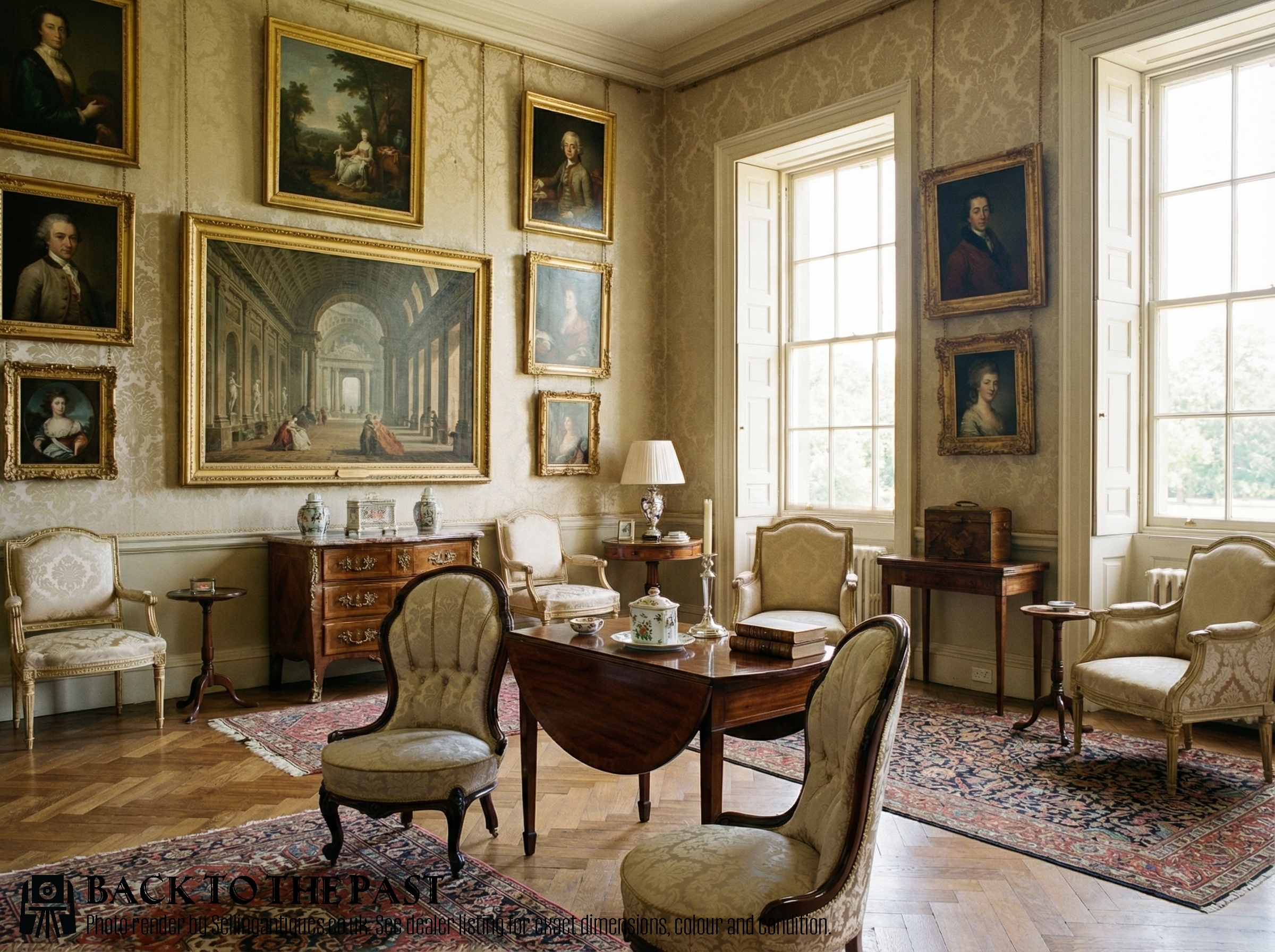
Howard and Sons·Harrods London
The Cream Damask Armchair Glossary
- Damask
- A reversible figured fabric with patterns formed by contrasting warps and wefts. It adds a subtle sheen and tactile pattern to upholstered chairs.
- Cabriole leg
- A furniture leg that curves out and then in, resembling an animal limb. It terminates in various foot designs such as lion paws.
- Wingback
- An armchair with side panels attached to the back. These extensions historically shielded the sitter from draughts.
- Satinwood
- A durable hardwood with a natural golden lustre. Cabinetmakers utilised this timber for fine eighteenth and nineteenth-century frames.
Cream Damask Armchair: Frequently Asked Questions
How do I identify the period of an armchair?
Dating relies on examining the timber species, leg geometry, and carving styles. Eighteenth-century pieces often display mahogany with classical Chippendale or Hepplewhite influences, whereas Victorian models show heavier walnut framing and spoon backs.
Secondary clues include upholstery methods and structural hardware. Later Edwardian reproductions blend earlier revival motifs with lighter construction.
Where were these armchairs originally used?
These chairs served multiple domestic spaces, from formal drawing rooms and reception areas to private bedrooms and libraries. Smaller occasional chairs functioned as movable seating, while grander library armchairs remained stationary.
Matching salon suites and settee groups provided coordinated seating for entertaining guests in nineteenth-century homes.
How do I care for damask upholstery?
Damask requires gentle vacuuming with a soft brush attachment to remove dust settled within the woven pattern. Professional cleaning maintains the fabric sheen and prevents fibre degradation.
Direct sunlight should be avoided to prevent the cream tones from fading over time.