
Fireside Wing Armchair
A fireside wing armchair brings deep-seated comfort and historic character to a room, offering draught-excluding wings that once kept the chill at bay.
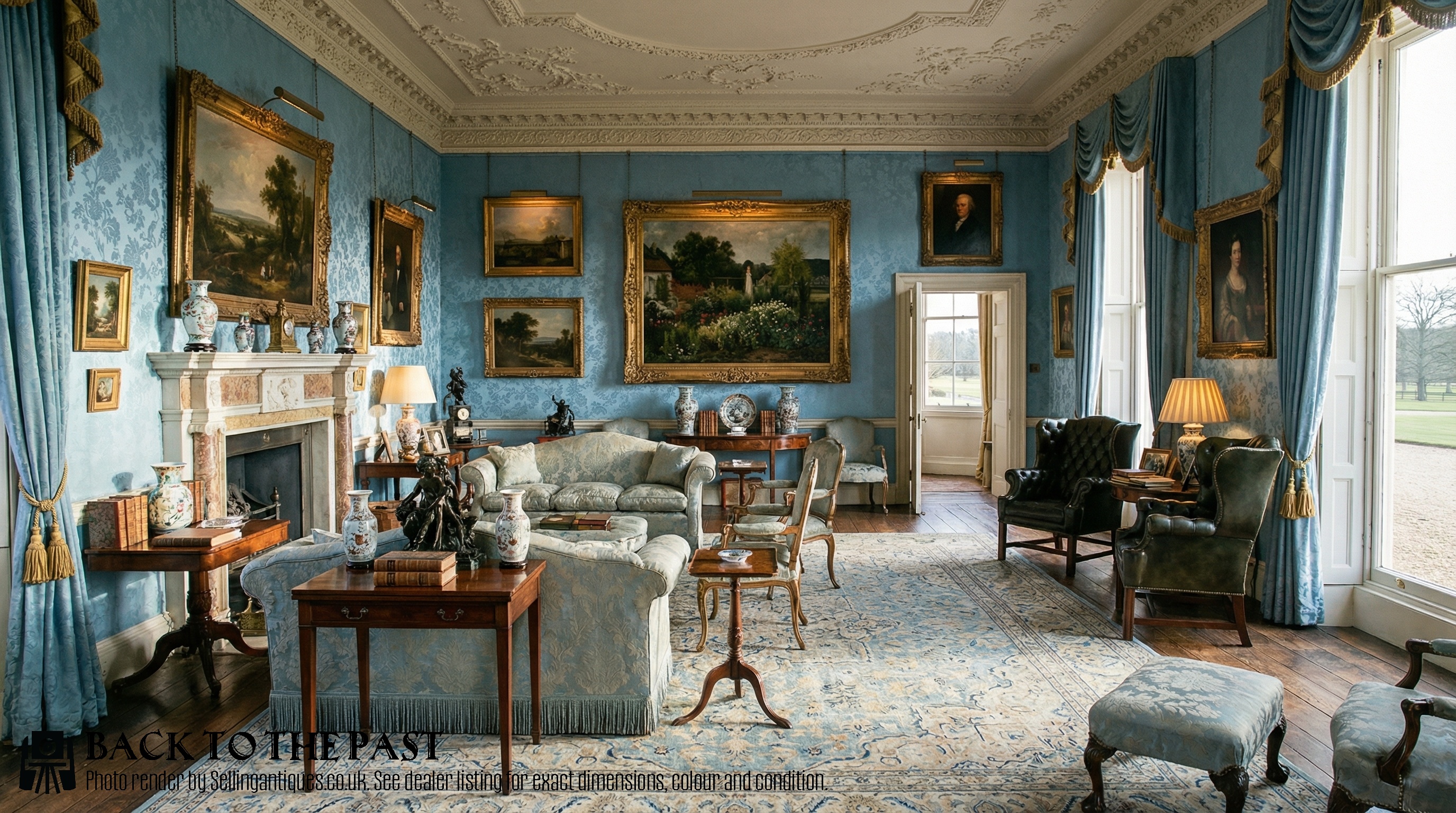
Fireside Wing Armchair
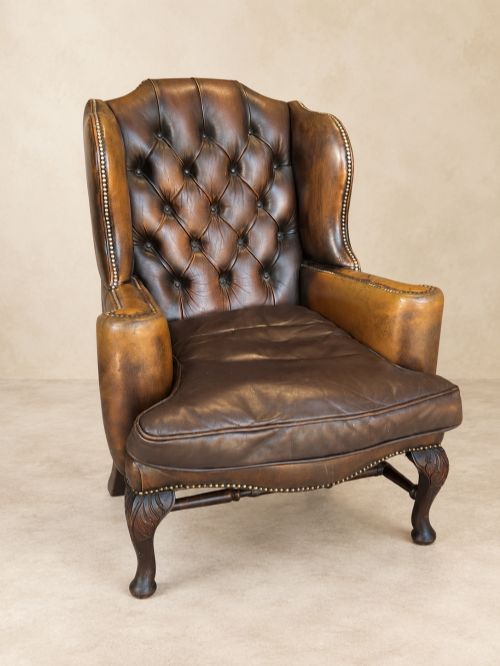
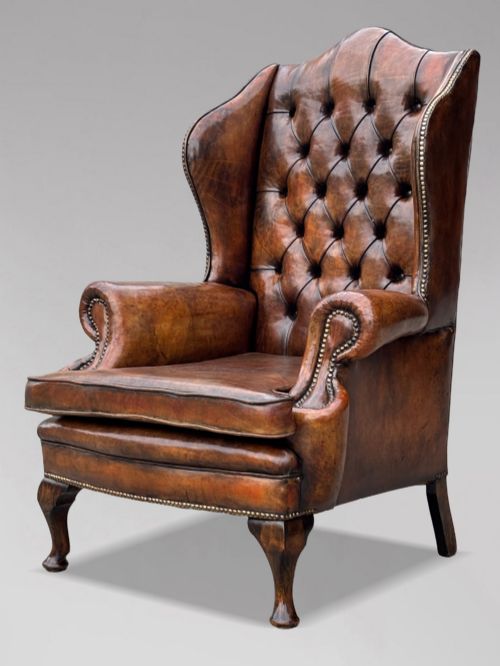
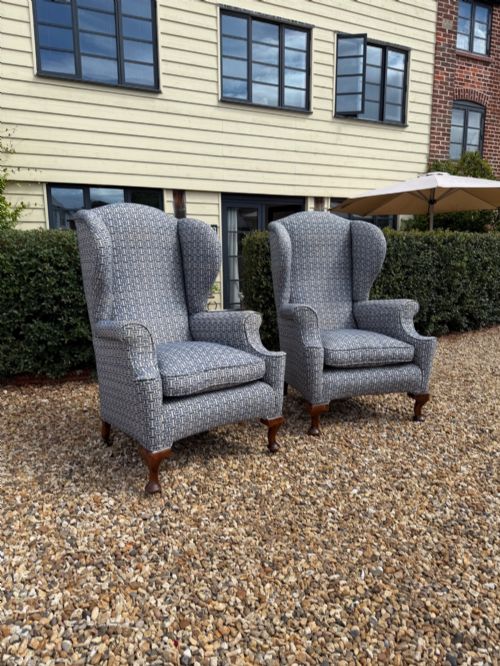
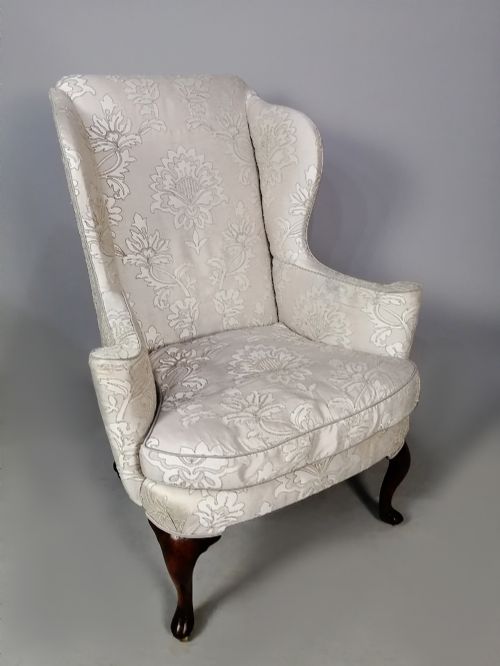
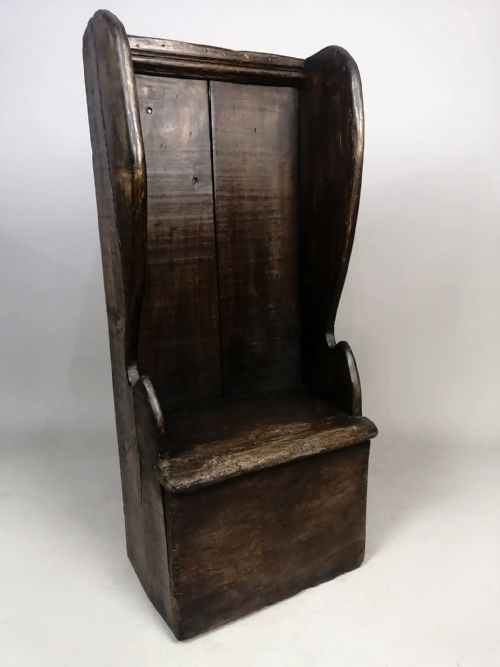
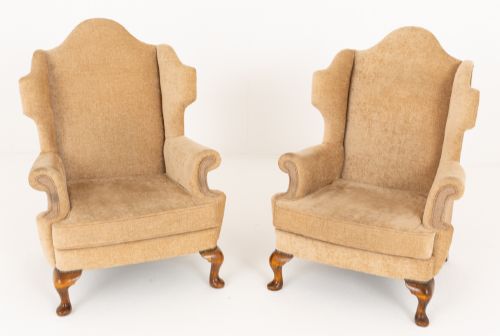
A fireside wing armchair is designed to shield the sitter from draughts while holding heat close from an open hearth. The selection spans robust 18th-century forms to later Victorian and Edwardian interpretations, alongside rustic lambing chairs in fruitwood and oak.
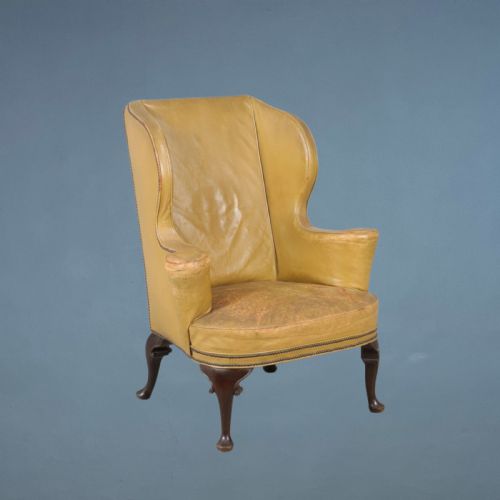
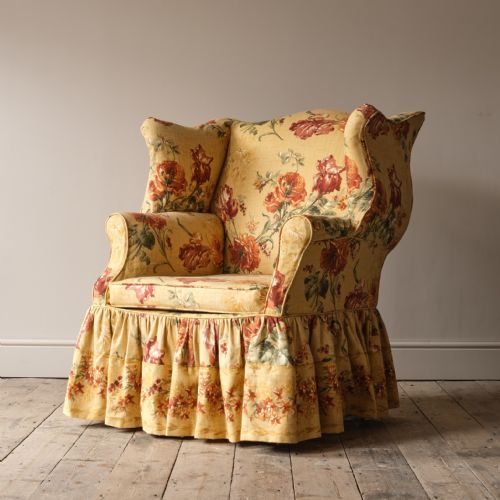
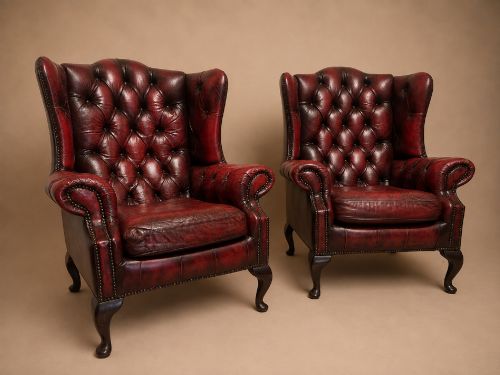
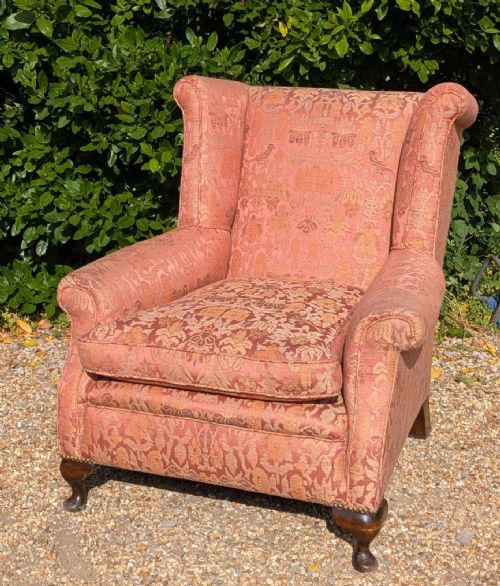
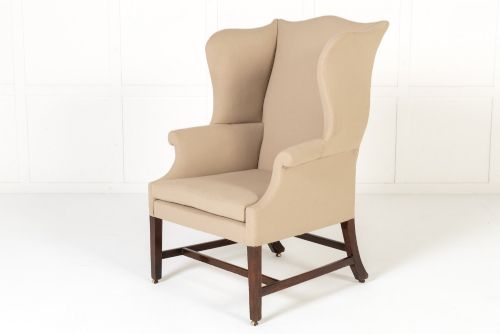
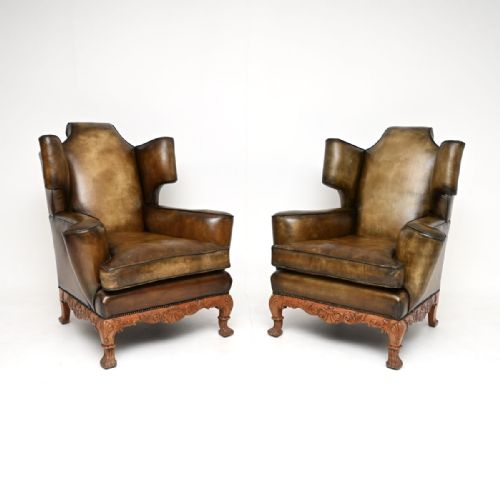
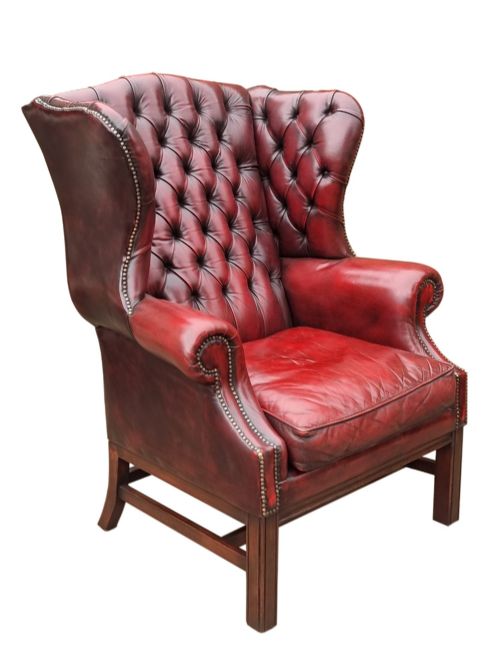
Most examples found here date from the Georgian era through to the early 20th century, encompassing revival styles like Queen Anne and George III. Buyers will frequently encounter versions upholstered in worn leather, heavy wool, or traditional fabric alongside frames awaiting fresh recovery.
Construction and Materials
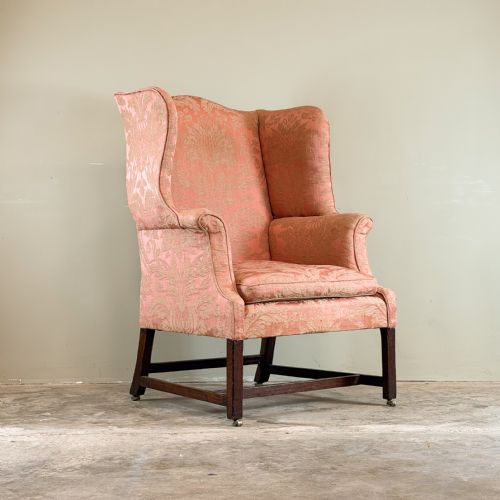
Frames rely on solid timbers such as mahogany, walnut, oak, and fruitwood, providing the structural foundation for deep upholstery. Brass accents occasionally appear on castors or studwork securing the outer coverings.
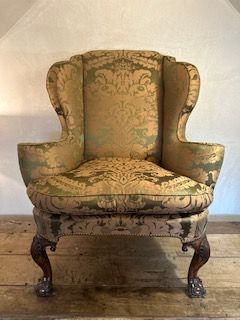
Traditional stuffing employs materials like horsehair and feather filling beneath top layers of leather, velvet, chenille, or plain calico. Exposed wooden elements often feature carved cabriole legs or stretchers characteristic of their respective periods.
Fireside Wing Armchair Retail Price Guide 2026
Typical asking prices for fireside wing armchair among the pieces listed under this phrase on Sellingantiques today, from the lower quarter to the upper quarter. They describe what is for sale here now, not the wider market.
Listings span centuries of production, including 17th-century lambing chairs, 18th-century mahogany frames, and 1930s plaid wool designs.
Distinguishing Quality
The integrity of the underlying timber frame and the retention of original proportions dictate the standing of an example. Superior pieces maintain crisp carving on the legs and balanced wing contours that do not appear overly heavy.
The choice and execution of upholstery significantly influence character, where hand-stitched buttoning and patinated antique leather elevate a piece above standard later restorations.
Howard And Sons·Parker Knoll
The Fireside Wing Armchair Glossary
- Wingback
- An upholstered chair featuring protective side panels attached to the arms to deflect cold air. These extensions are central to the silhouette.
- Cabriole leg
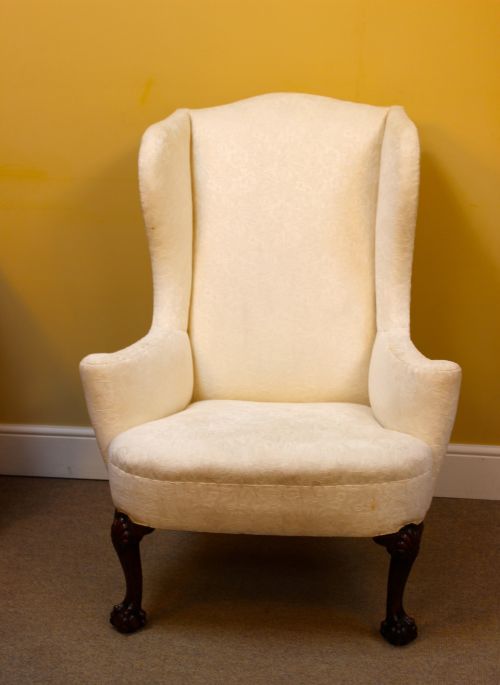
- A furniture leg that curves outward in a convex arc and tapers inward in a concave arc, frequently ending in a pad or ball and claw foot. This form draws inspiration from animal limbs.
- Lambing chair
- A vernacular wooden seat featuring a high solid back and enclosed sides, historically utilised in farmhouses near the hearth. They often incorporate a small drawer beneath the seat.
- Button back
- An upholstery technique where indentations are formed by pulling strings or twine through the padding and securing them to the frame. This secures the filling and creates a patterned grid.
Fireside Wing Armchair: Frequently Asked Questions
What is the purpose of the wings on these chairs?
The side panels were originally engineered to trap heat from an open fireplace while blocking cold draughts from sweeping across the back of the neck.
Over time, this practical hearth design evolved into a statement of domestic comfort and status within period drawing rooms.
How do I identify a Georgian frame?
Georgian versions typically display restrained proportions, fine mahogany or walnut timbers, and elegant cabriole or straight legs without excessive ornamentation.
Looking underneath reveals traditional joinery methods and timber ageing consistent with the eighteenth century rather than later revival periods.
Are pieces sold for reupholstery common?
Many historic seating options enter the market stripped or requiring new fabric to preserve the underlying structure for modern interiors.
This allows owners to select textiles ranging from antique-style leather to contemporary wool plaids while retaining the antique frame.
Where should I place a fireside wing armchair?
These seats suit reading corners, studies, or living rooms where their high backs create a defined seating zone and a focal point.
Their substantial profiles balance well against traditional fireplaces or large windows in period properties.