

19th Century Library Chair
When you set out to acquire a 19th century library chair, you encounter sturdy timber frames and deep upholstery designed for heavy daily study.
19th Century Library Chair
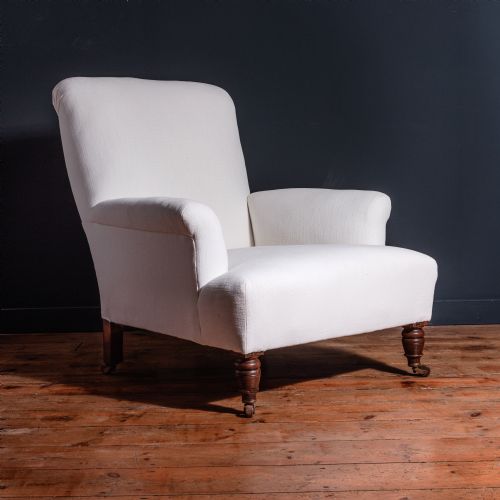
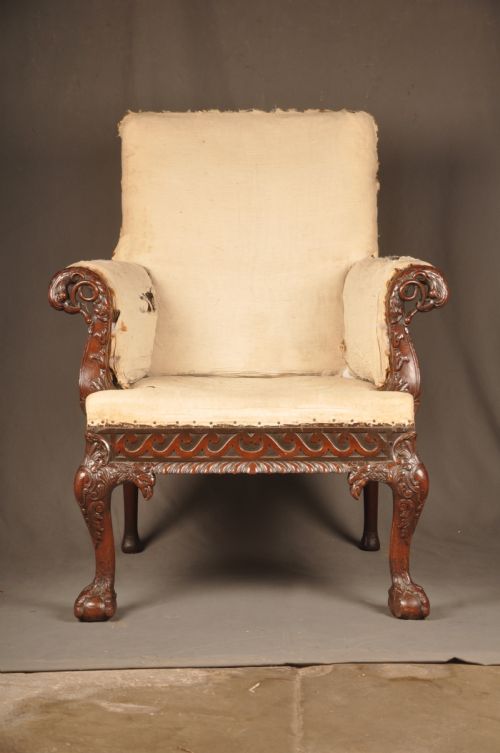
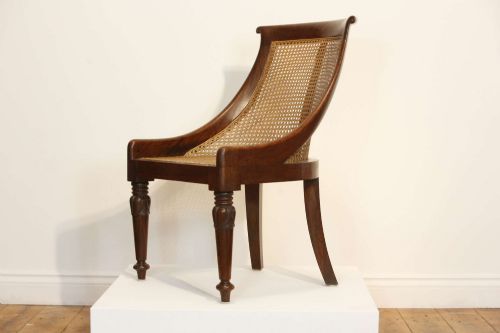
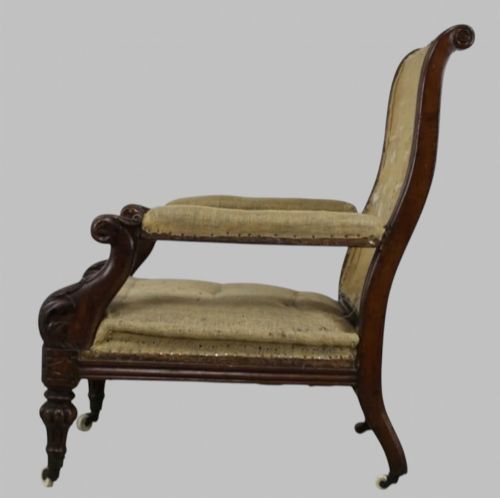
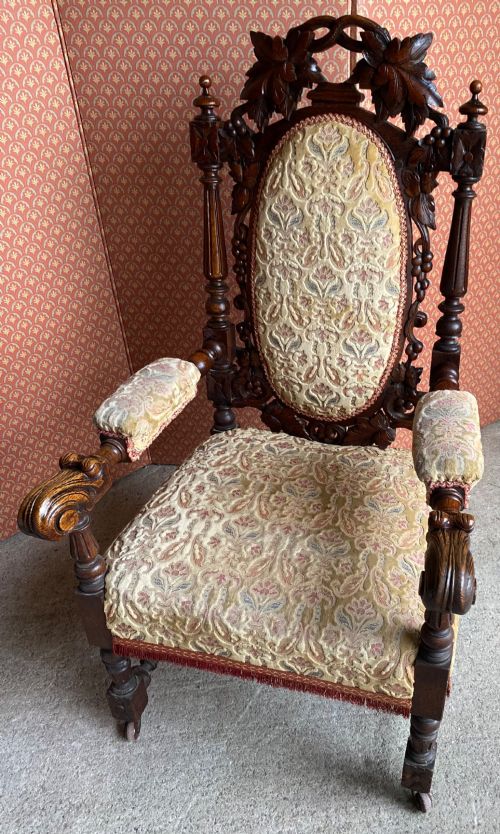
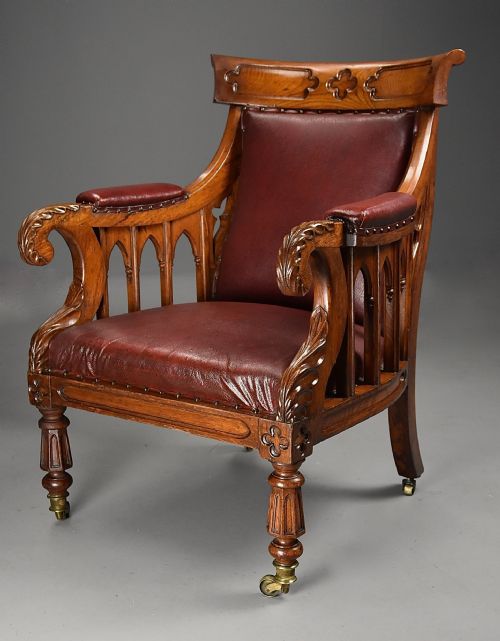
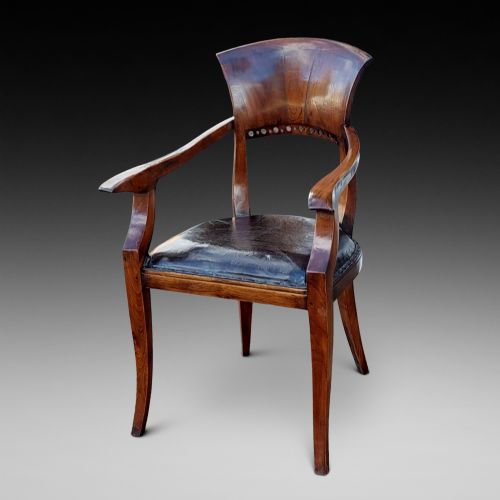
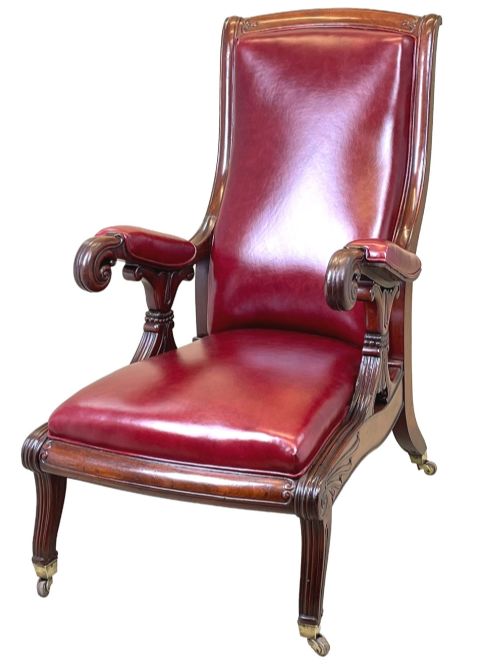
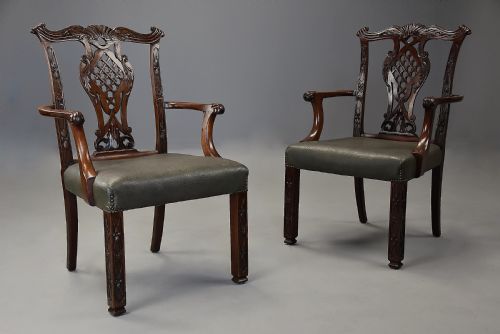
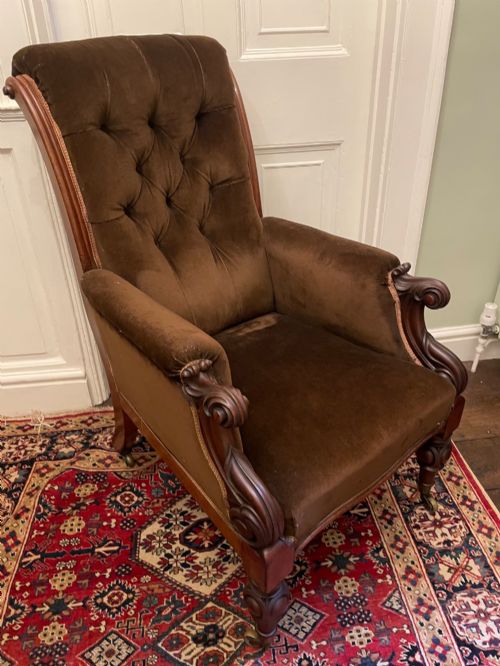
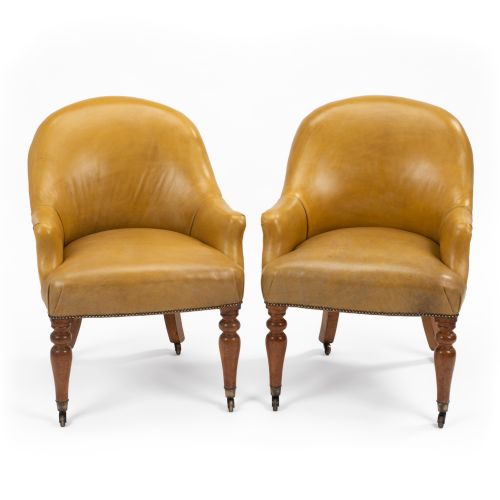
A 19th century library chair encompasses a variety of substantial seating built for studies, offices, and country houses throughout the period. The selection frequently includes mahogany and walnut armchairs, tub chairs, and desk chairs upholstered in leather or fabric.
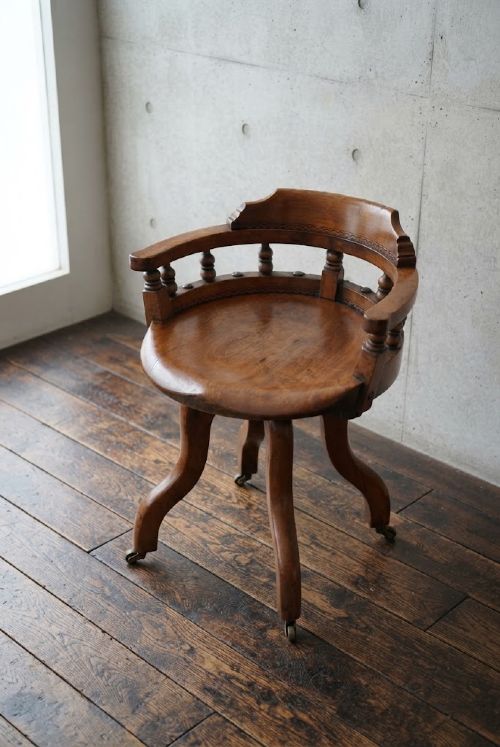
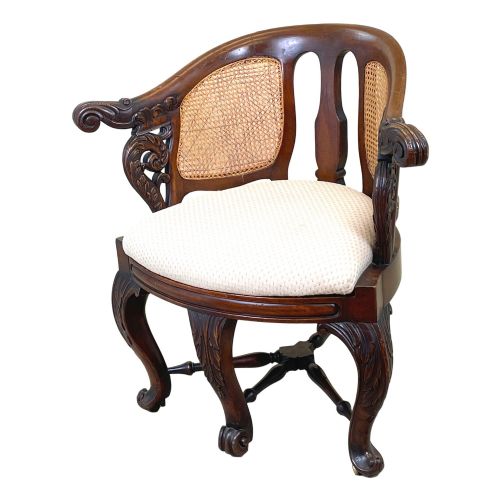
Buyers regularly encounter versions from the Regency, Victorian, and William IV eras, alongside specific forms like revolving desk chairs and reclining armchairs. These pieces reflect the functional demands of Victorian and Georgian libraries, often featuring padded arms and reading stands.
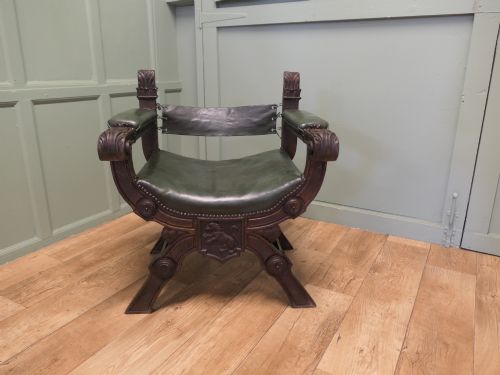
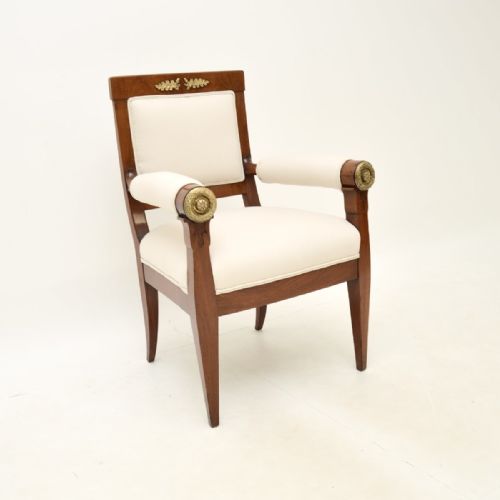
Makers utilised robust timbers such as oak, ash, and rosewood to support long hours of reading and writing. The surviving examples range from plain English country house open armchairs to decorative French Empire and Gothic Revival styles.
Materials and Construction
Makers constructed the primary frameworks from dense hardwoods like mahogany, walnut, and oak, occasionally turning to rosewood, ebony, or ash for distinct regional or stylistic preferences. Joinery relied on traditional mortise and tenon methods to ensure the heavy frames remained rigid under daily use.
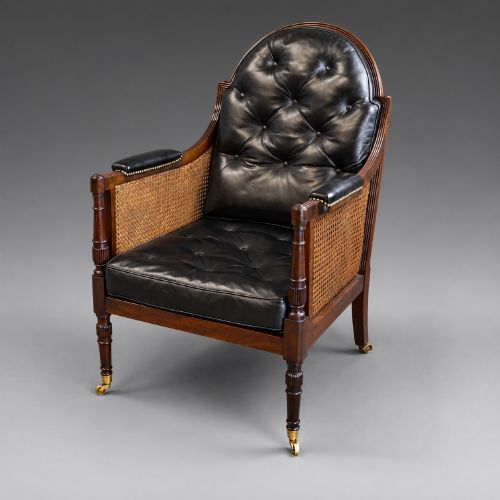
Upholstery involved dense horsehair or wool stuffing held in place by hessian webbing, then covered in buttoned leather, velvet, tapestry, or fabric. Brass castors and brass nailheads frequently finished the feet and borders, assisting movement across heavy carpets.
19th Century Library Chair Retail Price Guide 2026
Typical asking prices for 19th century library chair among the pieces listed under this phrase on Sellingantiques today, from the lower quarter to the upper quarter. They describe what is for sale here now, not the wider market.
Distinctions in Quality
Quality rests heavily on the selection of timber and the integrity of the original frame construction, where dense, figured mahogany or walnut elevates a piece above standard utility furniture. Superior examples display crisp hand-carving on the arm supports and reeded rails rather than soft, machine-milled lines.
The sophistication of the internal springing and the quality of the leather hide or woven tapestry dictate the overall finish. Pieces bearing maker stamps from prominent cabinet makers command greater attention due to documented workshop standards.
Gillows·Howard And Sons·Cope And Collinson
The 19th Century Library Chair Glossary
- Bergere
- An enclosed upholstered armchair with exposed wooden framing and woven cane panels along the sides and back. This French style gained popularity in English libraries for its lighter aesthetic.
- Tub chair
- A deep-seated armchair featuring a continuous curved back and armrest that wrap around the sitter. It provides enclosed comfort for long periods of reading.
- Monopodia
- A carved furniture foot resembling a single animal leg, often a lion or beast. It frequently appears on Regency pieces influenced by classical design.
- Metamorphic
- Furniture engineered to transform into another functional object, such as an armchair converting into library steps. These mechanical designs served practical space-saving roles in large libraries.
- Gainsborough
- A wide, open-armed mahogany armchair with a padded seat and back, manufactured during the 18th century and widely revived throughout the 19th century for desks and libraries.
19th Century Library Chair: Frequently Asked Questions
What is a library chair?
A library chair is a heavy, comfortable armchair or desk chair built during the 19th century for reading rooms and studies.
They typically feature sturdy timber frames in mahogany or oak, deep leather upholstery, and sometimes attached reading stands or revolving bases.
How do I identify a Regency library chair?
Regency library chairs usually display classical lines, dark mahogany or faux rosewood finishes, and sometimes brass inlay or monopodia feet.
They date from the early part of the 19th century and often reflect Greek or Roman design influences.
Were these chairs used at desks?
Many library chairs served a double purpose at partners desks and writing tables in grand English homes.
Swivel actions, castors, and adjustable heights appeared on desk variants to help scholars move easily around large workspaces.