
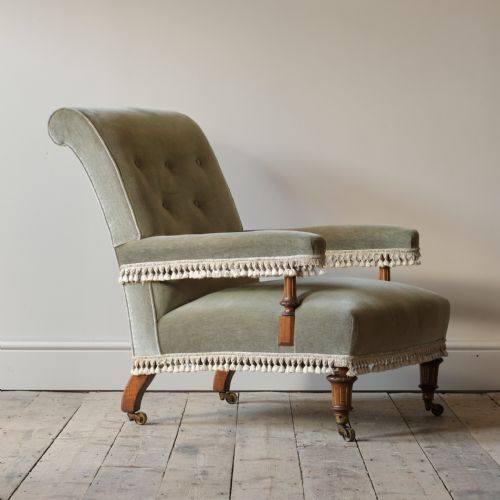
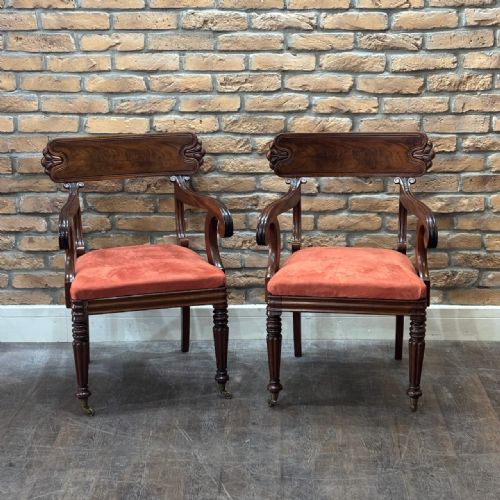

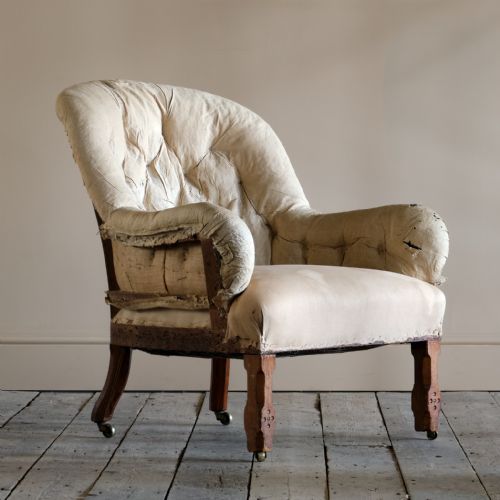


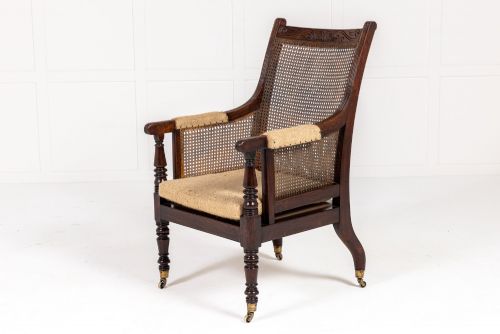


Gillows Style Armchair
These gillows style armchair pieces bring proper firm seating into a room, fashioned from solid timber and upholstered in rich hides or textiles.
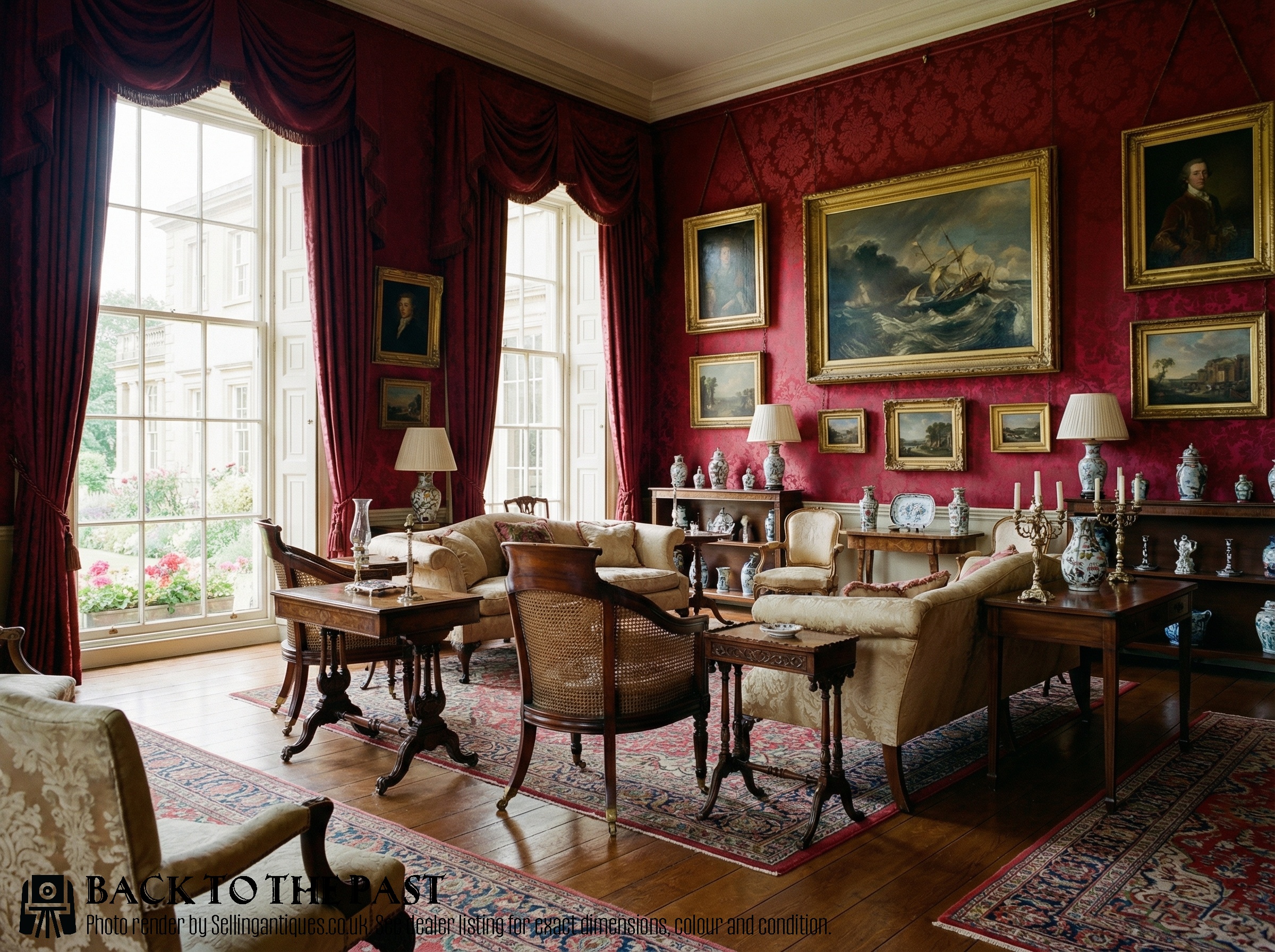
Gillows Style Armchair
A gillows style armchair represents nineteenth-century seating, drawing from Regency, Victorian, William IV, and Victorian Gothic Revival periods. These pieces include open armchairs, library chairs, desk chairs, and bedroom chairs.
Buyers encounter forms made from mahogany, oak, and rosewood, often paired with leather, velvet, cane, or calico upholstery. Many pieces trace their lineage to the nineteenth century, reflecting robust workshop practices.
Judging Quality
The weight of the timber and the crispness of the carved or ebonised details distinguish finer examples from simpler provincial work. Solid mahogany or golden oak frames display superior structural integrity over lesser woods.
Upholstery choices and leather quality dictate the finish, ranging from hand-dyed hides to standard textile coverings. Original cane panels and well-preserved brass fittings elevate a piece.
Gillows Style Armchair Retail Price Guide 2026
Typical asking prices for gillows style armchair among the pieces listed under this phrase on Sellingantiques today, from the lower quarter to the upper quarter. They describe what is for sale here now, not the wider market.
Materials appearing across the inventory include mahogany, oak, rosewood, brass, leather, velvet, and cane.
Bruce James Talbert
The Gillows Style Armchair Glossary
- Bergère
- An enclosed armchair with upholstered back and sides, often featuring cane work. This French-inspired form became popular in Regency libraries.
- Gainsborough armchair
- A wide, open-armed easy chair with a padded back and seat, standing on short legs. Eighteenth and nineteenth-century examples often utilised mahogany.
- Ebonisation
- The process of treating timber to imitate ebony. Cabinetmakers applied dark stains and finishes to create a stark, formal appearance on Regency frames.
- X frame
- A structural base formed by intersecting diagonal timbers. This configuration provided stability for heavy library chairs during the Regency era.
Gillows Style Armchair: Frequently Asked Questions
How do I identify a Regency period armchair?
Regency armchairs often feature classical lines, sabre legs, and dark timbers like mahogany or ebonised wood. They reflect early nineteenth-century design influences.
Look for restrained carving and quality brass details that match the stylistic preferences of the era.
Were these armchairs used in libraries?
Many examples on this page are specifically designated as library chairs, designed for reading and study. Their sturdy frames and comfortable leather upholstery suited scholarly rooms.
Library armchairs often incorporated writing arms or supportive high backs for extended sitting.
How should I care for leather upholstery?
Leather requires regular conditioning to prevent drying and cracking over time. Keep these armchairs away from direct heat sources and strong sunlight.
Gentle cleaning with appropriate balms maintains the suppleness of the hide.