

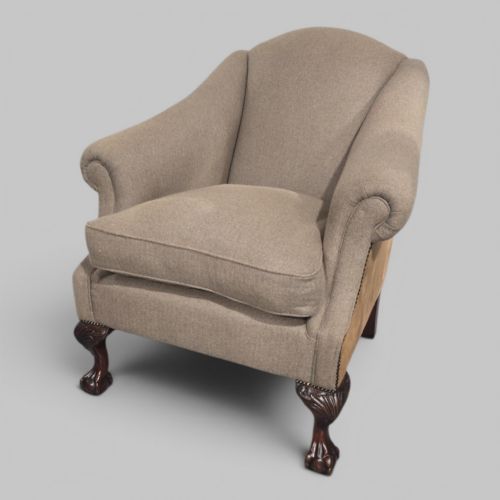


Dark Wood Library Chair
These dark wood library chairs are sturdy timber seating solutions built for reading rooms, offering both period character and reliable comfort for daily study.

What a dark wood library chair is
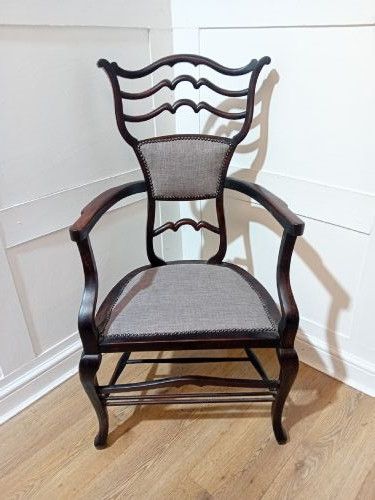
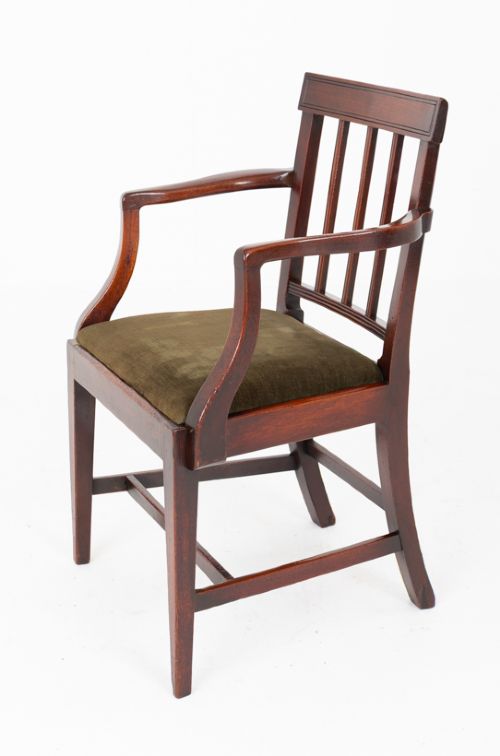
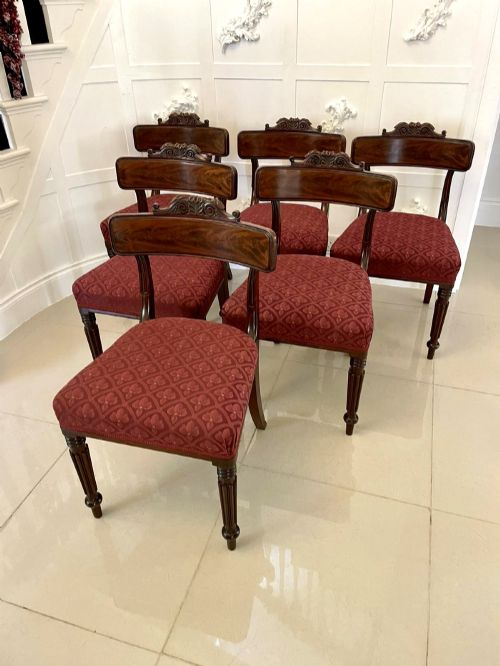
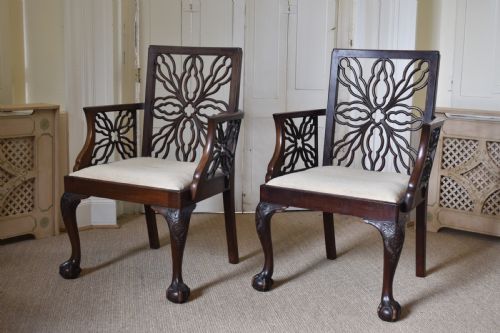
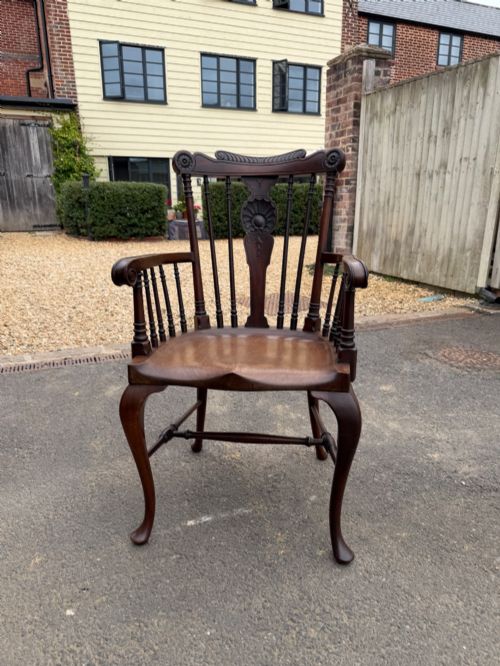
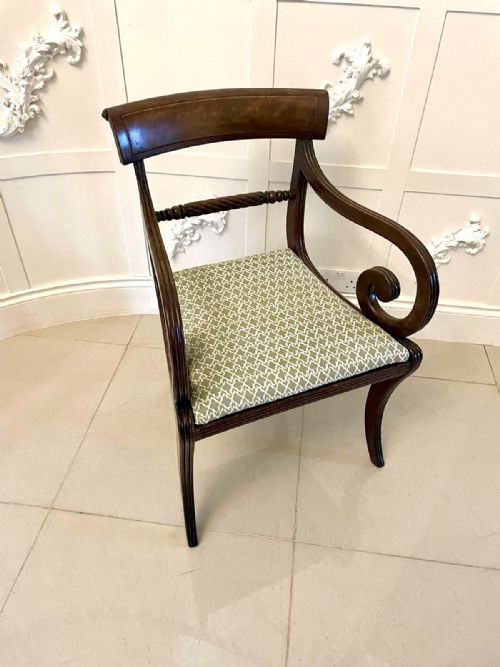
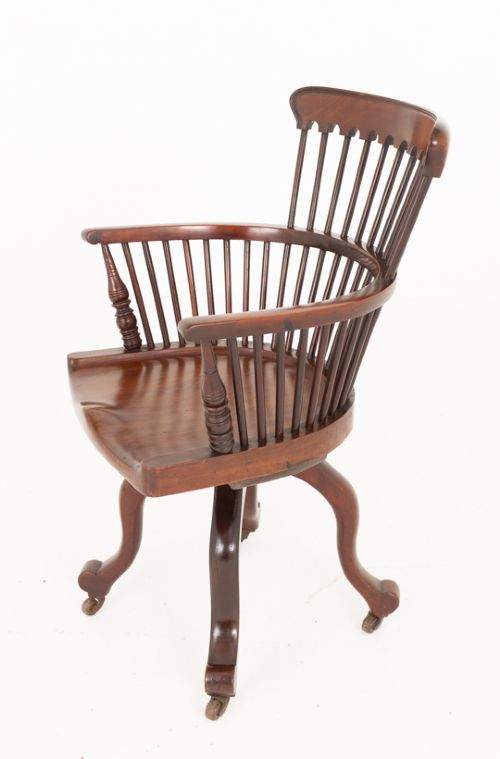
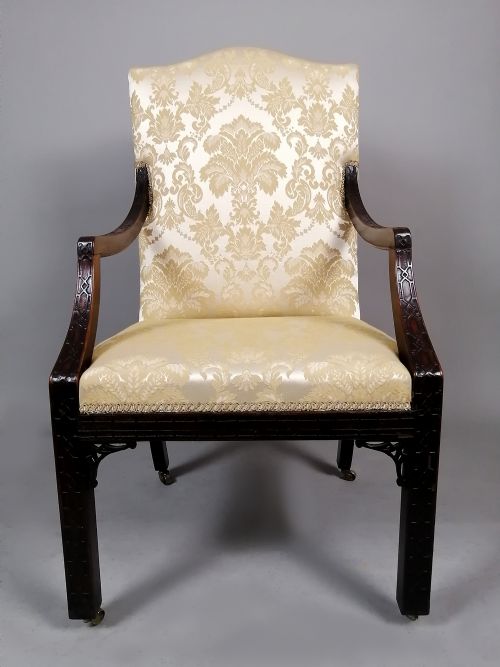
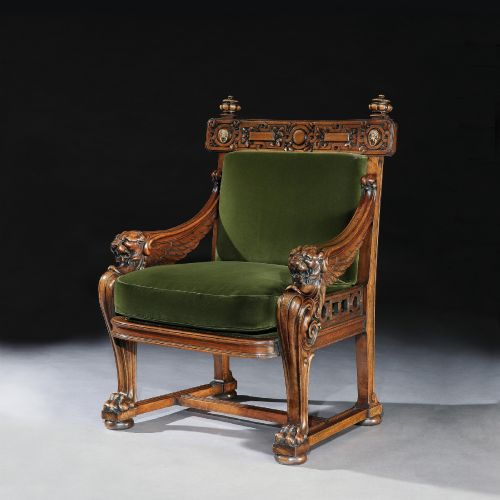
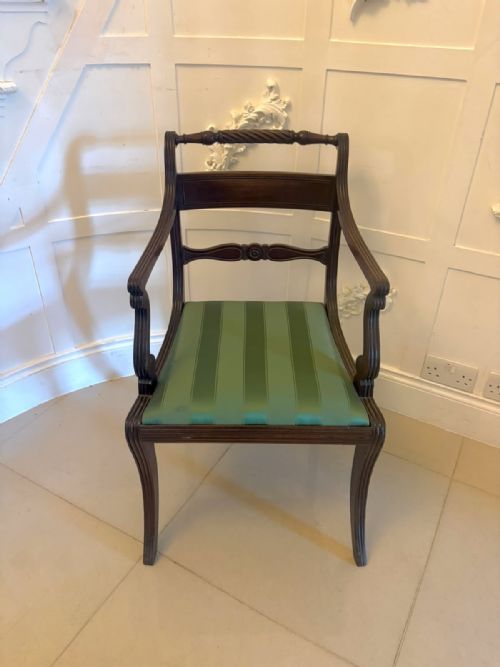
A dark wood library chair brings substantial timber construction to the study, combining deep tones with practical seating designed for reading rooms and domestic libraries. These pieces appear in forms spanning the Regency, Victorian, and William IV periods, alongside French country designs and English vernacular pieces.
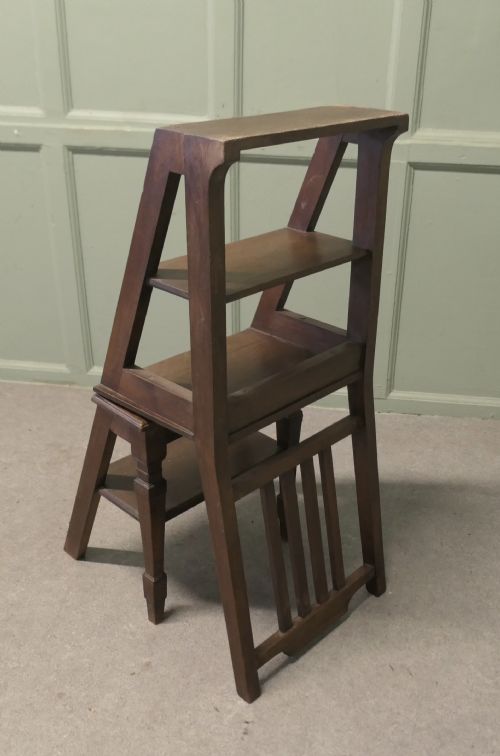
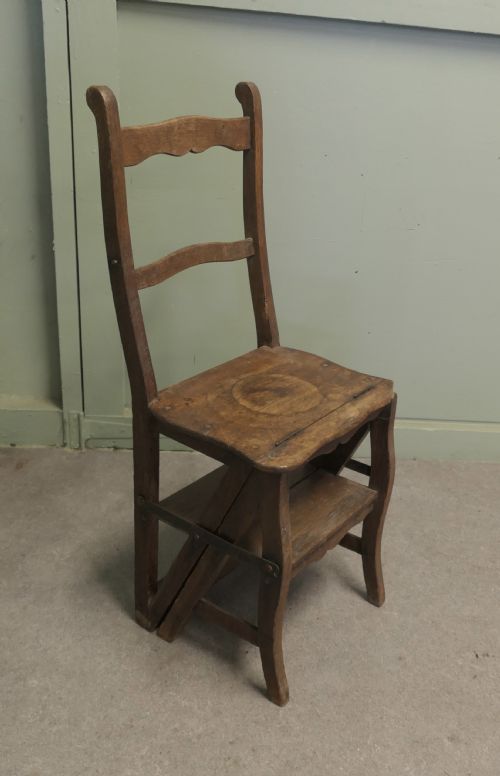
The selections on this page encompass armchairs and metamorphic step chairs, including high-backed rosewood examples, carved oak seating, and pairs built for traditional spaces.
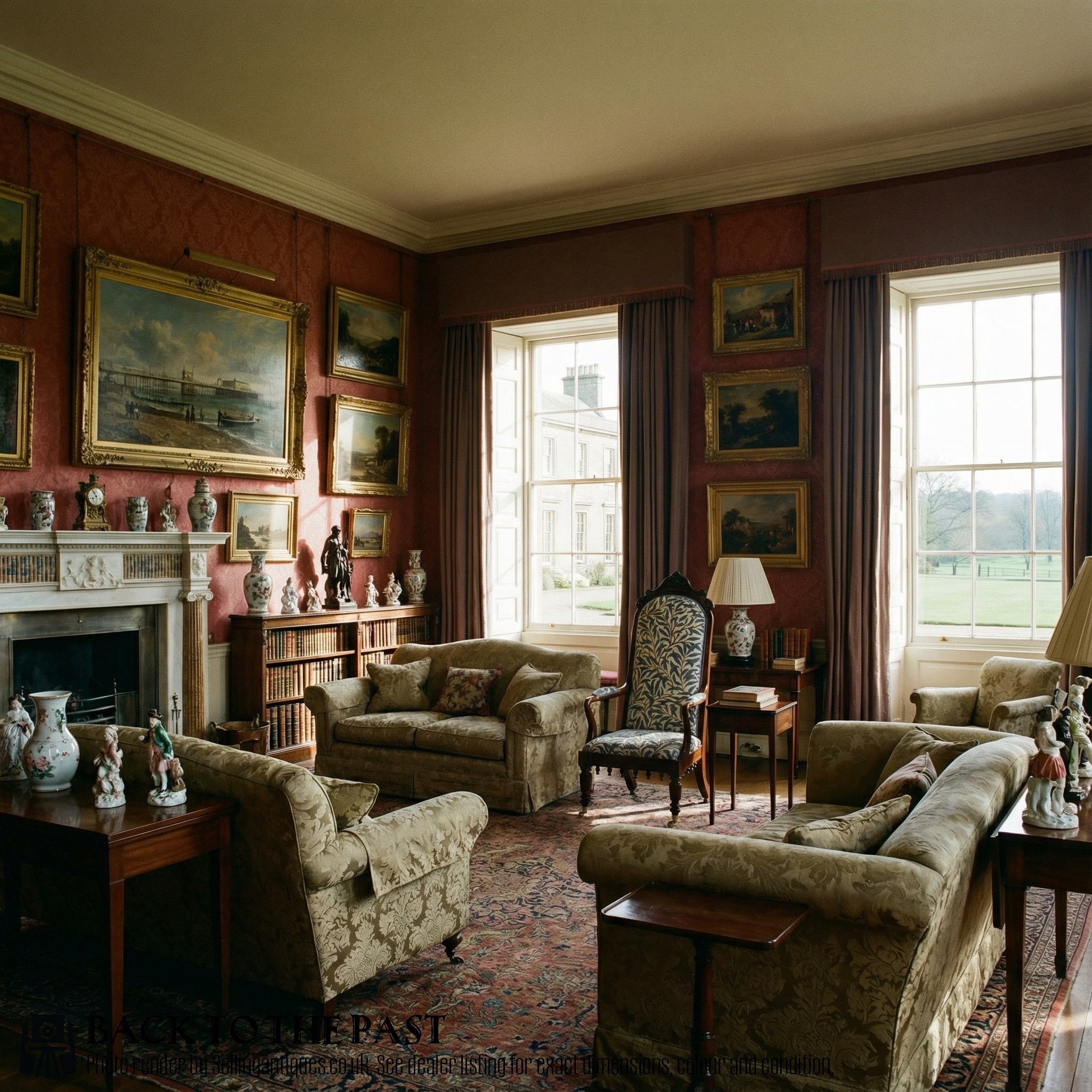
How they were made
Constructed primarily from solid timbers like mahogany, oak, and rosewood, these chairs rely on dense grain and deep natural colour for their visual presence. Metal elements such as brass and iron appear in structural fittings, hinges, and the mechanics of metamorphic forms.
Upholstery methods utilise traditional textiles including leather, calico, and other fabrics to pad the seats and backs, supporting long hours of use in the library.
Retail Price Guide 2026
Typical UK retail prices for dark wood library chair, calculated from the Sellingantiques database of over a million retail prices indexed since 2003. This retail price guide relies exclusively on Sellingantiques data; no external sources or auction records are used, so the figures do not describe the wider market.
Some chairs quietly double as wooden steps, ready to elevate a reader to the top shelf at a moment's notice.
What varies in quality
The distinction between standard examples and the finest pieces lies in the depth of timber carving and the precision of the joinery. Superior items exhibit carefully selected grain patterns and robust construction that withstands generations of reading.
Finer seating also integrates thoughtful mechanical design, particularly in metamorphic examples where the transition from chair to steps operates with smooth precision and secure locking.
Gillows
The Dark Wood Library Chair Glossary
- Regency
- A style and period spanning the early nineteenth century, known for classical restraint and elegant proportions in furniture design. Pieces from this era often feature refined mahogany frames.
- Metamorphic
- Furniture designed to transform from one object into another, such as a chair that unfolds into library steps. This clever engineering allowed practical utility in compact private libraries.
- Rosewood
- A dense, dark timber prized for its rich reddish-brown colour and dramatic dark grain figuring. It frequently appears in high-status nineteenth-century library seating.
- Vernacular
- Everyday utilitarian design rooted in local tradition rather than high academic style. English vernacular library chairs prioritise sturdy regional craftsmanship and honest materials.
Frequently Asked Questions
What is a metamorphic library chair?
A metamorphic library chair is a dual-purpose piece of furniture that conceals a set of steps within its timber frame. By unfolding the seat back or sections of the base, the reader gains safe elevation to reach upper bookshelves.
This clever design saved space in traditional libraries where books lined every wall up to the ceiling.
How do I identify a Regency library chair?
Regency library chairs date from the early nineteenth century and typically display classical lines, sabre legs, and dark mahogany frames. They often incorporate subtle brass mounts or understated carving rather than heavy ornamentation.
Examine the timber finish and structural proportions for the characteristic elegance of the period.
What woods were used for library chairs?
Cabinetmakers utilised dense hardwoods like mahogany, oak, and rosewood to ensure the chairs could endure heavy daily use. Mahogany and rosewood provided a rich, polished dark surface, while oak offered robust strength for carved vernacular frames.
These timbers age gracefully, deepening in colour over centuries.
How do I care for antique leather upholstery?
Maintain antique leather by keeping it away from direct sunlight and heat sources that dry out the material. Apply a specialist leather conditioner periodically to preserve flexibility and prevent cracking across the surface.
Dust regularly with a soft, dry cloth to protect the finish.