


Early Victorian Armchair
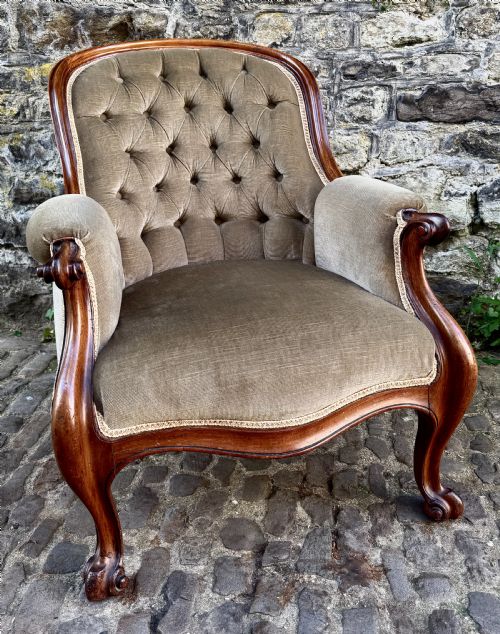
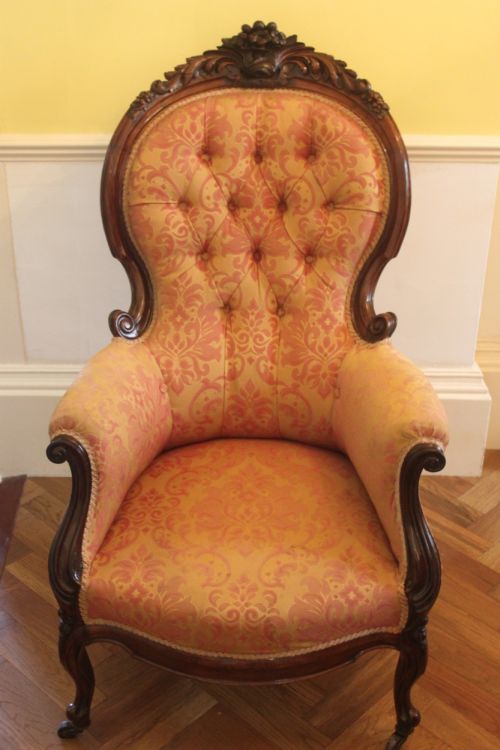
When you search for an early victorian armchair, you seek a sturdy seat from the mid nineteenth century crafted in rich timber and tailored upholstery.
Early Victorian Armchair
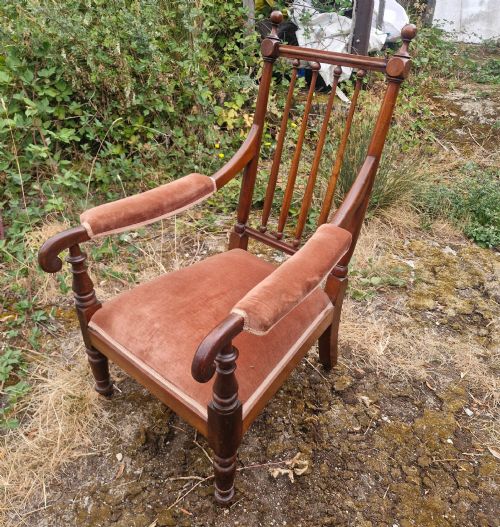
An early victorian armchair provides a substantial seat designed for libraries, parlours and drawing rooms during the middle years of the nineteenth century. These chairs often appear in formal mahogany, rosewood or walnut alongside country variations in ash, elm and yew.
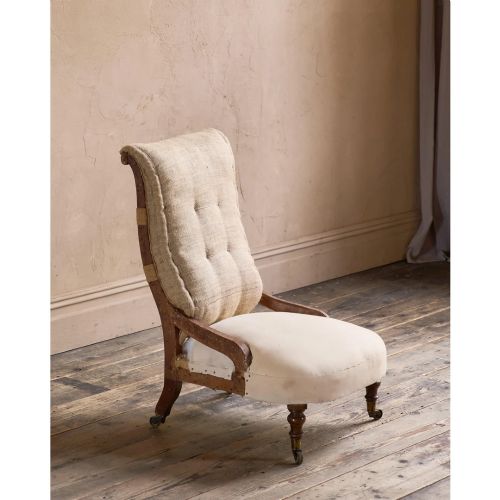
The selections span library armchairs, gentleman's chairs, button-backed salon seats and low nursing chairs. Buyers also encounter sturdy Windsor forms and child-sized iterations built for domestic utility.
How They Were Made
Cabinetmakers shaped dense hardwoods such as mahogany, rosewood and walnut into curved frames, scroll arms and carved details. Regional makers turned ash, elm and chestnut to construct robust spindle and comb back chairs.
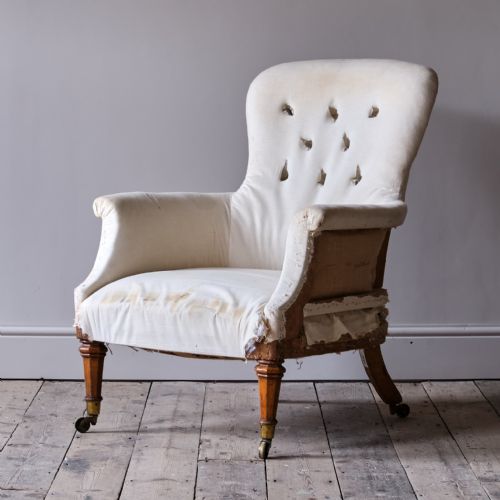
Upholstery relied on traditional stuffing secured with hessian and calico, finished in velvet, tapestry, leather or ticking. Brass castors and tacks frequently completed the heavy wooden framework.
Early Victorian Armchair Retail Price Guide 2026
Typical asking prices for early victorian armchair among the pieces listed under this phrase on Sellingantiques today, from the lower quarter to the upper quarter. They describe what is for sale here now, not the wider market.
The inventory bridges multiple styles including Regency, William IV, Gothic Revival and Rococo Revival.
What Varies in Quality
Quality rests on the integrity of the timber frame, the crispness of any carved or turned detail and the retention of original upholstery foundations. Refined rosewood library chairs with intact buttoning sit at the sophisticated end of the range.
Simpler country items built from ash and elm display regional hand-turning without elaborate show wood. The balance between structural joinery and surviving fabric defines each specific example.
Howard and Sons·Gillows
The Early Victorian Armchair Glossary
- Spoon Back
- An upholstered chair back shaped like the bowl of a spoon to fit the human spine. This contour became popular in mid nineteenth century parlor seating.
- Button Back
- An upholstery style where depressions are formed by pulling stitches through the padding into fixed points. This technique secures deep horsehair stuffing in place.
- Windsor Chair
- A wooden seat constructed with individual spindles inserted into a solid carved wooden seat. These traditional chairs often combine ash, elm and yew.
- Scroll Arm
- An armchair arm carved or bent into a sweeping outward curve resembling a scroll. This profile appears frequently on mahogany library chairs.
- Library Chair
- A heavy, deep-seated armchair designed for reading rooms and studies. These pieces frequently feature leather upholstery and robust timber frames.
Early Victorian Armchair: Frequently Asked Questions
Where were these armchairs used?
These seats furnished diverse rooms across nineteenth century homes, from formal libraries and drawing rooms to private bedrooms and parlours. Library chairs served studies, while smaller slipper chairs suited dressing spaces.
Country houses utilised robust Windsor and spindle back chairs in kitchens and halls. Children's variants provided scaled-down seating for nurseries.
Are these chairs comfortable for daily use?
Many models offer deep padding and supportive sprung or stuffed backs suited for relaxed sitting. Gentleman's chairs and library armchairs were specifically engineered for extended periods of reading.
Older upholstery may require professional restoration to restore optimal support. Once refreshed, they function reliably as everyday seating.
What fabrics were originally used?
Original coverings included woven tapestry, rich velvet, patterned ticking and durable leather. Underneath these display fabrics, makers utilised calico and hessian to contain internal stuffing.
Many surviving pieces retain later reupholstery while keeping their historic timber frames intact. Ticking remains closely associated with specific maker workshops from the period.