


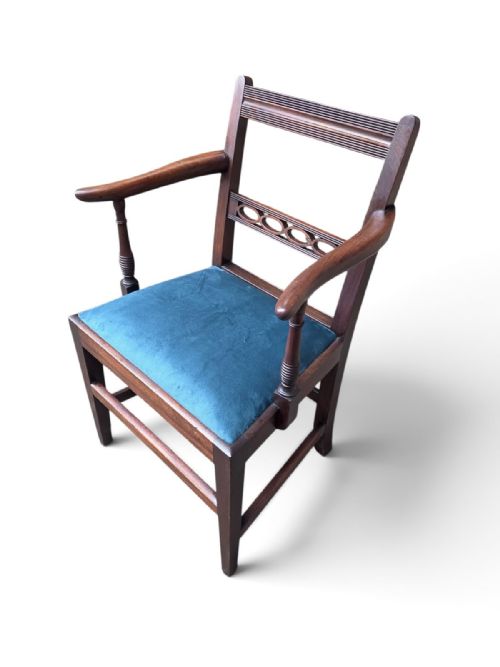
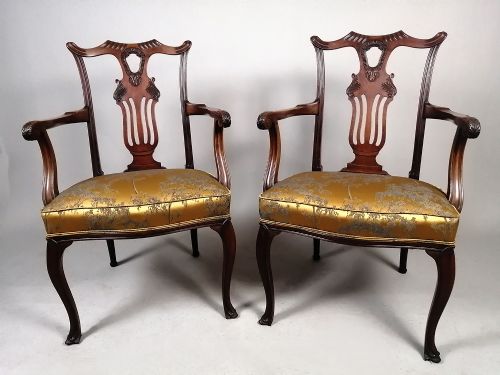
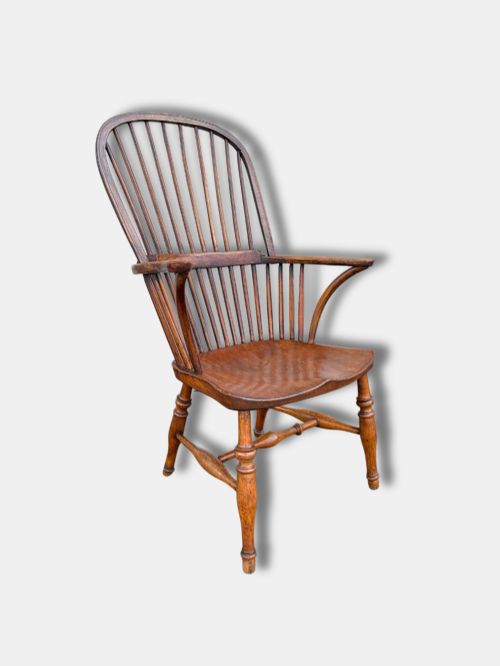
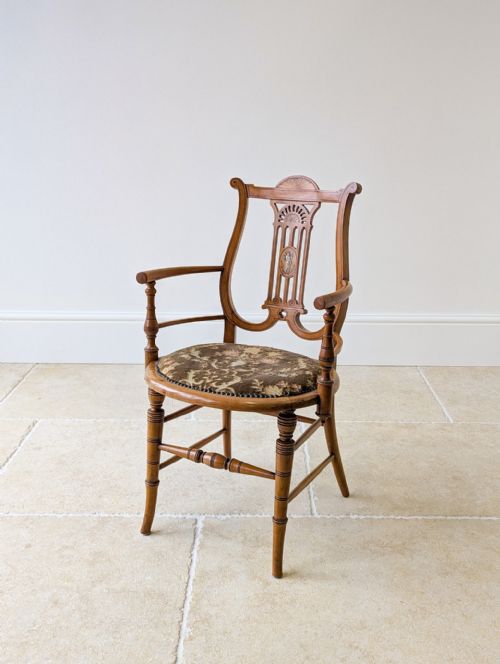
Victorian Elbow Chair
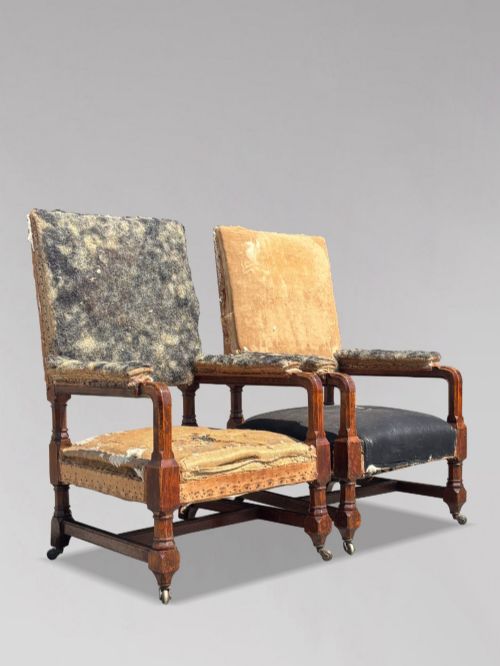
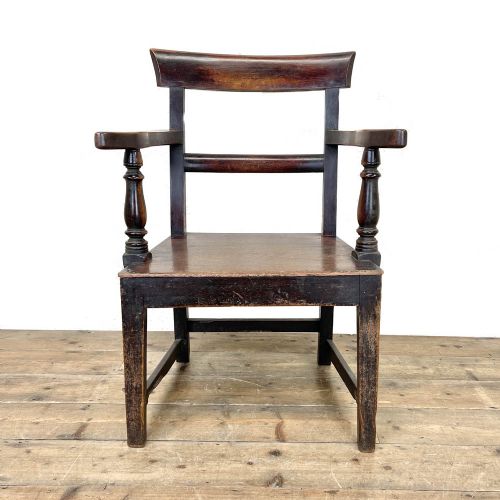
A victorian elbow chair offers substantial nineteenth-century seating, combining sturdy timber frames with supportive armrests for practical everyday use.
Victorian Elbow Chairs
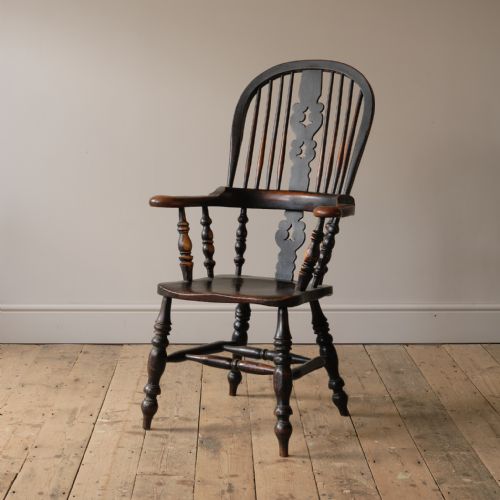
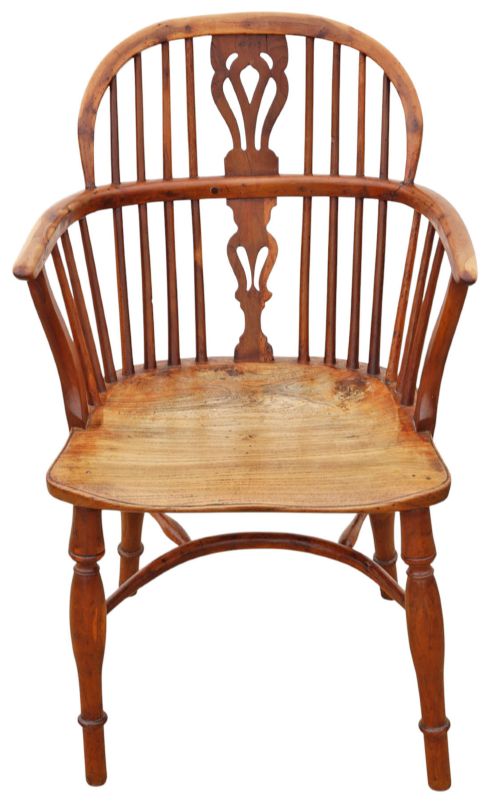
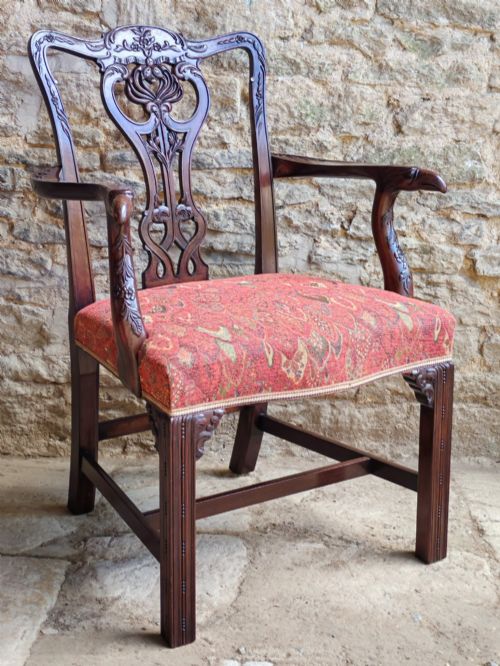
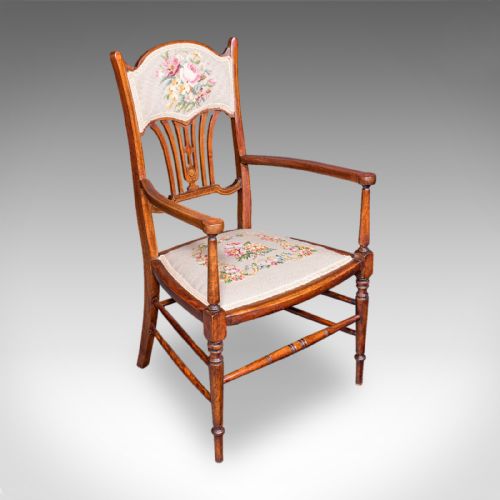
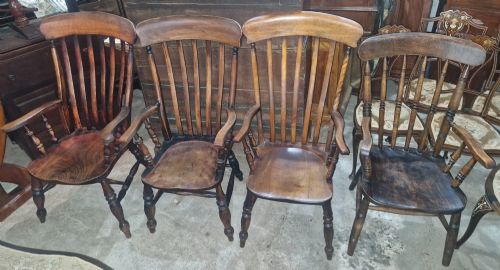
A victorian elbow chair encompasses a diverse group of nineteenth-century seating, ranging from formal mahogany and rosewood open armchairs to robust country Windsor, smoker's bow, and captain's chair variants. These pieces serve as functional seats with dedicated armrests, designed for libraries, offices, morning rooms, and country homes.
The selections span from early nineteenth-century examples dated around eighteen-hundred to later Victorian productions near nineteen-hundred. Buyers encounter refined spoon back and carved salon seats alongside utilitarian ash, elm, and beech desk or smoker's bow configurations.
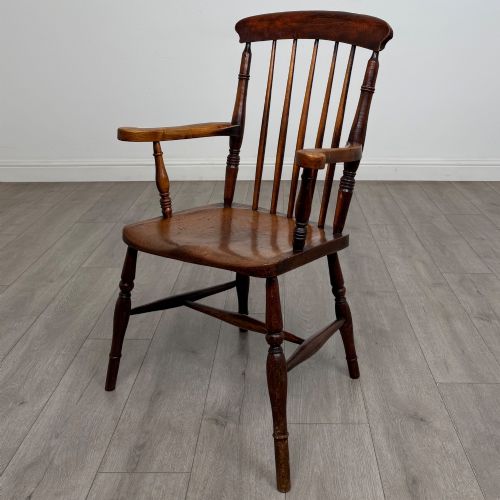
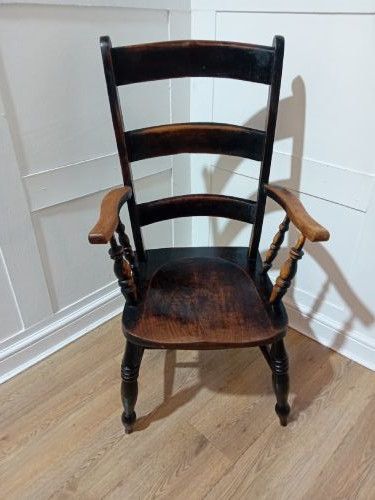
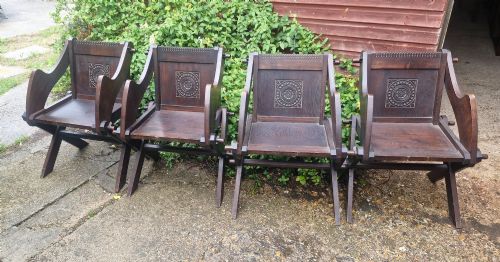
Regional British variations appear frequently throughout the records, including Lancashire rush seat carvers, Nottinghamshire stickback forms, Scottish oak chairs, and Oxford Windsor designs. French and occasional revival styles also emerge within the broader category of Victorian arm seating.
Construction and Materials
Frames rely heavily on traditional timbers such as mahogany, rosewood, walnut, oak, elm, ash, beech, fruitwood, yew, and occasional exotic or native woods. Artisans utilised these durable woods for structural integrity, turning spindles, steaming bow-backs, and carving decorative details.
Upholstered variants incorporate traditional stuffing materials secured by hessian and calico, finished with fine textiles, leather, velvet, or brass detailing. Wooden elements frequently display exposed joinery, turned stretchers, and pegged construction methods standard to nineteenth-century cabinet making.
Retail Price Guide 2026
Typical UK retail prices for victorian elbow chair, calculated from the Sellingantiques database of over a million retail prices indexed since 2003. This retail price guide relies exclusively on Sellingantiques data; no external sources or auction records are used, so the figures do not describe the wider market.
The listings demonstrate extensive use of native timbers, predominantly elm, ash, and beech, alongside imported mahogany and rosewood.
Judging Quality
Quality rests upon the selection of timber, the crispness of carved or turned details, and the structural integrity of the frame. Superior examples display dense, figured grain in woods like mahogany or rosewood, balanced proportions, and expert joinery that withstands centuries of use.
Maker attribution elevates certain pieces significantly, particularly documented workshops like Howard and Sons. Finer chairs demonstrate superior restraint in decoration, harmonious matching of secondary woods in Windsor forms, and well-executed historical revivals.
Howard and Sons
The Victorian Elbow Chair Glossary
- Elbow chair
- A general term for a seat equipped with armrests, bridging the gap between a side chair and a full armchair.
- Smoker's bow
- A low-backed, sturdy wooden armchair with a continuous curved armrail, commonly used in offices and smoking rooms.
- Windsor chair
- A chair built with a solid wooden seat into which the legs, back spindles, and bow are separately bored and wedged.
- Carver
- A traditional British term for an armchair, often matching a set of smaller dining or hall chairs.
- Spoon back
- A padded chair back shaped with an indentation mirroring the contours of the human spine, popular during the Victorian era.
Frequently Asked Questions
What is a smoker's bow chair?
A smoker's bow is a low wooden armchair featuring a rounded, continuous back rail and turned spindles, constructed for durability and comfort in offices or parlours.
These pieces typically utilise robust timbers such as elm, ash, and beech, making them resilient everyday seats.
How do I identify an early Victorian chair?
Early Victorian seating often displays transitional stylistic elements from the preceding Georgian era, including rich mahogany or rosewood veneers and restrained carving.
Dates around eighteen-forty frequently denote these earlier forms, distinguishing them from heavier, highly ornamented late-nineteenth-century productions.
Were these chairs used at desks?
Many elbow chairs, particularly captain's chairs and low-back Windsor designs, served functional roles in home offices and libraries.
Their sturdy wooden seats and supportive arms made them suitable for prolonged seating at nineteenth-century writing desks.
What woods were used in country chairs?
Country elbow chairs relied heavily on native British hardwoods such as elm, ash, beech, and yew for their superior bending and load-bearing properties.
Makers frequently combined multiple timbers within a single chair, using elm for solid seats and ash or beech for turned spindles and legs.