

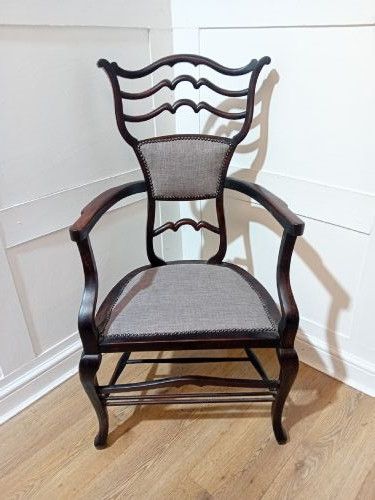
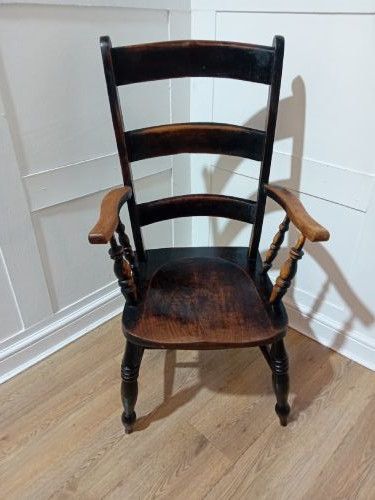
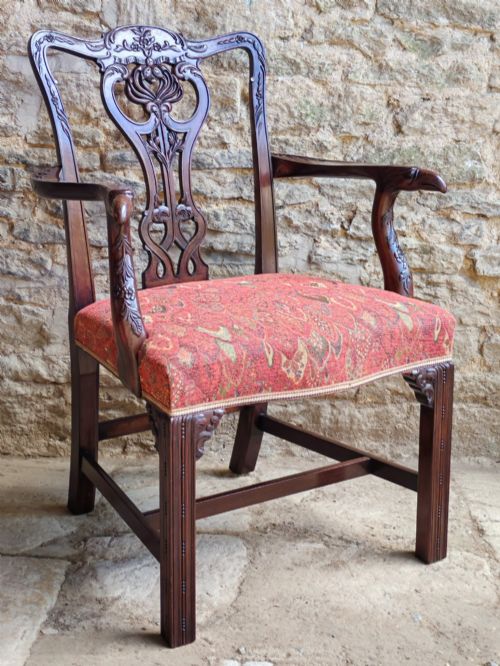
Antique Wooden Carver
An antique wooden carver provides a substantial seat with supportive armrests, blending sturdy craftsmanship with period character for everyday sitting.
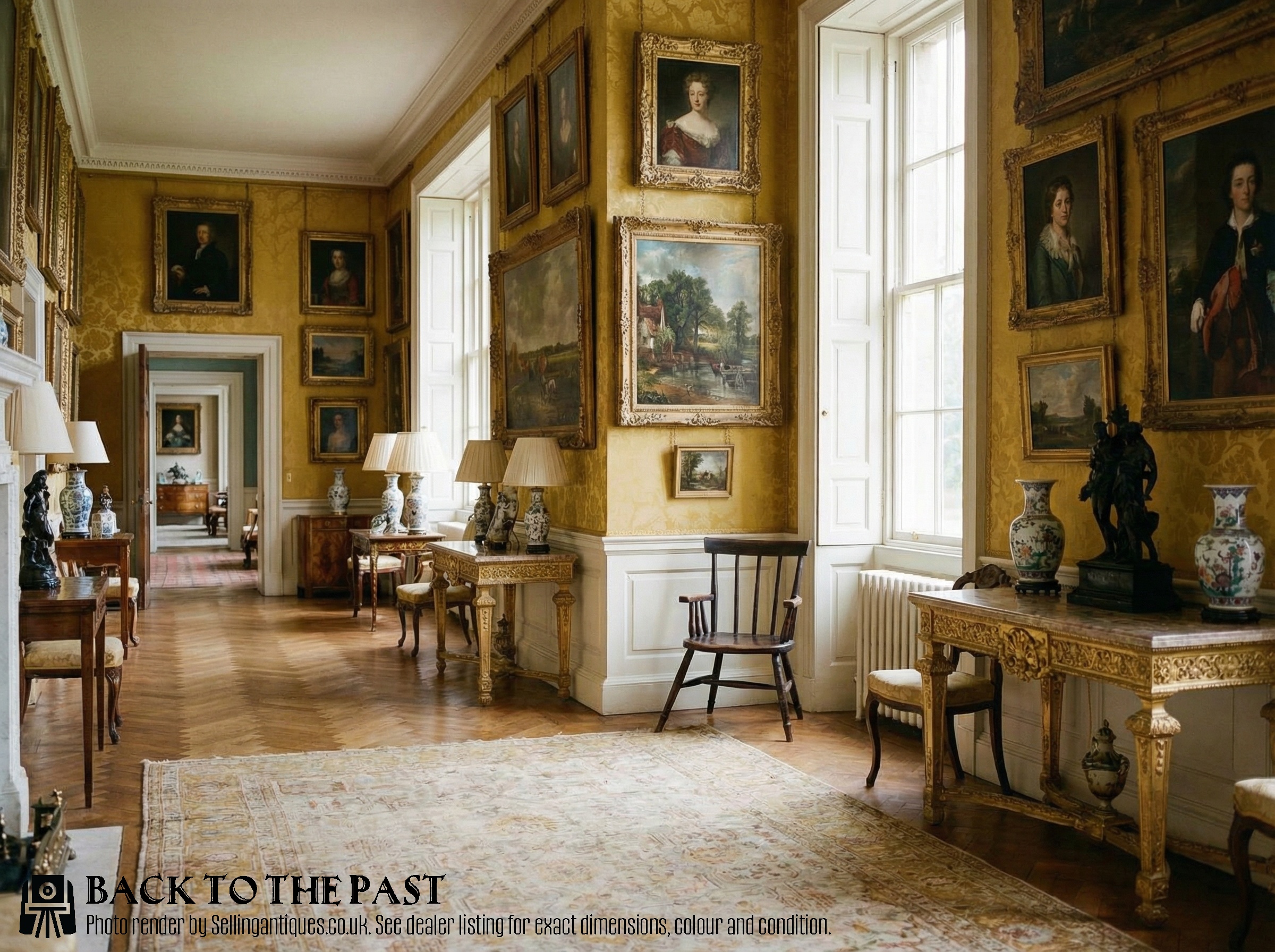
Antique Wooden Carver
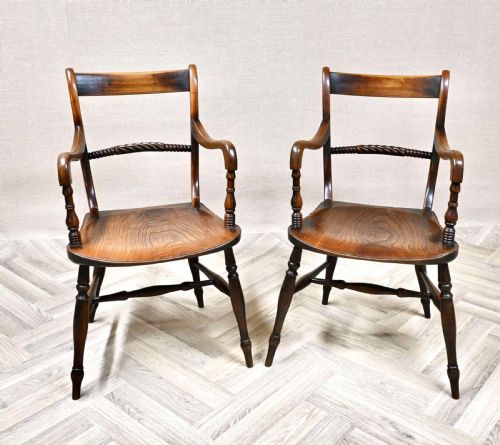
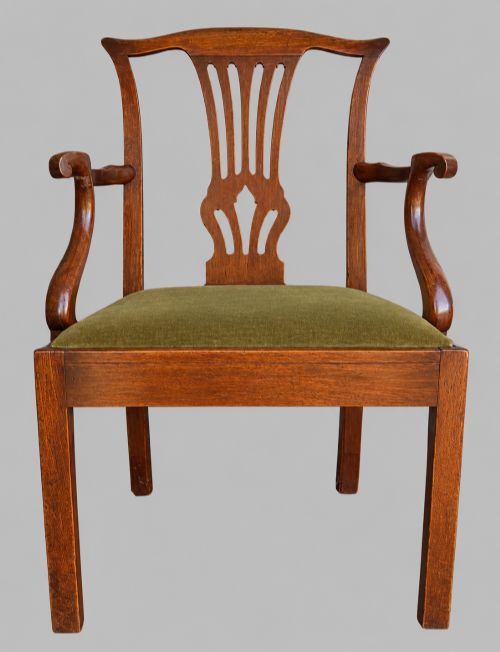
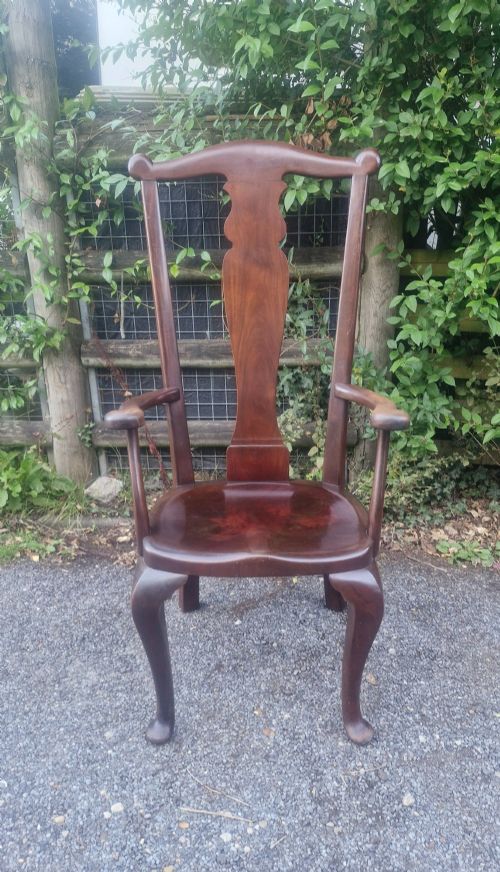
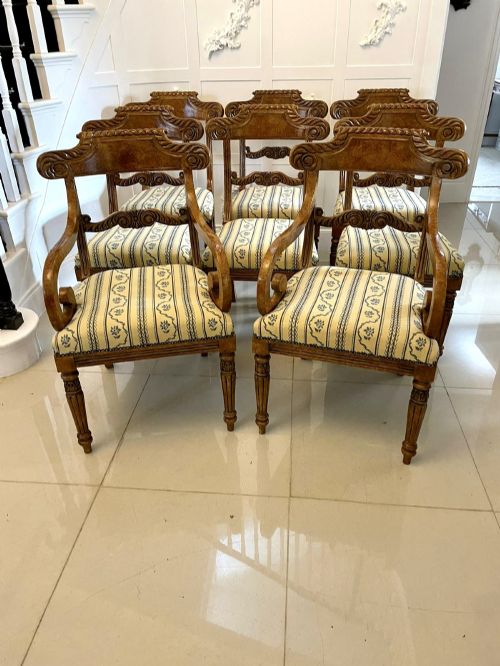
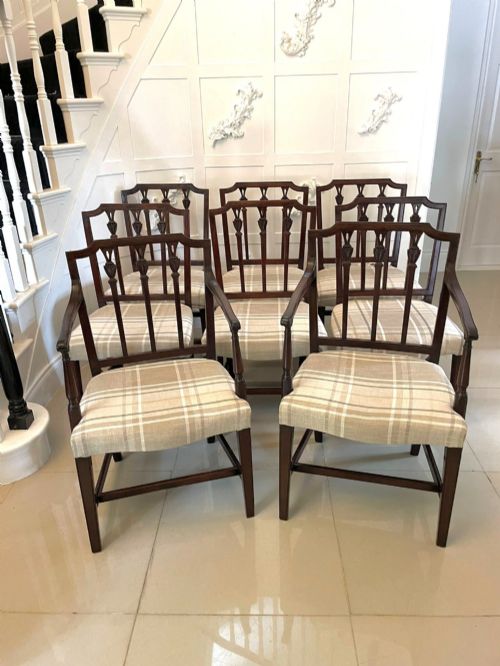
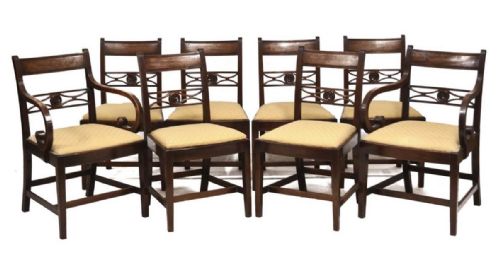
An antique wooden carver functions as an armchair intended for the head of a dining table or as a standalone desk chair. These sturdy seats emerge from periods ranging through the eighteenth, nineteenth, and early twentieth centuries, spanning Georgian, Victorian, Edwardian, and Arts and Crafts styles.
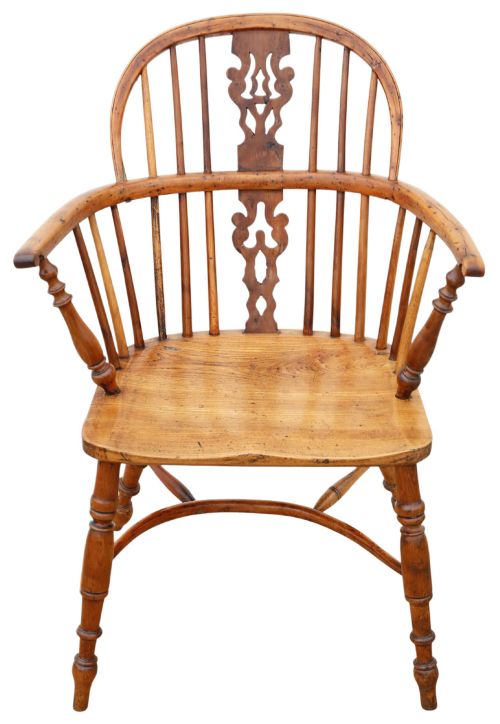
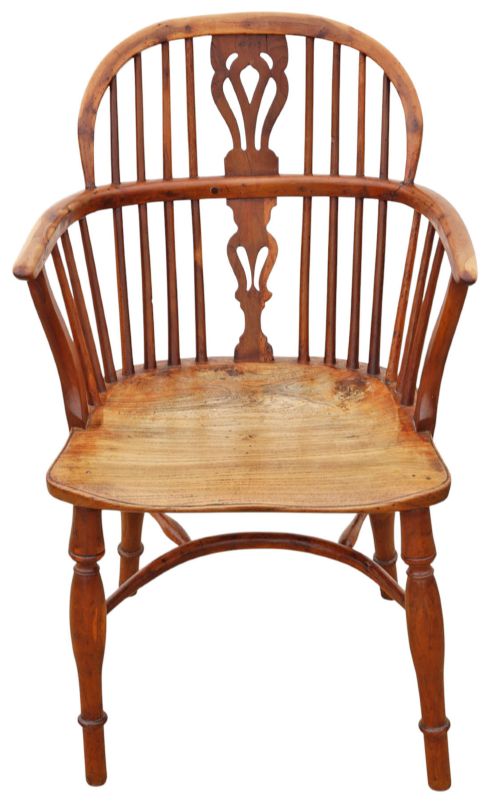
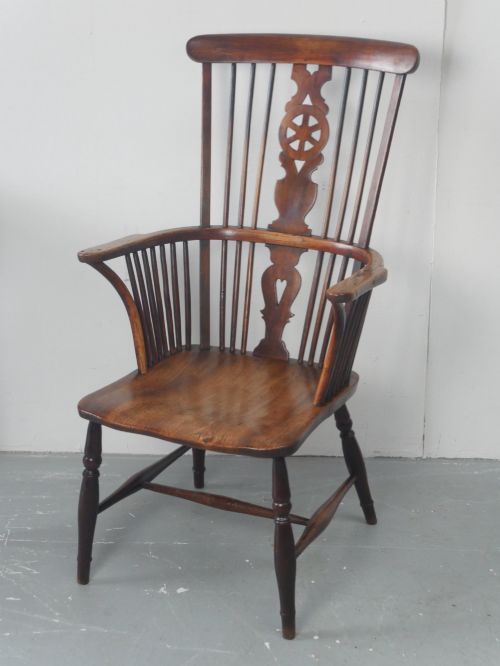
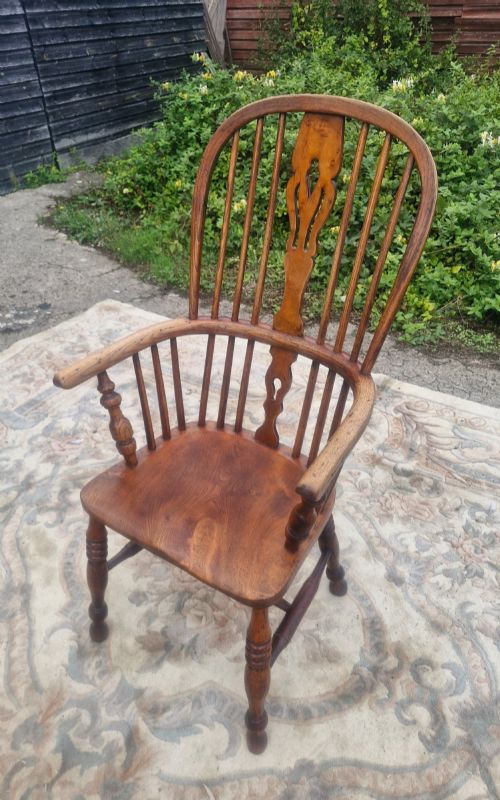
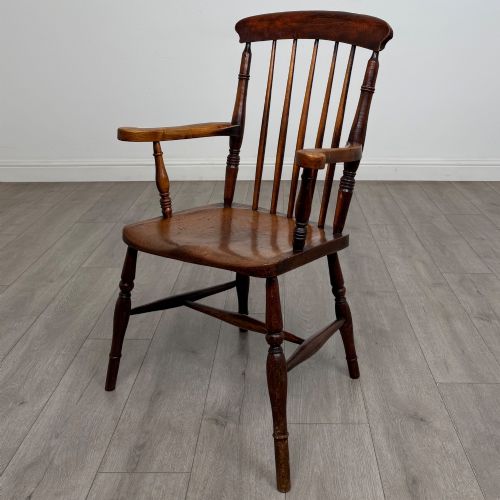
The most common examples met on this page include farmhouse and country Windsor armchairs alongside formal dining carvers. These pieces utilise traditional timbers and frequently feature open arms, spindle backs, or solid wooden seats designed for daily utility.
Makers and workshops constructed these chairs to serve practical household roles in dining rooms, libraries, and morning rooms. Their survival through multiple centuries demonstrates the enduring appeal of traditional timber seating in domestic interiors.
Materials and construction methods
Cabinet makers and country bodgers relied heavily on indigenous hardwoods such as mahogany, oak, elm, ash, beech, and fruitwood to build these chairs. Timber selection depended on the intended function, using dense mahogany for formal dining sets and flexible elm or ash for country Windsors.
Joinery methods combined traditional mortise and tenon joints, steam bending for curved backs, and turned spindles. Upholstered variants incorporated fabric, velvet, or rush seating supported by webbing and traditional stuffing materials.
Antique Wooden Carver Retail Price Guide 2026
Typical asking prices for wooden carver among the pieces listed under this phrase on Sellingantiques today, from the lower quarter to the upper quarter. They describe what is for sale here now, not the wider market.
Listings feature mahogany, elm, oak, ash, and beech across periods from the seventeenth century through the Edwardian era.
Judging quality and character
The distinction between standard utility seating and superior examples rests in timber selection and the crispness of carved details. Fine items display carefully figured mahogany grains or well-turned spindles that remain tight and true after generations of use.
Proportion and comfort also dictate quality, where well-balanced arm heights and ergonomic back angles reveal the maker's skill. Original surface finishes and minimal timber replacement elevate the desirability of surviving pieces.
Howard and Sons·Liberty Morris And Co·Philip Clissett
The Antique Wooden Carver Glossary
- Carver
- An armchair designed to match a set of dining chairs, traditionally placed at the head of a table. These seats feature supportive armrests while sharing the stylistic traits of the accompanying single chairs.
- Windsor
- A traditional wooden chair built with a solid sculpted seat into which the legs and back spindles are wedged directly. Country variants often combine elm seats with ash or yew superstructures.
- Chippendale
- A style of eighteenth-century furniture named after designer Thomas Chippendale, characterised by interlaced ribbon backs and cabriole legs. These formal mahogany chairs reflect classical Georgian design principles.
- Rush seat
- A bottom woven from dried marsh rushes tightly wound around a wooden frame. This technique creates a resilient and textured seating surface found frequently on country and Arts and Crafts chairs.
- Ladderback
- A chair back constructed with horizontal slats or rails positioned between two vertical uprights. This vernacular form dates back centuries and appears across various regional English woodworking traditions.
Antique Wooden Carver: Frequently Asked Questions
How do I identify a country Windsor carver?
Country Windsor carvers feature a distinct construction where turned spindles and arched backs fit directly into a thick wooden seat. They often combine different timbers, such as elm for the seat and ash for the bentwood bow.
These rustic chairs lack upholstery and rely on the natural grain of the wood and the comfort of a dished seat. Their robust build suits farmhouse kitchens and informal reception rooms.
What is the difference between a carver and a dining chair?
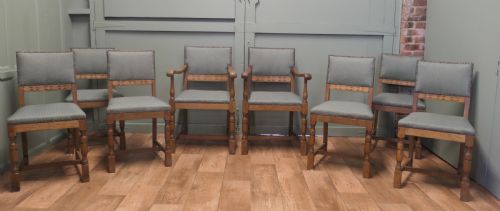
A carver includes armrests for added comfort, whereas standard dining chairs remain side chairs without arms. Sets of dining chairs often included two matching carvers for the heads of the table.
This pairing allowed hosts to sit with greater support during long meals while maintaining a uniform decorative scheme in the dining room.
How should I care for antique wooden carvers?
Maintain wooden carvers by keeping them away from direct heat sources and sudden humidity changes that cause timber to split. Apply microcrystalline wax periodically to nourish the surface finish and protect the grain.
Avoid using modern chemical sprays, which can degrade antique polishes over time. Gentle dusting with a soft cloth preserves the original patina of the wood.
Are these chairs suitable for daily use?
Many antique wooden carvers remain structurally sound for everyday seating if the joints stay tight and stable. Solid timber frames and sturdy construction allow them to withstand regular domestic life.
For pieces with upholstered or rush seats, occasional professional maintenance ensures the support materials remain intact during use.
How can I date an antique wooden carver?
Dating relies on examining the timber species, joinery techniques, and stylistic markers associated with specific historical periods. For example, mahogany ribbon backs suggest eighteenth-century Georgian design, while rush seats and plain oak point toward Arts and Crafts influence.
Tool marks left by hand saws and lathes also provide clues about the era in which the chair was constructed.