



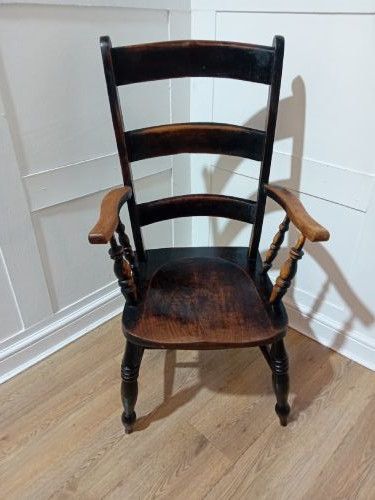
Traditional Country Chair
A traditional country chair brings solid vernacular timber seating into a room, offering sturdy construction and honest rural craftsmanship.
Traditional Country Chair
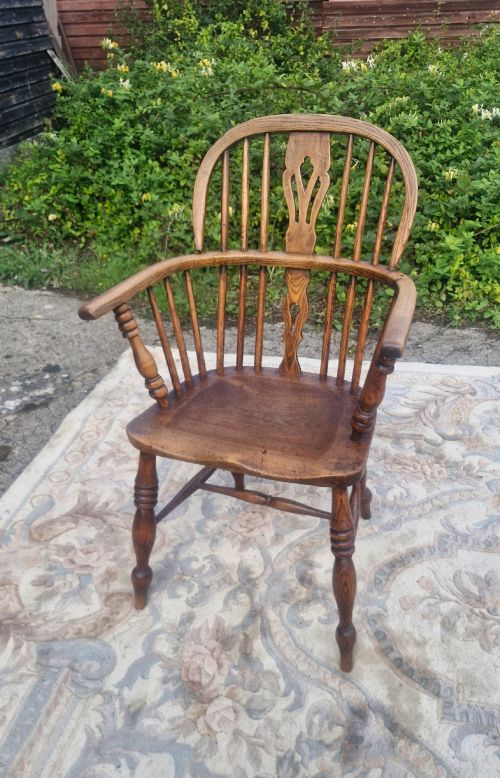
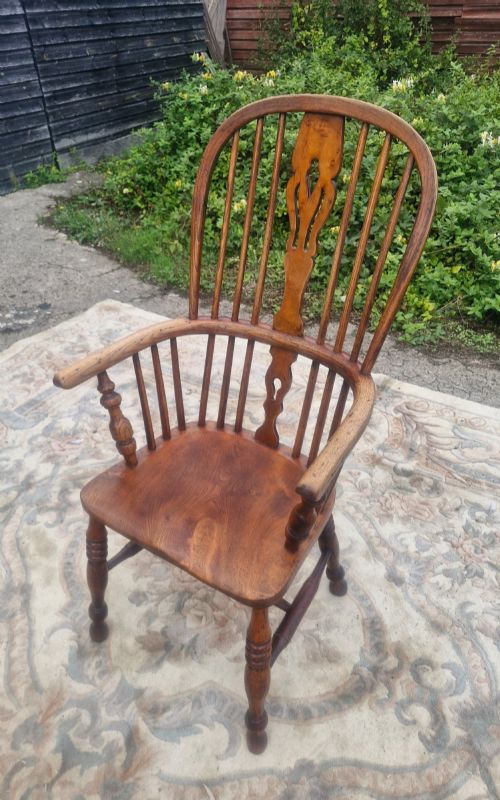
A traditional country chair encompasses practical vernacular seating built across the eighteenth, nineteenth, and early twentieth centuries. These pieces serve everyday domestic life in farmhouses, kitchens, and cottages rather than formal drawing rooms.
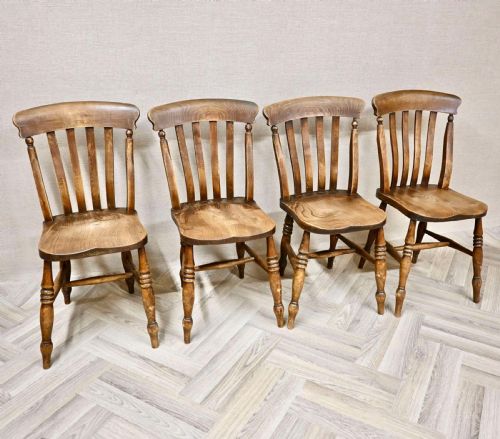
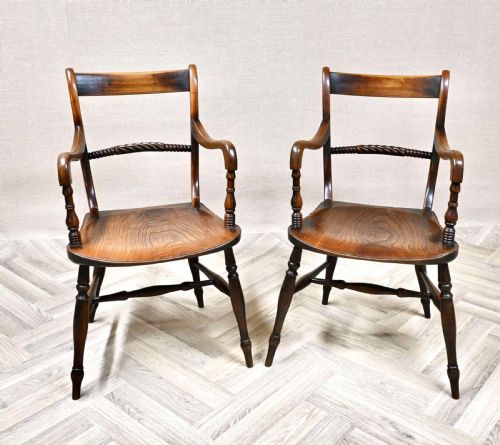
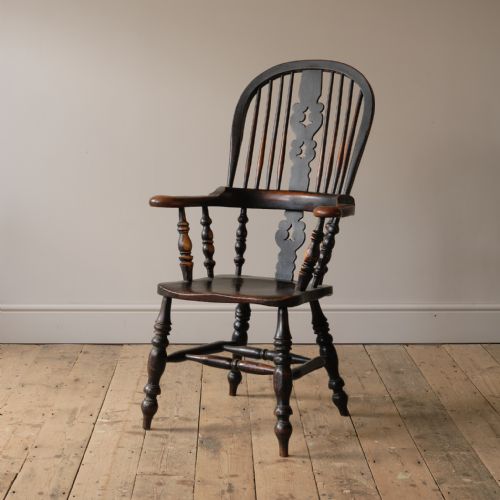
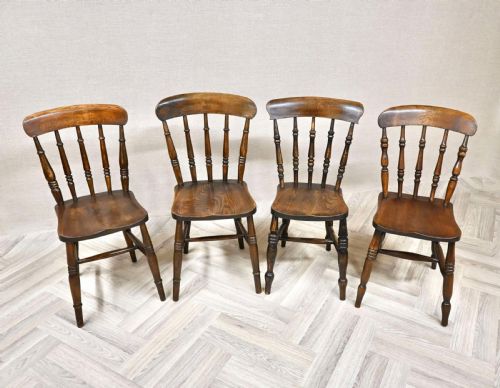
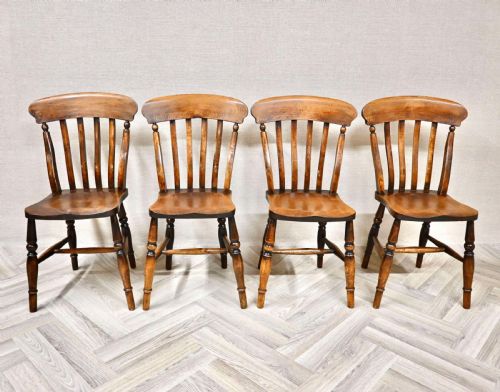
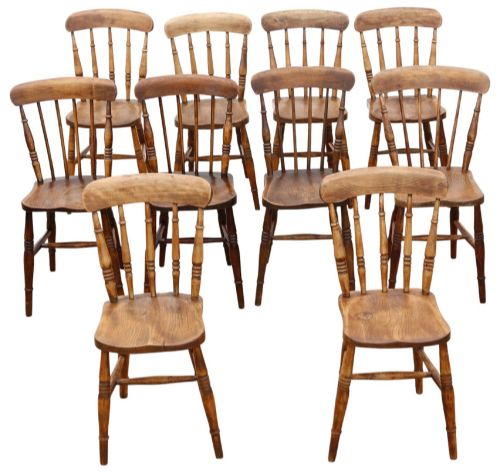
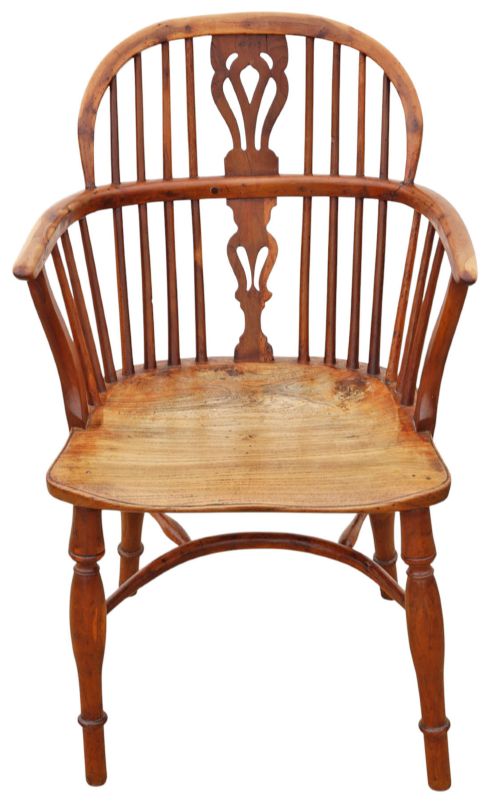
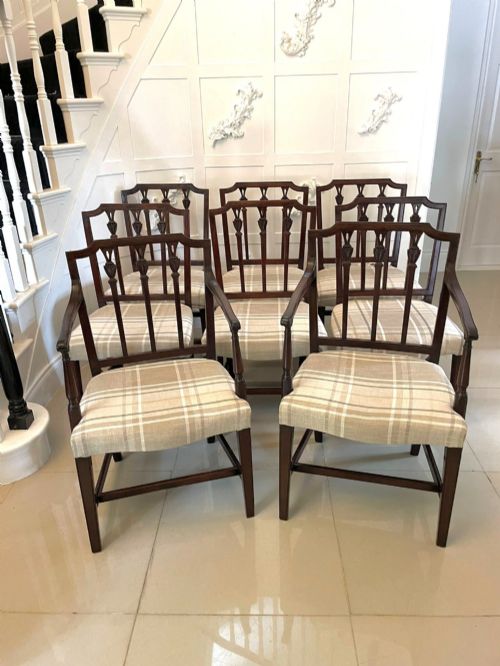
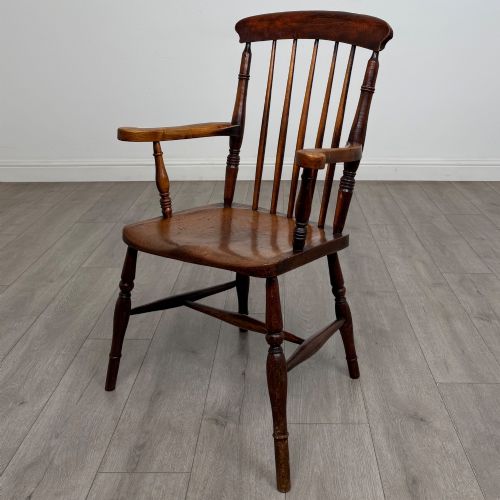
The version most commonly met on this page is the Windsor chair, alongside ladderback, spindle back, and lathback kitchen dining chairs. They appear in forms ranging from single armchairs and carvers to large harlequin sets.
Materials span native timbers shaped by regional makers, reflecting the utilitarian needs of rural households. Forms include low and high back armchairs, captains chairs, smokers bows, and occasional desk chairs.
How they were made
Makers utilised solid native timbers, most notably combining elm for comfortable saddle seats with ash, beech, and oak for turned spindles, legs, and bentwood bows. Yew also appears in finer Windsor armchairs, prized for its distinct grain and resilience.
Construction relies on traditional joinery methods such as wedged tenons and steam bending, allowing rigid frames to withstand daily use. Surfaces often retain original patinas developed through generations of domestic wear and polishing.
Traditional Country Chair Retail Price Guide 2026
Typical asking prices for traditional country chair among the pieces listed under this phrase on Sellingantiques today, from the lower quarter to the upper quarter. They describe what is for sale here now, not the wider market.
Listings feature eighteenth, nineteenth, and early twentieth-century periods, showcasing oak, elm, ash, beech, and mahogany timbers.
What varies in quality
Quality rests in the harmony of proportions, the depth of the sculpted seat, and the integrity of the timber figure. Finer examples display carefully turned spindles and well-balanced bow backs that retain their original structural tension.
The presence of a rich, undisturbed patina distinguishes superior survivals from pieces stripped or overly restored. Variations also emerge in the choice of woods, where combinations of yew and elm elevate the piece above standard beech and elm kitchen seating.
The Traditional Country Chair Glossary
- Windsor chair
- A wooden chair built with a heavy solid timber seat into which the legs and back spindles are directly socketed. The design relies on a distinct hoop or comb back for support.
- Elm
- A tough native hardwood frequently selected for chair seats because its interlocking grain resists splitting under pressure. It yields a rich texture when polished.
- Lathback
- A chair back featuring flat wooden slats or laths arranged vertically between the top rail and the seat. This form provides sturdy support in kitchen and farmhouse seating.
- Patina
- The surface sheen and colour developed by wood over decades of handling, exposure to light, and waxing. It serves as a visual record of age.
- Carver
- An armchair designed in the style of matching dining chairs, traditionally placed at the head of a table. These pieces offer elbow rests for added comfort.
Traditional Country Chair: Frequently Asked Questions
How do I identify a Windsor chair?
A Windsor chair is distinguished by its thick solid wood seat, which acts as the central anchor for all other components. Legs and back spindles fit directly into drilled holes within this plank.
Traditional versions feature either a bentwood hoop or a stick back design, often incorporating an elm saddle seat shaped for comfort.
Were these chairs used only in kitchens?
While many examples served practical duties in farmhouses and kitchens around dining tables, heavier armchairs stood in parlours or studies. Smoker's bows and captains chairs provided robust seating in public houses and offices.
Regional variations like the Orkney chair offered shelter from drafts in domestic settings.
How should I care for antique elm and ash?
Keep wooden chairs away from direct heat sources and sudden temperature shifts to prevent timber shrinkage and splitting. Regular dusting and occasional applications of microcrystalline wax help maintain the finish.
Avoid heavy liquid polishes that can build up and dull the natural patina over time.
How do I date an older country chair?
Dating relies on examining construction techniques, tool marks, timber selection, and wear patterns on the seat. Earlier eighteenth-century pieces often show different turning profiles and wider plank construction compared to Victorian equivalents.
Nail types, joint construction, and signs of hand-shaping provide further clues to the period of origin.