


Hoop Back Chair
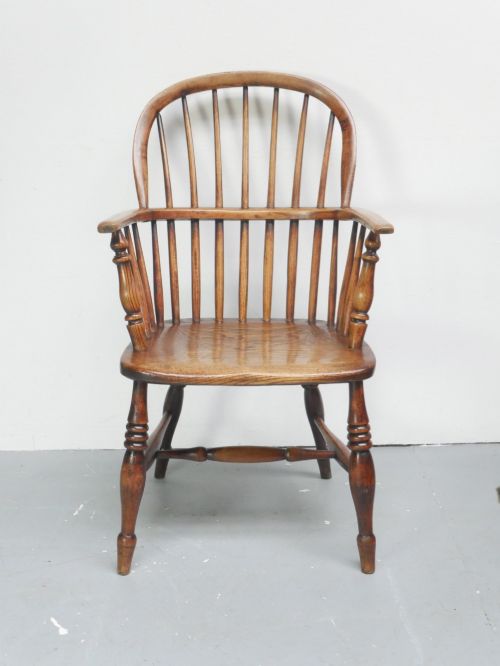
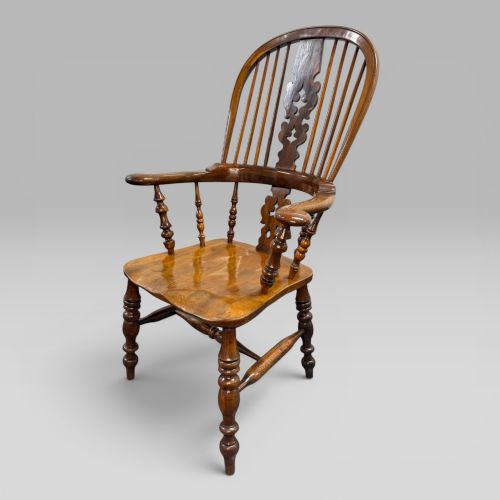
A hoop back chair is a robust country seating form offering solid timber construction and ergonomic curved backs.
Understanding the hoop back chair
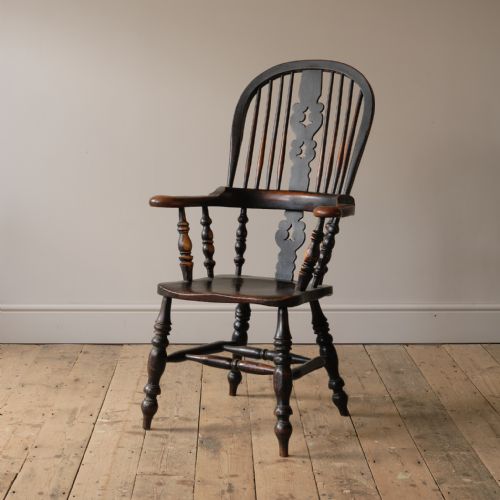
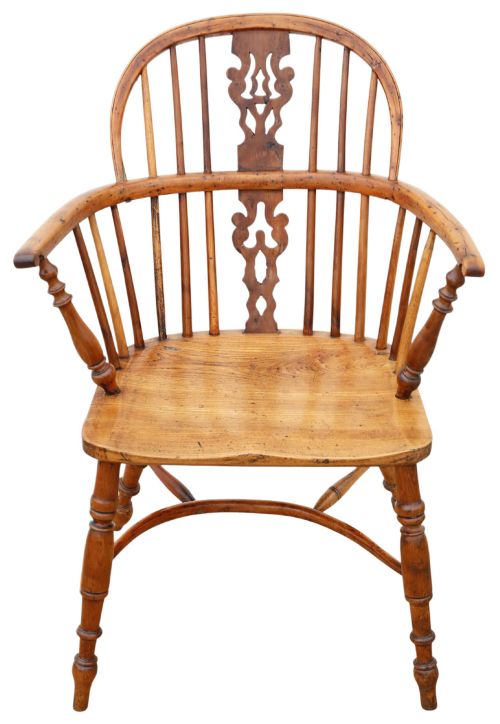
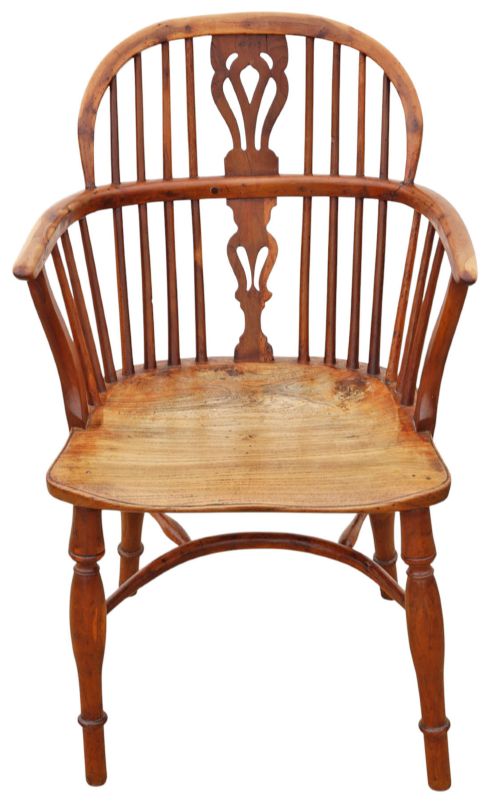
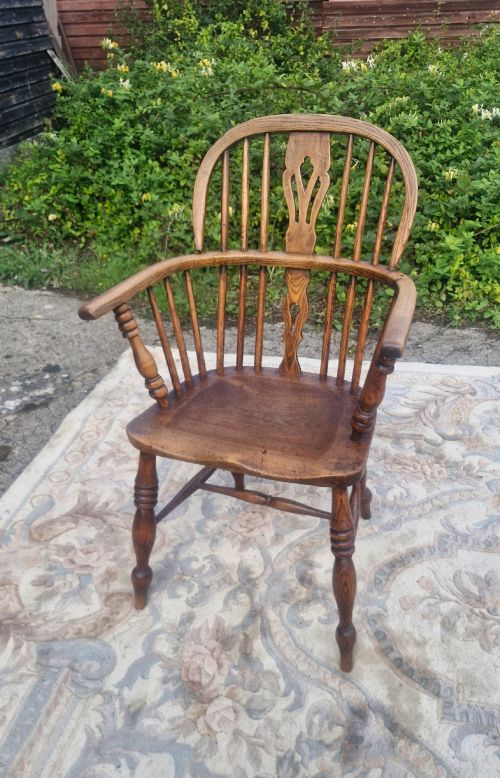
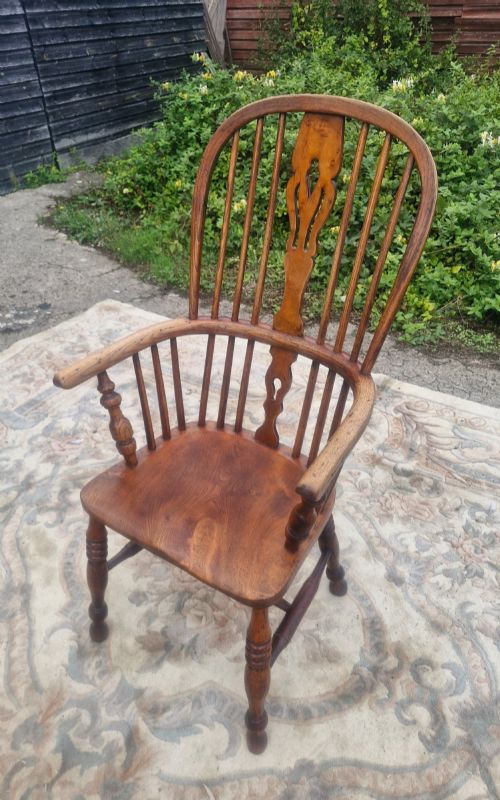
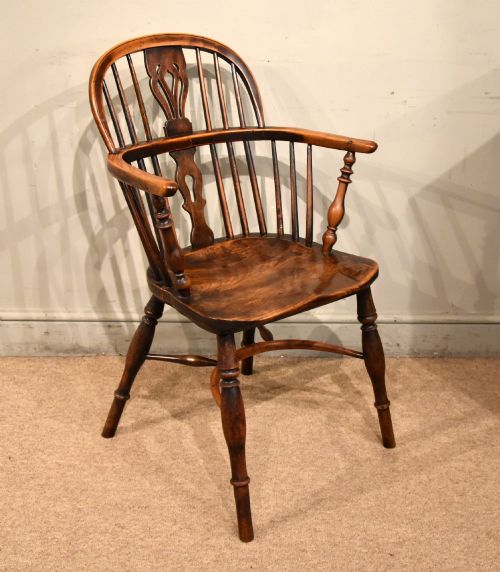
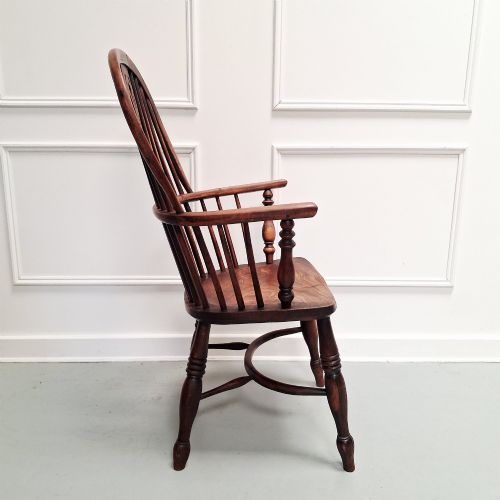
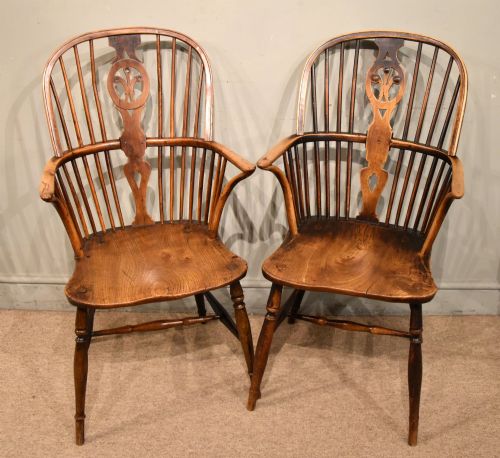
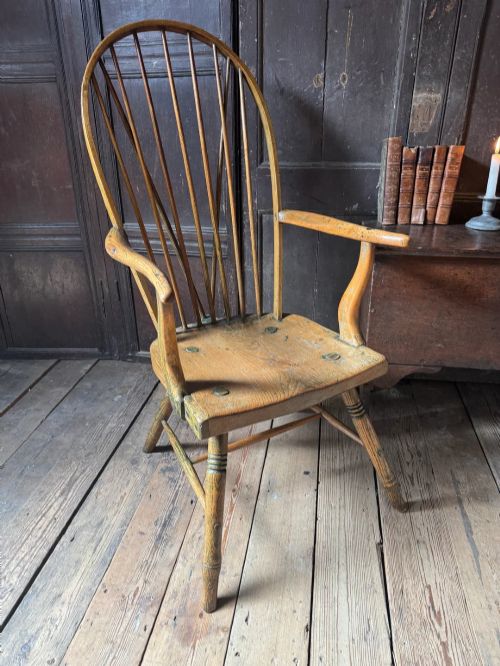
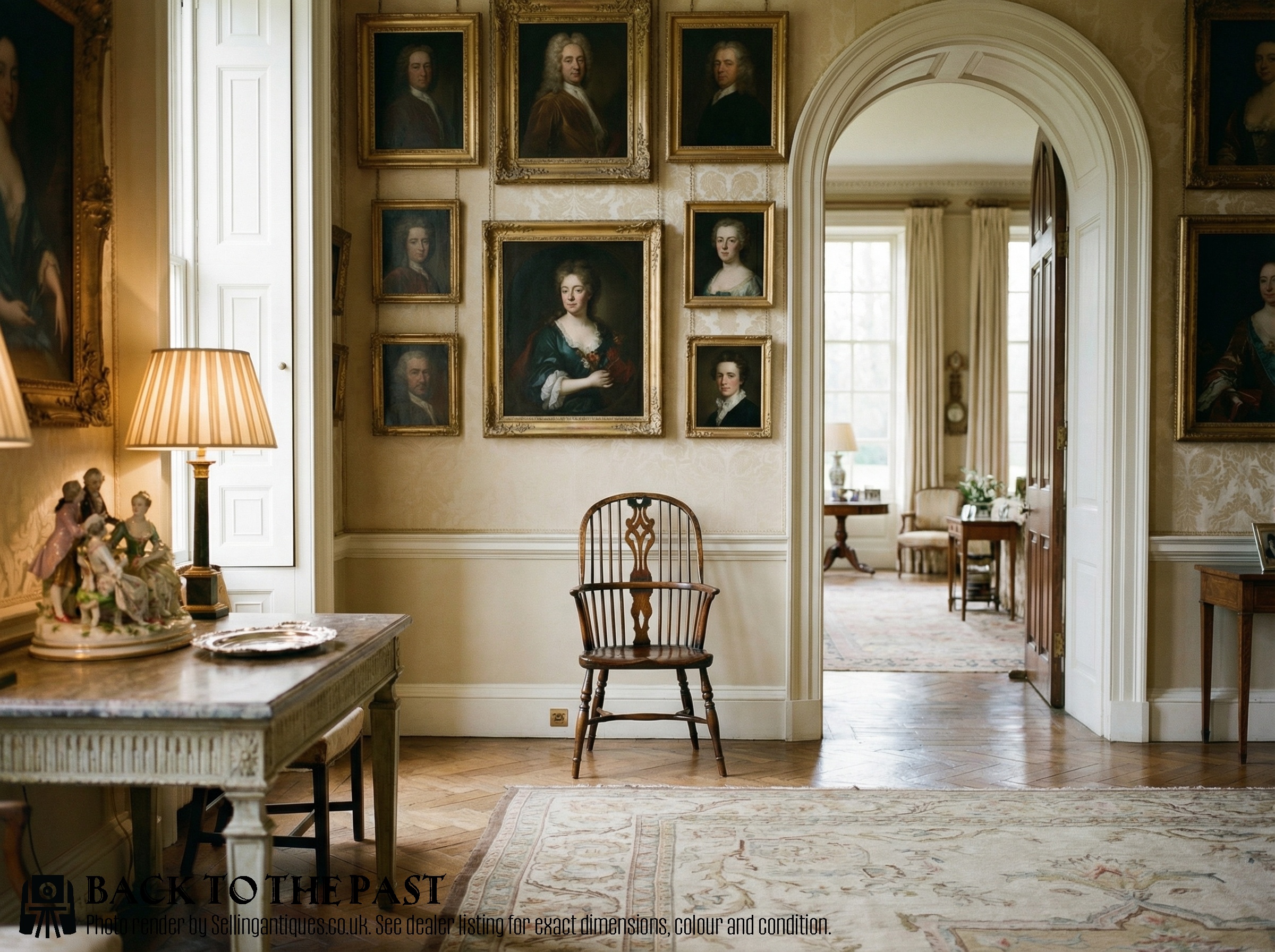
A hoop back chair represents a traditional vernacular seating design, frequently appearing as a Windsor arm or elbow chair from Georgian and Victorian country workshops. These pieces combine a continuous steam-bent wooden bow with a supportive vertical spindle arrangement to form the upper frame.
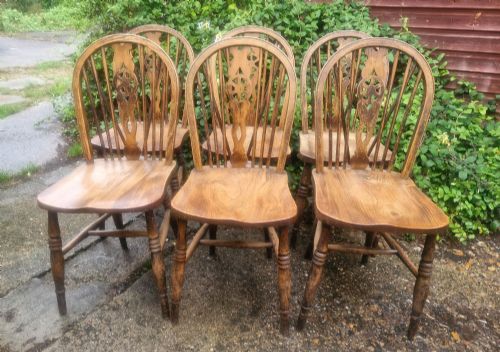
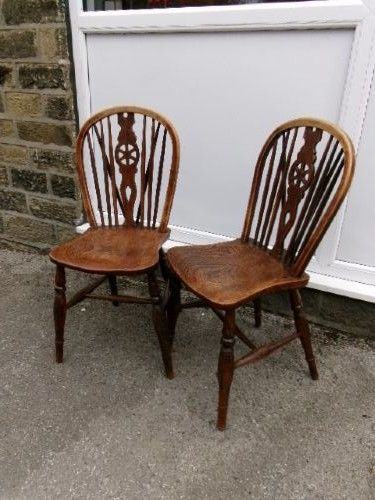
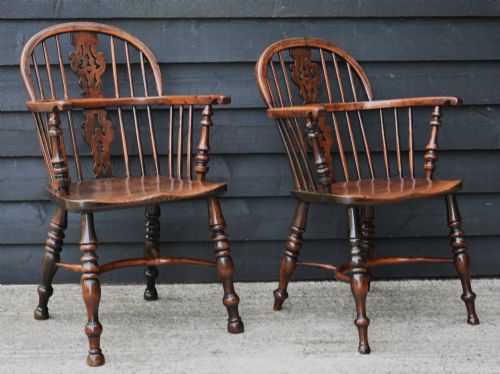
The evidence shows examples spanning the eighteenth and nineteenth centuries, originating from English regional centres including Yorkshire, the West Country, and Wales. Buyers encounter both single armchairs and matched or harlequin sets intended for kitchen and dining use.
Domestic settings receive these sturdy chairs for daily utility, where their combination of timber seats and spindle backs provides practical service. Individual child variants and taller formats also emerge within historical provincial groups.
Materials and construction methods
Maker construction relies on contrasting timbers for structural integrity, pairing resilient ash or beech for the bentwood hoops and spindles with elm for carved saddle seats. Yew wood also occurs in specific regional pieces, valued for its dense grain and warm tone.
Woodworking techniques involve steam bending thick lengths of ash or elm to create the signature continuous hoop, which joins directly into the solid wooden seat base. Traditional wedged tenon joints secure the undercarriage legs and arm supports without reliance on modern adhesives.
Retail Price Guide 2026
Typical UK retail prices for hoop back chair, calculated from the Sellingantiques database of over a million retail prices indexed since 2003. This retail price guide relies exclusively on Sellingantiques data; no external sources or auction records are used, so the figures do not describe the wider market.
Recorded listings show these chairs constructed from ash, elm, yew, beech, and oak across eighteenth and nineteenth century periods.
Distinctions in quality and finish
Quality differences emerge through timber selection and the complexity of the turned components, where finer examples display carefully sculpted arm terminals and deep-dished elm seats. The visual depth of the surface patina directly reflects decades of domestic use and polishing.
Structural refinement separates standard provincial items from superior regional pieces, visible in the symmetry of the steam-bent hoop and the precise taper of the turned spindle legs. Original timber matching across sets indicates greater workshop care during initial creation.
The Hoop Back Chair Glossary
- Hoop back
- A continuous bentwood frame forming the upper backrest and arm support of a Windsor chair. This steam-bent member distributes weight evenly across the structure.
- Windsor chair
- A wooden seating form featuring a solid plank seat into which the legs and back spindles are independently inserted. Regional English variations include low-back and stick-back formats.
- Elm
- A durable hardwood traditionally utilised for solid chair seats due to its interlocking grain which resists splitting. This timber takes a rich warm tone through age.
- Spindle
- A slender turned wooden upright positioned between the seat and the back bow. These elements provide ergonomic support.
- Patina
- The surface texture and sheen developed by aged wood through continuous handling and polishing over generations. This quality indicates genuine historical depth.
Frequently Asked Questions
What is a hoop back chair?
A hoop back chair is a traditional wooden seating form characterised by a continuous bentwood rail that frames the upper back and armrests. These pieces utilise a solid carved seat base combined with vertical turned spindles.
Historical examples originate primarily from nineteenth and eighteenth century English country workshops. They serve as functional dining and kitchen furniture.
How are these chairs constructed?
Construction involves combining different native timbers within a single frame, pairing steam-bent ash or beech hoops with dense elm seats. Artisans shape the components using traditional turning and wedged tenon joinery.
Underframes typically feature three or four splayed legs locked into the underside of the seat plank. This method creates a rigid and durable seating structure.
Which woods appear most often?
Extant pieces demonstrate a consistent preference for native hardwoods suited to steam bending and heavy domestic use. Ash and elm form the majority of recorded examples.
Yew wood and beech also appear in specific regional styles and dining sets. These timbers provide both structural strength and varied surface grain.
Are these chairs comfortable for daily use?
The ergonomic design of the curved back bow and the sculpted saddle seat provides natural support during extended sitting. Solid timber construction ensures high stability.
Many owners incorporate these pieces into modern dining spaces or kitchens. Their sturdy build suits continuous practical employment.
How do regional styles differ?
Provincial variations emerge through distinct turning patterns on the legs and arm supports, alongside regional preferences for specific timbers like yew or ash. Welsh and West Country pieces display local workshop traditions.
Certain areas produced specialised child variants or low-back formats. These stylistic details help identify the geographic origin of individual pieces.