

Ash Wooden Armchair
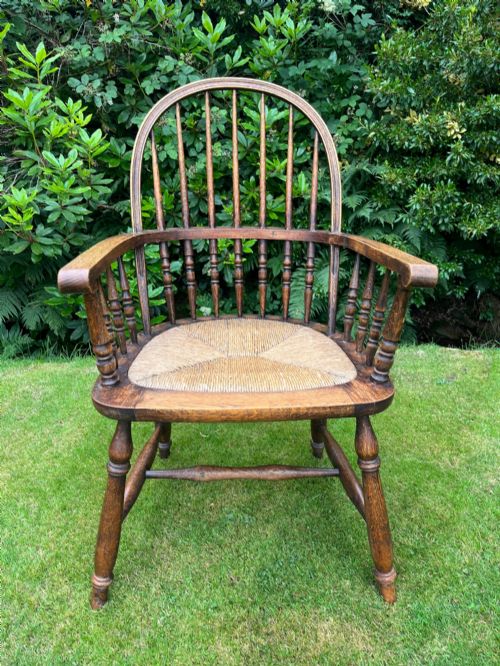
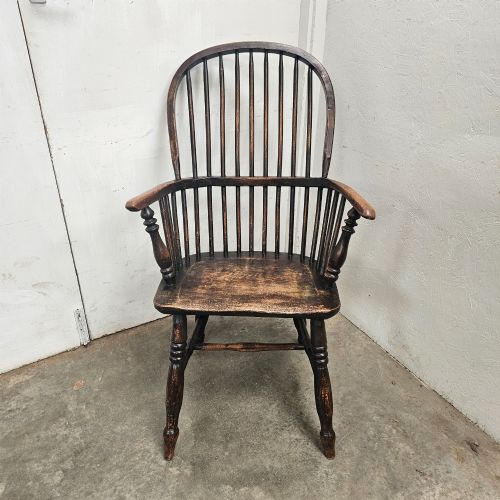
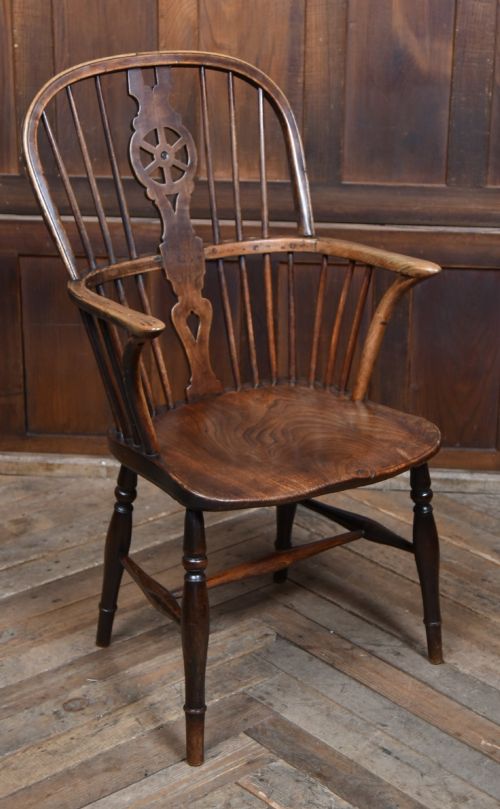
An ash wooden armchair brings sturdy rural character into a room through traditional vernacular construction.
Ash Wooden Armchair
When searching for an ash wooden armchair, buyers encounter a range of traditional seating forms rooted in English country and vernacular design traditions. The selection spans the eighteenth and nineteenth centuries, taking in periods such as the Georgian era, the Regency period, and the reign of Queen Victoria.
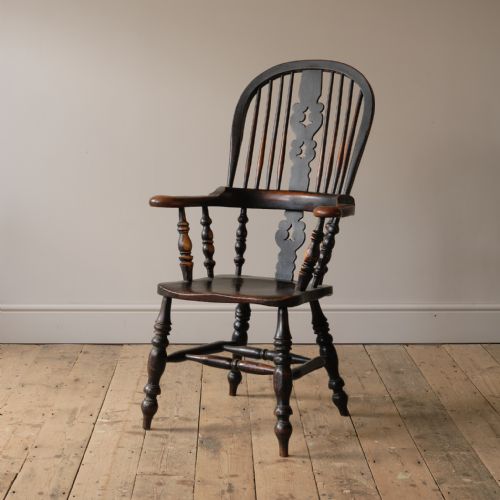
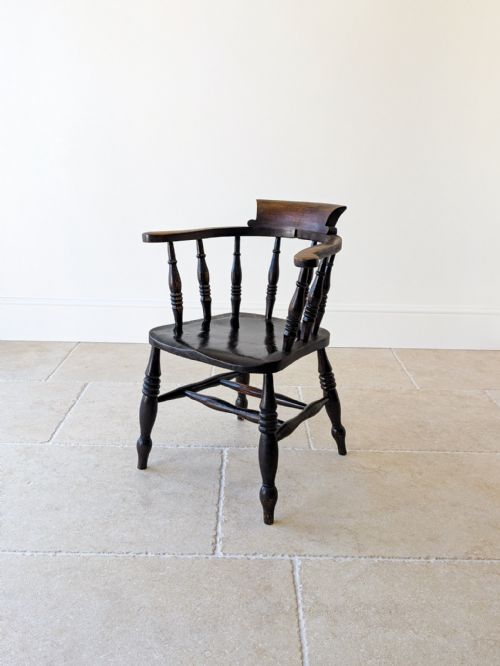
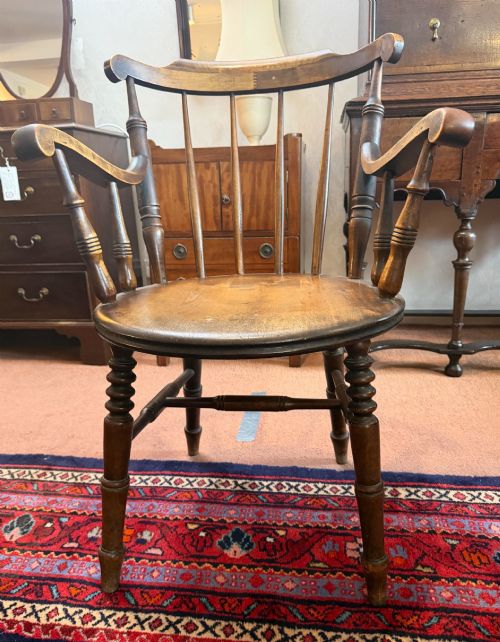
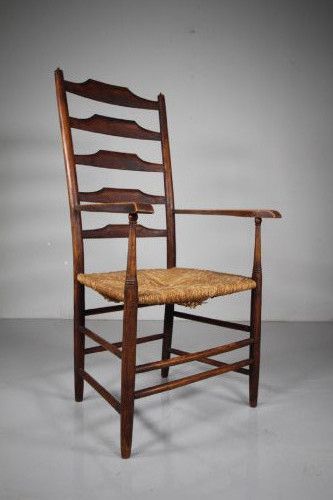
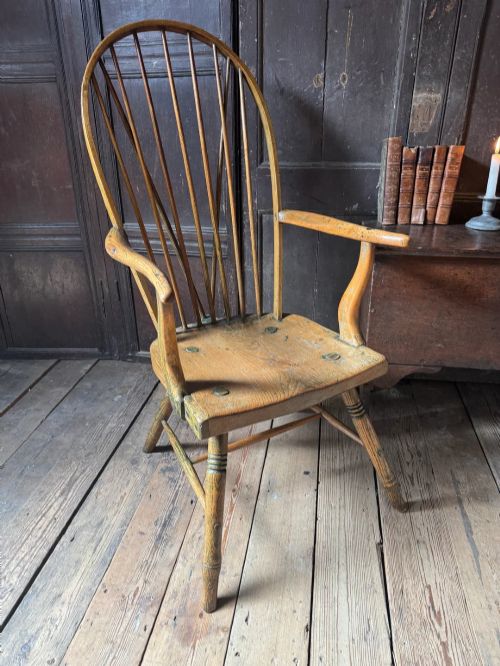
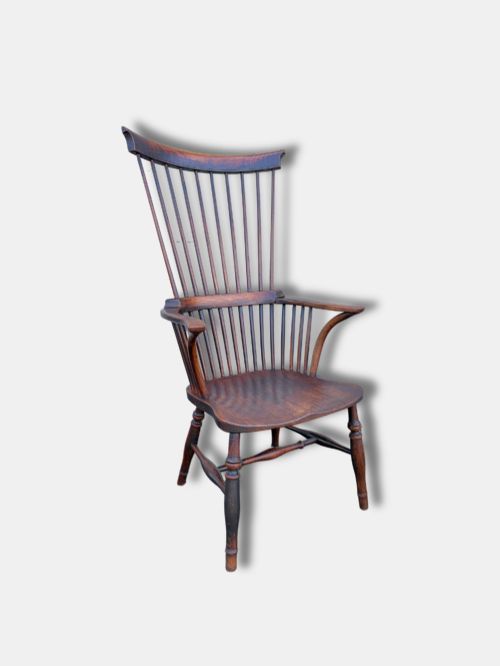
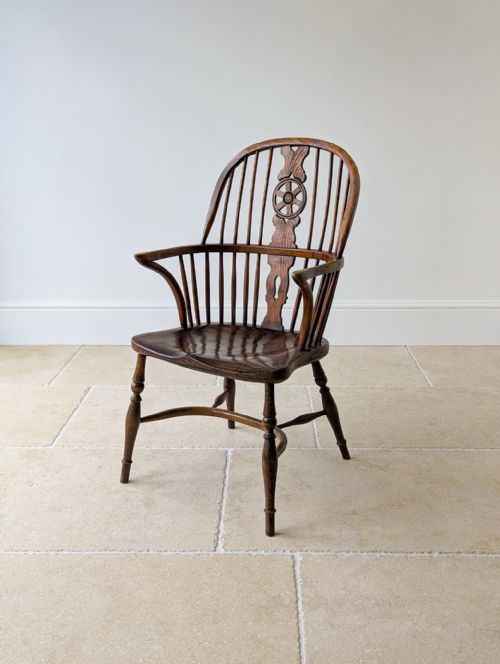
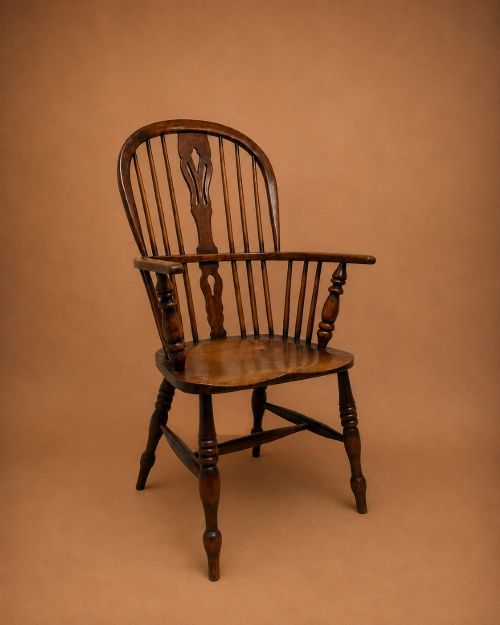
The most common versions met on this page are Windsor chairs, captains' chairs, and ladder-back armchairs. These pieces frequently combine ash with elm, beech, or oak, utilising rush for seating or retaining solid wood seats shaped for comfort.
Construction and materials
Maker traditions relied on pairing strong timbers, most notably using ash for frames, spindles, and legs alongside elm for solid sculpted seats. Additional woods such as beech, yew, and oak appear in specific structural components or bentwood hoops.
Ash Wooden Armchair Retail Price Guide 2026
Typical asking prices for ash wooden armchair among the pieces listed under this phrase on Sellingantiques today, from the lower quarter to the upper quarter. They describe what is for sale here now, not the wider market.
Listings feature eighteenth-century and nineteenth-century pieces, including George III, Regency, and Victorian periods.
Distinctions in quality
The integrity of the timber and the retention of original surface patination distinguish finer items from heavily restored or replaced elements. Grain integration across joined components and minimal timber shrinkage indicate careful historic selection of materials.
Philip Clissett·Duncan McKellar
The Ash Wooden Armchair Glossary
- Windsor chair
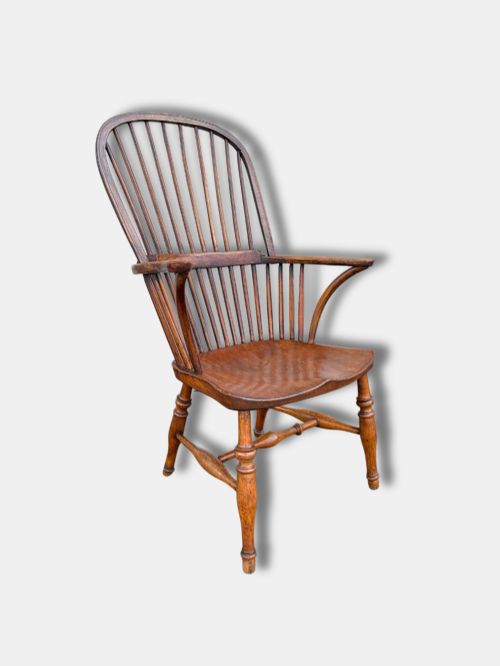
- A wooden chair built with a solid sculpted seat into which the back and legs are separately inserted. They originate in rural workshops and often incorporate bentwood hoops.
- Comb back
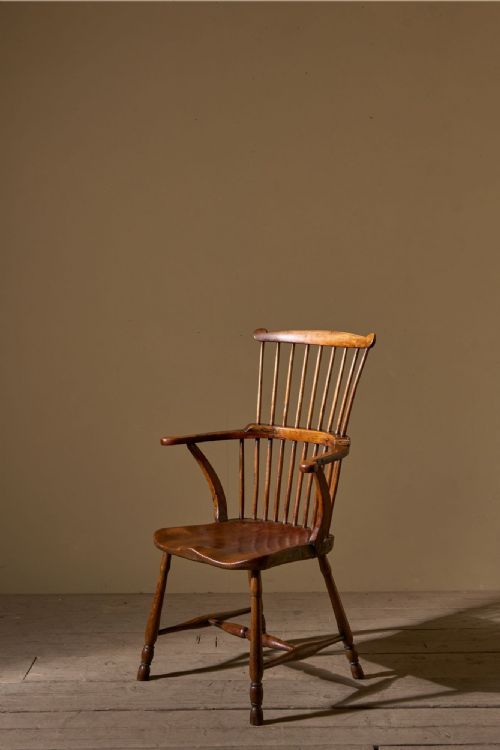
- A Windsor chair variation where the vertical spindles extend upward to support a horizontal top rail resembling a traditional hair comb. This style developed during the eighteenth century.
- Crinoline stretcher
- An arched or curved wooden brace connecting the legs of a chair below the seat level. It adds structural rigidity and provides a rest for the feet.
- Ladder-back
- A chair style featuring horizontal slats between the rear upright posts. These slats are often curved to fit the back of the sitter.
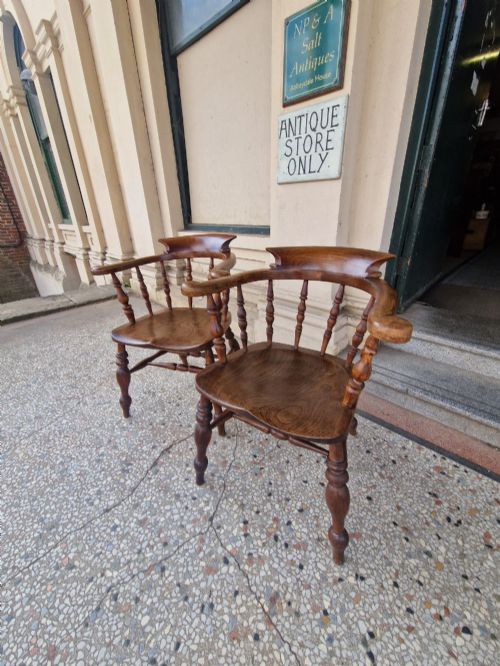
- Smoker's bow
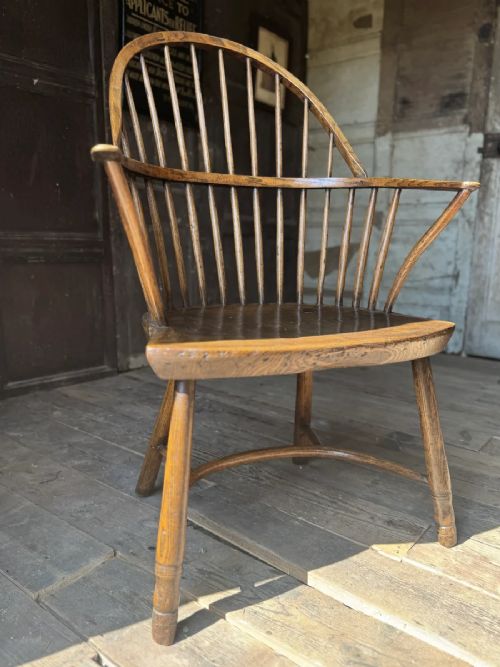
- A low-backed Windsor armchair with a continuous curved arm rail resting on short spindles. They gained popularity during the nineteenth century in parlours and smoking rooms.
Ash Wooden Armchair: Frequently Asked Questions
How do I identify a Windsor chair?
A Windsor chair is characterised by a thick wooden seat that acts as the central hub for all structural members. The legs and back spindles are tenoned directly into this solid base.
Traditional versions utilise steam-bent hoops or comb pieces for the upper back, setting them apart from standard framed chairs.
What is a captain's chair?
A captain's chair is a low-backed wooden armchair designed with a continuous curved arm rail supported by turned spindles. These seating pieces provide sturdy support while allowing easy movement around a desk or table.
They frequently combine an ash frame with an elm seat and date predominantly from the Victorian period.
How should I care for a rush seat?
Rush seats require a dry indoor environment with stable humidity to prevent the natural fibres from becoming brittle or damp. Regular gentle dusting keeps debris from settling into the woven twists.
Avoid placing these chairs in direct sunlight or near direct heat sources which can dry out the rush over time.
Where were these country chairs made?
Country chairs were produced by local vernacular makers across various English regions, including the Thames Valley, Cheshire, and the West Country. Regional workshops utilised the native hardwoods available nearby, such as ash, elm, and beech.
Stylistic details often point to specific localities where particular turning or bending methods predominated.