

Comb Back Windsor Chair
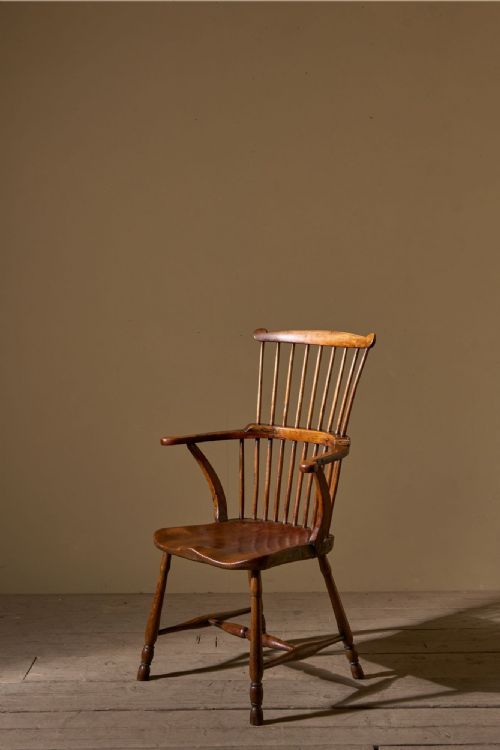
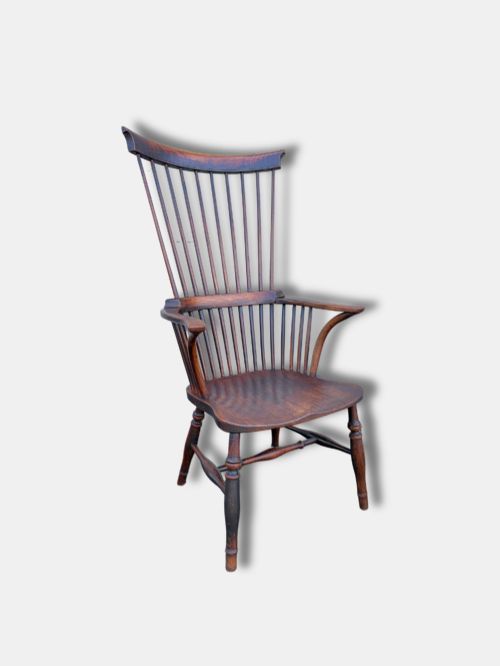
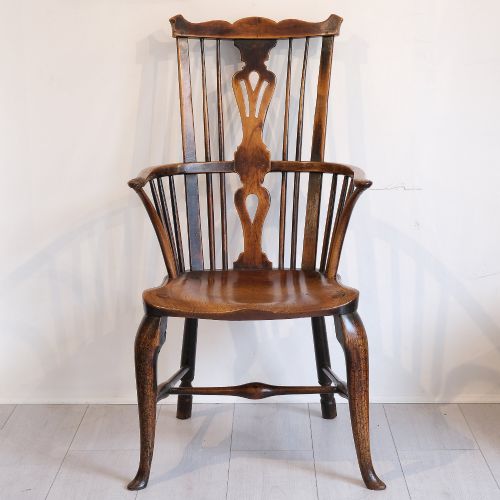
A comb back windsor chair offers a sturdy wooden seat and an extended tall back, combining rustic charm with robust seating.

Comb Back Windsor Chair
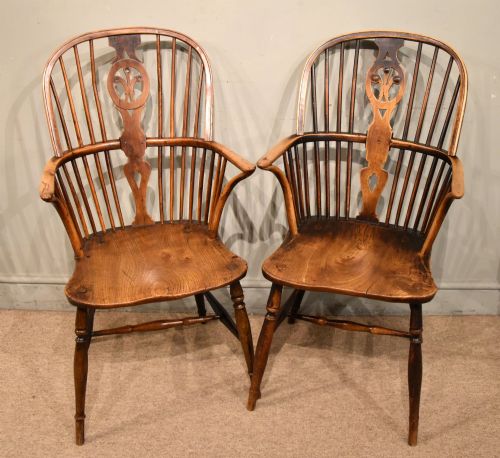
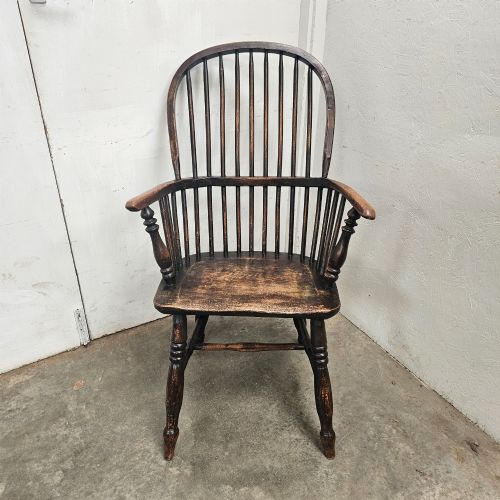
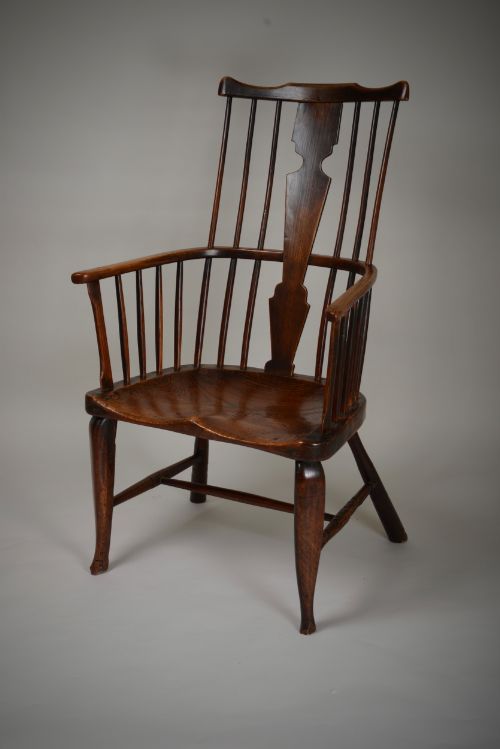
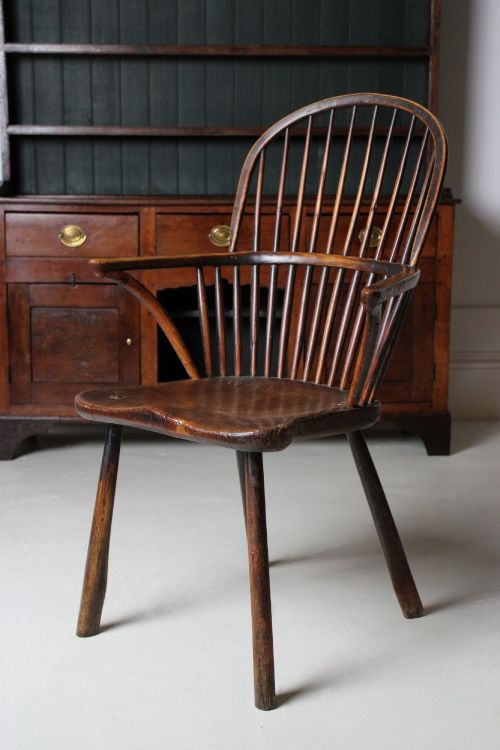
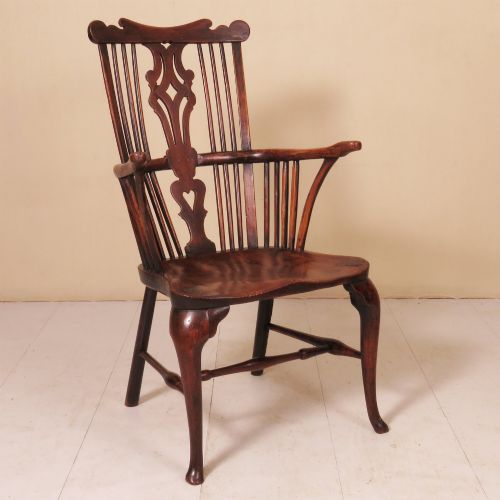
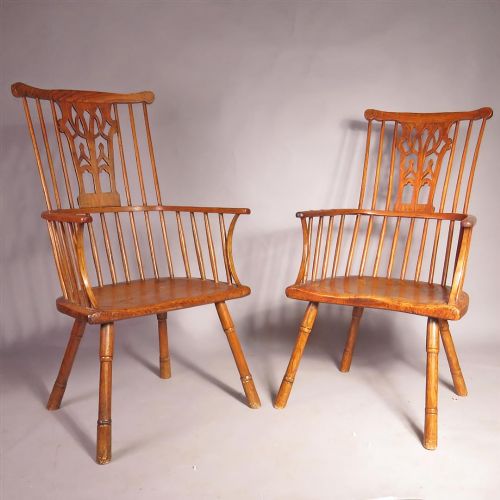
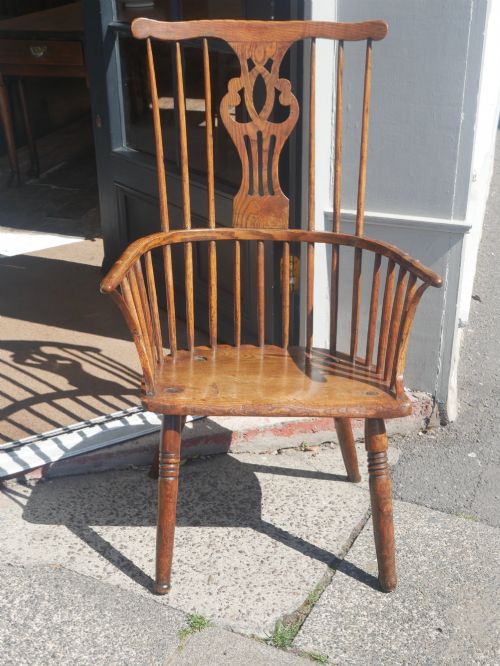
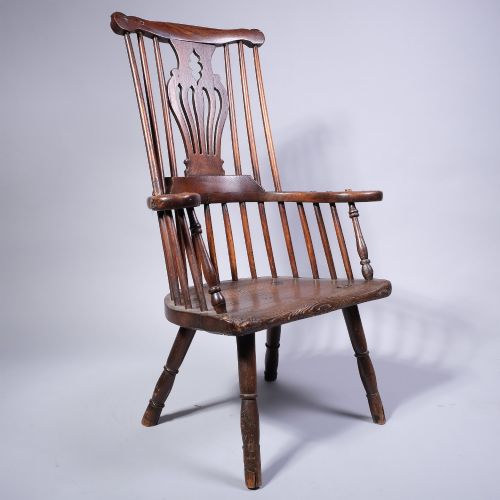
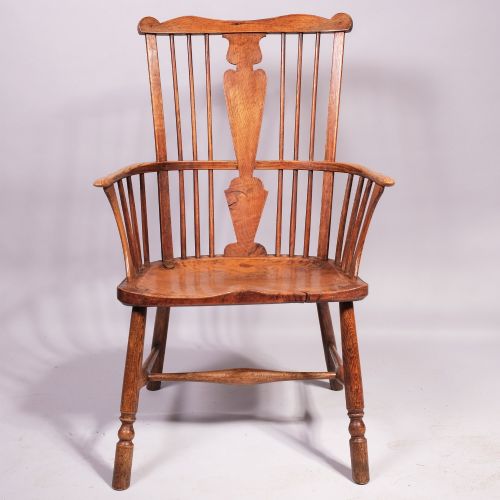
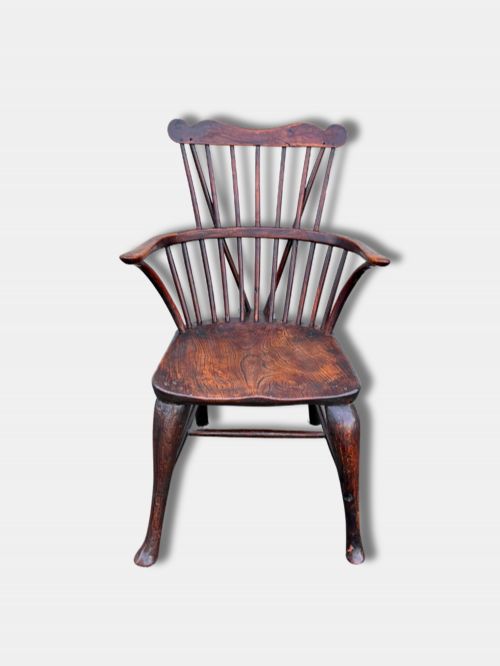
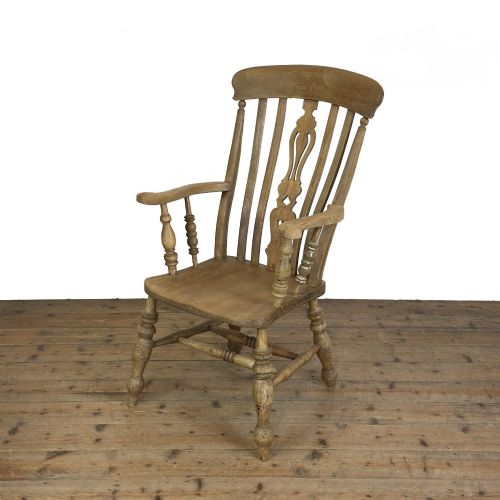
The most common form on this page is the country armchair, constructed with a solid elm saddle seat and contrasting ash or fruitwood uprights. These pieces appear in vernacular formats ranging from simple Welsh stick chairs to refined Thames Valley models.
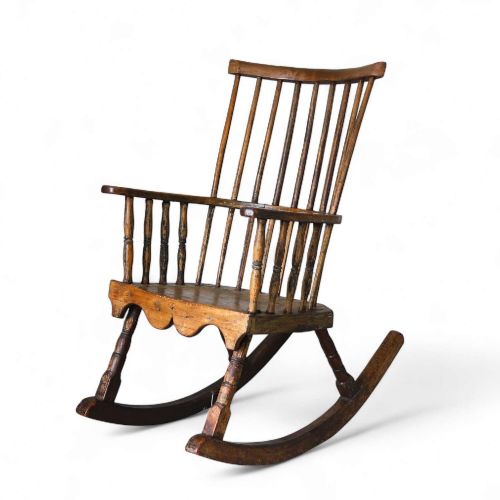
Armchairs dominate the selections, though sets of dining chairs and rocking chairs also emerge. Variations include high backs, low profiles, and occasional captain's chairs or bespoke regional variants.

Materials and Construction
Makers utilised a combination of native timbers, pairing durable hardwoods for the structural components with softer or more pliable woods for the spindles and arms. Elm provides the heavy, stable plank for the carved seat, while ash supplies the strength needed for the bent bow and vertical members.
Additional woods such as yew, fruitwood, beech, oak, and sycamore appear frequently across regional workshops. Individual elements were shaped using drawknives and spokeshaves before being joined through traditional pegged mortise and tenon construction.
Comb Back Windsor Chair Retail Price Guide 2026
Typical asking prices for comb back windsor chair among the pieces listed under this phrase on Sellingantiques today, from the lower quarter to the upper quarter. They describe what is for sale here now, not the wider market.
Recorded forms include armchairs, dining sets, rocking chairs, and regional Welsh stick chairs.
Assessing Quality and Build
Quality in a comb back windsor chair depends upon the balance of proportions and the selection of timber figures, particularly in the grain of the elm seat and the matching of the ash spindles. Superior examples display careful tapering of the arm supports and a well-sculpted saddle seat that demonstrates ergonomic consideration by the maker.
The integrity of the construction dictates the longevity of the piece, with tighter joints and minimal replacement parts indicating higher original craftsmanship. Regional idiosyncrasies, such as distinctive head carvings or exceptionally figured yew wood, elevate specific pieces above standard farmhouse utility.
George Wilson Lincolnshire·Darvil
The Comb Back Windsor Chair Glossary
- Comb back
- A Windsor chair variation where the central vertical spindles extend past the main bow to a horizontal top rail. This design provides additional upper back support.
- Saddle seat
- A thick wooden plank, commonly carved from elm, scooped out into a comfortable concave shape. This design distributes weight evenly for the sitter.
- Vernacular
- Objects made by local craftsmen following regional traditions rather than strict academic pattern books. These pieces reflect the available materials and practical needs of their immediate area.
- Stick chair
- A primitive seating form where turned or cleft branches serve as legs and back uprights directly inserted into a solid wooden seat. It represents an early structural approach.
- Thames Valley
- An English regional style associated with finely turned spindles, often utilising yew wood. These chairs typically exhibit more refined joinery than their northern or western counterparts.
Comb Back Windsor Chair: Frequently Asked Questions
What is a comb back windsor chair?
A comb back windsor chair is a traditional wooden seating form characterised by a solid saddle-shaped seat, turned legs, and a tall back where vertical spindles pierce a horizontal top rail.
This distinct upper section resembles a traditional dressing comb, which gives the design its name and provides extra height and back support.
Where were these chairs made?
These chairs were produced by local cabinetmakers and bodgers across various rural workshops throughout England, Wales, and Scotland. Regional centres such as the Thames Valley and Welsh valleys developed distinct structural characteristics.
Makers utilised whatever native hardwoods grew abundantly in their immediate geographical vicinity.
How do I date an antique windsor chair?
Dating relies on observing tool marks, timber shrinkage, construction methods, and regional style evolution from the eighteenth into the nineteenth century. Earlier examples often display primitive cleft undercarriages and broader proportions.
Later Victorian and Edwardian iterations frequently incorporate machine-turned components and standardised dimensions.
How do I live with a wooden chair?
Placing the chair away from direct heat sources and sudden humidity shifts helps prevent timber splitting and joint loosening. Regular dusting and occasional mild conditioning maintain the natural surface sheen of the wood.
These functional pieces suit everyday use around a dining table or as standalone reading seats.