




Elm Saddle Seat Chair
An elm saddle seat chair brings organic timber grain and robust vernacular craft straight into a room.
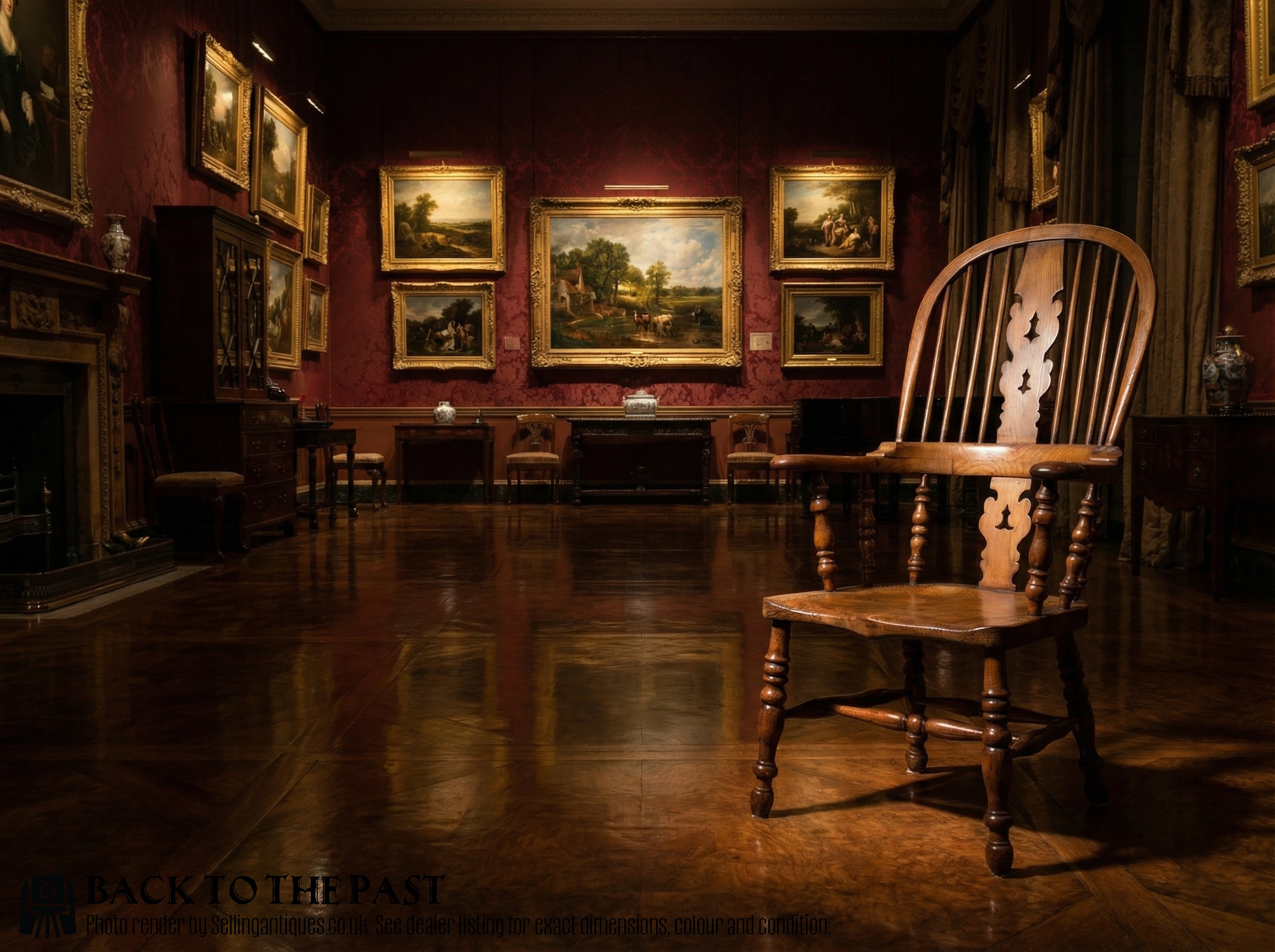
What an elm saddle seat chair is
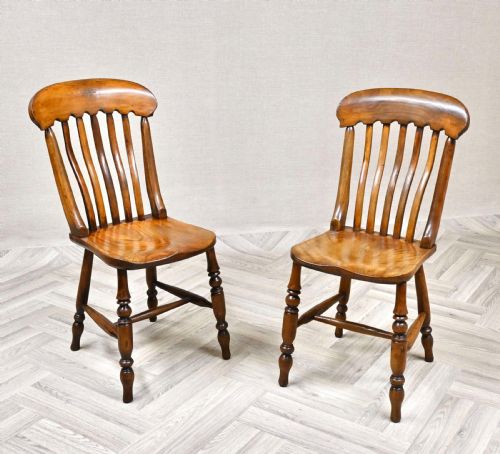
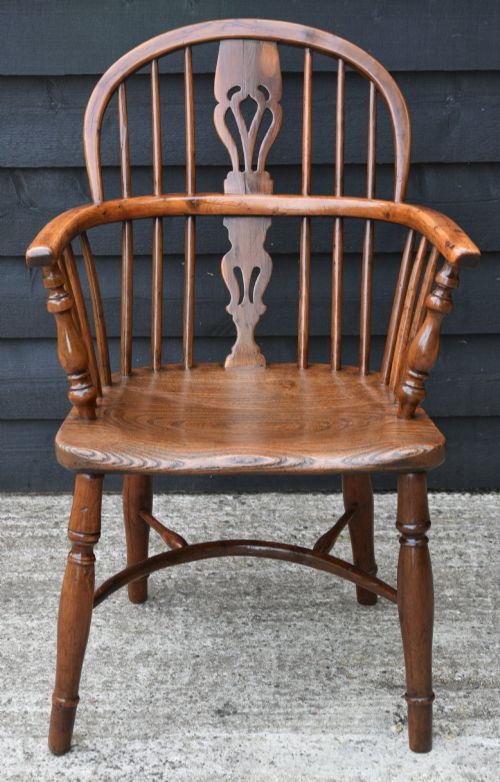
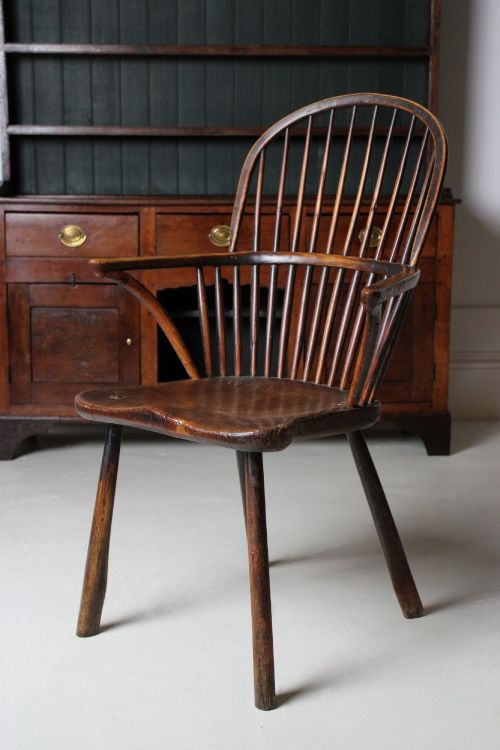
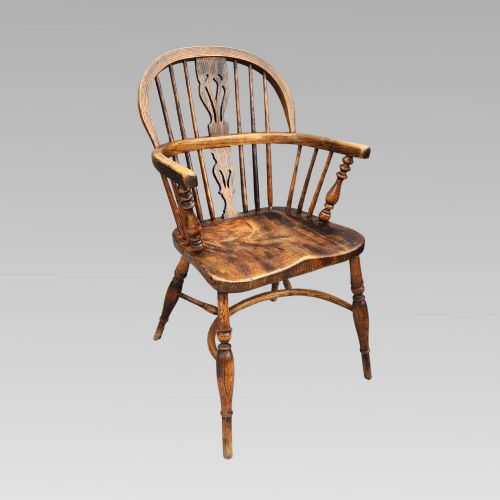
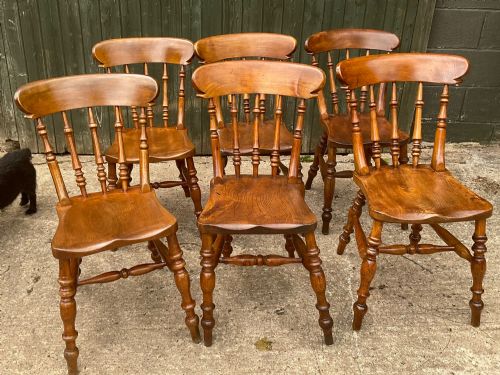
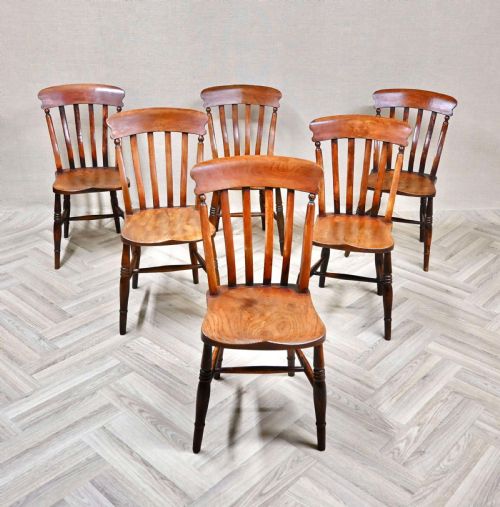
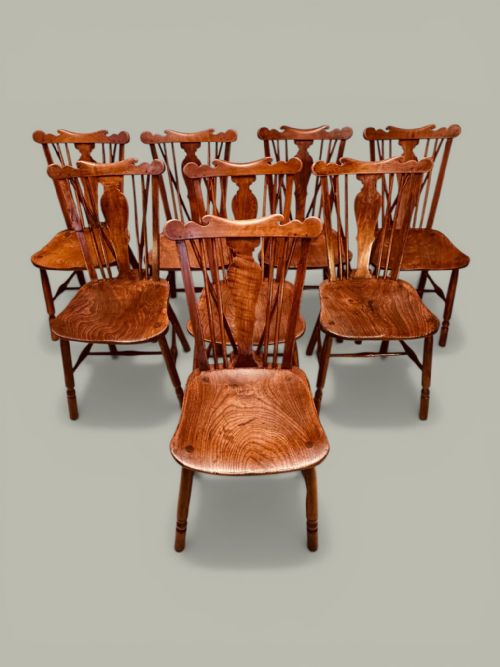
An elm saddle seat chair is a Windsor armchair formed around a deeply dished wooden seat that resembles a horse saddle. These seating pieces belong to the English country vernacular tradition and date primarily from the nineteenth century. Makers shaped the thick planks to offer ergonomic comfort long before modern seating ergonomics existed.
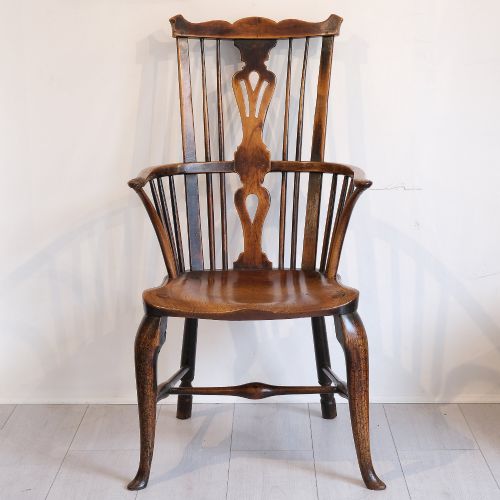
The pieces on this page appear in high back, low back, spindle back, crinoline, and draught back forms. Regional turners and carpenters built these armchairs for everyday use in farmhouses and cottages across the provinces. Surviving examples demonstrate the enduring appeal of traditional English seating design.
How they were made
Craftsmen built these chairs using a combination of timber species suited to different structural demands. Elm provided the wide, stable seat plank capable of being hollowed without splitting. Ash and beech supplied the resilient spindles and legs, while yew added rich grain and strength to the hoops and arms.
The construction relies on traditional stick-back and Windsor joinery where spindles and legs fit directly into bored holes in the solid seat. Steam-bending shaped the enclosing back bow from a single piece of hardwood. Carpenters secured the components with wedges rather than metal fixings.
Retail Price Guide 2026
Typical UK retail prices for elm saddle seat chair, calculated from the Sellingantiques database of over a million retail prices indexed since 2003. This retail price guide relies exclusively on Sellingantiques data; no external sources or auction records are used, so the figures do not describe the wider market.
What varies in quality
Quality in these chairs rests upon the depth of the saddle shaping and the expressive figuring of the timber. A deeply scooped seat demonstrates superior carving skill and greater seated comfort. The contrast between darker yew wood bows, ash spindles, and elm seats also dictates visual distinction.
Structural integrity and the retention of original turning details separate standard workshop output from finer examples. Chairs with retained crinoline stretchers or elegant draught backs show greater ambition in the original design. The harmony of proportions across the arm bow and leg rake determines overall success.
The Elm Saddle Seat Chair Glossary
- Saddle seat
- A solid wooden seat carved with hollows to mimic the contours of a riding saddle. This shaping provides both ergonomic comfort and visual depth.
- Windsor chair
- A traditional chair construction method where legs and back spindles fit into a central wooden seat rather than a framed chassis. These pieces rely on stick-back joinery.
- Crinoline stretcher
- A curved under-framing brace shaped like a hoop skirt that connects the legs of a chair for added stability. This feature often appears on mid-nineteenth century provincial armchairs.
- Draught back
- A chair design featuring shaped wooden wings or a high back intended to deflect cold air away from the sitter. This form originated in domestic vernacular interiors.
Frequently Asked Questions
How do I care for elm?
Feed the timber occasionally with a traditional beeswax polish to nourish the grain and prevent drying. Keep the chair away from direct heat sources and sudden temperature shifts to protect the solid wood.
Buff the surface gently with a soft cloth to maintain a natural sheen. Avoid silicone sprays or modern synthetic sealants that can damage antique finishes.
What is a crinoline stretcher?
A crinoline stretcher is an arched wooden brace that links the legs together beneath the seat. It provides vital structural support while echoing the curved hoops of nineteenth century dress.
This under-framing helps prevent the legs from wobbling under regular pressure. Its presence often signals a more decorative provincial workshop style.
Are these chairs comfortable?
Yes, because the thick wooden seat is hollowed into a saddle shape that distributes weight naturally. The raked spindles and steam-bent back bows support the body during extended sitting.
Vernacular makers designed these seats for practical domestic use over long hours. Many users find them surprisingly supportive without needing loose cushions.