



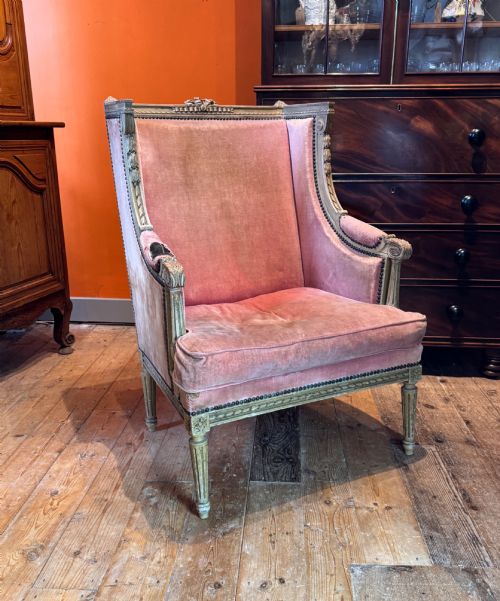
Vintage Country Armchair
These vintage country armchairs bring honest vernacular craft and deep-seated comfort into a room.
Vintage Country Armchair
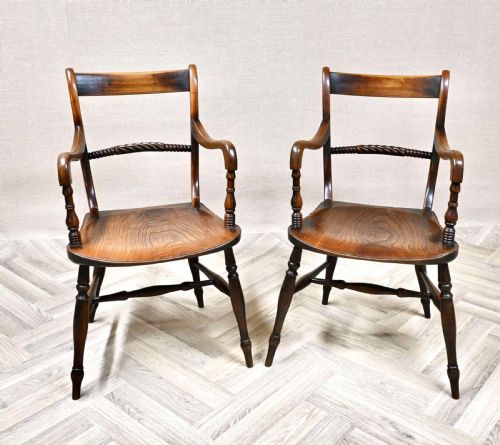
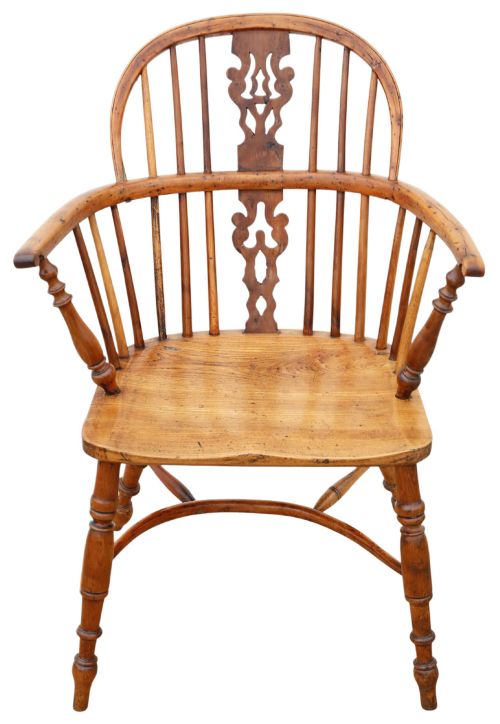
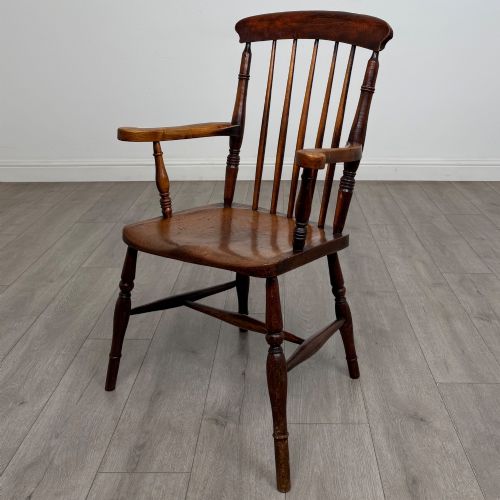
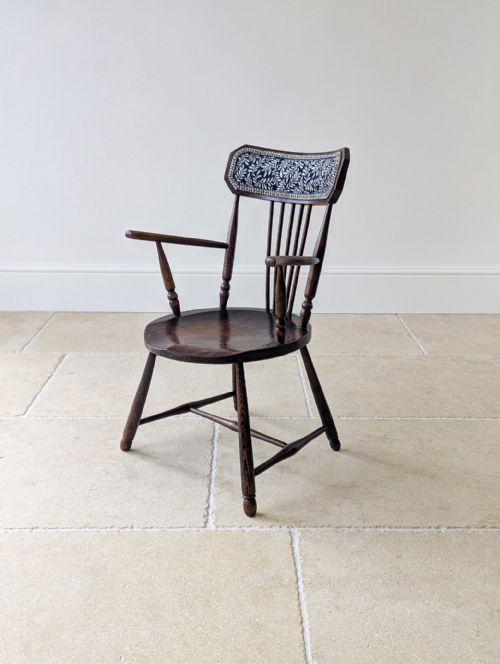
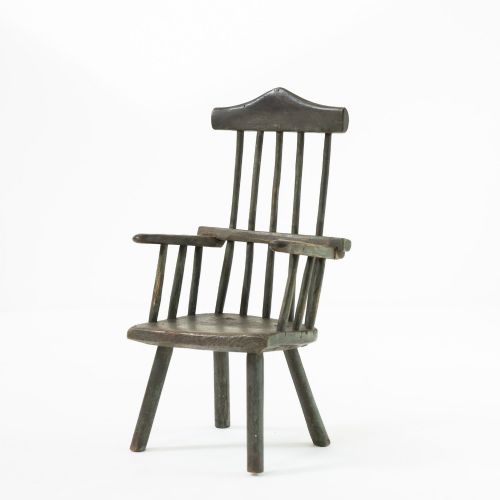
A vintage country armchair is a seating piece rooted in provincial tradition, spanning sturdy Windsor forms, spindle-backed stick chairs, and low-slung vernacular seating. When browsing this selection, buyers frequently encounter sturdy stick backs and Windsor armchairs shaped from native timbers.
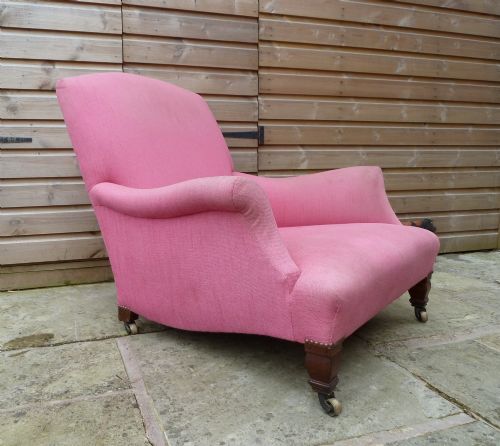
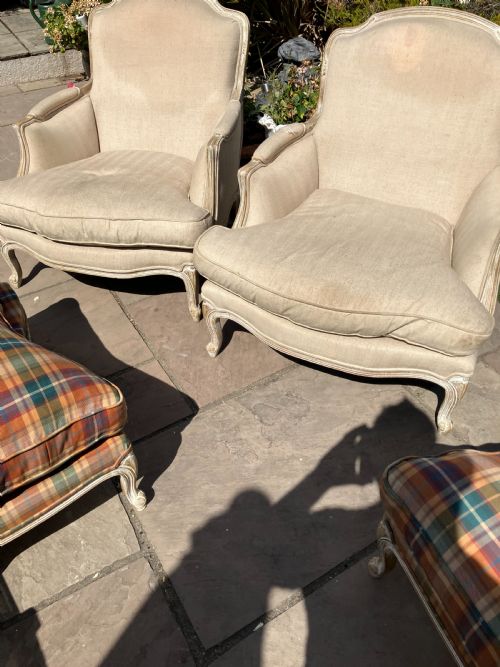
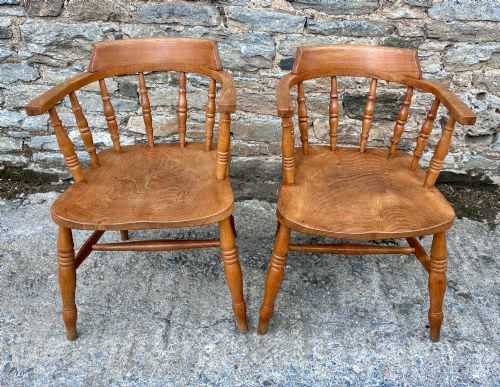
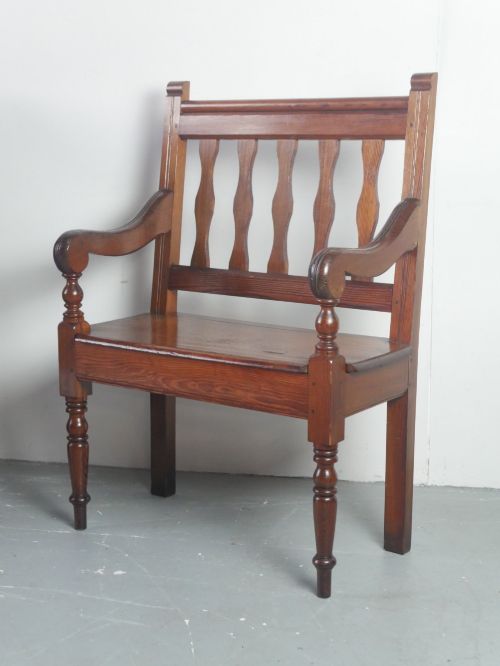
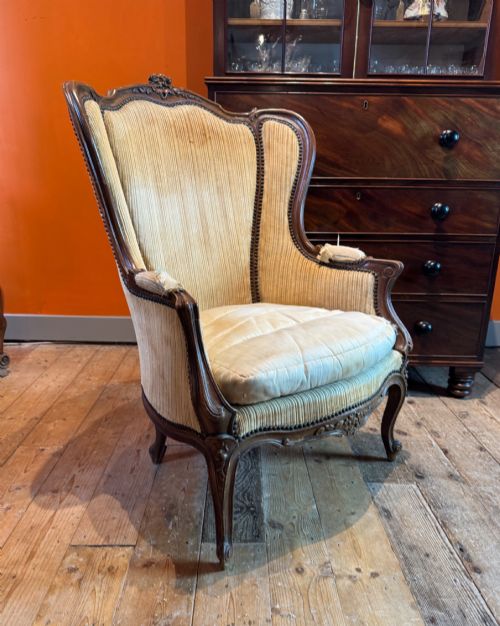
The materials and construction reflect local workshop traditions rather than urban cabinet-making, resulting in robust seating designed for daily domestic use. These pieces range from rustic child-sized chairs and captains chairs to high-backed kitchen seating and substantial wingback designs.
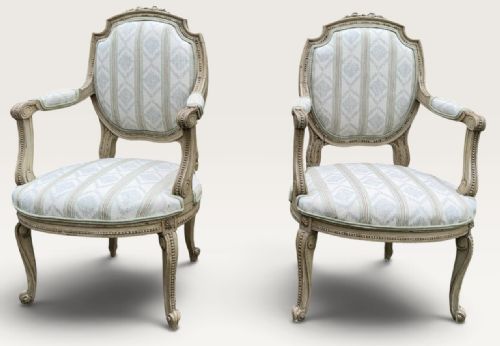
Origins stretch across English country styles, Scottish workshops, and French provincial houses, uniting practical utility with regional aesthetic charm. The prevailing forms rely on vernacular ingenuity, often combining bentwood techniques with solid timber seats.
Materials and methods of construction
Makers utilised native hardwoods like elm, ash, beech, and oak for their structural strength and resilience under heavy daily use. Elm frequently formed the solid carved seats, providing a tough, interlocked grain that resisted splitting when legs and spindles were wedged into place.
Bending green ash or beech yielded the curved bows and crest rails characteristic of Windsor and stick-back designs, held in tension as the timber dried. Joinery relied heavily on wedged tenons and traditional pegging, ensuring the frame remained rigid without relying on modern metal fasteners.
Vintage Country Armchair Retail Price Guide 2026
Typical asking prices for vintage country armchair among the pieces listed under this phrase on Sellingantiques today, from the lower quarter to the upper quarter. They describe what is for sale here now, not the wider market.
The spectrum of quality
Quality rests in the selection of timbers and the harmony of proportion achieved by the maker, distinguishing humble utility seating from refined vernacular masterpieces. A well-balanced comb back or stick back demonstrates careful tapering in the spindles and a smoothly saddled seat that hugs the sitter.
The integrity of the original construction and the preservation of honest surface patination set superior examples apart from heavily altered or over-restored pieces. Subtle details such as yew wood figuring, delicate arm scrolls, and maker stamps elevate certain armchairs far beyond standard workshop production.
HOWARD AND SONS·J SPENCER·Gillows
The Vintage Country Armchair Glossary
- Windsor chair
- A wooden chair built with a solid heavy timber seat into which the legs and back spindles are directly driven. This form developed deep regional variations across England and Scotland.
- Stick back
- A chair construction method where turned spindles are tenoned straight into the seat and crest rail. It represents a lighter, simpler cousin to the traditional hoop-back Windsor.
- Yew
- A dense, highly figured softwood prized by country chair makers for its rich amber tones and resilience. It appears primarily in superior Windsor armchairs.
- Comb back
- A tall Windsor chair variation where the central vertical spindles extend upward to support a horizontal headrest piece resembling a hair comb. This profile offers additional head and neck support.
- Vernacular
- Artefacts created by local craftspeople using regional materials and traditional methods without formal academic training. These objects prioritize local utility and direct structural honesty.
Vintage Country Armchair: Frequently Asked Questions
Where were these country armchairs typically used?
These seating pieces originated in farmhouses, country cottages, provincial kitchens, and provincial halls where durability outweighed formal elegance. Their robust construction suited daily tasks, fireside resting, and communal dining.
Over time, vernacular armchairs migrated into libraries, studies, and drawing rooms as collectors recognised their honest lines and tactile warmth.
How do I care for a vintage wooden armchair?
Maintain the timber by applying natural beeswax periodically to nourish the dry wood and preserve its historic surface sheen. Avoid placing the chair near direct heat sources or strong sunlight, which can cause timber to split and shrink.
Regular dusting with a soft cloth prevents grime accumulation in carved crevices and around spindle joints.
How can I tell different regional Windsor chairs apart?
Regional differences often appear in the choice of native woods, such as yew in specific English counties or local ash and elm combinations. Turning styles on the legs and the specific shape of the arm bow also point to particular provincial workshops.
Scottish and English provincial makers employed distinct structural proportions and crest rail details that help identify their origin.