


Wooden Stick Back Chair
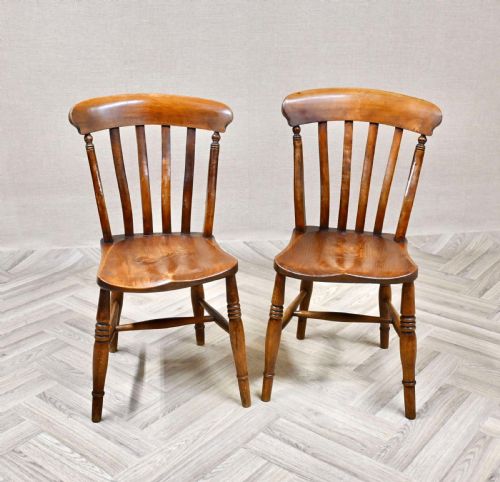
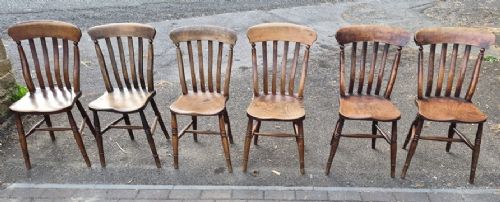
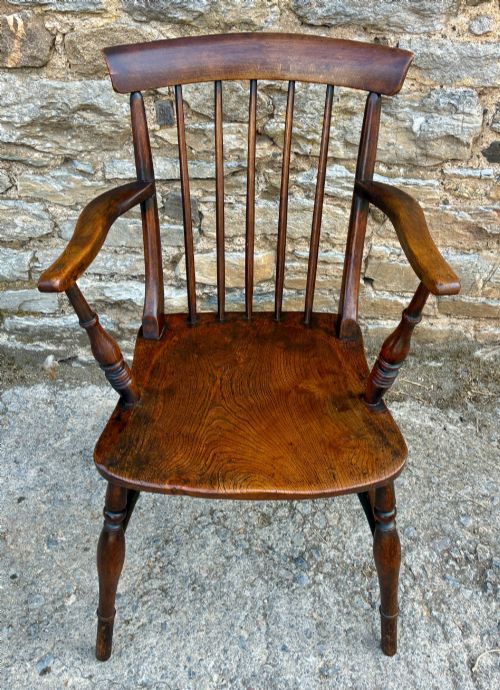
These wooden stick back chair pieces are robust vernacular seats built for everyday use, combining sturdy timber frames with simple spindle backs.
Wooden Stick Back Chair
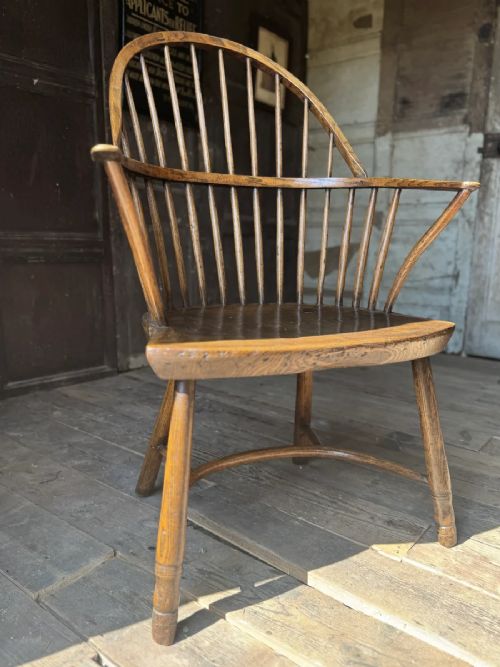
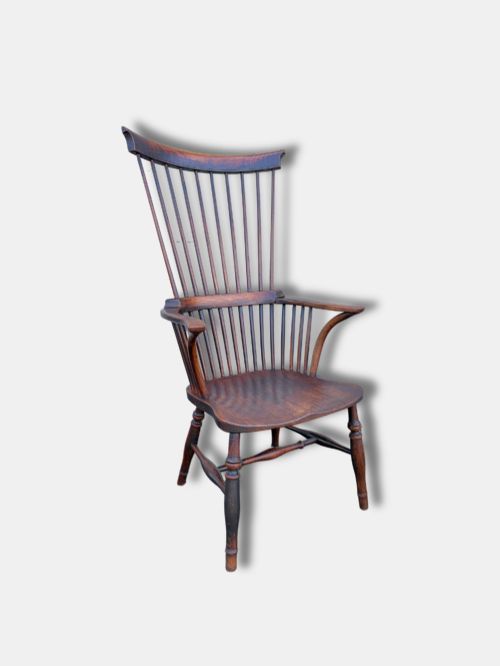
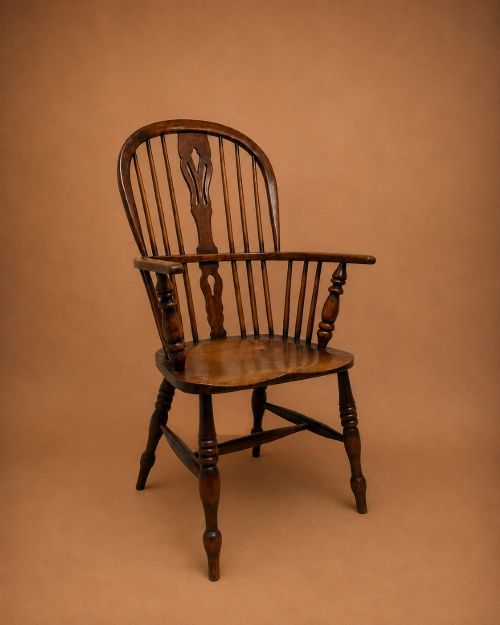
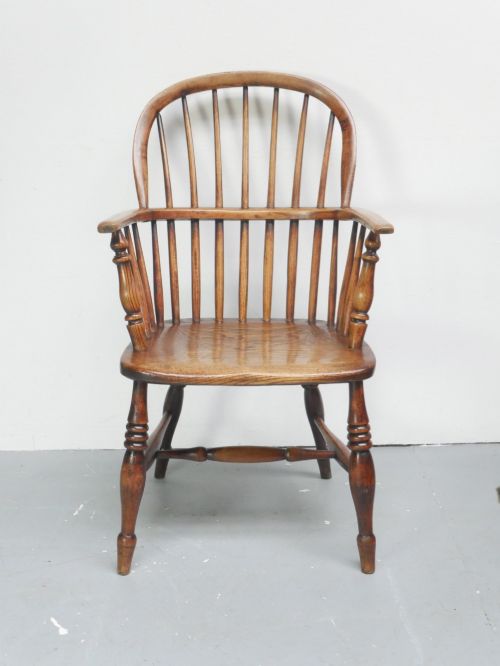
A wooden stick back chair sits firmly in the tradition of country furniture, serving domestic and farmhouse needs across generations. The pieces appearing here span the eighteenth and nineteenth centuries, including Victorian examples alongside earlier Georgian vernacular forms.
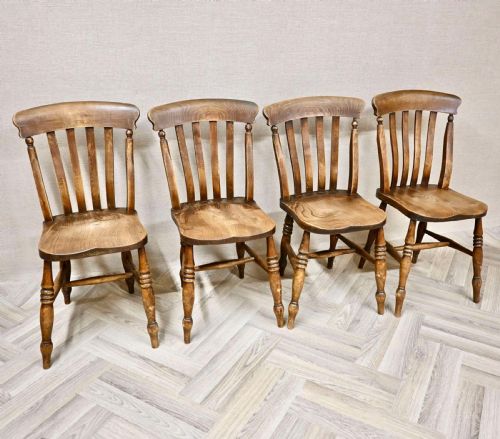
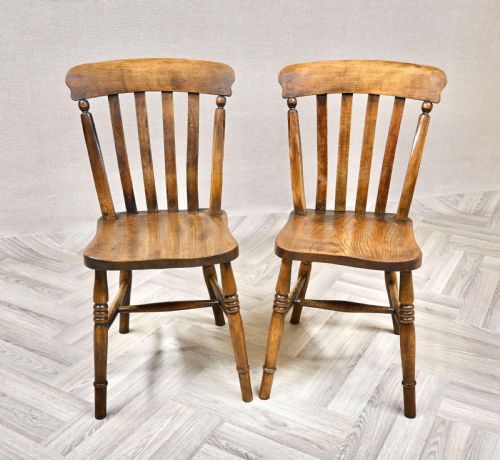
Buyers encounter various formats ranging from single armchairs and dining chairs to children's armchairs and matched sets. Regional variations emerge clearly, from Thames Valley designs to West Country and Scottish pieces.
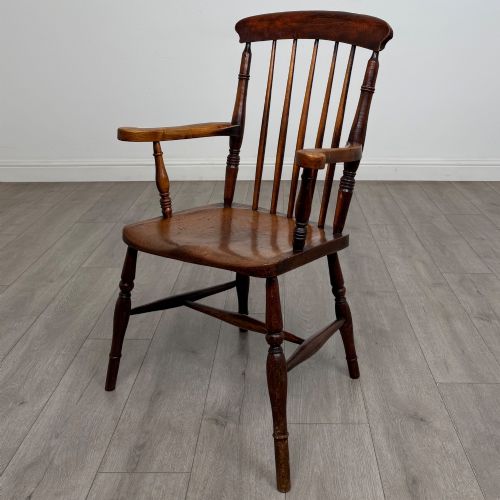
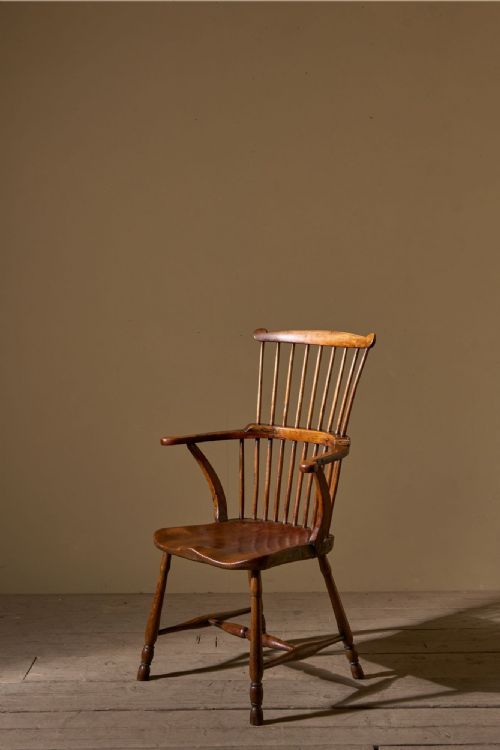
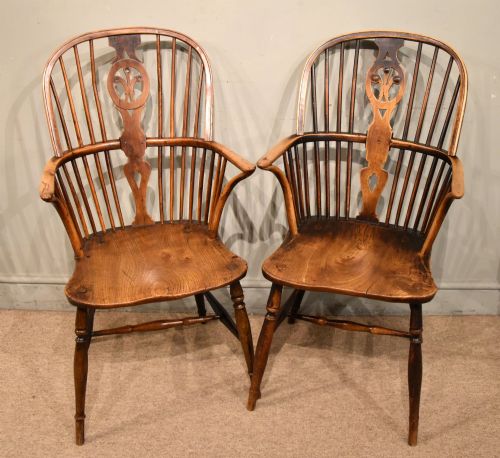
Common configurations include comb backs, hoop backs, and high backs, often constructed as Windsor chairs with distinct saddle seats. These items originate from English, Welsh, and Irish workshops, reflecting local timber supplies and regional turning traditions.
How they were made
Maker-joiners utilised mixed timber construction, pairing solid elm for sculpted seats with ash, beech, or oak for bent spindles and structural legs. Yew and fruitwood appear frequently for arms and curved crest rails, chosen for their resilience and grain pattern.
Construction relied on pole lathes and steam bending techniques to shape components before wedging spindles directly into bored seats. Many pieces retain original brown paint or surface patination developed through centuries of sustained domestic service.
Wooden Stick Back Chair Retail Price Guide 2026
Typical asking prices for wooden stick back chair among the pieces listed under this phrase on Sellingantiques today, from the lower quarter to the upper quarter. They describe what is for sale here now, not the wider market.
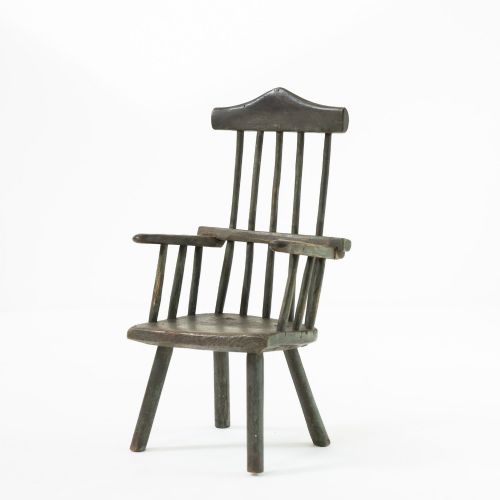
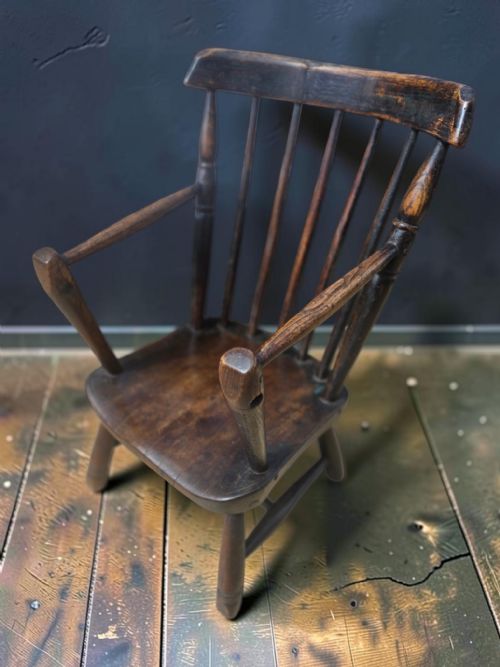
A child's primitive armchair sits quietly among the full-sized kitchen sets, built to miniature proportions with the same sturdy timber joints as adult furniture.
What varies in quality
The sophistication of the seat carving and the balance of the spindle rake determine the visual success of the piece. Deeply sculpted saddle seats demonstrate superior craftsmanship compared to flat, thin boards.
Timber selection dictates the integrity of the frame, with figured yew or well-matched ash and elm assemblies commanding greater visual interest. The retention of original surfaces, such as early brown paint or natural patination, separates standard examples from altered pieces.
John Brand of Sleaford
The Wooden Stick Back Chair Glossary
- Comb back
- A chair design where the central spindles extend upward to support a horizontal crest rail resembling the teeth of a comb. This form provides elevated back support.
- Hoop back
- A continuous bentwood bow that forms both the armrests and the upper back rail in a single sweeping curve. It distributes structural tension evenly.
- Windsor chair
- A seat constructed with a solid wooden saddle into which separate legs and back spindles are tenoned directly. These chairs developed distinct regional characteristics across Britain.
- Vernacular
- Furniture built by local tradesmen using traditional methods and regional materials rather than following formal metropolitan pattern books. These objects served practical community needs.
- Crinoline stretcher
- A curved metal or wooden brace connecting the legs beneath a chair to add rigidity. It derives its name from the hoop skirts worn in the nineteenth century.
Wooden Stick Back Chair: Frequently Asked Questions
Where were these country chairs originally used?
These seats belonged in farmhouses, cottages, and provincial kitchens where durability mattered most. They served around dining tables and hearths for daily labour and meals.
Sturdier armchairs often occupied positions of authority by the fireplace, while smaller dining versions gathered in sets for communal use.
Are elm and ash seats durable for daily use?
Elm provides exceptional resistance to splitting because of its interlocking grain, making it ideal for solid saddle seats. Ash offers tremendous flexibility and tensile strength for bentwood components like hoops and spindles.
Together, these timbers withstand regular weight and movement without losing structural integrity. Proper humidity maintenance keeps the wood stable over generations.
What is a Thames Valley chair?
Thames Valley chairs represent a specific regional school of Windsor chairmaking known for refined turning and quality timber selection. These pieces frequently combined elm seats with yew or ash framework.
Workshops in this southern English region produced distinctive profiles that collectors recognise through specific leg turnings and arm shapes.